Dynamic Creasing Shear Rupture Formulations for Hornified Secondary Fibre Interfaces under Cyclic Ambient Moisture
Managing shear rupture in hornified recycled board under cyclic ambient moisture depends on matrix channel sizing and strain release rate control.
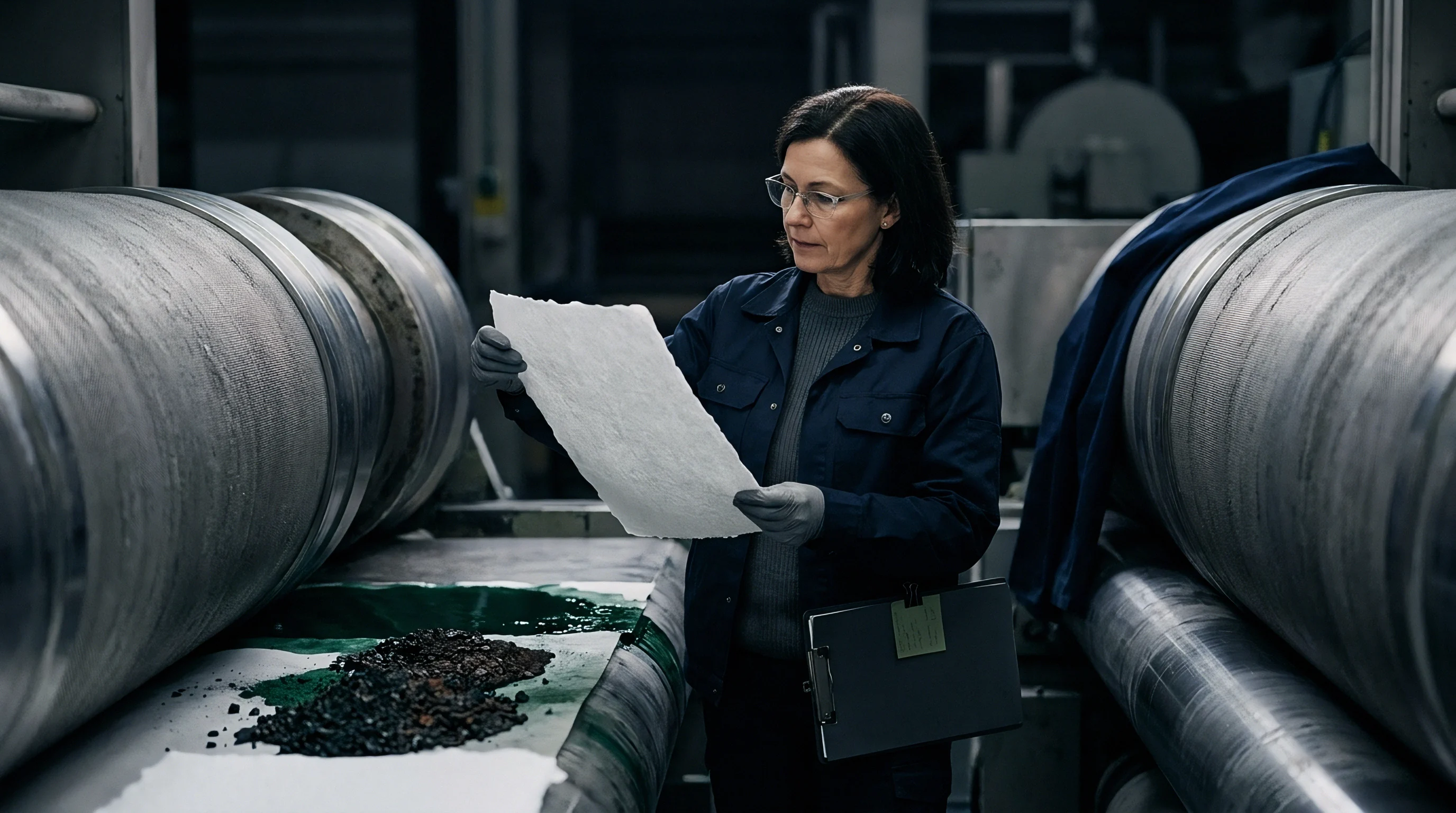
Mechanics
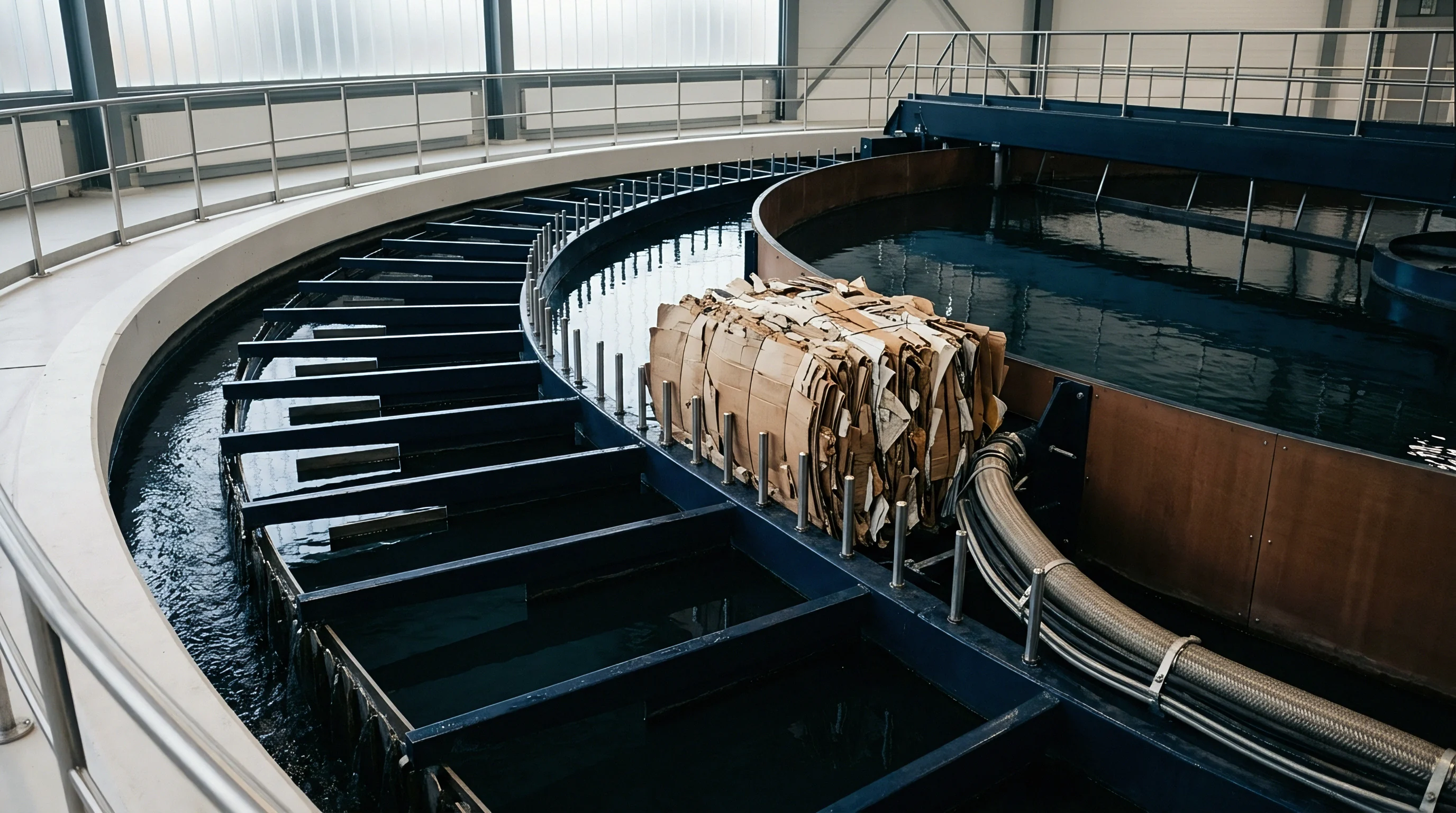
Crease Matrix Geometry and Delamination Shear
Out-of-plane stress distribution during score penetration governs the structural integrity of multi-ply cartonboard. As a male scoring rule enters the sheet, local indentation generates concentrated shear stress fields across internal fiber plies. In virgin kraft fibers, strong inter-fiber bonding allows controlled micro-delamination along internal interfaces, creating an internal hinge that relieves bending stresses on the outer printable liner.
Standard creasing operations force board into a recessed female groove using a steel rule, requiring localized shear displacement along the z-axis of the multi-ply structure. If internal plies fail to delaminate cleanly, bending forces transfer directly to the tension side, causing immediate tensile failure along the printed surface liner. The peak shear strain within the interface plane depends on the relative dimensions of board caliper, male rule width, and female matrix channel width.
Excessive male rule depth forces outer liner tension beyond yield thresholds before internal plies shear.
Calculating out-of-plane shear stress during dynamic indentation depends on the middle ply’s effective shear modulus and the local bending radius. High-speed video analysis indicates that peak shear stress develops before the rule fully penetrates. This maximum shear force increases with board grammage and decreases as the matrix channel widens.
Adequate channel clearance lets the bottom liner bulge downward without inducing severe transverse compression.
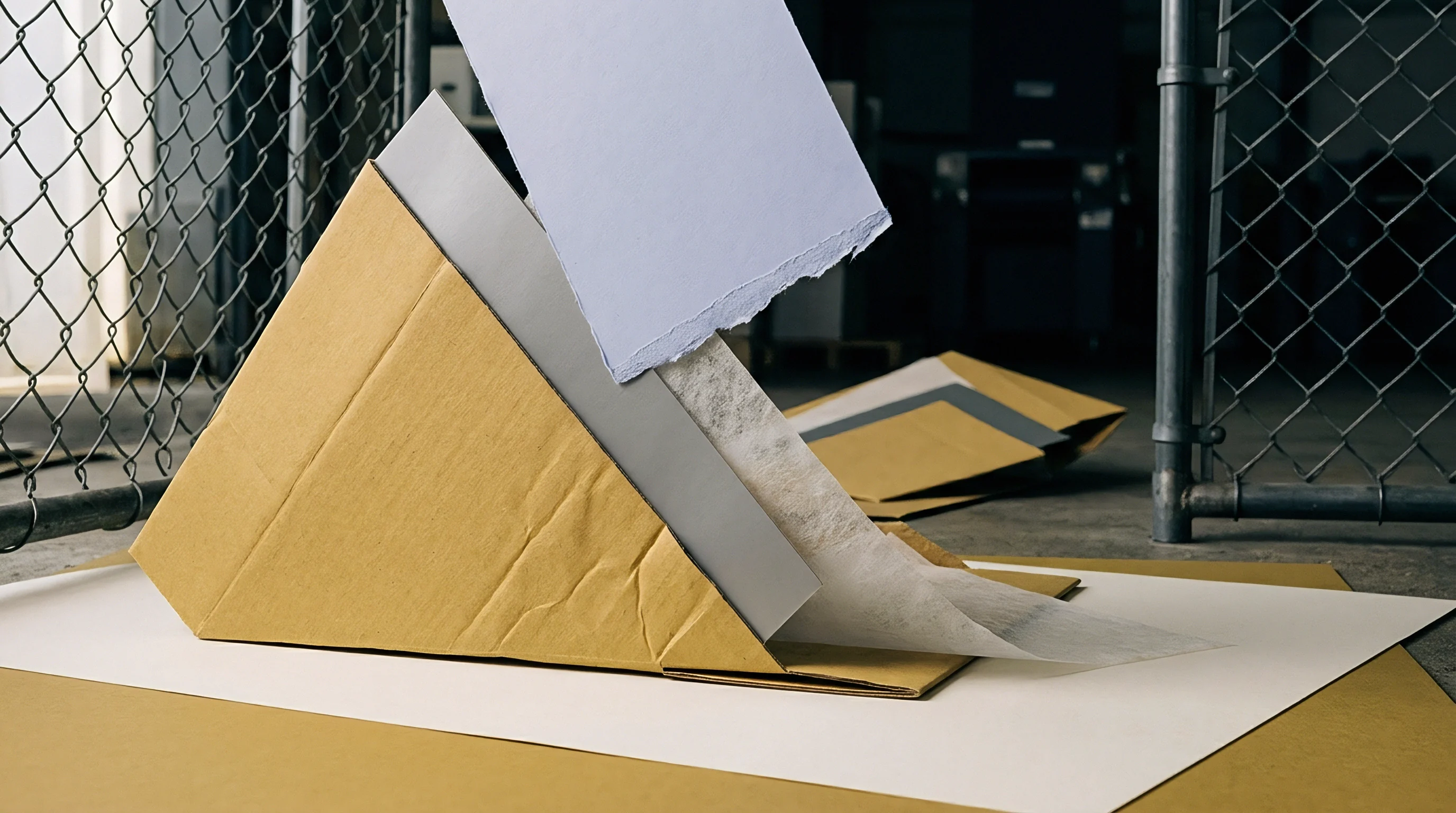
Ply Separation Parameters under Male Penetration
Sheet displacement beneath the scoring tool creates out-of-plane shear stress along the z-axis. Multi-ply board structures rely on differential shear stiffness between adjacent plies to absorb this strain. When the creasing rule descends at rates between zero point five and five meters per second, strain energy accumulates faster than dry cellulosic networks can relax viscoelastically.
| Board Grade | Rule Thickness (mm) | Channel Width (mm) | Peak Shear Stress (MPa) | Delamination Mode |
|---|---|---|---|---|
| 100% Virgin Kraft FBB | 0.71 | 1.40 | 3.82 | Controlled multi-ply split |
| 50% Recycled CRB | 0.71 | 1.40 | 4.95 | Single plane fracture |
| 80% Recycled WLC | 0.71 | 1.40 | 6.41 | Surface liner rupture |
| 80% Recycled WLC | 0.71 | 1.60 | 4.12 | Controlled internal shear |
An undersized matrix channel drives out-of-plane shear forces beyond internal bond strength, cracking the outer liner and causing structural rejection of finished packaging blanks.


Hornification

Fiber Pore Closure and Bond Area Deficits
Repeated wetting and drying cycles in secondary paper stocks alter the internal structure of cellulosic walls. During initial pulping and drying, internal pores within the fiber wall collapse irreversibly. Microfibrils aggregate into dense, highly ordered bundles that resist rehydration during subsequent papermaking passes, reducing the specific surface area available for inter-fiber hydrogen bonding when the sheet forms.
Cellulose microfibrils pack tightly as water leaves the cell wall during drying, while surface hemicellulose degrades and partially dissolves across repeated recycling loops. Without soft, conformable surface gel structures, secondary fibers cannot achieve intimate contact during wet pressing, leaving secondary fiber plies with lower internal cohesion and variable elastic modulus across the sheet.
Recycled boxboard containing over sixty percent secondary fiber displays a forty percent reduction in mode two shear fracture toughness at standard conditioning.
Lower water retention values signal severe collapse within secondary fiber structures. Consequently, when secondary fiber interfaces experience shear under a creasing die, the network lacks the compliance needed for gradual micro-slippage. The interface fails brittly instead, driving sharp cracks along the z-direction rather than distributing shear deformation through the volume.
Inter-Ply Cohesive Strength Degradation
Recycled furnish layers show lower Z-direction tensile values than virgin kraft fibers, with Scott Bond internal strength dropping progressively with each recycling pass. When high-recycled board reaches the creasing station, this reduced Z-direction strength lowers the mechanical energy required to trigger shear failure.
- Surface liner splitting occurs when middle plies fail to delaminate cleanly during scoring.
- Asymmetric bead displacement develops if local basis weight variation alters internal friction.
- Score line spring-back happens when reduced fiber swelling diminishes plastic deformation capacities.
- Delamination propagation extends beyond the intended crease area under dynamic die impact.
| Recycling Pass | Water Retention Value (g/g) | Scott Bond (J/m²) | Out-of-Plane Shear Modulus (MPa) | Mode II Fracture Energy (J/m²) |
|---|---|---|---|---|
| Virgin Pulp (0x) | 1.45 | 210 | 142 | 185 |
| Secondary (1x) | 1.12 | 165 | 168 | 132 |
| Secondary (3x) | 0.94 | 125 | 195 | 94 |
| Secondary (5x) | 0.81 | 92 | 225 | 68 |
Score line failure often stems from structural loss during secondary fiber repulping rather than incorrect die-cutter make-ready pressure.
Humidity
Sorption Hysteresis and Dynamic Moisture Content
Environmental moisture variations alter the viscoelastic behavior of cellulosic packaging substrates. Paperboard equilibrated at a given relative humidity holds different water fractions depending on whether it reached equilibrium through absorption or desorption. Under cyclic ambient moisture, secondary fiber networks undergo repeated swelling and contraction, generating localized strain fields across ply boundaries.
Water absorption rates depend on whether paperboard gains or loses equilibrium moisture in transit. Hornified fibers retain less bound water than virgin fibers at equivalent humidity, but respond more abruptly to moisture uptake. As moisture plasticizes amorphous cellulose regions, increasing relative humidity from fifty to eighty percent cuts the out-of-plane shear modulus of a hornified middle ply by over half, severely reducing its load-bearing capacity during creasing.
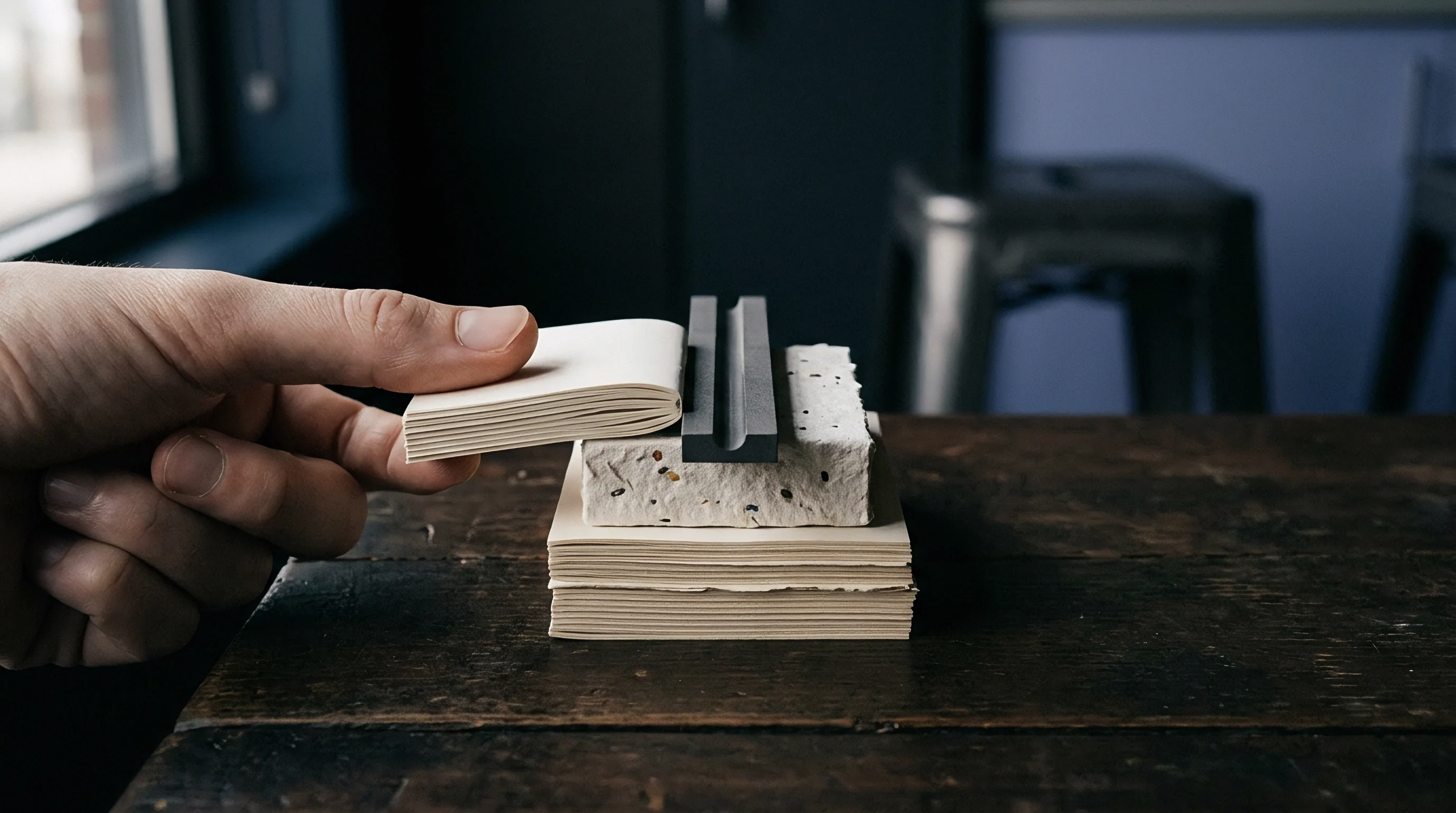
How Do Secondary Fiber Boards Perform under Ambient Cycling?
Substrates exposed to relative humidity swings between thirty and eighty percent expand transversely. Because hygroexpansion coefficients differ between top white liners, hornified middle plies, and bottom counter-liners, differential swelling generates residual internal shear stresses along ply interfaces before converting even begins. When the creasing die strikes this pre-stressed board, the additional shear load pushes the hornified interface past its rupture limit.
- Measure incoming board equilibrium moisture content using handheld capacitive sensors prior to pallet staging.
- Condition conversion blanks in environment rooms maintained at target relative moisture levels for twenty-four hours.
- Adjust scoring rule height in increments of zero point zero five millimeters to compensate for board swelling.
- Verify fold torque forces on automated carton erectors at fifteen-minute operational intervals.
Stabilizing internal fiber walls against plasticization at ninety percent relative humidity through chemical surface sizing ~ without compromising repulpability ~ remains an open engineering challenge.
Clamp
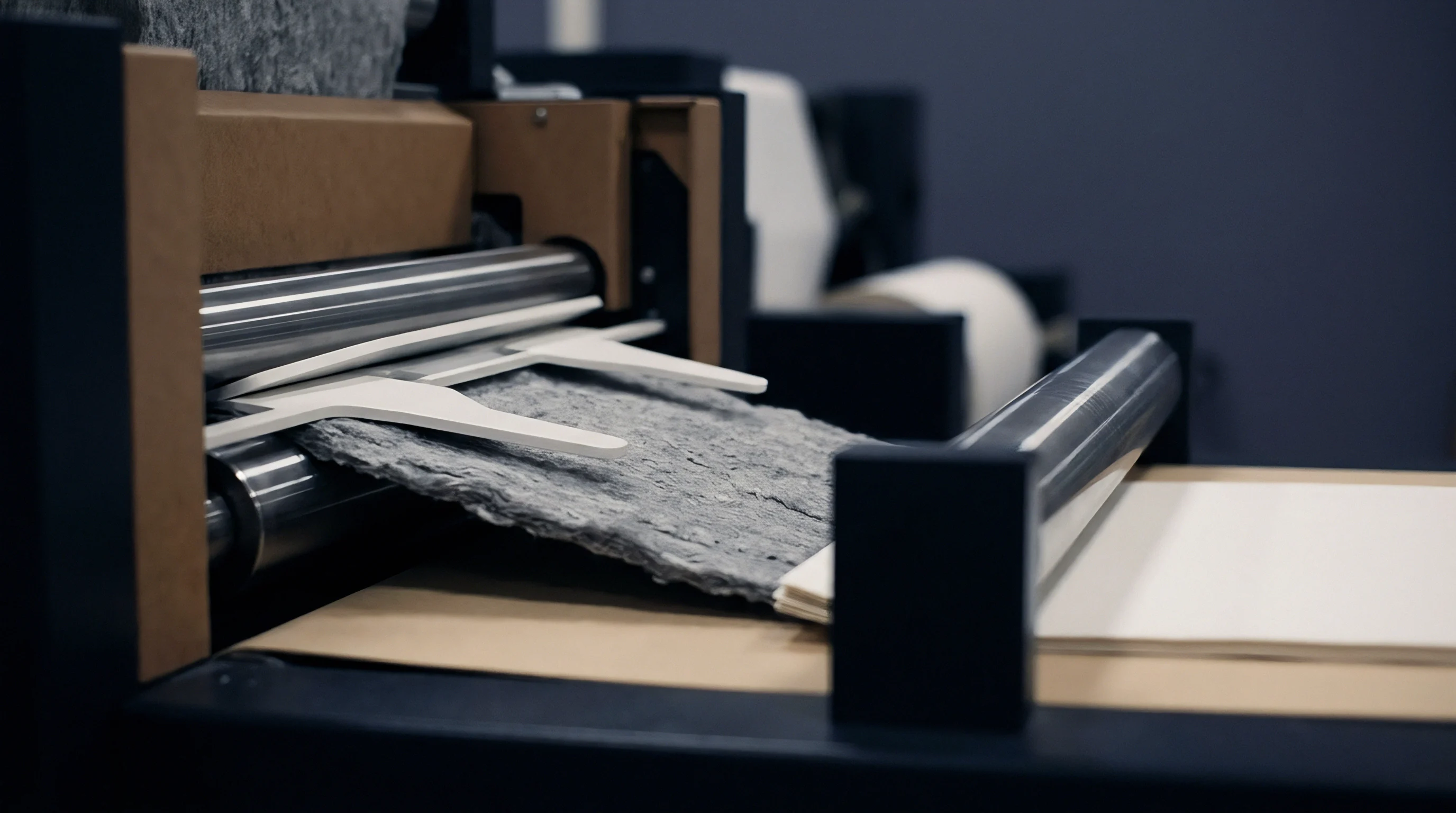
Dynamic Strain Rate and Crease Tooling Parameters
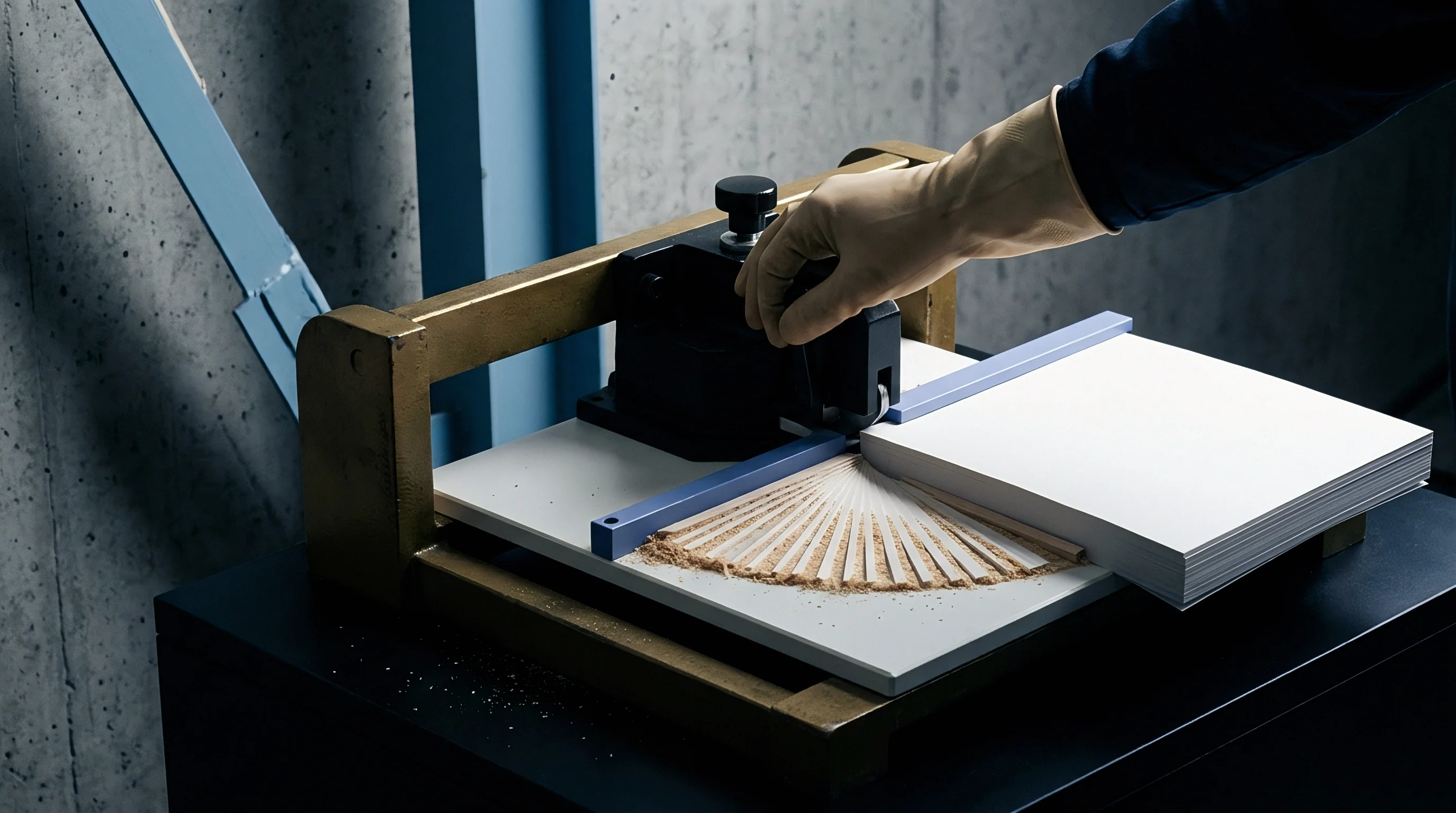
Mechanically securing paperboard blanks during flatbed die-cutting maintains scoring plane stability. Hold-down pressure from polyurethane ejection rubbers around the rule influences how internal shear stress propagates. Insufficient clamping allows the sheet to draw inward laterally as the male rule engages, altering effective matrix width and skewing the shear failure angle in hornified middle plies.
High-speed converting equipment applies shear loads within milliseconds of rule engagement. Because cellulosic fibers exhibit strain-rate hardening, high-impact speeds raise apparent shear yield stress while reducing strain to failure. For hornified secondary board, fast press speeds turn marginally acceptable ply shear into catastrophic surface cracking.
DIN 55437 specifies maximum permitted deviation in crease depth at zero point zero two millimeters across the full die sheet width.
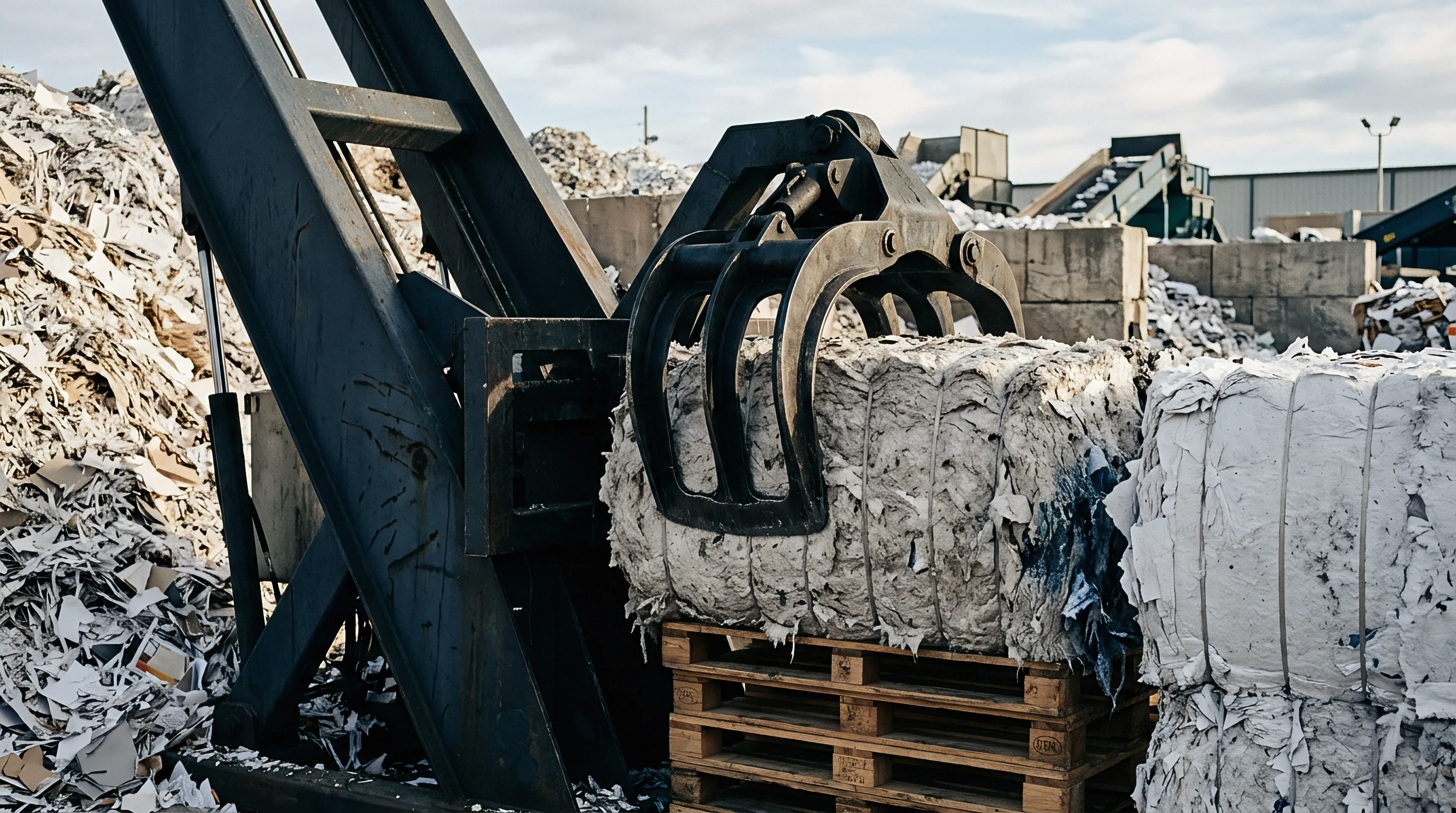
Matrix Channel Width Selection for Hornified Board
Groove dimensions must accommodate twice the board thickness plus rule thickness without binding. When processing hornified secondary board under fluctuating humidity, standard matrix selection charts intended for virgin board fail. The increased stiffness of hornified plies requires a wider female matrix channel to reduce local shear concentrations as the score begins to penetrate.
| Board Caliper Range (mm) | Target Content Type | Male Rule Thickness (mm) | Matrix Channel Width Formula | Matrix Depth (mm) |
|---|---|---|---|---|
| 0.30 – 0.45 | >60% Secondary Fiber | 0.71 (2 Pt) | Width = 1.4 x Caliper + 0.71 mm | Caliper + 0.05 mm |
| 0.46 – 0.60 | >60% Secondary Fiber | 1.05 (3 Pt) | Width = 1.5 x Caliper + 1.05 mm | Caliper + 0.10 mm |
| 0.61 – 0.80 | >80% Secondary Fiber | 1.05 (3 Pt) | Width = 1.6 x Caliper + 1.05 mm | Caliper + 0.15 mm |
Purchase contracts invoking ISO 12647-2 bind board caliper variation to plus or minus five percent of nominal targets, invalidating defect claims when convertors run tooling outside specified tolerances.


Fracture
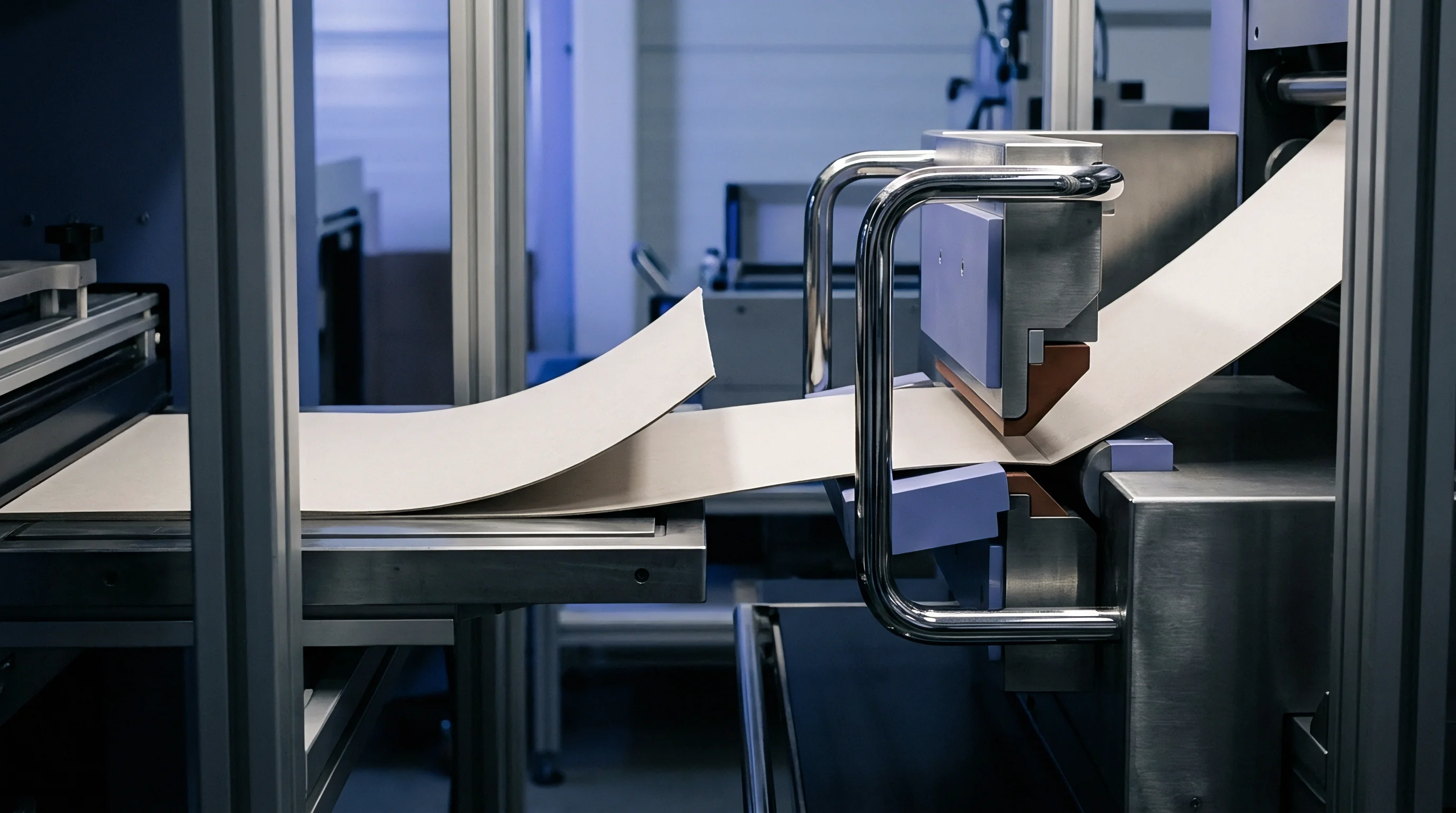
Strain Energy Release Rate in Shear Delamination
Out-of-plane shear deformation causes micro-cracking within interior paperboard plies under severe bending. Fracture mechanics models this failure using mode two strain energy release rates. As the creasing rule forces board into the female matrix, mechanical work is stored as elastic strain energy in the fiber network; once the release rate exceeds critical interface toughness, a crack initiates and propagates parallel to the ply boundary.
Mode two crack propagation measures how bonded fiber networks resist sliding shear stress. Hornified secondary fibers show low critical mode two toughness because they lack micro-fibrillar entanglements across the interface. While moisture increases energy dissipation through matrix viscoelasticity, high water content simultaneously lowers the stress threshold needed to initiate crack growth.
Plies containing heavily hornified secondary furnish collapse into dense shear planes rather than delaminating evenly through thickness.

Mathematical Formulations for Rupture Envelope Prediction
Predicting failure boundaries under complex loading relies on yield surface equations adapted from composite materials science. The Tsai-Wu stress failure criterion models anisotropic interactions between outer-liner normal tensile stresses and internal-ply transverse shear stresses, using interactive terms to pinpoint when combined loading triggers interface rupture during sixty- and ninety-degree carton folding.
The mathematical formulation for the secondary fiber interface rupture envelope takes the following tensor interaction form under combined stress conditions:
F_11 sigma_1^2 + F_22 sigma_2^2 + F_33 sigma_3^2 + 2 F_12 sigma_1 sigma_2 + 2 F_13 sigma_1 sigma_3 + 2 F_23 sigma_2 sigma_3 + F_44 tau_23^2 + F_55 tau_13^2 + F_66 tau_12^2 = 1
Here, sigma_1 and sigma_2 represent in-plane tensile stresses, sigma_3 represents z-direction normal stress, and tau_13 and tau_23 represent out-of-plane shear stresses along inter-ply interfaces. The empirical interaction coefficients F_ij scale with the furnish hornification index. As re-wetting capacity drops, F_55 and F_44 increase exponentially, narrowing the allowable shear stress envelope before delamination becomes full rupture.
- Yield criterion calibration demands testing out-of-plane shear moduli across varied relative humidity levels.
- Layer thickness mapping identifies thin secondary plies prone to premature catastrophic shear rupture.
- Moisture cycle limits establish upper boundaries for ambient storage prior to die-cutting passes.
- Surface coat flexibilization prevents top-ply tensile cracking when underlying fiber beds yield in shear.
Extrusion lamination or water-based barrier coatings alter moisture diffusion rates into the board. If a coated sheet absorbs moisture from the uncoated reverse side, an unbalanced hygroexpansion gradient develops across its thickness. This asymmetry shifts the neutral axis during creasing, substantially raising shear stress along the hornified interface directly beneath the barrier film.
A scoring setup optimized for dry virgin paperboard will shear through hornified secondary fibers once ambient moisture rises above sixty percent.
Valuation
Spoilage Economics in High-Recycled Boxboard Runs
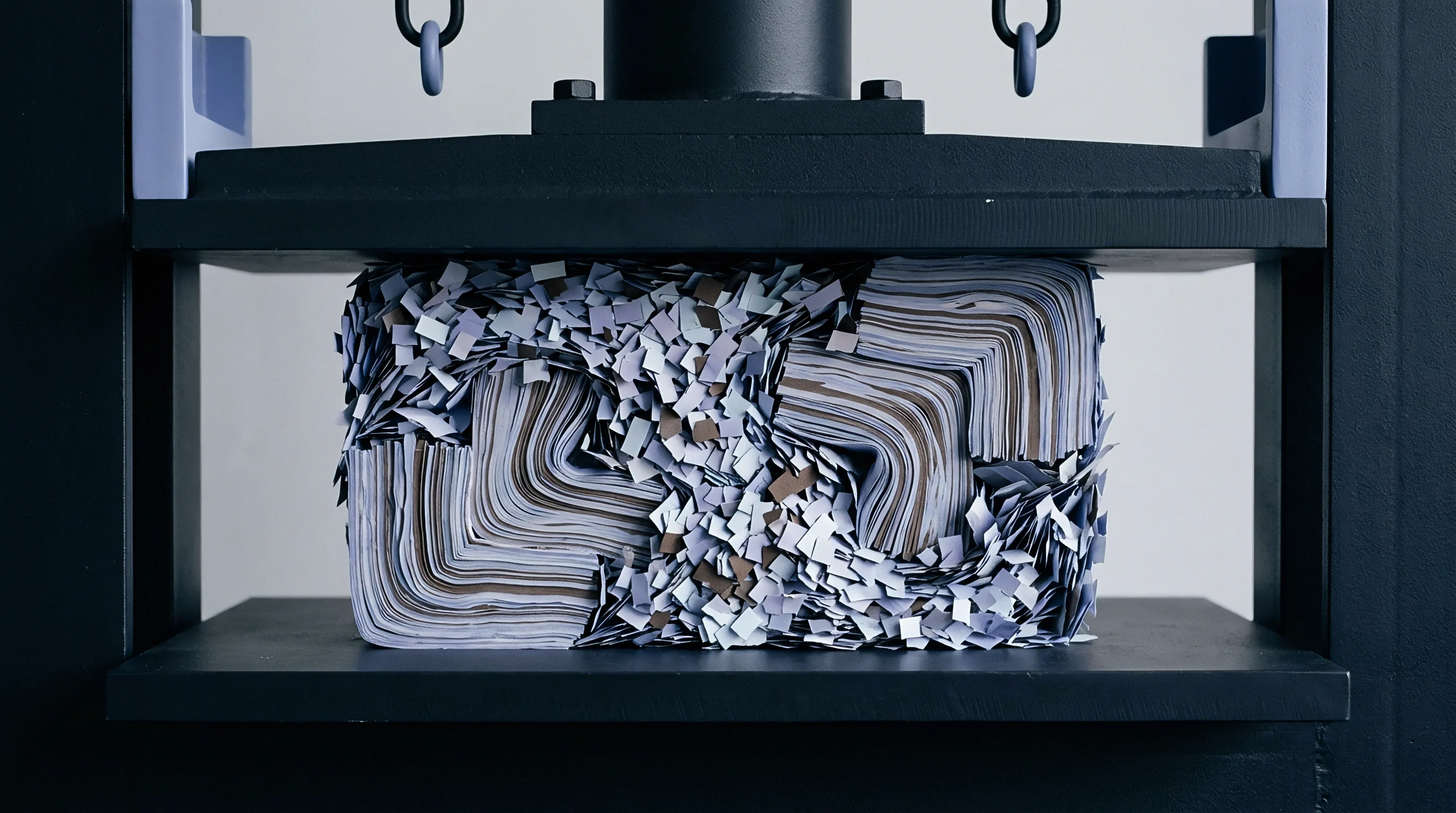
Financial losses during high-speed converting runs stem directly from substrate instability, with total waste reflecting setup scrap sheets and speed-dependent misfeeds. When running high-recycled board with hornified middle plies in variable humidity, operators often slow press speeds to avoid score line rupture. Slowing a folding box machine from fourteen thousand to ten thousand sheets per hour increases effective hourly press costs on the job.
While substrate prices favor recycled board over virgin kraft, true landed cost calculations must balance sheet purchase price against scrap rates, make-ready downtime, and potential customer batch rejections. A worked scenario illustrates these commercial dynamics for a fifty-thousand carton run on 400 gsm board.
Consider a fifty-thousand carton job comparing two substrate options. Option A uses 100 percent Virgin Folding Boxboard priced at 1,550 EUR per tonne. Option B uses 80 percent Recycled White Lined Chipboard priced at 1,150 EUR per tonne.
In unconditioned warehouse storage exposed to fluctuating humidity, Option B suffers an eight point five percent scrap rate from score cracking and folder-gluer jams, compared to one point eight percent for Option A. Option B also requires two point five hours of extra make-ready press tuning at 220 EUR per hour.
| Cost Component | Option A: 100% Virgin FBB | Option B: 80% Recycled WLC |
|---|---|---|
| Base Substrate Price / Tonne | 1,550 EUR | 1,150 EUR |
| Substrate Cost for Run | 6,200 EUR | 4,600 EUR |
| Waste Allowance Spoilage Cost | 111 EUR | 391 EUR |
| Extended Make-Ready Cost | 0 EUR | 550 EUR |
| Net Conversion Cost / 1,000 Packs | 148.20 EUR | 142.50 EUR |
| EPR Eco-Modulation Fee / 1,000 Packs | 12.00 EUR | 3.50 EUR |
| Final Landed Cost / 1,000 Packs | 160.20 EUR | 146.00 EUR |
Commercial Tradeoffs of Polymeric Surface Passes
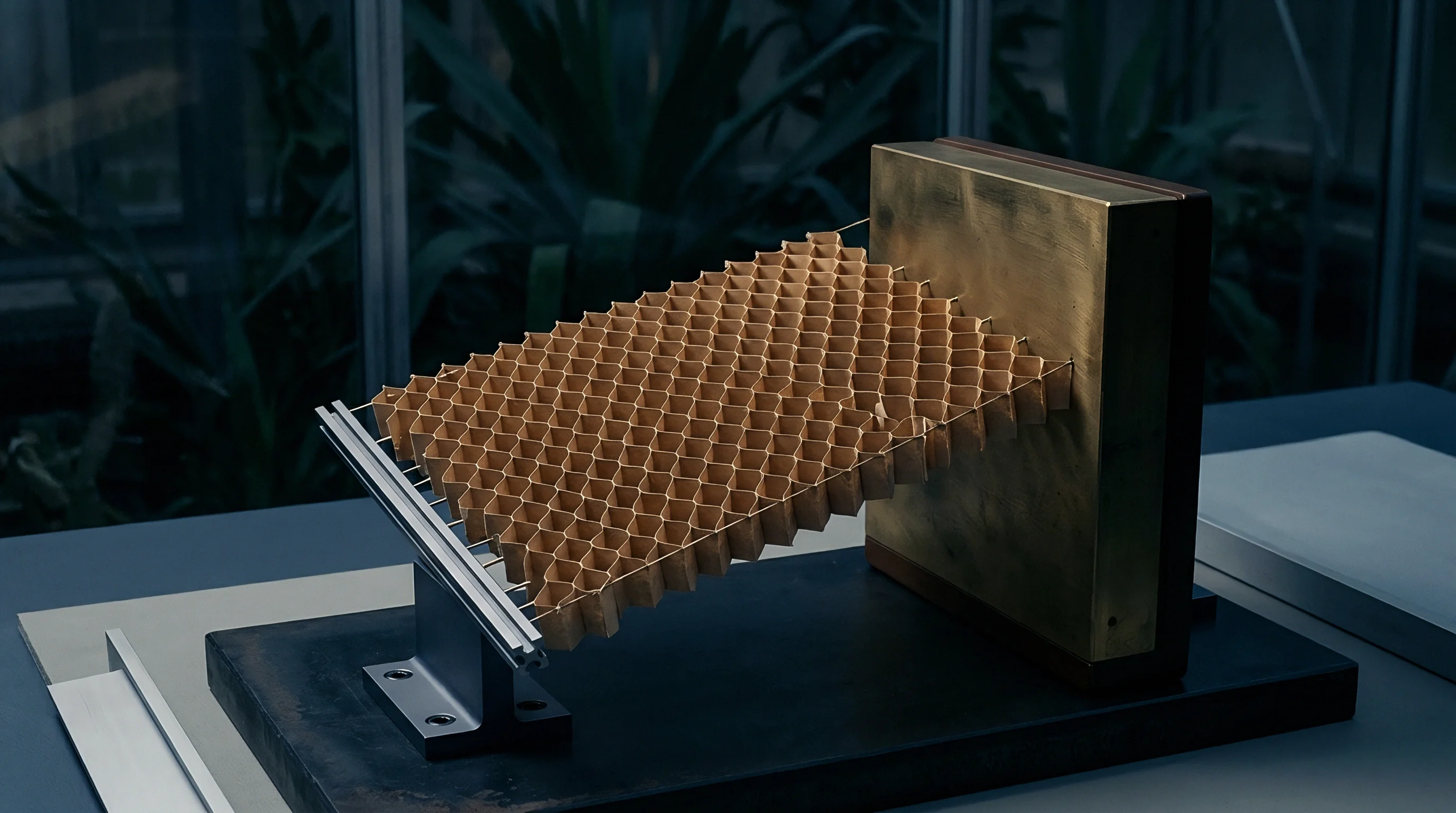
Applying water-based acrylic dispersion coatings improves surface crack resistance, protecting outer liners against tension splitting over creased edges and offsetting brittle shear in hornified interior plies. However, adding an offline coating pass extends lead times by twenty-four hours and adds zero point zero three EUR per sheet in raw material costs while affecting repulpability scoring.
Extended Producer Responsibility legislation imposes financial penalties on packaging designs incorporating non-separable plastic films or uncertified barrier coatings under recycling schemes such as EN 13430. Conversely, mono-material designs with high secondary fiber content receive maximum eco-modulation fee discounts. Balancing material choice against waste rates requires accounting for both substrate price differences and recycling compliance fees.
Converting lines running high recycled content cartonboard from unconditioned storage face persistent yield fluctuations until physical humidity controls and scoring die geometry updates operate in tandem.