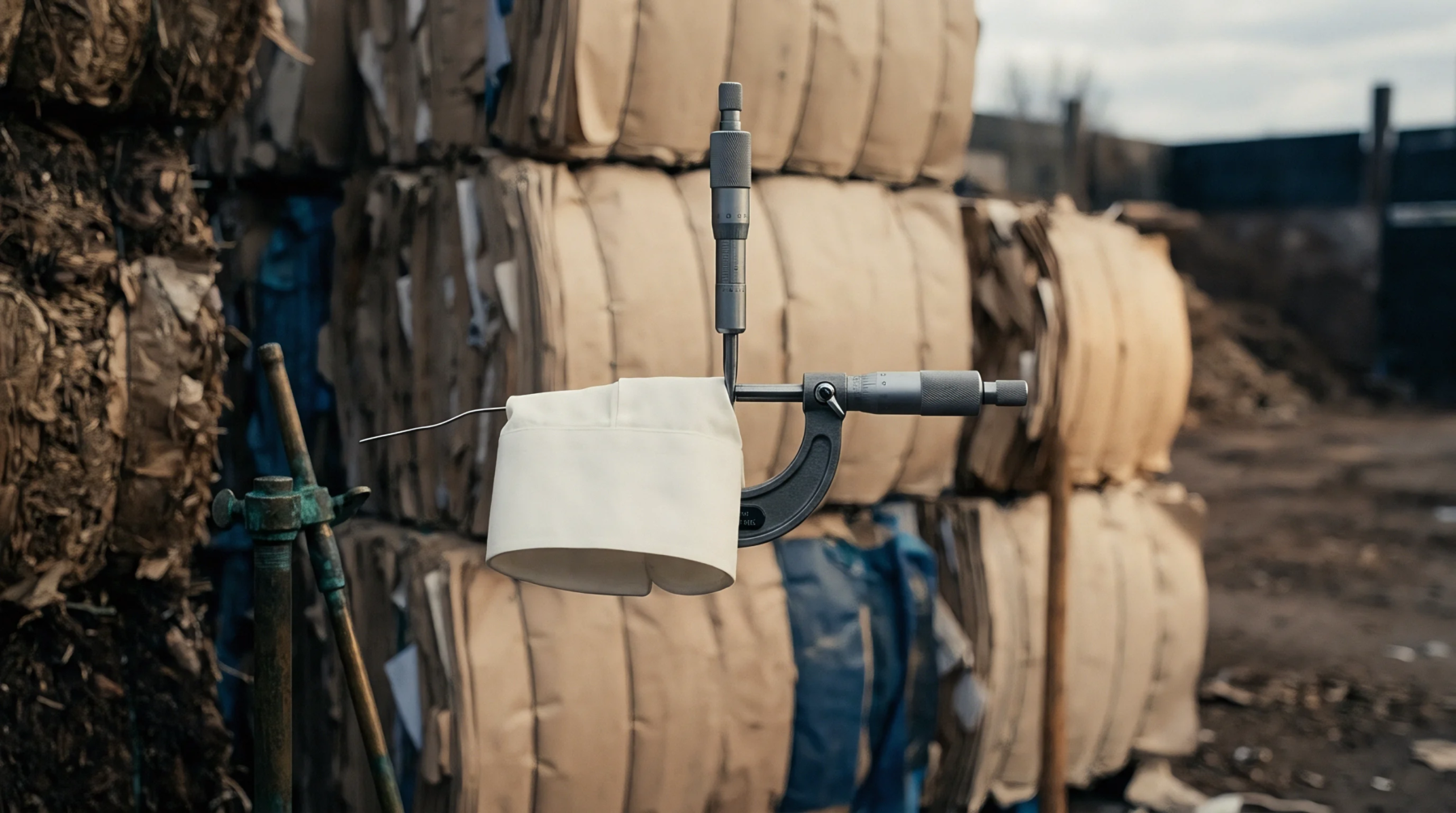
Recyclability Assessment Metric
Standardized laboratory testing measures the percentage yield of reusable cellulose fibers recovered from coated, printed, or treated paperboard substrates following mechanical disintegration in water. Converted packaging materials subjected to standard disintegration protocols generate a repulpability score based on total usable fiber recovery versus discarded non-repulpable rejects. Testing protocols developed by organizations like the Fibre Box Association, PTS, and CEPI disintegrate sample materials under specified consistency, temperature, and duration conditions.
Laboratory screens separate clean papermaking fibers from unseparated polymer coatings, hot-melt adhesives, foil fragments, and wet-strength resin flakes. Packaging designs must meet established minimum fiber yield thresholds to achieve commercial recyclability certification.
Disintegration Testing Protocol
Testing begins by placing measured packaging specimens into a standard laboratory hydrapulper containing water at forty to fifty degrees Celsius with a neutral pH level. Mechanical rotors agitate the slurry for specified intervals, breaking hydrogen bonds between fibers while shearing applied coatings and functional barrier layers. The resulting pulp suspension passes through standardized vibrating flat screens, typically featuring slot widths of zero-point-one-five millimeters, to separate accepts from rejects.
Usable fibers passing through the screen collect on fine filter media, dry in ovens, and undergo mass balance calculations against initial dry input weights. Rejects comprising unbroken paper flakes, barrier film fragments, and synthetic laminates are dried and weighed separately to determine total process loss percentages. High scores confirm that paper packaging easily separates into clean, pumpable fiber stock inside commercial paper recycling mills.
Assessment Limit Boundary
Biodegradation testing, industrial composting rates, and anaerobic digestion measurements evaluate biological breakdown rather than mechanical aqueous repulpability metrics. Chemical de-inking efficiency evaluations measuring optical brightness and dirt count represent a distinct recycling metric separate from mechanical fiber yield calculations. Packaging utilizing structural wet-strength chemistry, unhydrolyzed wax coatings, or heavy two-sided polyethylene laminates often fails standard repulpability criteria due to excessive screening rejects.
Fiber length distribution analysis and recycled sheet mechanical strength testing represent secondary pulp quality evaluations outside initial repulpability scoring. The score applies strictly to the mechanical separation efficiency of cellulosic fiber from applied coatings and additives during standard aqueous pulping.