Discrepancy Resolution Mechanisms for Mass Reconciliation in Secondary Fibre Supply Chains
Secondary fibre mass reconciliation resolves invoice weight discrepancies by auditing moisture loss, outthrow fractions, and mill yields against certified ledgers.


Intake
Gross vehicle weight tickets recorded at the mill weighbridge present immediate variances against shipping manifests. Secondary fibre deliveries carry ambient water, baling wire, and unsegregated contraries that inflate physical mass beyond invoice specifications. When a truck scales in at 42,400 kilograms against a dispatch bill of 40,000 kilograms, the receiving facility faces an administrative conflict before unloading begins.
The certified chain of custody requires physical dry matter accounting rather than gross incoming tonnage. Processing mills apply deduction formulas to align receipt ledgers with certified credit allocations, preventing volume inflation within credit accounts.
Incoming loads of recovered paper fall under defined merchantability rules governed by European Standard EN 643. Outthrow levels dictate whether a shipment qualifies as delivered stock or warrants downgrade or rejection. Prohibitive materials such as asphalt tape, synthetic films, wax coatings, and metal scrap create processing waste and alter the reconciliation ratio.
When outthrow exceeds contracted limits, the buyer issues an immediate non-conformance docket to adjust the settlement weight.
- Uncertified moisture weight enters the facility when baled recovered paper absorbs atmospheric precipitation during flatbed transit.
- Prohibitive material inclusion introduces non-cellulosic items exceeding the EN 643 threshold of one half percent by weight.
- Baling wire tare discrepancy arises when actual wire mass deviates from the standard deduction of one percent.
- Grade cross contamination occurs when lower value mixed papers dilute sorted corrugated containers or white ledger stock.
Moisture testing establishes the baseline for net dry fibre calculation. Technicians extract core samples from bales using mechanical augers according to procedures outlined in ISO 287. Recovered paper typically holds an equilibrium moisture content between nine and twelve percent.
Shipments arriving above the agreed tolerance of twelve percent incur financial and mass deductions. If core samples show an average moisture of eighteen percent, the receiving clerk strikes six percent of total shipment mass from the certified ledger balance. That deduction prevents fictitious volume from entering the certified product group.
Baled secondary fibre containing eighteen percent moisture incurs an immediate six percent weight deduction against commercial payment and certified credit ledgers under standard twelve percent baseline contracts.
A supplier facing a weight deduction often counters that atmospheric humidity during freight altered the moisture profile without reducing intrinsic fibre yield.

Sieve
Hydro-pulper extraction separates usable cellulose from heavy contraries and particulate debris. Non-paper components fall out through the detrashing system, leaving clean slurry for processing. The gravimetric yield across this mechanical phase determines the conversion factor applied to mass balance accounts.
In virgin papermaking, yield factors hover predictably near ninety-five percent for chemical pulp. Secondary fibre processing exhibits volatile yield profiles driven by contamination levels, ash content, and fibre shortening. A mill charging 100 tonnes of recovered corrugated stock into a continuous pulper rarely recovers 100 tonnes of machine-ready pulp.
Outthrow Fractions and Rejects
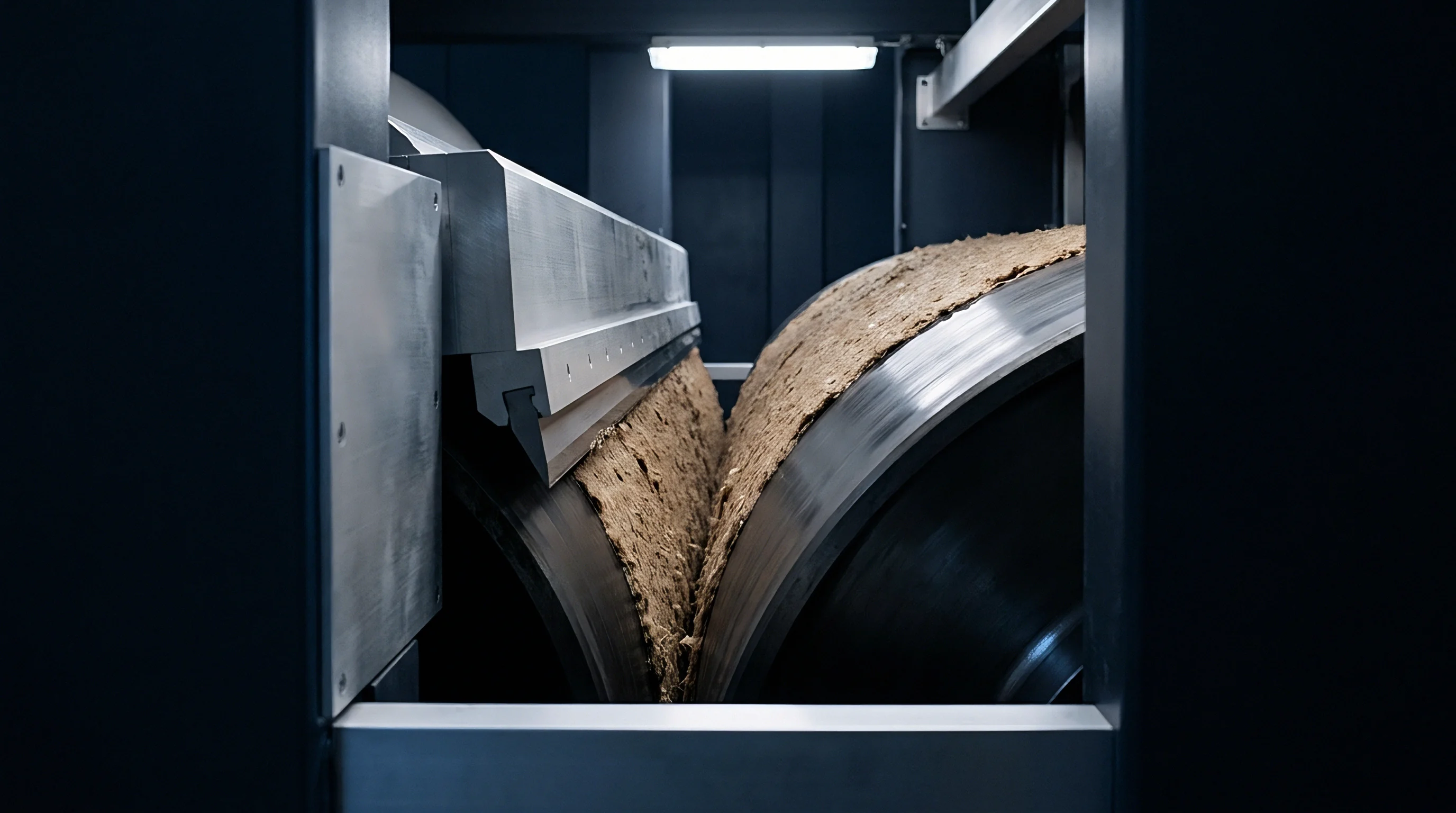
Mechanical screening separates contaminants across varying perforated drum sizes. Coarse screens isolate large plastic sheets, wood splinters, and metal fragments. Fine slotted screens capture micro-plastics, adhesives, and hot melts known as stickies.
Technicians weigh reject streams in dry metric tonnes to calculate true mechanical loss. Ash testing via furnace combustion at 525 degrees Celsius according to ISO 2144 measures mineral fillers like calcium carbonate and clay coatings. Mineral loads in magazine stock and coated folding boxboard easily exceed twenty-five percent of raw delivery mass.
| EN 643 Grade | Maximum Outthrow Allowed | Standard Moisture Baseline | Typical Pulper Ash Loss | Net Mechanical Yield |
|---|---|---|---|---|
| 1.02.00 (Mixed Papers) | 1.50 % | 10.0 % | 14.0 % to 22.0 % | 68.0 % to 74.0 % |
| 1.05.00 (Old Corrugated Containers) | 1.00 % | 12.0 % | 4.0 % to 8.0 % | 82.0 % to 87.0 % |
| 2.05.00 (Sorted Office Paper) | 0.50 % | 10.0 % | 18.0 % to 28.0 % | 65.0 % to 72.0 % |
| 3.12.00 (White Woodfree Shavings) | 0.25 % | 9.0 % | 2.0 % to 5.0 % | 92.0 % to 96.0 % |
| 4.01.00 (New Corrugated Trimmings) | 0.50 % | 10.0 % | 3.0 % to 6.0 % | 89.0 % to 93.0 % |
The test laboratory calculates real yield by subtracting combined screen rejects, flotation sludge, and ash loss from bone-dry raw material mass. Flotation deinking systems remove ink particles, but this mechanical foam entraps good short fibres alongside pigment. Mills processing sorted office paper lose substantial volume in deinking dewatering presses.
When reconciliation software tracks incoming certified tonnage against finished output, it applies this calculated yield factor. An unadjusted 1:1 mass transfer input-to-output assumption distorts chain of custody accounts. The audit team recalculates site conversion ratios every quarter to reflect actual operational reject volumes.
ISO 2144 ash determination reveals mineral filler losses up to twenty-eight percent in deinked secondary fibre stocks before mechanical fibre screening begins.
Fibre lost to the reject sewer cannot support a commercial label on the finished reel.


Variance
Book entries in chain of custody credit systems drift away from physical inventory when mass balance accounts accumulate unverified input credits. Under both FSC-STD-40-004 and PEFC ST 2002, certified processing facilities use physical separation, percentage calculation, or credit accounting. Secondary packaging production relies predominantly on the credit system because recovered pulp blends continuously in chests.
The credit system permits a site to sell a portion of output with high recycled claims while selling remaining balances without claims. Mathematical discrepancies appear when physical mill yield falls below the theoretical conversion factor loaded into enterprise software.

Which Allocation Methods Prevent Mass Balance Inflation?
Credit deduction timing dictates whether an account remains compliant during annual surveillance audits. When a mill inputs 1,000 tonnes of certified post-consumer corrugated material, the software credits the account using a historical yield factor, typically 0.85. If pulper mechanical issues drive real run yields down to 0.78, the credit account overstates certified inventory by seventy tonnes.
Auditing standards establish clear expiration rules for credits. FSC-STD-40-004 sets a maximum credit lifespan of twenty-four months, while PEFC restricts credit balance carryover to twelve months.
- Audit physical input tonnage against delivery receipts, adjusting for verified moisture deviations recorded at the scales.
- Recalculate site conversion factors based on rolling twelve-month average pulper, screening, and conversion line yields.
- Write off excess ledger credits when periodic physical inventory reveals that warehouse stock contains fewer physical units than the credit register claims.
- Adjust sales allocations retroactively if an auditor identifies uncorrected negative balances at the end of a reconciliation period.
Multi-site certificates complicate ledger governance. Central offices often attempt to pool credits across separate manufacturing lines or distinct legal entities. Scheme rules prohibit the transfer of credit accounts between sites unless all facilities share identical ownership and operate within the same country or trade zone.
Credit transfer between distinct mill locations requires physical movement of fibre stock alongside the certificate data. Auditors identify cross-border paper trades where credit balances shift electronically between tax entities without corresponding pulp or reel logistics.
| Accounting Mechanism | FSC-STD-40-004 V3-1 | PEFC ST 2002:2020 | ISO 22095 (Mass Balance) |
|---|---|---|---|
| Credit Account Shelf Life | 24 months maximum | 12 months maximum | Defined by scheme operator |
| Multi-Site Credit Sharing | Restricted to single tax jurisdiction | Prohibited across distant physical sites | Permitted under defined balance boundaries |
| Negative Balance Tolerance | Zero balance carryover allowed | Zero balance carryover allowed | Requires strict deficit clearance windows |
| Conversion Factor Review | Annual minimum review | Annual minimum review | Continuous batch or periodic batch |
| Data compiled from current normative standards governing secondary fibre traceability and credit accounting rules. | |||
Discrepancies discovered during third-party mass balance audits require immediate manual adjustment of credit ledgers. When credits exceed real physical goods in warehouse inventory, the management team must cancel the unbacked balances. Failure to clean the register leads to major non-conformities that risk suspension of certificate validity.
When an audit team detects deliberate manipulation of conversion yields to manufacture fictitious credits, termination follows swiftly.
FSC-STD-40-004 Clause 5.3 mandates immediate cancellation of credit account balances exceeding twenty-four months of storage without physical sale.
Under standard supplier procurement terms, delivery shortfalls exceeding two percent trigger compensatory credit debits on subsequent invoicing cycles.

Arbitration
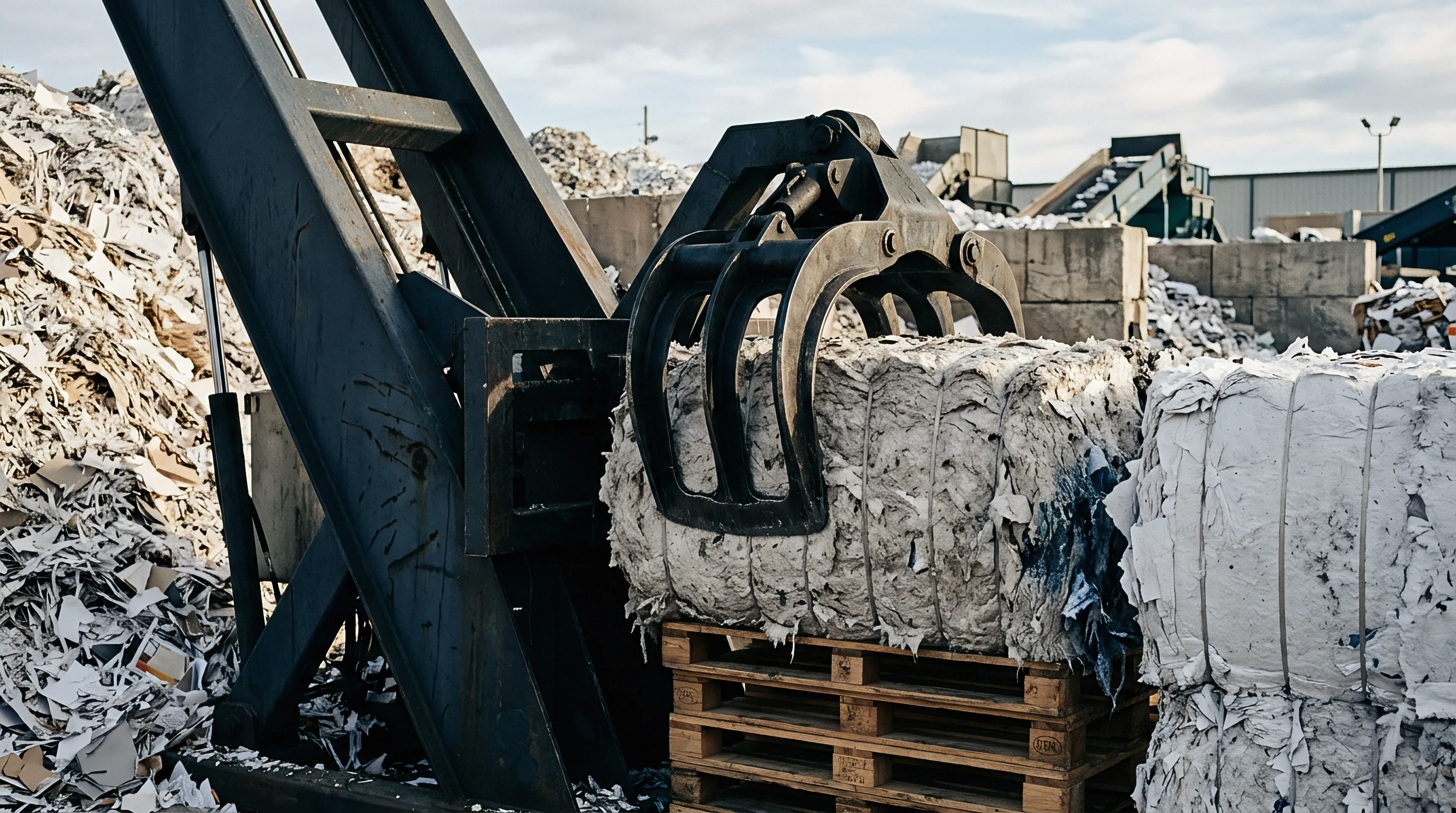
Commercial contracts between recovered paper merchants and paper mills outline binding processes for settling intake disputes. Disagreements arise when a mill downgrades an entire railcar from Grade 1.05.00 to Grade 1.02.00, slashing the purchase price per tonne. The merchant demands proof that non-paper contraries exceeded the contractual one percent allowance.
If the mill unloaded the shipment into a storage bay before the merchant inspected the material, chain of evidence breaks down. Clear legal frameworks require retention of rejected material in an untouched state until both parties agree on an inspection protocol.

Whose Laboratory Governs Contested Mill Reject Rates?
Independent inspection protocols follow guidelines established in European Standard EN 17085 for sampling recovered paper shipments. When an intake dispute triggers third-party verification, an accredited inspection body visits the delivery dock. The independent surveyor selects sample bales according to a square-root sampling calculation based on total lot size.
Technicians break open selected bales, manually separating paper grades, prohibited plastics, glass, and moisture cores in an on-site testing zone. The resulting mass fraction report serves as the final arbitration basis for financial credit memos.
Arbitration procedures follow a progressive evidentiary path:
- Photographic intake dockets provide immediate visual proof of obvious contamination, broken bales, or foreign body inclusions upon arrival.
- Weighbridge tare verification certificates confirm scale calibration validity performed within national legal metrology tolerances.
- Accredited core analysis reports deliver legally defensible moisture data under ISO 287 oven drying conditions.
- Third-party outthrow fractioning results establish the binding percentage of non-cellulosic debris and uncontracted paper grades.
Dispute resolution contracts assign sampling and lab testing costs to the losing party. If the independent analysis confirms that outthrow levels fell within contractual limits, the paper mill pays all testing fees and honours the initial invoice value. If the analysis validates the mill’s claim of heavy contraries or excess moisture, the merchant absorbs testing charges and credits the mill for rejected mass.
Clear commercial contracts incorporate standard CEPI arbitration clauses to avoid costly litigation in municipal courts.
The unresolved question remains whether emerging sensor-based scanning systems on pulper conveyors can produce legally defensible real-time yield data that replaces manual bale core sampling during contract disputes.

Penalty
Regulatory frameworks across international markets now punish unsupported recycled content declarations with severe fiscal measures. Corporate environmental marketing laws target false recycled paper and board packaging claims. The European Packaging and Packaging Waste Regulation Article 7 establishes mandatory post-consumer recycled content percentages for packaging formats by 2030.
Sourcing desks declaring twenty-five percent recycled paperboard while maintaining unverified mass reconciliation ledgers face immediate border exposure. Customs authorities seize shipments when accompanying compliance dossiers lack verifiable chain of custody documentation.
Under revised Green Claims rules, national market surveillance authorities examine the evidentiary bridge connecting the finished product to secondary raw material receipts. A declaration stating eighty percent post-consumer content supported merely by an unverified merchant invoice fails legal muster. If mass balance ledgers reveal credit overdrafts, authorities classify the printed claim as misleading commercial conduct.
National consumer protection agencies levy fines calculated as percentages of annual company turnover. Directors carry personal liability for environmental declarations signed without auditable mass balance proof.
Extended Producer Responsibility organisations adjust fee modulations according to validated packaging compositions. Packaging constructed from verified secondary fibre attracts reduced eco-contributions per tonne. When mass balance audits uncover that packaging declared as recycled contains virgin fibre due to ledger overstatement, the scheme back-bills eco-contributions with punitive interest.
The packaging producer loses approved register status, leading directly to retailer delisting across major supermarket accounts. Supermarket buyers operate strict compliance filters that cancel vendor codes upon news of packaging claim investigations.
Article 7 compliance under packaging waste regulations requires documentary proof tracing physical secondary raw material lots to verified weighbridge tickets and conversion logs.
A false recycled mass claim discovered by customs officials leads to immediate shipment confiscation and administrative fines reaching four percent of the importer’s annual member state turnover.