Analytical Distinctions and Regulatory Thresholds Governing Polycyclic Aromatic Hydrocarbons in Recycled Fibre Packaging Systems
Recycled board PAH compliance relies on toluene GC-MS analysis to distinguish carcinogenic aromatic rings from mineral oil matrices for REACH entry 50.


Stock
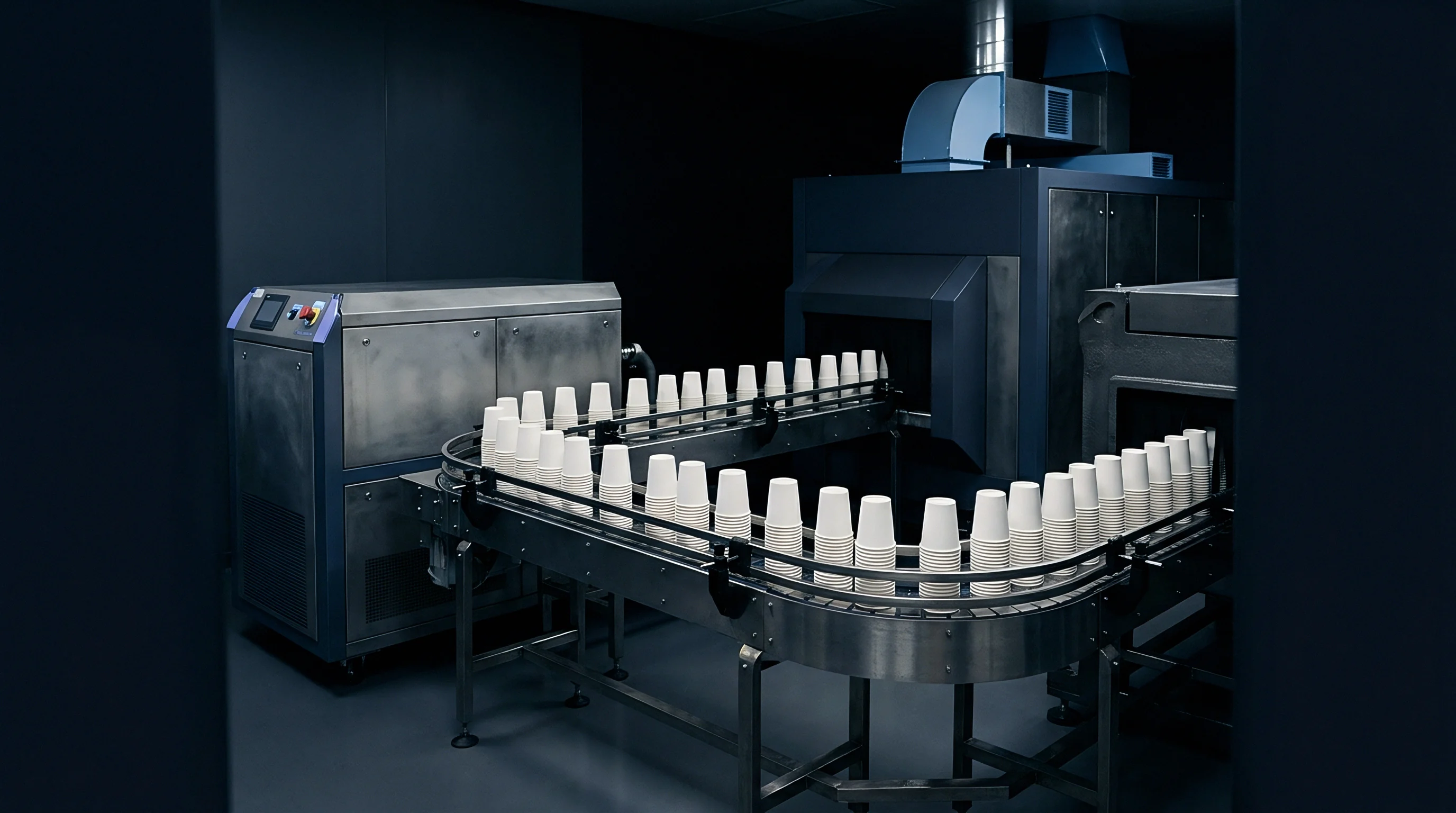
Recovered paper fibers carry chemical residues from prior print cycles, mineral oil solvents, and carbon black pigments. Processing post-consumer packaging waste back into paperboard reintroduces complex chemical fractions that complicate compliance with European food contact regulations. Understanding the precise origins of polycyclic aromatic hydrocarbons within post-consumer fiber streams allows packaging buyers to identify risk vectors before committing capital to mill production runs.
Origins of Polycyclic Aromatic Hydrocarbons in Recovered Pulp
Incomplete combustion during carbon black manufacturing creates stable multi-ring aromatic structures that adhere to cellulose fibers. Newspaper offset inks historically relied on high concentrations of untreated carbon black pigments suspended in mineral oil distillate fractions. Coldset printing processes transfer these aromatic constituents deep into the fiber matrix, where conventional deinking operations fail to detach them.
Paper fibers retain lipophilic compounds.
Deinking technologies clean surface inks effectively while leaving deeply embedded pigment particles within the secondary fiber wall. Recycling newsprint alongside corrugated containers blends high-PAH graphic papers with unbleached kraft fibers, distributing aromatic contamination throughout middle plies of cartonboard. Secondary contamination occurs when mineral-oil-based solvents and heat-set ink vehicles evaporate during repulping and re-adsorb onto recovered pulps.
Carbon black introduces heavy aromatic rings.
Carbon black pigment residues in recycled paper fibers account for over eighty percent of detected heavy polycyclic aromatic hydrocarbon concentrations.
Offset printing inks contain mineral oil fractions rich in both aliphatic saturated hydrocarbons and aromatic species. While volatile aliphatic components evaporate during paper drying, four-to-six-ring aromatic hydrocarbons remain permanently bound within recycled fiber networks due to low vapor pressures and high hydrophobic affinity for cellulose.

Structural Differentiation between PAHs and Mineral Oil Aromatic Hydrocarbons
Unsubstituted multi-ring aromatic networks form discrete chemical entities, whereas alkylated aromatic fractions present complex isomeric mixtures across boiling ranges. Analytical chemistry distinguishes polycyclic aromatic hydrocarbons from mineral oil aromatic hydrocarbons through structural geometry and alkylation patterns. Polycyclic aromatic hydrocarbons consist of fused benzene rings lacking side chains, such as benzo(a)pyrene, chrysene, and benz(a)anthracene.
Carcinogenic profiles dictate regulatory action.
Mineral oil aromatic hydrocarbons comprise highly alkylated mono-, di-, and tri-aromatic rings derived from crude oil refining fractions. These alkylated species form an unresolved complex mixture during chromatographic separation, showing as a continuous hump on gas chromatography flame ionization detector traces. Specific unsubstituted polycyclic aromatic hydrocarbons present distinct, sharp chromatographic peaks resting above or within this mineral oil background.
Target compounds carry distinct carcinogenic potency factors established by toxicological panels, whereas general mineral oil aromatic hydrocarbons carry broader systemic toxicity concerns. Mills routinely explain that complete removal of black pigment particles from recovered newsprint remains technically unfeasible without destroying pulp fiber length.
- Offset Ink Pigments introduce four-to-six ring fused aromatics via heavy carbon black particles that resist standard flotation deinking.
- Graphic Paper Solvents release low-molecular-weight aromatic carriers during repulping that contaminate clean virgin kraft fibers in mixed pulpers.
- Recovered Newsprint Fractions raise baseline benzo(a)pyrene concentrations in recycled cartonboard middle plies above food contact safety thresholds.
- Recycled Adhesive Resins contain tackifying oils that contribute alkylated and unsubstituted aromatic species to recovered pulp batches.


Extract
Quantifying multi-ring aromatic compounds in paper substrates depends on breaking the physical adsorption between pigment particles and cellulose networks. Analytical laboratories employ divergent sample preparation routines that yield vastly different chemical measurements on identical recycled board samples. Buyers specifying packaging compliance must verify the exact extraction protocols applied by testing houses.

Solvent Selection Dynamics and Matrix Interaction
Non-polar aliphatic solvents fail to liberate heavy carcinogenic rings bound within carbon black agglomerates. Solvents like hexane or cyclohexane dissolve free mineral oils on fiber surfaces but leave four-to-six-ring aromatic compounds trapped inside pigment pores. Toluene breaks binding matrix forces.
Hexane yields incomplete polycyclic recovery.
Polar aromatic solvents like toluene or dichloromethane penetrate cellulose pore networks and desorb polycyclic compounds from active carbon black surfaces. Testing with hexane yields benzo(a)pyrene concentrations near zero, whereas toluene extraction on the same sample reveals levels exceeding regulatory limits. Temperature during extraction alters desorption kinetics.
Pressurized liquid extraction using toluene at 100 degrees Celsius yields complete recovery of six-ring species like benzo(g,h,i)perylene within twenty minutes, whereas cold solvent shaking extracts less than fifteen percent of bound analytes.
Benzo(a)pyrene extraction from 250 g/m² recycled board reaches 0.14 mg/kg when tested using toluene Soxhlet extraction for 6 hours at 110 degrees Celsius.
Soxhlet extraction for six hours using toluene represents the reference benchmark for total content determination in paperboard matrices. Ultrasonic extraction at room temperature provides rapid processing but underreports heavy aromatic congeners by failing to overcome planar stacking interactions between polycyclic molecules and carbon black basal planes.

Chromatographic Clean up and Mass Spectrometry Precision
Interfering lipids, resin acids, and alkylated mineral oils obscure trace analyte signals during gas chromatography runs. Extract clean-up procedures remove bulk matrix interferences through solid-phase extraction cartridges loaded with silica gel modified with silver nitrate or aluminum oxide. Silver nitrate modified silica selectively retains aromatic ring structures through pi-electron interactions while letting saturated aliphatic hydrocarbons pass through unretained.
Gas chromatography coupled with tandem mass spectrometry provides the selectivity necessary to quantify target polycyclic aromatic hydrocarbons within heavy mineral oil aromatic hydrocarbon background humps. Selected reaction monitoring modes isolate specific parent-to-product ion transitions, eliminating isobaric interferences from alkylated mineral oil isomers. High-performance liquid chromatography with fluorescence detection offers high sensitivity for native fluorescent species but struggles with co-eluting matrix components in heavily recycled paperboard extracts.
- Weigh exactly two grams of homogenized recycled paperboard cut into three-millimeter pieces.
- Add deuterated internal standard surrogate compounds directly to the dry fiber matrix.
- Perform Soxhlet extraction using toluene for six hours at reflux temperature.
- Concentrate the crude extract to one milliliter using rotary evaporation under low nitrogen flow.
- Pass the extract through a silica gel solid-phase extraction column conditioned with n-hexane.
- Elute target aromatic compounds using dichloromethane in hexane mixtures.
- Inject two microliters into a gas chromatograph coupled to a tandem mass spectrometer operating in electron ionization mode.
| Solvent System | Extraction Method | Temperature | Chrysene Recovery | Benzo(a)pyrene Recovery | Matrix Co-Extractives |
|---|---|---|---|---|---|
| n-Hexane | Shaking | 23°C | 22% | 11% | Low |
| Dichloromethane | Ultrasonic | 40°C | 68% | 54% | Moderate |
| Toluene | Soxhlet | 110°C | 98% | 96% | High |
| Toluene / Acetone (1:1) | Pressurized Liquid | 100°C | 101% | 99% | Very High |
| Data measured across 300 g/m² post-consumer recycled packaging chips containing 15% graphic newsprint fraction. | |||||
Whether standardized testing methods will eventually establish unified extraction conditions across all European testing laboratories remains unresolved.


Limits
Regulatory agencies establish target chemical bounds based on toxicological classifications and potential dietary exposure. Compliance criteria differ significantly between finished article content thresholds and specific migration limits into food simulants. Navigating these overlapping legal requirements prevents cross-border shipping delays and product holds.

Harmonization Discrepancies across European Safety Directives
National guidelines in Germany specify total concentration thresholds, while European Union REACH Annex XVII entry 50 targets individual carcinogenic congeners. REACH Annex XVII Entry 50 restricts eight polycyclic aromatic hydrocarbons to one milligram per kilogram individually in plastic or rubber components of consumer articles coming into prolonged skin contact. While paperboard is not explicitly governed by Entry 50 unless it contains synthetic polymer binders or coatings, enforcement authorities apply these single-congener thresholds during market surveillance assessments of recycled packaging.
The German Federal Institute for Risk Assessment Recommendation XXXVI governs paper and board for food contact. Recommendation XXXVI sets an explicit threshold where transfer of polycyclic aromatic hydrocarbons into food must remain non-detectable, using a detection limit of 0.01 milligrams per kilogram for food simulants. Council of Europe Resolution AP (2002) 1 recommends limiting total polycyclic aromatic hydrocarbon content in food-contact paperboard to prevent unacceptable dietary transfer.
Non-compliance with REACH Annex XVII Entry 50 threshold limits invalidates packaging import declarations at European Union customs checkpoints.
European Regulation EC 1935/2004 Article 3 sets the fundamental safety framework. Materials coming into direct or indirect food contact must not transfer constituents to food in quantities that endanger human health. Chemical analysis settles trade claims.
Untested reels cause customs rejection.

Where Do Functional Polymeric Coatings Fail against Vapor Transmission?
Low-density polyethylene films allow volatile aromatic molecules to permeate across internal packaging layers over extended storage periods. Polyethylene structures contain amorphous regions that act as solvent channels for non-polar aromatic compounds. Volatile three-and-four-ring species like phenanthrene, fluoranthene, and pyrene pass through standard low-density polyethylene coatings within weeks at ambient room temperatures.
Polar polymers like ethylene vinyl alcohol or polyvinyl alcohol provide gas barrier performance but lose efficacy when exposed to high ambient humidity. Functional bio-based barriers like cross-linked starch or modified cellulose coatings resist lipophilic migration while maintaining stability under varied atmospheric conditions. Testing barrier layers requires evaluating migration over the full declared shelf life of the packed food product.
| Regulatory Instrument | Scope | Target Analytes | Max Limit (Content) | Max Limit (Migration) |
|---|---|---|---|---|
| REACH Annex XVII Entry 50 | EU Consumer Articles | 8 Carcinogenic PAHs | 1.0 mg/kg per analyte | Not applicable |
| BfR Recommendation XXXVI | German Food Contact Paper | Target PAHs | Not specified | 0.01 mg/kg (Non-detect) |
| Council of Europe AP (2002) 1 | EU Guideline for Paper | Total PAHs | Guidance thresholds set | Article 3 Compliance |
| German Draft Mineral Oil Reg. | German Packaging Mandate | MOAH / Associated PAHs | Not specified | 0.15 mg/kg (Dry Simulant) |
Inserting REACH Annex XVII Entry 50 compliance warranties into raw material purchase orders shifts legal liability directly to the paperboard converter.

Filter
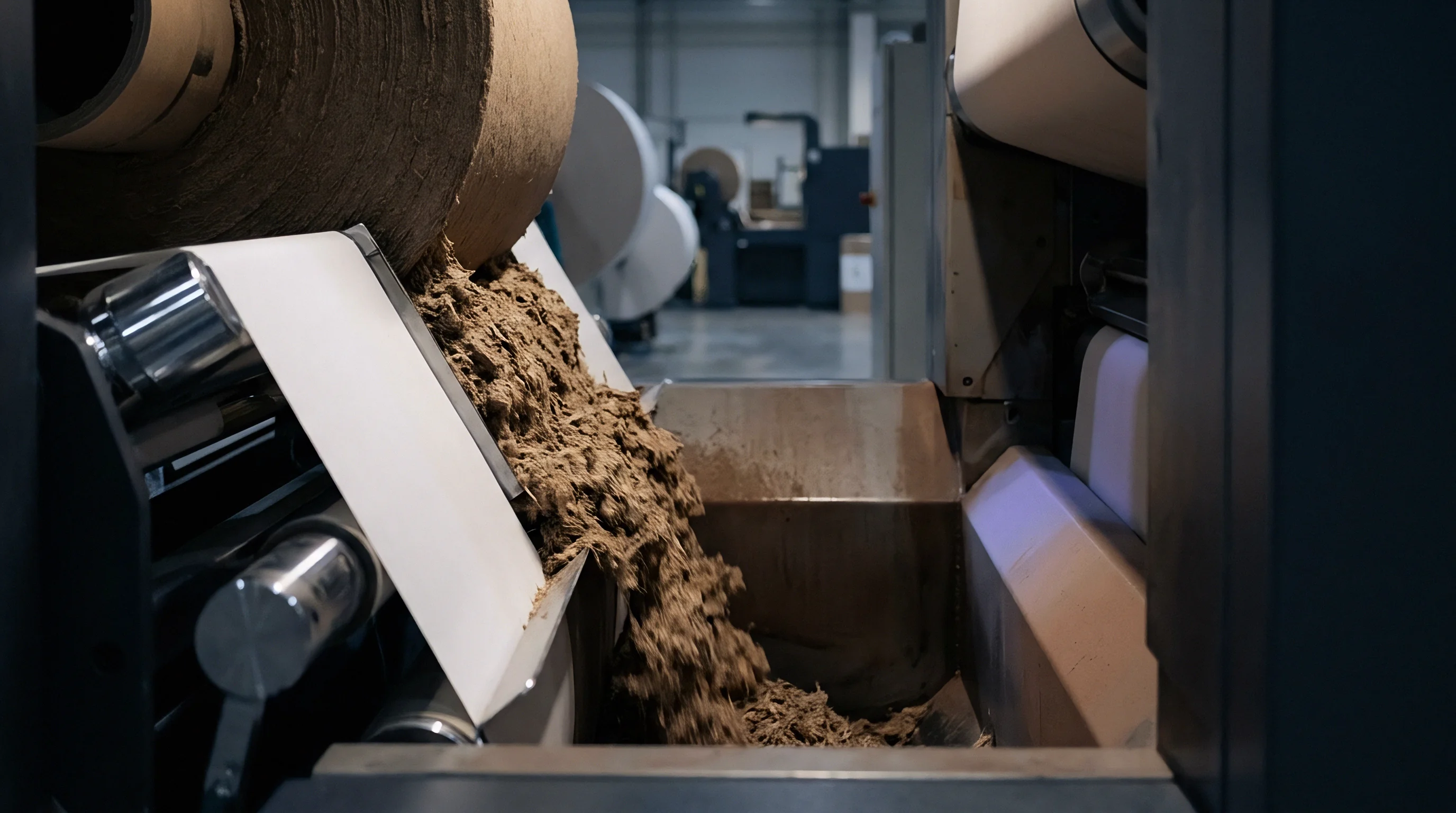
Preventing toxic aromatic migration into dry food matrices requires physical separations or active adsorbent layers within the paperboard structure. Secondary fiber packaging relies on functional barriers when total chemical decontamination of recovered pulp proves economically unviable. Converter choices directly dictate migration suppression efficiency.

Activated Carbon Adsorption in Recycled Board Structures
Incorporating high surface area porous carbon into the middle ply traps gaseous aromatic molecules before migration occurs. Activated carbon particles possess pore networks matched to the molecular kinetic diameters of three-to-six-ring aromatic compounds. Internal sorption prevents volatile compounds from migrating out of recycled fiber plies toward the food contact surface.
Sorbent layers trap gas phase contaminants. Adding activated carbon at dosages between two and five percent by weight into middle-ply pulper formulations creates an internal sink for lipophilic substances. Carbon dosage must balance adsorption capacity against paperboard brightness and ply-bond strength.
Excess powder additions lower z-directional tensile strength and create dusting during high-speed converting processes.
Thicker adsorbent middle plies consistently outperform thin surface barriers when packaging dry foods over multi-month storage periods.
Activated carbon internal filters operate permanently without degrading over normal ambient storage conditions. The binding energy between activated carbon pores and polycyclic aromatic rings exceeds thermal desorption energies at room temperature, locking target compounds inside the board structure throughout retail shelf life.

Functional Coating Performance against Volatile Organic Compounds
Water-based dispersion barriers create dense polymer networks that block lipophilic migration routes. Synthetic dispersion coatings based on styrene-butadiene or acrylic copolymers offer moderate resistance against liquid oil penetration but vary in gas-phase aromatic vapor block performance. Polymer coatings block liquid migration pathways.
Cold solvent washes yield false comfort.
Polyvinyl alcohol and ethylene vinyl alcohol water-based dispersions form tightly hydrogen-bonded crystalline domains that resist non-polar aromatic vapor permeation. Coating weights of three to six grams per square meter provide vapor barrier protection equivalent to thick aluminum foil laminates while maintaining paperboard repulpability in standard recycling mills.
- Verify Vapor Permeation Rates using modified Tenax migration testing at 40 degrees Celsius for ten days to simulate extended dry food shelf life.
- Evaluate Coating Integrity At Creases because scoring and folding operations rupture rigid surface barrier layers, creating localized migration pathways.
- Balance Adsorbent Loading Rates to ensure activated carbon middle plies retain sufficient structural ply-bond strength during high-speed folding carton assembly.
- Confirm Deinking Process Compatibility so functional dispersion coatings detach cleanly during subsequent recycling repulping cycles without forming sticky residues.
Thicker adsorbent middle plies consistently outperform thin surface barriers when packaging greasy dry foods over multi-month shelf lives.


Audit
Verifying compliance across continuous mill production runs demands systematic analytical testing and chain of custody documentation. Random spot-checking fails to capture chemical variations inherent in post-consumer waste streams. Packaging buyers must enforce rigorous batch acceptance criteria grounded in accredited laboratory data.

Representative Sampling Strategies for Heterogeneous Recycled Reels
Fiber variations across paperboard mill batches require multi-point core sampling to produce statistically defensible analytical samples. Taking a single outer-lap sample from a paper reel underreports internal reel contamination due to solvent migration during reel storage. Paper buyers bear ultimate legal risk.
Declarations without reports carry zero weight.
Sampling plans must collect full-width strip samples across the drive side, center, and operator side of reels taken at the start, middle, and end of each production batch. Composite samples prepared from these cross-direction strips provide an accurate representation of batch contamination levels. Mill certificates demand supporting lab data.
Virgin kraft liners eliminate batch variance.
- Request accredited test reports corresponding directly to the mill reel batch identification numbers on delivered pallets.
- Audit the analytical laboratory accreditation certificate to ensure ISO 17025 scope covers gas chromatography mass spectrometry testing for polycyclic aromatic hydrocarbons in paper matrices.
- Cross-check the solvent extraction method listed on the test report to verify toluene Soxhlet or pressurized liquid extraction was used rather than simple hexane shaking.
- Validate that detection limits for target carcinogenic analytes remain at or below 0.01 milligrams per kilogram in test reports.
- Reject delivery dockets where compliance claims rest solely on general self-declarations without supporting analytical data.

Validation of Laboratory Certificates of Analysis
Checking testing scope lines and accreditation standards prevents acceptance of invalid compliance declarations. Third-party testing laboratories frequently issue summary certificates claiming compliance with general framework regulations while performing testing under non-rigorous extraction protocols. A declaration citing Regulation EC 1935/2004 without specifying test standards or simulant conditions offers zero legal defense during regulatory audits.
Certificates of analysis must list quantitative results for all eight individual carcinogenic polycyclic aromatic hydrocarbons identified in REACH Annex XVII Entry 50. Reporting total polycyclic aromatic hydrocarbon values without detailing individual congener concentrations obscures high levels of individual potent carcinogens like benzo(a)pyrene under low overall totals. Testing documentation must remain linked to mill reel numbers, converter batch logs, and customer delivery dockets to maintain chain-of-custody integrity.
Accepting unaccredited laboratory summary reports leaves packaging buyers completely exposed to mandatory product recalls and customs confiscations.


Docket
Commercial packaging transactions assign legal financial responsibility for regulatory non-compliance through explicit contract warranty terms. Purchasing agreements must explicitly address chemical purity standards alongside physical board specifications. Establishing clear liability lines prevents expensive commercial disputes when border surveillance catches non-compliant packaging shipments.

Customs Detention Risks and Declaration Declarative Instruments
Border inspection authorities hold packaging shipments lacking verifiable food contact documentation or chemical test evidence. Customs officers in European ports utilize automated risk profiling to identify high-risk recycled paperboard imports origin-tagged from regions with weak waste sorting controls. Intercepted shipments face mandatory laboratory testing at the importer’s expense, delaying supply chains by weeks.
Declarations of Compliance serve as official legal declarations presented to market surveillance inspectors. A valid Declaration of Compliance must specify the exact fiber composition, declare functional barrier parameters, confirm compliance with Regulation EC 1935/2004, and identify food types suitable for direct contact. Missing or incomplete declarations result in immediate customs holds, mandatory repacking, or forced re-export of non-compliant packaging inventory.

Contractual Risk Allocation in Board Procurement Agreements
Incorporating indemnification clauses protects brand owners when recycled paperboard fails European chemical threshold standards. Standard paper industry purchase conditions limit mill liability to reel replacement costs, leaving converters and brand owners exposed to recall costs, customs fines, and line downtime losses. Explicit chemical warranty clauses must override standard mill terms.
Procurement contracts must stipulate that paperboard suppliers indemnify buyers against all direct liabilities, regulatory fines, product recall expenses, and legal costs resulting from chemical non-compliance. Agreements must grant buyers the right to audit mill raw material sourcing, inspect internal testing records, and perform independent third-party testing on incoming mill shipments. Comprehensive technical dossiers containing ISO 17025 accredited test data provide the necessary legal defense during market surveillance enforcement actions.