
Calculating Mechanical Pulp Yield Losses across Stratified Board Forming Wires
Calculate stratified wire mechanical pulp losses by isolating core tray consistency from chemical liner drainage to defend mass balance compliance and yield.
Calculate stratified wire mechanical pulp losses by isolating core tray consistency from chemical liner drainage to defend mass balance compliance and yield.

PPWR compliance requires paper substrates with barrier coatings to achieve 95% fiber recovery in Cepi v2 testing to secure Class A recyclability status.

Hot and cold water extractives quantify soluble chemicals in uncoated paperboard, governing compliance limits under BfR and FDA food packaging standards.

Dynamic surface tension exceeding 38 mN/m at 10 ms causes air entrainment and pinholes in high-speed barrier coatings, ruining water and grease resistance.

Predictive thermal models fail for folded cartons because die creasing causes physical microcracking that replaces solid diffusion with rapid gas permeation.

Verify functional barrier continuity on creased board corners using DIN EN 13676 and Tenax GC-FID to eliminate chemical migration risks and customs detention.

Determining migration compliance relies on exact food simulant testing, functional barrier verification, and complete analytical records across all converter tiers.

Mitigate mass spectrometry interferences in high-lignin paper migration assays using solid phase clean-up, isotopic dilution, and multidimensional separation.

Chromatographic marker screening quantifies secondary fiber in food contact paperboard by measuring diisopropylnaphthalenes, phthalates, and mineral oils.

Auditing paperboard custody requires validating register status, matching invoice claim lines to product group schedules, and checking mass balance yields.

BCTMP yield shifts between 85 and 92 percent alter folding boxboard core bulk, dictating carton bending resistance and chain-of-custody mass balances.
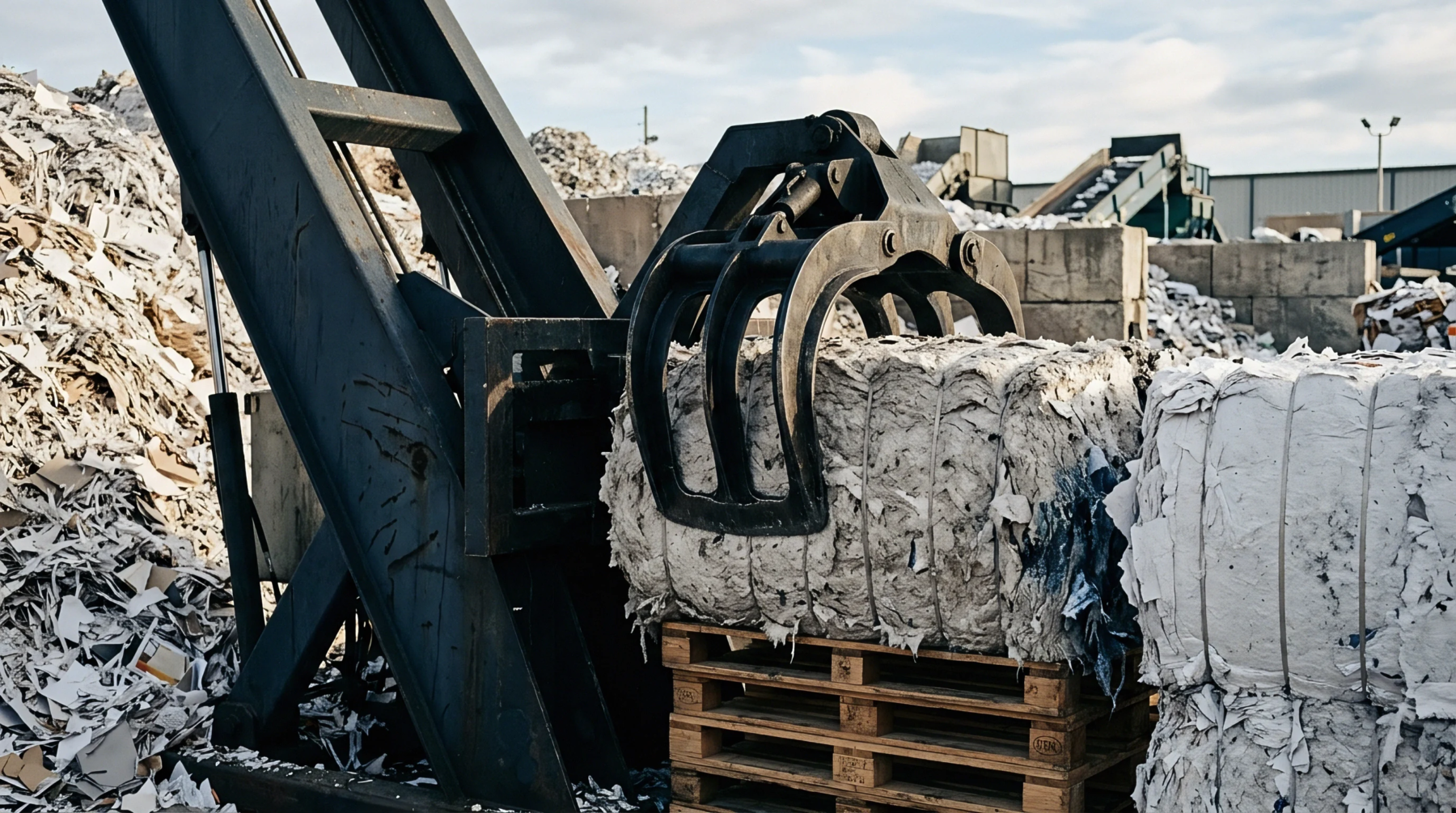
Quantifying mineral oil in recycled fiber demands rigorous cleanup to separate biogenic matrix interference from petroleum hydrocarbons before barrier validation.
Expertise is a utility, not a secret. sentiention™ publishes its working knowledge as open reference: intelligence layer covering the materials it sources, the markets it enters, and the reference that serves both.