
Basic Kraft Digester Organic Mass Balance Equations and Chemical Consumption Fundamentals
Kraft digester organic mass balances balance chip dry mass against pulp yield and black liquor solids, governed by effective alkali and peeling reactions.
Kraft digester organic mass balances balance chip dry mass against pulp yield and black liquor solids, governed by effective alkali and peeling reactions.

Paperboard recycled claims require matching chain of custody certificates, mass balance ledger reconciliation, and certified converter invoices.

Dynamic humidity cycling lowers bio-barrier interfacial shear energy, triggering delamination, barrier failure, and costly non-compliance at customs borders.

Microfibrillated cellulose moisture sorption degrades barrier performance at high humidity, requiring chemical cross-linking and verified compliance dossiers.

Verification of recycled paperboard food contact compliance requires LC-GC-FID testing for MOSH and MOAH migration alongside verified functional barriers.

Verifying post-consumer recycled claims in folding boxboard requires cross-referencing FSC/PEFC credit accounts with deinking yield losses and MOSH/MOAH markers.

Evaluating paperboard barrier food contact declarations requires verifying specific migration limits, functional barrier continuity, and total NIAS disclosures.

Extractives and migration testing requires matching food simulants, extraction solvents, and analytical thresholds to specific regulatory contact conditions.

Resolving multi layer migration liability requires linking batch trace numbers to accredited specific migration reports and contract indemnity clauses.

Virgin solid bleached sulfate delivers superior score integrity and brightness, while recycled board reduces raw material expenditure when stiffness targets allow.

Mitigate polymer swap risks by pairing ATR-FTIR incoming resin screening with enforceable supplier contracts capping liability to full downstream food loss.

Auditing fiber ratios combines ISO 9184 furnish microscopy and ash testing with strict FSC and PEFC invoice-level mass balance chain of custody reconciliation.

Photoinitiator migration limits demand complete photopolymer conversion or functional containment to keep extractable residues below 10 parts per billion.

Coupling non-linear moisture diffusivity with GAB sorption models provides accurate microfibril barrier shelf-life qualification under humid transport conditions.
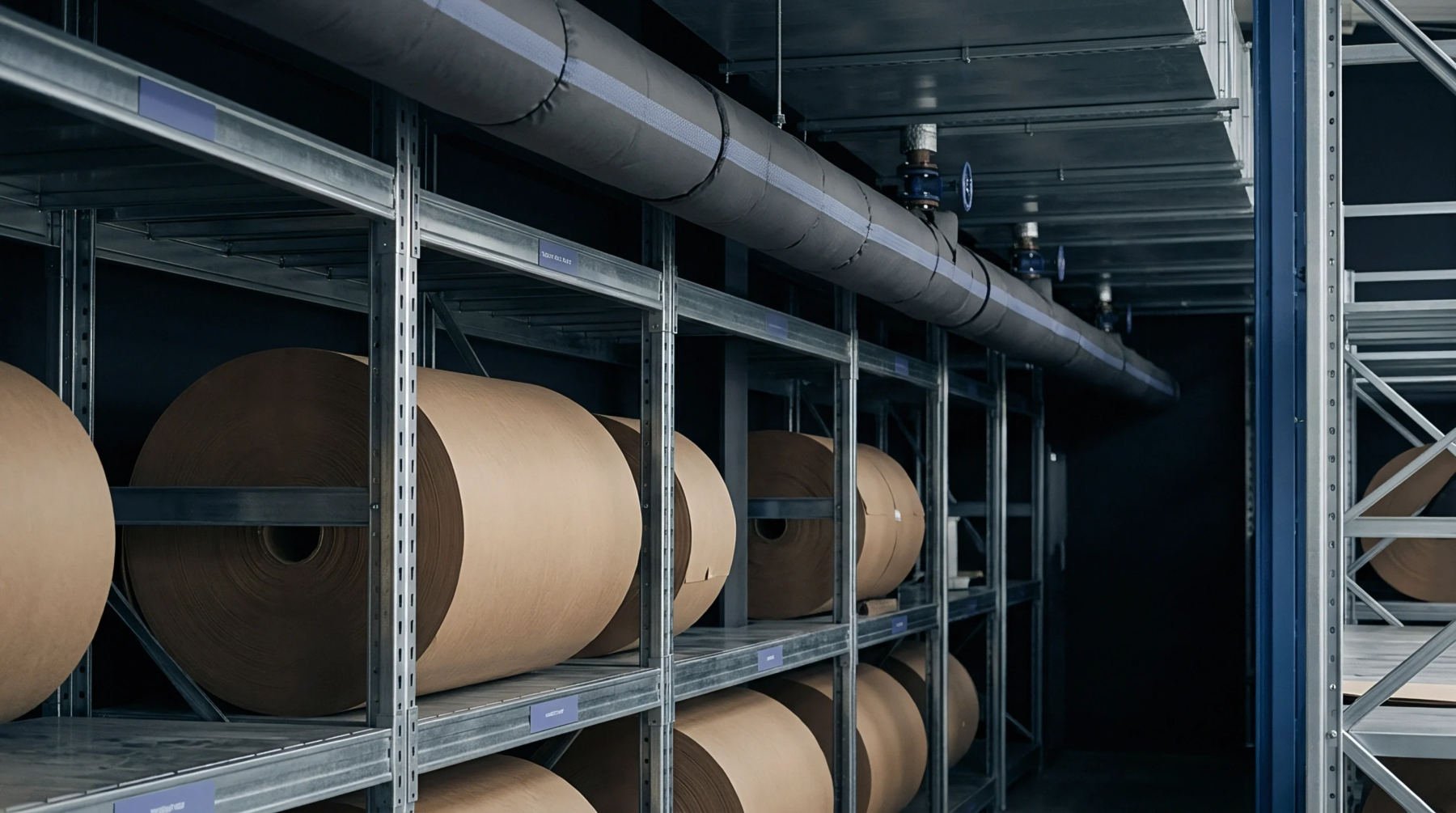
Public scope schedule verification requires matching board product categories and claim systems on official registers to downstream delivery notes.

Recycled paperboard verification requires valid chain of custody certificates, mass balance ledgers, and lab migration test reports to clear retail compliance.

Paperboard chemical migration testing requires matching food simulants to substrate porosity, using Tenax for dry media and certified barrier qualification.

Dynamic vapor sorption in recycled barrier substrates triggers localized interfibrillar swelling stresses that disrupt coating integrity under humidity transients.

Dynamic ambient relative humidity accelerates creep collapse in corrugated boxes far beyond static moisture limits, requiring dynamic SCT safety factors in structural engineering.
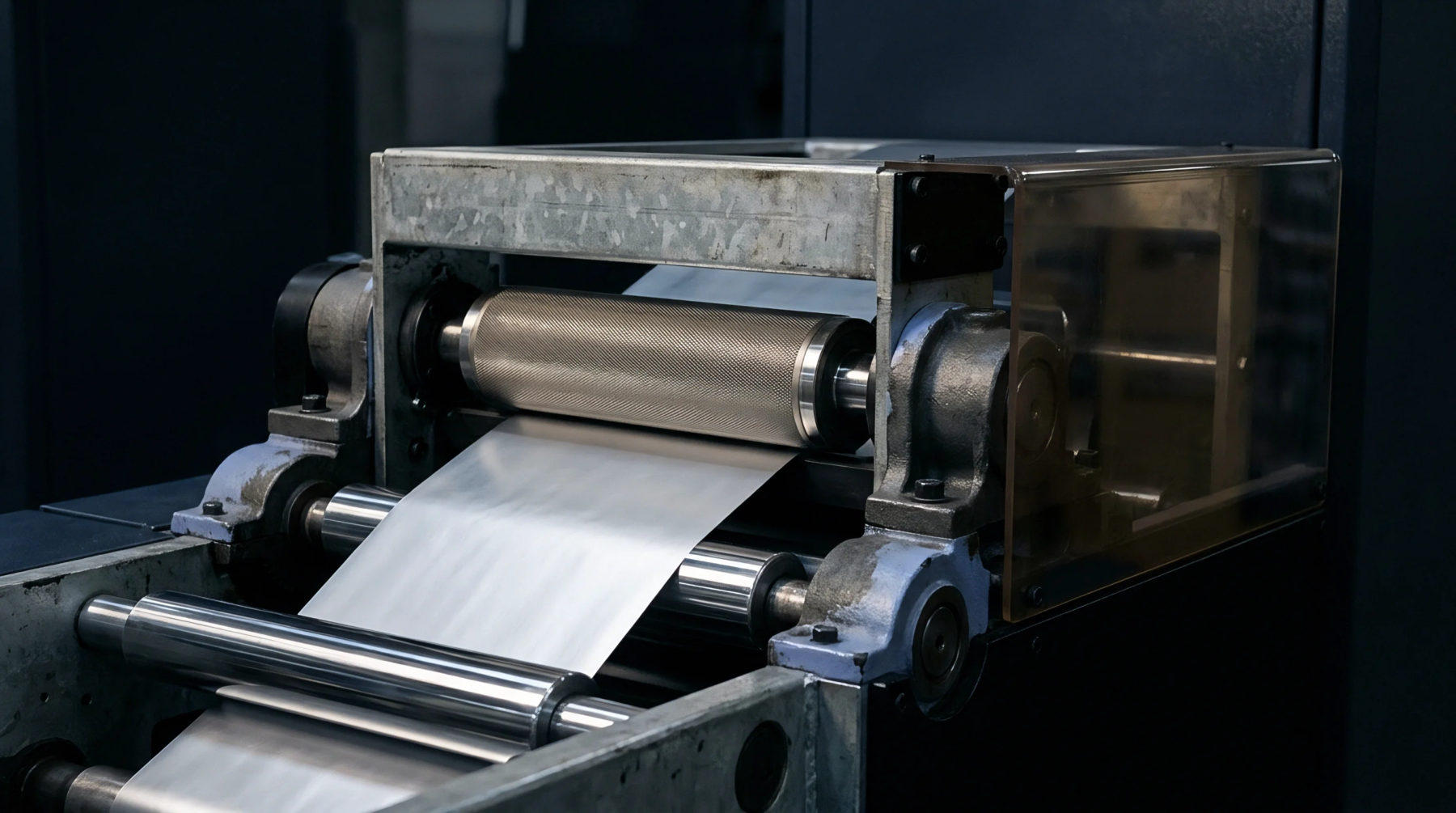
Dynamic moisture sorption degrades cellulosic packaging strength through mechano-sorptive creep, requiring GAB equilibrium mapping and transit humidity verification.

Volatile hydrocarbon qualification in recycled paperboard requires Tenax gas phase migration testing and LC-GC-FID analysis to verify MOAH levels below 0.15 mg/kg.

Aligning packaging redesign cycles with PPWR recyclability milestones requires qualifying substrates 36 months before regulatory enforcement dates.

FSC and PEFC prove auditable timber origin and mass-balance fiber accounting; they do not prove food safety, chemical purity, repulpability, or EUDR compliance.

Moving certificate risk onto suppliers requires contract clauses that link claim validity to invoice codes, batch migration reports, and full indemnity for border holds.
Expertise is a utility, not a secret. sentiention™ publishes its working knowledge as open reference: intelligence layer covering the materials it sources, the markets it enters, and the reference that serves both.