Functional Barrier Qualification for Mineral Oil Hydrocarbon Migration in Board
Functional barrier qualification requires gas chromatography verification of saturated and aromatic hydrocarbon migration below detection limits on creased board.


Pathway
Quantifying volatile hydrocarbons migrating from recovered fibre matrices starts at the gas-solid interface. Recycled paperboard carries mineral oil saturated hydrocarbons and mineral oil aromatic hydrocarbons leftover from printing inks, adhesives, and processing aids used in previous converting cycles. These compounds partition into the vapor spaces of the porous paper network before moving across packaging layers into dry foodstuffs.
Between ten and twenty-four carbon atoms, saturated fractions have high enough vapor pressure at room temperature to evaporate from cellulose fibres, cross air gaps, and adsorb onto fatty or dry food surfaces.
A functional barrier stops this transport by preventing direct contact and cutting off vapor transmission over the package’s intended shelf life. Molecular diffusion through polymer networks depends on thermodynamic affinity and kinetic mobility. Linear alkanes pass through amorphous polymer regions via transient micro-cavities created by thermal motion in the polymer chains.
Branched and cyclic hydrocarbons encounter higher steric resistance, which lowers their diffusion coefficients compared to straight-chain homologues of equal mass.
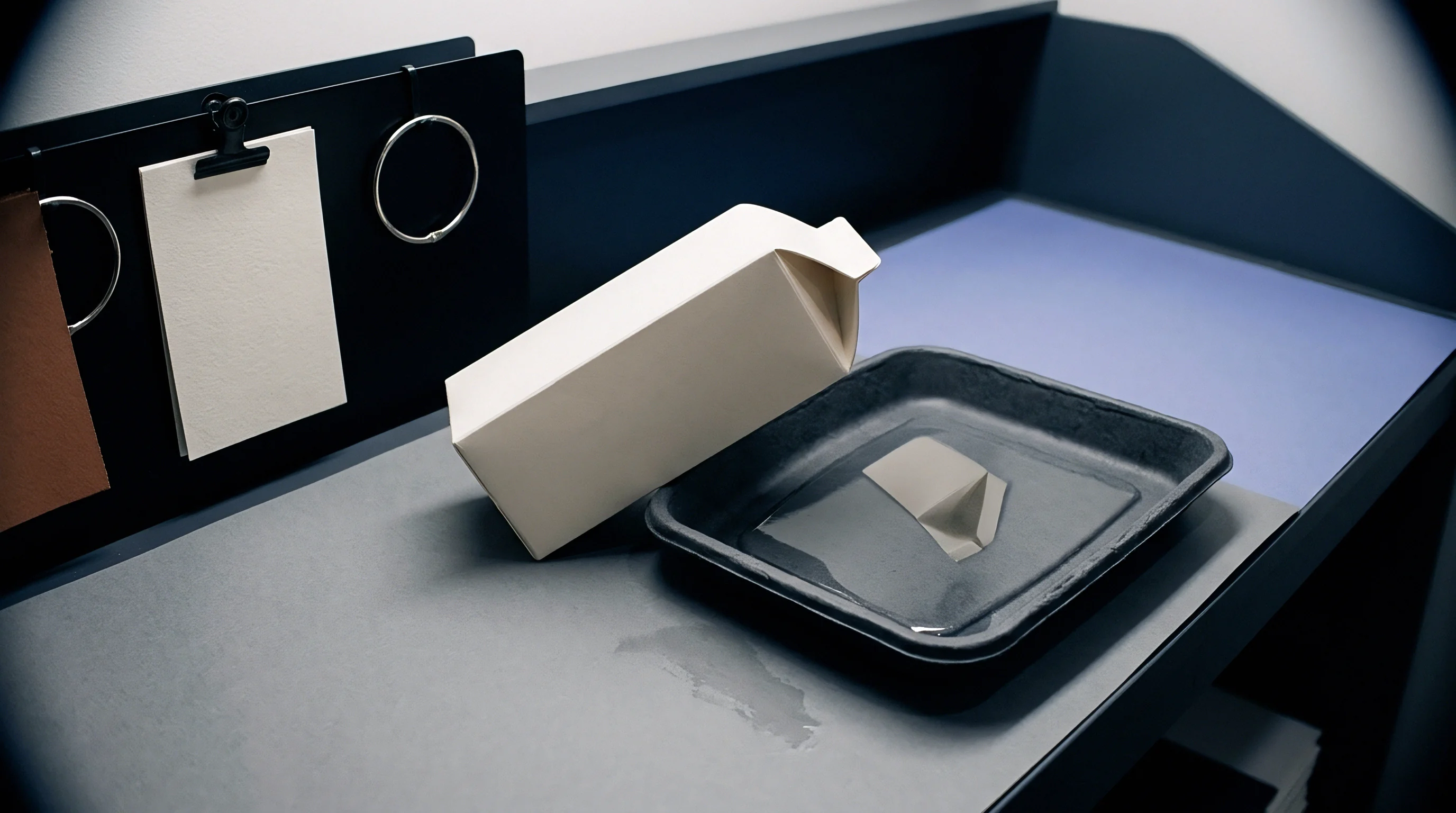
Mechanisms of Gas Phase Partitioning
Mineral oil fractions move through unprinted board in three physical stages. Desorption from recycled cellulose fibres is the initial thermodynamic step, governed by the partition coefficient between the solid fibre and the internal air volume. Because molecular mass dictates volatility, compounds below sixteen carbon atoms desorb rapidly under ambient storage conditions, reaching equilibrium with the internal headspace within hours of sealing the box.
Gaseous diffusion through the tortuous inter-fibre voids forms the second phase. The fibrous network offers almost no resistance to vapor transmission, so volatile hydrocarbons reach the inner package wall unhindered. Adsorption onto the barrier surface follows, after which the barrier must resist permeation for twelve to twenty-four months or longer under fluctuating ambient temperatures and humidity levels.

Volatile Fraction Thresholds across Polymer Layers
The effectiveness of a polymer barrier correlates inversely with its free volume and chain flexibility. Non-polar polyolefins like low-density polyethylene swell when exposed to hydrocarbon vapors, which speeds up permeation and leaves them functioning mainly as liquid barriers rather than vapor barriers. Conversely, polar polymers with high cohesive energy density, such as ethylene vinyl alcohol and polyvinyl alcohol, feature tight inter-chain hydrogen bonding that restricts volatile transport.
Temperature drives the kinetic velocity of hydrocarbon permeation. Higher thermal conditions during transport or storage expand the polymer matrix, lowering the activation energy needed for penetrant diffusion. A packaging substrate qualified for thirty days at twenty degrees Celsius can fail in as little as ninety-six hours at forty degrees Celsius as hydrocarbon volatility rises.
| Barrier Polymer Type | Layer Grammage | Target Fraction Range | Diffusion Coefficient | Calculated Lag Time |
|---|---|---|---|---|
| Extruded Low Density Polyethylene | 18 g/m² | C10 to C16 | 4.2 x 10⁻¹¹ m²/s | 1.2 days |
| Extruded Low Density Polyethylene | 18 g/m² | C17 to C24 | 8.5 x 10⁻¹² m²/s | 5.8 days |
| Water Based Acrylate Dispersion | 7 g/m² | C10 to C16 | 1.1 x 10⁻¹⁹ m²/s | 84 days |
| Water Based Acrylate Dispersion | 7 g/m² | C17 to C24 | 2.4 x 10⁻¹⁴ m²/s | 380 days |
| Ethylene Vinyl Alcohol Copolymer | 3 g/m² | C10 to C24 | < 1.0 x 10⁻¹⁶ m²/s | > 730 days |
| Metallized Polyethylene Terephthalate | 12 µm film | C10 to C35 | < 1.0 x 10⁻¹⁸ m²/s | > 1000 days |
Substrate humidity alters permeation dynamics across hydrophilic barriers. Absorbed moisture plasticizes polar coatings, increasing polymer chain mobility and creating transient pathways for hydrocarbon molecules. Board converters must balance grease resistance against moisture sensitivity when formulating barrier coatings for ambient cereal and dry food packaging.


Coat
Applying continuous barrier chemistries onto paperboard requires precise formulation and even application across the sheet. Mineral-filled aqueous dispersions, co-extruded synthetic resins, and bio-based polymers are the primary chemical strategies used on modern coating lines. Because film uniformity dictates performance, variations in dry coat weight generate localized thin spots where pinholes and micro-fissures allow vapor channeling.
Aqueous barrier dispersions rely on acrylic copolymers, styrene-butadiene lattices, and polyvinyl alcohol binders modified with inorganic platelet pigments like talc or kaolin clay. These platelet fillers create a tortuous path for diffusing molecules, forcing hydrocarbons to travel around impermeable mineral structures. Aligning these platelets parallel to the board surface directly extends the overall diffusion path length.

Polymer Structure and Diffusive Resistance
Co-extrusion coating produces high-density, pinhole-free films at fast production speeds. Specialized resin structures with polyamide or ethylene vinyl alcohol cores sandwiched between polyolefin tie layers deliver strong barrier properties against aromatic and aliphatic hydrocarbons. The inner polyolefin supplies heat sealability, while the polar core maintains structural resistance against non-polar penetrants.
Bio-based options include microfibrillated cellulose, alginates, and thermoplastic starches. Dense inter-fibril hydrogen bonding in highly crystalline cellulose networks resists hydrocarbon vapor penetration. However, ambient relative humidity degrades this barrier unless it is paired with protective hydrophobic topcoats that shield the crystalline structure from water vapor plasticization.
- Water-Based Polymer Dispersions combine synthetic lattices with high aspect ratio mineral platelets to create tortuous diffusion pathways on standard paper machines.
- Extruded Ethylene Vinyl Alcohol delivers exceptional gas and hydrocarbon resistance at low layer thicknesses but demands dedicated moisture protection layers.
- Cross-Linked Polyvinyl Alcohol Formulations generate dense hydrogen-bonded polymer matrices that block non-polar vapor transport under controlled dry atmospheric conditions.
- High-Density Polyethylene Layers provide moisture resistance and liquid holdout while offering marginal delay against volatile mineral oil transmission over extended shelf storage.
A breach in barrier continuity at five percent relative elongation voids compliance across the entire package surface.
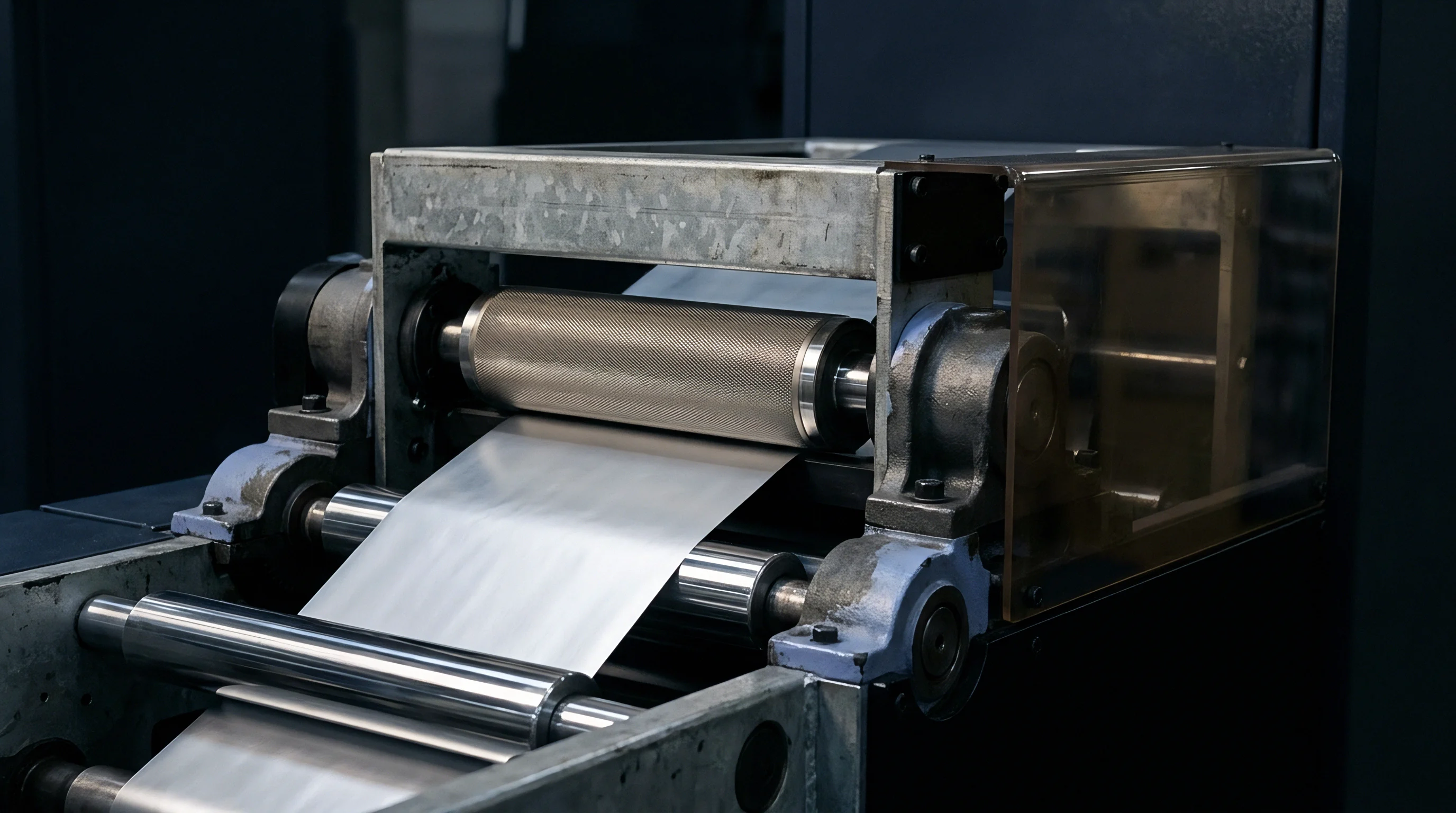
Aqueous Dispersion versus Extrusion Polyolefins
Application methods dictate coat morphology and mechanical robustness. Blade, rod, and curtain coaters lay down water-based dispersions across rough, porous board surfaces. Rougher top liners require higher coat weights to submerge protruding fibres completely; any fibres poking through the coating act as chemical wicks, transferring volatile hydrocarbons past the barrier film through capillary action.
Extrusion laminators melt polymer pellets and cast a molten curtain straight onto the moving board web. Melt temperature, die gap, and nip pressure control how far the polymer penetrates surface pores. Excessive penetration starves the surface film, whereas insufficient penetration leads to delamination during downstream die-cutting and creasing.
Nominal coat weight alone does not guarantee barrier performance regardless of base board roughness or pigment selection.

Assay
Laboratory assessment of barrier integrity relies on standardized migration tests using chemical simulants under controlled thermal acceleration. Modified polyphenylene oxide, sold commercially as Tenax, is the designated solid food simulant for dry foodstuffs under European standards. Test specimens remain in contact with Tenax under specified time and temperature regimes designed to reflect actual distribution and storage profiles.
Testing under DIN EN 14338 evaluates migration from paper and board using Tenax as an adsorbent at elevated temperatures. Conditions of ten days at sixty degrees Celsius simulate long-term ambient storage beyond six months for stable dry products. Volatile hydrocarbons that migrate through the board specimen adsorb onto the porous polymer beads, which are then extracted with solvent prior to gas chromatography.
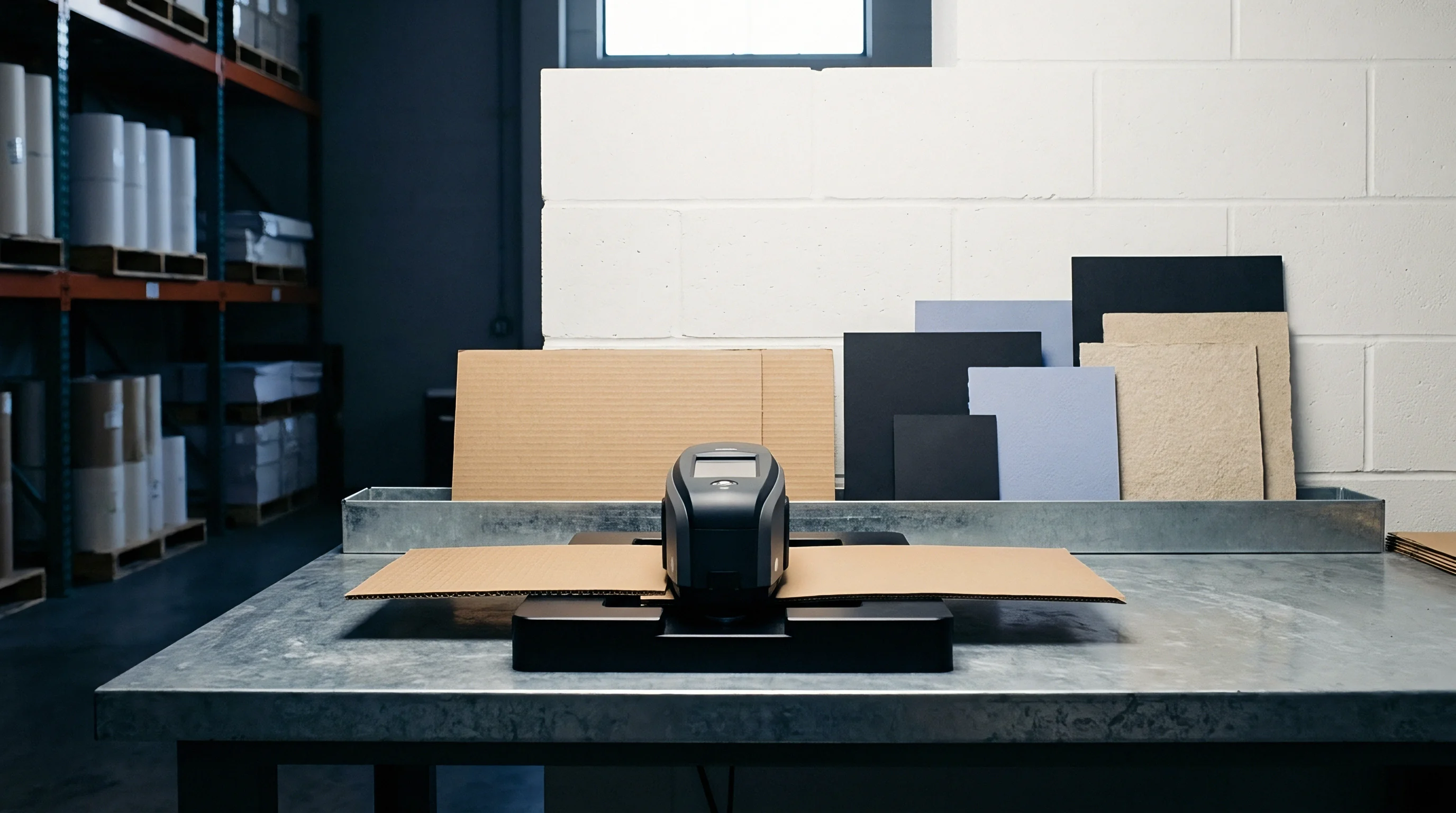
Solid Simulant Adsorption Protocols
Extraction procedures isolate saturated and aromatic hydrocarbon fractions from simulant matrices. Solvents like n-hexane and dichloromethane extract the adsorbed compounds from Tenax particles. Online coupled high-performance liquid chromatography and gas chromatography with flame ionization detection then quantify the migrated fractions across defined carbon number distributions.
Sample preparation separates mineral oil saturated hydrocarbons from mineral oil aromatic hydrocarbons prior to injection. Silica gel columns modified with silver nitrate retain aromatic species while allowing aliphatic chains to elute. Subsequent back-flushing transfers the aromatic fraction to the gas chromatograph, preventing co-elution and enabling accurate baseline integration.
Under DIN EN 14338 at sixty degrees Celsius for ten days, a qualified functional barrier restricts total aromatic hydrocarbon migration below zero point one five milligrams per kilogram of food simulant.
Qualifying barrier effectiveness requires a methodical operational sequence for sample handling and baseline correction:
- Pre-condition board specimens at twenty-three degrees Celsius and fifty percent relative humidity for forty-eight hours to equilibrate moisture content.
- Mount test specimens into standardized migration cells with the barrier-coated surface facing the donor chamber.
- Distribute purified Tenax simulant evenly across the barrier surface at a density of four grams per square decimeter.
- Incubate sealed test cells within calibrated convection ovens at sixty degrees Celsius for two hundred and forty consecutive hours.
- Extract the simulant with volatile solvent containing internal standards including bicyclohexyl, n-tridecane, and perylene.
- Inject extracts into an online coupled liquid-gas chromatography system to quantify separate carbon fraction profiles.

Chromatographic Quantification and Interferences
Natural compounds extracted from virgin wood fibres can cause analytical interference. Terpenes, plant sterols, and natural oligomers elute in the same chromatographic retention windows as synthetic hydrocarbons. Mass spectrometry confirmation separates these biogenic compounds from petroleum-derived saturated hydrocarbons, preventing false positives.
Aromatic fractions pose the primary toxicological concern because of their mutagenic potential. Testing protocols must reach limits of quantification below zero point zero five milligrams per kilogram of food for aromatic fractions from ten to fifty carbon atoms. Broad baseline humps on chromatograms indicate the complex isomeric mixtures typical of refined petroleum oils.
| Test Standard | Simulant Type | Temperature Regime | Simulated Storage Limit | Target LOQ in Simulant |
|---|---|---|---|---|
| DIN EN 14338 | Tenax (MPPO) | 40 °C for 10 days | Up to 30 days ambient | 0.10 mg/kg MOSH |
| DIN EN 14338 | Tenax (MPPO) | 60 °C for 10 days | > 6 months ambient | 0.05 mg/kg MOAH |
| EN 1186-13 | Tenax (MPPO) | 70 °C for 2 hours | Short term hot fill | 0.20 mg/kg Total |
| BfR Recommendation XXXVI | Isooctane extract | 23 °C for 2 hours | Fibre stock total content | 0.50 mg/kg Total |
Supply contracts specifying barrier conformity require accredited chromatographic traces that show baseline separation and internal standard recovery rates above eighty-five percent for every production batch.
Creep
Converting operations impose mechanical stresses that can compromise continuous barrier coatings. Die-cutting, creasing, folding, and gluing subject thin polymer films to tensile, compressive, and shear forces. Scoring tools crush the fibrous core while stretching the surface liner and coating over the outer radius of the fold.
If coating elasticity fails during carton erection, micro-fissures open along the score line.
Carton score lines are the primary pathway for premature hydrocarbon breakthrough. If the barrier layer ruptures at the outer fold, volatile hydrocarbons bypass the coating matrix altogether and diffuse through the fractured score line into the package interior. Testing uncreased flat swatches yields misleading qualification results that overlook converting-induced failures.

Mechanical Strain at Crease Lines
Crease geometry dictates local strain distribution. Female die channel width and male creasing rule thickness control the clearance and bending radius of the board. Channels that are too narrow pinch the sheet, generating high shear stresses that delaminate the coating from top fibrous plies.
Channels that are too wide fail to break internal fibre bonds cleanly, causing surface cracking along the tension side of the fold.
Polymer elongation at break must withstand the physical deformation caused by carton folding. Dispersion coatings formulated with high pigment volume concentrations lack flexibility, cracking when folded to ninety or one hundred and eighty degrees. Lowering the pigment volume concentration improves elasticity, but adding too much polymer binder raises formulation costs and risks reel blocking on raw board stock.
A flat swatch test report provides zero legal protection against migration failures occurring along folded carton edges.

Does Accelerated Thermal Stress Predict Ambient Breakthrough?
Elevated test temperatures alter polymer mechanical properties during barrier qualification. Testing creased samples at sixty degrees Celsius softens thermoplastic coatings, allowing ductile polymer chains to flow and self-seal micro-fissures created during die-cutting. This thermal relaxation artifact masks physical ruptures that stay open and permeable under ambient storage at twenty degrees.
Ambient testing over extended storage durations is necessary to verify true mechanical integrity. Creased board samples stored at twenty-three degrees Celsius for ninety days show migration spikes at fold lines that pass accelerated sixty-degree screening tests. Reliable qualification protocols combine room-temperature permeation cells with creased specimens to validate commercial carton geometry.
| Coating System | Coat Weight | Flat Swatch Migration | 90° Crease Migration | 180° Fold Migration |
|---|---|---|---|---|
| Uncoated Recycled Board | 0 g/m² | 42.5 mg/kg MOSH | 44.1 mg/kg MOSH | 45.0 mg/kg MOSH |
| Aqueous Acrylic Dispersion A | 8 g/m² | 0.12 mg/kg MOSH | 1.85 mg/kg MOSH | 6.40 mg/kg MOSH |
| Aqueous Acrylic Dispersion B (Flexible) | 8 g/m² | 0.18 mg/kg MOSH | 0.22 mg/kg MOSH | 0.45 mg/kg MOSH |
| Extruded LDPE Film | 15 g/m² | 12.4 mg/kg MOSH | 13.1 mg/kg MOSH | 14.8 mg/kg MOSH |
| Co-extruded PE/EVOH/PE Layer | 12 g/m² | < 0.05 mg/kg MOSH | < 0.05 mg/kg MOSH | 0.08 mg/kg MOSH |
The unresolved question remains whether dynamic mechanical thermal analysis can reliably predict micro-cracking on high-speed packaging lines running at four hundred cartons per minute without relying on long-term storage trials.


Exposure
Regulatory authorities across European jurisdictions enforce strict action thresholds for mineral oil hydrocarbons in food-contact applications. Article 3 of European Framework Regulation (EC) No 1935/2004 prohibits transferring packaging constituents into foodstuffs in quantities that endanger human health or cause unacceptable changes in food composition. German national draft regulations and Swiss packaging ordinances establish explicit analytical migration limits for both saturated and aromatic fractions.
The Swiss Ordinance on Materials and Articles in Contact with Food sets a migration ceiling of zero point zero five milligrams per kilogram of food for mineral oil aromatic hydrocarbons with ten to fifty carbon atoms. Saturated fractions face limits based on molecular mass distribution to prevent toxicological accumulation in human tissue. Draft German legislation requires functional barriers on all recycled paperboard packaging unless total aromatic content stays below analytical detection limits.

Regulatory Action Limits and Toxicological Baselines
Aromatic hydrocarbons containing three to seven rings act as genotoxic carcinogens with no safe toxicological threshold. Rapid Alert System for Food and Feed notifications trigger immediate product recalls and border holds whenever market surveillance testing detects aromatic fractions above zero point one milligrams per kilogram in food. National authorities impound non-compliant inventory directly at ports of entry.
Packaging buyers carry financial exposure for brand reputation, retailer delisting, product disposal, and secondary recalls when packaging barriers fail. Extended producer responsibility schemes and green claims rules increasingly link recyclability declarations to chemical safety verifications. A recycled board carton without an effective functional barrier leaves brand owners exposed to enforcement penalties and civil litigation.
A single unverified food-contact declaration transfers all product recall liabilities directly to the importer of record.
Packaging compliance files demand specific evidentiary documentation to survive rigorous border inspections and surveillance audits:
- Accredited Gas Chromatography Reports provide documented chromatographic traces showing baseline separation of saturated and aromatic fractions below detection thresholds.
- Crease Line Integrity Data demonstrate that die-cutting and folding operations do not compromise barrier continuity along structural package edges.
- Substrate Migration Declarations state explicit compliance with European Regulation 1935/2004 and relevant national food contact ordinances with listed use boundaries.
- Surveillance Re-Testing Schedules establish ongoing analytical verification intervals across changing raw material batches and converter production runs.

Commercial Risk Allocation across Supply Agreements
Standard converter terms often limit warranty coverage to raw board replacement, disclaiming indirect damages from food contamination or product recalls. Sourcing teams counter these liability caps by inserting indemnification clauses tied to food safety compliance. These terms establish that the failure of an agreed functional barrier constitutes a material breach, triggering full reimbursement for lost finished goods.
Independent third-party laboratory testing protects packaging buyers against unsupported mill claims. Auditing a converter’s compliance dossier confirms whether testing used realistic food simulants, accurate thermal exposures, and mechanically stressed carton samples. Sourcing specifications state the exact test standards, reporting limits, and batch sampling frequencies needed before approving production runs.
When an unverified barrier fails market surveillance testing, the importer faces mandatory product destruction orders and immediate delisting across retail networks.


Proof
Documentary qualification requires strict alignment between laboratory test reports and delivered packaging inventory. A functional barrier certificate remains valid only for the exact grammage, substrate composition, and converting geometry evaluated during testing. Substituting base board suppliers or reducing coat weight invalidates existing conformity dossiers, creating severe compliance exposure at customs checkpoints.
Chain-of-custody verification traces barrier resin and base board origins through delivery dockets, mill specifications, and conversion logs. Auditing these records prevents silent material substitutions where converters swap high-barrier formulations for standard coatings to cut costs. Every delivery note must reference the qualified technical specification and active food contact declaration.

Chain of Custody and Document Scrutiny
Auditors cross-reference laboratory report numbers against production batch dates to confirm testing frequency. Annual surveillance testing verifies that periodic fluctuations in recycled pulp contamination do not overwhelm barrier capacity. A sudden spike in recycled pulp aromatic hydrocarbon concentration can shorten barrier lag times, causing chemical breakthrough long before the stated product expiration date.
Quality management systems govern batch release through automated surface tension checks, coat weight monitoring, and infrared spectroscopy. Rapid inline checks catch coating voids and uneven film application before converting reels into folding cartons, while statistical process control charts provide documented proof of coating consistency across multi-tonne production runs.
| Compliance Document | Issuing Entity | Verification Focus | Mandatory Audit Interval |
|---|---|---|---|
| Declaration of Compliance (DoC) | Converting Plant | Specific use limits, simulant types, contact conditions | Annual or upon formula change |
| Migration Test Report (DIN EN 14338) | Accredited Test House | MOSH/MOAH values on creased samples below LOQ | Biennial verification |
| Chain of Custody Certificate | Certification Body | Traceability of virgin and recycled fibre sources | Annual surveillance audit |
| Batch Quality Release Records | Quality Control Desk | Uniform coat weight and cross-directional thickness | Every production lot |

Batch Uniformity and Raw Material Shifts
Fluctuations in recycled fibre furnish alter baseline contaminant concentrations within the board. Recovered paper grades with high proportions of flexographic newsprint or offset packaging introduce variable aromatic hydrocarbon loads that challenge barrier retention limits. Continuous monitoring of incoming board stock ensures contaminant levels stay within the validated barrier performance window.
Barrier qualification ends with an assembled, defensible compliance file containing current test reports, full chromatographic raw data, converting process controls, and signed declarations of compliance. This technical dossier enables packaging buyers to demonstrate due diligence to regulatory authorities, preserving market access and consumer safety.
Functional barrier integrity holds up only when laboratory qualification conditions mirror real folding stresses and shelf environments.