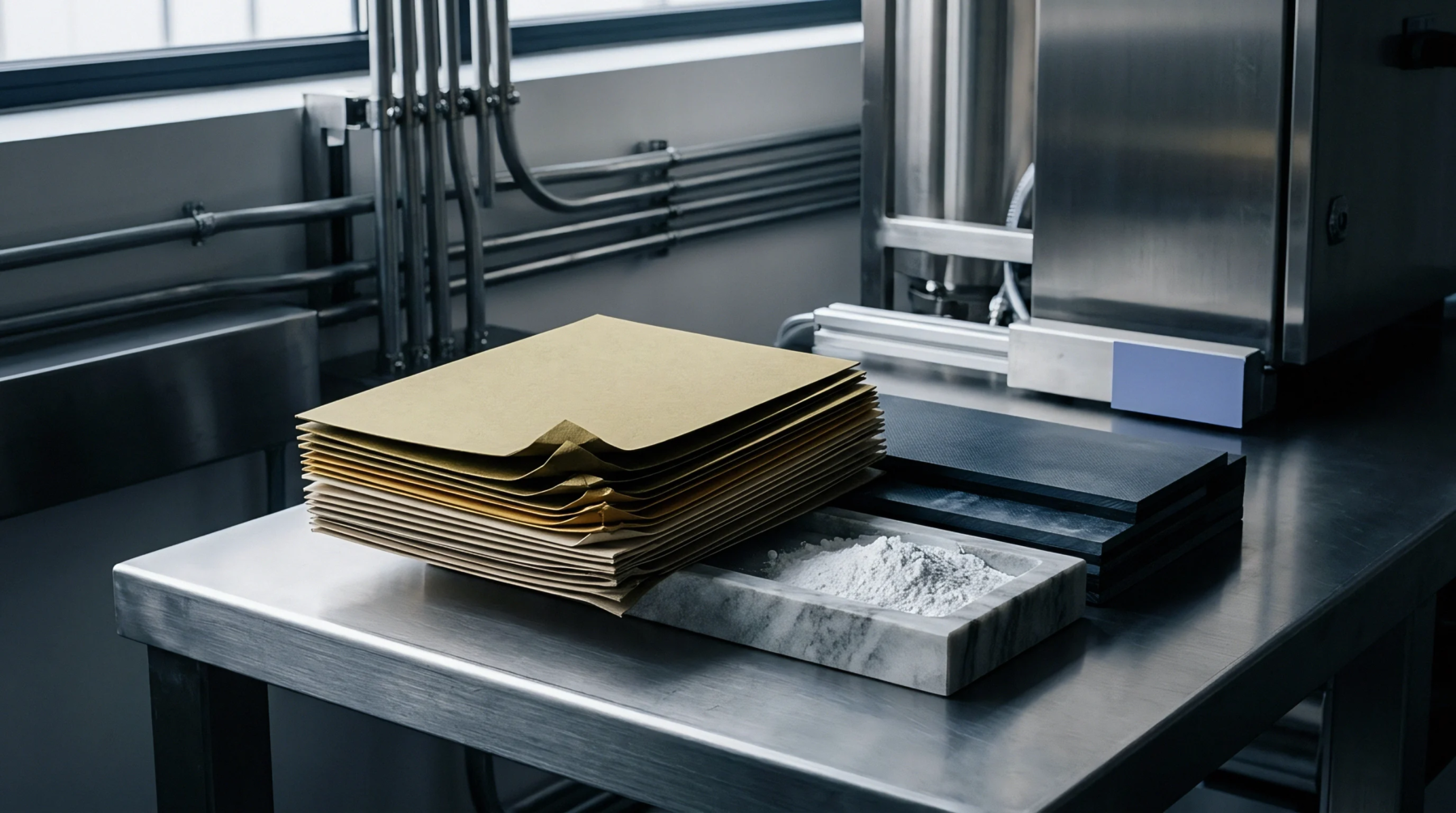
Testing Procedure
Analytical laboratory procedures designed to measure the potential migration of substances from packaging materials into food products use representative liquids to mimic actual food contact. This chemical simulant extraction evaluates how chemical additives and monomers move from paper, board, or plastic into the simulated food matrix under controlled temperature and duration conditions. Regulatory authorities define the specific chemical compositions of these extraction fluids to ensure consistency across different laboratories.
The results of these tests determine the compliance of the packaging material with global food safety standards.
Chemical Behavior
Fluid choices depend on the fat and water content of the food that will contact the final packaging. Extraction relies on acetic acid or ethanol solutions to simulate these distinct food categories. These chemical simulant extraction routines provide data on both total migration and specific substance limits.
Regulatory Compliance
Compliance limits dictate the maximum allowable concentration of migrated chemical compounds in the simulant after the test cycle. These boundaries are set by food safety authorities to prevent contamination of the packaged foodstuff. Laboratory technicians execute chemical simulant extraction to generate the analytical reports required for commercial distribution.
The resulting documentation proves that the package does not release harmful substances during storage.