Calibrating Chemical Additive Fractions against Certified Fiber Mass Balances
Calibrating additive fractions against certified fiber balances requires deducting retained minerals, synthetic polymers, and moisture from gross board mass.

Yield
A bill of lading presenting fifty gross metric tonnes of solid bleached sulphate board arriving under an FSC Mix Credit claim often masks four tonnes of synthetic binders, retention aids, and precipitated calcium carbonate. Papermaking furnish combines cellulose fibers with functional chemistries that alter sheet density, surface energy, optical brightness, and moisture resistance. Chain of custody registries track certified fiber inputs in air-dry metric tonnes at ten percent reference moisture content under ISO 287.
When furnish recipes introduce non-cellulose components into the wet end or coating stations, the gross output tonnage diverges from the certified raw material volume entering the pulper. Moisture distorts gross weights. Mills that book one metric tonne of certified input pulp to generate one metric tonne of certified board output inflate their mass balance ledgers by the exact percentage of added non-fiber chemistry.
Certified fiber schemes govern claims through strict mass balance accounting formulas. Clause 5.9 of FSC-STD-40-004 V3-1 and Clause 6.1.3 of PEFC ST 2002:2020 stipulate that conversion factors must reflect the real physical yield between input raw materials and output commercial products. Non-wood or non-forest based materials added to the manufacturing process cannot inherit or expand certified status.
Adding twenty percent synthetic latex, mineral pigments, and starch does not create twenty percent more certified packaging board. The ledger requires calibration to prevent chemical mass from masking fiber deficit.
Physical Furnish Components and Fiber Mass Accounting
Papermaking stocks combine virgin or recycled cellulosic fibers with mineral fillers, internal sizing agents, wet-strength resins, starches, and pigmented surface coatings. Mineral fillers like ground calcium carbonate, precipitated calcium carbonate, and kaolin clay deliver opacity and smoothness at lower raw material cost than virgin pulp. In unbleached kraft linerboards, starch additions increase ring crush test values and burst resistance.
In liquid packaging board and cupstock, polyamide-epichlorohydrin resins establish wet tensile strength by forming covalent crosslinks across cellulose hydroxyl groups. Each chemical class behaves differently across the paper machine forming wire, press section, and drying cylinders.
Under ISO 287 conditioning at twenty-three degrees Celsius and fifty percent relative humidity, a ten percent moisture reading establishes ninety percent absolute dry mass across the sample.
Retention across the forming wire never reaches one hundred percent. Soluble additives, unbonded fillers, and dispersed polymer particles pass through the forming fabric into the white water system. Mills operate save-all flotation units and disc filters to recover solids, returning a fraction of fine chemicals to the blend chest.
Accounting for finished reel weights requires distinguishing between gross production weight, absolute dry fiber weight, and non-cellulose additive weight. A production run producing one thousand metric tonnes of folding boxboard containing twelve percent calcium carbonate, two percent cationic maize starch, one percent latex binder, and seven percent moisture contains only seven hundred and eighty tonnes of actual dry wood fiber. Dry fiber carries the claim.
Bone Dry Calculation Standards
International trade in wood pulp relies on the air-dry metric tonne convention, defined as ninety percent oven-dry fiber and ten percent ambient water weight under ISO 638. Paperboard transactions, conversely, clear on actual gross scale weights recorded at the mill rewinder. When reconciling chemical fractions, analytical engineers calculate the absolute dry substance, designated as bone-dry mass.
Failure to convert air-dry raw material pulp receipts to bone-dry equivalents produces a systematic eleven percent error in fiber accounting before counting chemical additions.
The calculation sequence begins with raw pulp bales charged to the hydrapulper. An input charge of one hundred air-dry metric tonnes represents ninety bone-dry metric tonnes of cellulose. Adding five bone-dry metric tonnes of precipitated calcium carbonate, two bone-dry metric tonnes of oxidized potato starch, and one bone-dry metric tonne of alkyl ketene dimer emulsion establishes a total dry furnish mass of ninety-eight metric tonnes.
Passing through the machine with a ninety-five percent overall solids retention rate yields 93.1 bone-dry tonnes of paper web. After adding water spray at the calender stack to reach six percent moisture, the finished reel weighs 99.04 gross metric tonnes. Calibrating the certified mass balance requires dividing the net certified bone-dry fiber retained (85.5 tonnes) by the total bone-dry finished board weight (93.1 tonnes), yielding a true certified fiber content of 91.8 percent on a dry solids basis.
| Component Description | Furnish Batch Input (kg dry) | Wire Retention Rate (%) | Finished Web Mass (kg dry) | Finished Sheet Fraction (%) |
|---|---|---|---|---|
| Bleached Softwood Kraft Pulp | 450.0 | 96.5 | 434.3 | 45.0 |
| Bleached Hardwood Kraft Pulp | 450.0 | 95.0 | 427.5 | 44.3 |
| Precipitated Calcium Carbonate | 80.0 | 72.0 | 57.6 | 6.0 |
| Cationic Wet End Starch | 15.0 | 85.0 | 12.8 | 1.3 |
| Polyamide-Epichlorohydrin Resin | 5.0 | 90.0 | 4.5 | 0.5 |
| Styrene-Butadiene Coating Latex | 25.0 | 98.0 | 24.5 | 2.5 |
| Alkyl Ketene Dimer Size | 4.0 | 88.0 | 3.5 | 0.4 |
Uncertified mass dilutes output credits. When mills assign certified output status to gross production without deducting retention losses and non-fiber chemical additives, the chain of custody audit trail breaks. Regulatory oversight bodies scrutinize these exact balance spreads during annual mill balance audits.

Ash
Combustion testing strips organic wood polymers away from mineral constituents to isolate non-fiber loading. Standardized testing under ISO 1762 incinerates packaging samples at 525 degrees Celsius, leaving behind mineral fillers, pigment residues, and inorganic sizing carriers without decomposing calcium carbonate into calcium oxide. Testing at 900 degrees Celsius under TAPPI T 413 or ISO 2144 decomposes carbonates, volatilizing carbon dioxide to measure clay and titanium dioxide content.
Inorganic content burns away. The remaining powder provides direct empirical proof of the mineral additive fraction loaded into the board matrix.
Coated folding boxboards regularly exhibit ash contents between eight and twenty-five percent by weight. Gravimetric ash data establishes an uncompromising ceiling on legitimate fiber mass balance claims. A certified mill declaration asserting ninety-five percent certified fiber content in a sheet testing at sixteen percent ISO 1762 ash content violates basic physical conservation laws, even before calculating organic chemical additives and equilibrium water weight.
Inorganic Filler Retentions
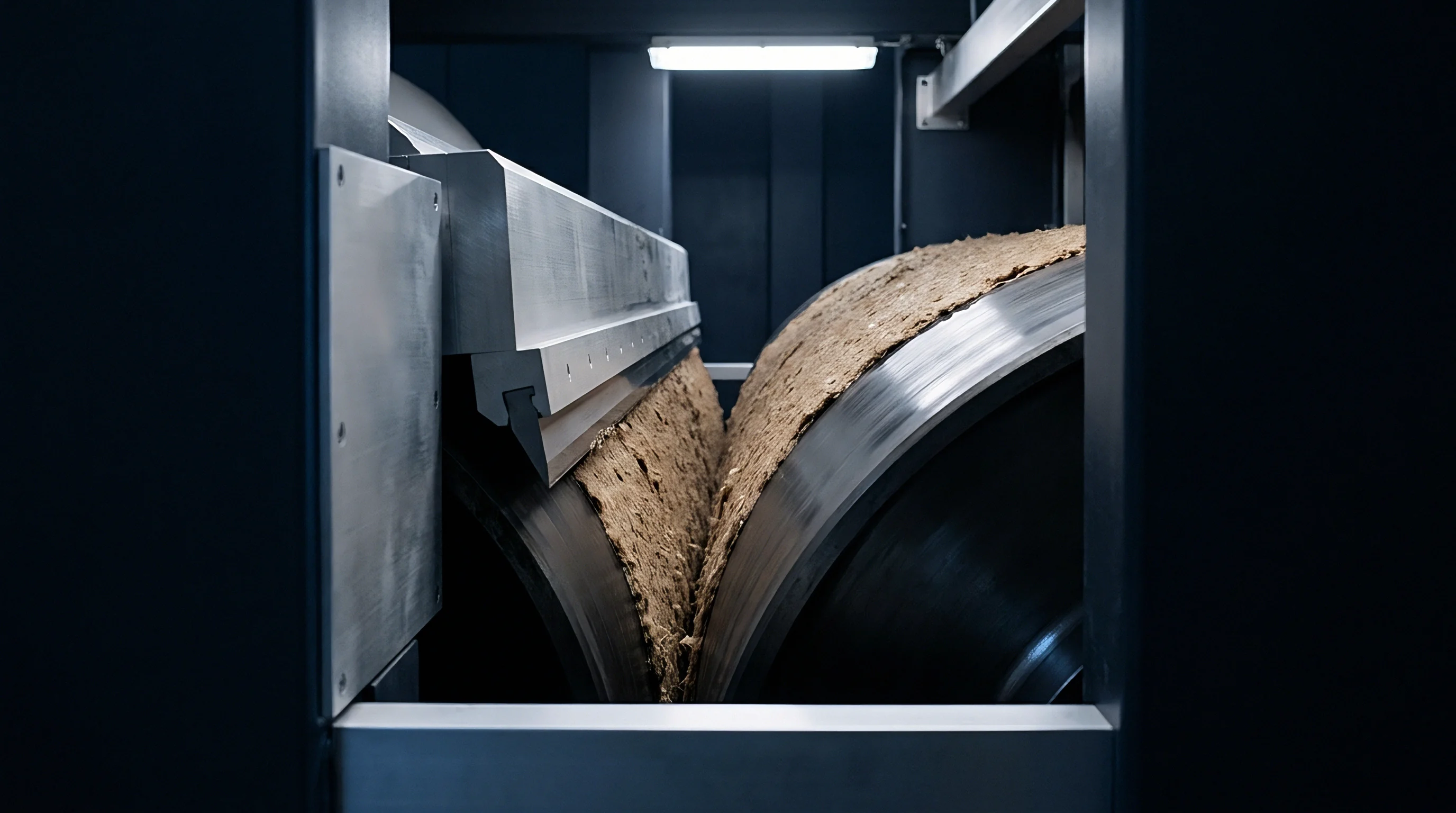
Precipitated calcium carbonate particles range from 0.7 to 2.0 microns in size, allowing substantial portions of unattached filler to escape the forming wire during drainage. Papermakers meter polyacrylamide retention aids into the thin stock line before the headbox to flocculate mineral particles with fiber fines. Mineral fillers add mass cheaply.
Flocculation efficiency fluctuates with stock temperature, zeta potential, machine speed, and shear forces across the foil blades.
- Ground Calcium Carbonate provides high brightness and ink receptivity in printing grades while maintaining drainage speed in the forming section.
- Precipitated Calcium Carbonate displays scalenohedral crystal forms that optimize bulk and light scattering efficiency in high-caliper folding boxboards.
- Kaolin Clay Platelets align horizontally under calender nip pressure to deliver smooth surface barriers and gloss development on barrier coated boards.
- Titanium Dioxide Slurry supplies extreme opacity in lightweight food service wrappers where basis weights fall below forty grams per square meter.
Retained filler percentages fluctuate across production shifts. When machine speeds increase, first-pass ash retention drops, increasing white water solids concentration and altering sheet composition. Ash determination conducted on composite reel samples taken across paper machine turnups provides the only verifiable baseline for calibrating non-fiber mass fractions against incoming certified pulp dockets.
Polymeric Additive Loading
Organic additives leave little to no inorganic ash residue during thermal decomposition, complicating simple gravimetric verification. Thermogravimetric analysis paired with Fourier-transform infrared spectroscopy resolves synthetic polymer fractions embedded in the cellulosic network. Crosslinked polyamide-epichlorohydrin resins, carboxylated styrene-butadiene latexes, and polyacrylic binders decompose within distinct temperature bands between 300 and 480 degrees Celsius.
Dispersed latex forms a film. Wet-strength polymers resist water.
High-performance barrier boards designed for chilled food transit incorporate water-based barrier coatings formulated with styrene-acrylic copolymers or bio-based polyesters. Surface coatings apply between six and twelve dry grams per square meter per side. While these polymers do not register on standard ash tests, their contribution to finished reel mass is substantial.
On a two hundred gram board, a twelve gram polymer barrier represents six percent of gross product weight. Chain of custody auditors inspecting production ledgers demand quantitative resin addition batch records to verify that coating solids were deducted from the volume of certified fiber sold to converters.
Mill technical directors defend uncalibrated output ledgers by stating that non-fiber functional chemistries represent incidental processing aids below five percent aggregate weight that wash out during pulping or balance out through normal atmospheric moisture uptake.

Conversion
Production management systems record every kilogram of furnish fed to pulpers, refiners, and size presses. The conversion factor links raw material inputs to marketable output through empirical mathematical ratios. Under FSC-STD-40-004 Clause 5.9, the organization must calculate and document conversion factors for each processing stage or product group.
A conversion factor below 1.0 reflects material losses, such as trim scrap, slabbing waste, and fiber fines lost in effluent. Adding massive chemical fractions can theoretically push an apparent conversion factor above 1.0 if gross paper weight is divided by pulp input weight without adjusting for additives.
A legitimate conversion factor accounts separately for fiber yield and chemical retention. Calculating certified fiber output credits requires multiplying virgin certified pulp input by the fiber-specific recovery factor, completely independent of the mass added by sizing, starch, and coating formulations. Pulp mills track chemical additions.
Auditors cross-reference stock receipts.

How Do Mills Factor Nonfiber Additives into Output Claims?
Certified percentage claims on finished paper products depend directly on how non-wood components enter the accounting equation. Under FSC regulations, non-wood materials, including functional paper chemicals and mineral fillers, are classified as neutral components regarding certified status. Neutral status means they do not dilute the percentage calculation of the fiber fraction itself, but they cannot generate certified volume credits.
If a converter purchases one hundred tonnes of board made from eighty percent certified wood fiber, ten percent uncertified controlled wood fiber, and ten percent mineral filler, the certified claim of the packaging board remains eighty-eight percent of the fiber content, not eighty percent of gross box weight.
A certificate holder applying percentage claims under Clause 5.1 of FSC-STD-40-004 excludes non-wood components from the certified percentage calculation while restricting credit account deposits to the net dry forest-based substance.
Credit account systems operate under tighter commercial discipline than percentage systems. When a mill runs a credit system, certified input volumes deposit into a centralized credit ledger. Each metric tonne of certified virgin pulp deposited authorizes the sale of a corresponding volume of certified finished paperboard under the credit claim.
If a mill deposits one thousand tonnes of certified bleached kraft pulp and manufactures board containing fifteen percent calcium carbonate and five percent coating latex, it cannot sell 1,176 tonnes of certified board under the credit claim. The mill can sell exactly one thousand tonnes of certified board on a fiber-equivalent basis, or it must deduct the non-fiber mass and credit only 850 tonnes of finished board against the one thousand tonnes of pulp input. Sellers absorb customs penalties.

Certified Ledger Balancing Steps
Reconciling chemical fractions against certified mass balances requires an established sequence across accounting periods:
- Determine bone-dry pulp inputs by testing incoming pulp moisture percentages and subtracting water weight from gross delivery receipts.
- Measure chemical additive dry solids charged to the machine chests, size press, and coater kitchens across the specified production run.
- Calculate first-pass and overall machine retention rates using automated consistency transmitters and save-all mass recovery sensors.
- Establish finished roll dry matter fractions through continuous microwave moisture gauge monitoring on the reel turnup.
- Deduct retained mineral ash and organic coating solids from total bone-dry finished web tonnage to isolate net recovered fiber mass.
- Compare recovered fiber mass against certified pulp inventory debits to establish the audited physical fiber conversion factor.
Failure to follow this sequence leads to systematic credit inflation. Over a twelve-month audit cycle, an uncalibrated five percent additive fraction in a two-hundred-thousand-tonne board mill creates ten thousand metric tonnes of phantom certified credit volume. The desk encounters mills that treat this credit cushion as operational tolerance.
When physical inventory counts reveal that warehouse fiber stocks run ten thousand tonnes below paperboard sales ledger deductions, certification bodies issue major corrective action requests.
| Reconciliation Method | Dry Fiber Input (t) | Chemical Solids Added (t) | Gross Board Output (t) | Allowable Certified Credit Sales (t) | Ledger Discrepancy Status |
|---|---|---|---|---|---|
| Gross Web Equivalence (Unadjusted) | 900.0 | 100.0 | 1052.6 (at 5% H2O) | 1052.6 | Major Audit Non-Conformity |
| Air-Dry Input Parity (Nominal) | 900.0 | 100.0 | 1052.6 (at 5% H2O) | 1000.0 | Moderate Chemical Dilution |
| Dry Fiber Mass Balance (Calibrated) | 900.0 | 100.0 | 1052.6 (at 5% H2O) | 900.0 (Dry Basis) | Fully Compliant Chain of Custody |
| Physical Finished Weight (Net-Deducted) | 900.0 | 100.0 | 1052.6 (at 5% H2O) | 947.3 (at 5% H2O) | Standard Certified Output Ceiling |
A persistent unresolved point remains whether third-party certification bodies will standardize bone-dry mass deductions across global mill territories or permit mills in emerging markets to continue utilizing gross reel weight parity under historical local verification guidelines.


Threshold
European packaging legislation establishes uncompromising quantitative limits on chemical and polymeric additive fractions. Article 6 of the Packaging and Packaging Waste Regulation mandates that all packaging placed on the European Union market must achieve Design for Recycling criteria. Paper and board packaging enters recyclability performance classes based on fiber recovery yield and non-fiber contamination levels.
Barrier coatings impede repulpability. Polymeric coatings, sizing chemistries, and wet-strength resins exceeding five percent of total packaging weight trigger immediate regulatory downgrades.
Recyclability assessments under harmonized European standards evaluate pulp recovery rates in standard hydrapulpers at ambient water temperatures. Additive fractions that resist repulping or generate adhesive stickies reduce secondary fiber yield. When non-fiber components exceed distinct percentage thresholds, the pack no longer satisfies recyclability grade requirements, subjecting brand owners to severe eco-modulation fee surcharges under national extended producer responsibility schemes.
Where Do Additive Boundaries Trigger Packaging Waste Penalties?
Packaging waste regulations classify paperboard based on total foreign matter and fiber recovery efficiency. In Germany, the Stiftung Zentrale Stelle Verpackungsregister publishes annual minimum standards for measuring packaging recyclability. Non-fiber components, including functional dispersion barriers, hot-melt glues, and printing inks, cannot exceed five percent of total packaging mass if the material claims full recyclability without specialized processing infrastructure.
| Additive Chemistry Category | Standard Mass Fraction (%) | Testing Condition (CEN/TS Standard) | Primary Mechanism of Failure | Regulatory Performance Impact |
|---|---|---|---|---|
| Polyamide-Epichlorohydrin (PAE) | 0.5 – 1.8 | EN 645 Cold Extraction / Repulping | Insoluble Wet Strength Knots | Class C Downgrade (Repulping Resistance) |
| Aqueous Dispersion Barrier (Acrylic) | 4.0 – 8.0 | EN 13430 Fiber Disintegration | Micro-Stickies on Screen Plates | EPR Fee Surcharge Applied |
| Fluorinated Surfactants (PFAS) | Above 25 ppb | Total Organic Fluorine Extraction | Chemical Hazard Threshold Breach | Total Market Prohibition (PPWR Annex I) |
| Precipitated Calcium Carbonate (PCC) | 10.0 – 20.0 | ISO 1762 Gravimetric Ash (525 °C) | Sludge Waste Generation in De-inking | Class B Ceiling (Fiber Yield Below 85%) |
| Extruded Polyethylene (LDPE) | 5.0 – 15.0 | CENELEC Mechanical Screening | Fiber Flake Entrapment | Requires Specialized Recycling Streams |
When chemical additives cross regulatory thresholds, packaging classifications collapse. A cupstock featuring twelve grams of water-based dispersion coating on a two-hundred-gram board appears visually paper-based. The coating constitutes six percent of total mass.
Testing at an accredited packaging laboratory reveals that the dispersion barrier generates micro-flakes during mechanical pulping, blinding the 0.15 millimeter slotted laboratory screen. Secondary fiber yield drops to eighty-two percent. Under PPWR performance metrics, this material fails Recyclability Class A and Class B, dropping directly into Class C, which incurs punitive extended producer responsibility levies.
Repulpability Testing under Harmonized Standards
Standardized lab evaluations under EN 13430 and CEPI recyclability test guidelines assess whether non-fiber components separate cleanly during industrial stock preparation. The laboratory charges five-centimeter board squares into a standard disintegrator operating at thirty degrees Celsius and three thousand revolutions. The disintegrator action simulates industrial pulping.
After treatment, technicians wash the slurry over Somerville fractionators and Haindl screens to quantify reject fractions.
Paperboard formulations yielding less than eighty-five percent dry cellulose fiber on total packaging mass during CEPI disintegration testing forfeit standard recyclability certification across member states.
Chemical sizing and wet-strength polymers alter fiber wetting dynamics. Highly sized boards with Cobb60 values below twenty grams per square meter resist water penetration, extending necessary hydrapulper residence times beyond acceptable commercial mill cycles. In mills running continuous pulpers with fifteen-minute retention times, unrepulped board flakes discharge directly to landfill skips, carrying certified virgin fibers away with chemical reject streams.
In packaging procurement, chemical mass that improves physical burst and barrier performance inevitably degrades secondary fiber recovery economics.


Exposure
Customs officials and environmental enforcement agencies audit paper and packaging consignments using customs documentation, mill certificates of analysis, and physical testing. Invoices state physical metric tonnes. When an importer declares twenty containers of bleached paperboard under an FSC or PEFC claim to meet sustainable packaging commitments, the import declaration carries legal accountability.
Discrepancies between certified fiber allocations and physical container weights trigger commercial fraud investigations.
Chain of custody registers show transaction verification numbers linked to certified seller profiles. If an enforcement agency cross-references an imported shipment of two thousand metric tonnes of paperboard against the mill’s certified fiber credit ledger and discovers that the mill recorded only 1,600 tonnes of certified fiber deductions for that production run, the remaining four hundred tonnes constitute uncertified volume sold illegally under certified trademarks. The importer of record absorbs the legal liability, product recalls, and customs seizure orders.

Documentary Reconciliation at Commercial Frontiers
Border inspections rely on document matching across bills of lading, packing lists, mill test certificates, and environmental registry filings. Customs inspectors audit documentation. An invoice indicating an FSC Mix Credit claim must correlate with a physical product where the declared fiber mass balance matches the analytical composition of the paper.
- Transaction Verification Records validate that certified credit deductions occurred in the origin mill database before export clearance.
- Analytical Ash Reports establish the mineral filler percentage to confirm whether declared weights represent wood fiber or inert stone.
- Safety Data Sheet Registrations list chemical additive inputs, confirming the presence of synthetic polymers and sizing formulations.
- Extended Producer Responsibility Filings disclose exact non-fiber coatings to national clearinghouses for packaging waste compliance.
When documentation shows that a shipment of packaging contains twenty percent non-fiber components while claiming one hundred percent certified content without deduction, customs enforcement authorities issue holds. The European Union Deforestation Regulation tightens these documentary demands. EUDR requires rigorous geographic traceability for all forest-based materials.
If a mill exports board containing eighty percent traceable pulp and twenty percent undocumented mineral and chemical mass, but declares the entire gross tonnage as forest material under a single commodity code, the customs declaration contains false weight declarations regarding controlled forest goods.
Contractual Warranties for Additive Deductions
Corporate packaging buyers insulate operations from border exposure through explicit contractual warranties. Commercial contracts must explicitly define how non-fiber additives are accounted for in certified yield claims and packaging weight declarations. Standard purchase terms leaving mass balance definitions open to mill discretion leave buyers exposed to regulatory fines and public greenwashing challenges.
Under Section 4.2 of the International Standard Packaging Supply Agreement, the seller warrants that all mass balance claims reflect net dry cellulosic fiber, explicitly excluding inorganic fillers, synthetic binders, and moisture mass from certified credit depletion.
A procurement team negotiating paperboard contracts writes strict additive tolerance thresholds into the technical specification schedule. If ash content exceeds twelve percent or synthetic coating solids exceed five percent, the contract stipulates that certified volume claims apply solely to the verified fiber fraction. The supplier provides third-party accredited laboratory test reports verifying the bone-dry fiber percentage, ISO 1762 ash content, and CEPI recyclability yield for every master production campaign.
Contractual clauses specify that any border delays, re-labeling expenses, or producer responsibility penalties resulting from uncalibrated additive accounting revert entirely to the supplying paper mill.
The standard supply agreement clause specifies that the seller indemnifies the buyer against all administrative penalties, customs duties, and secondary packaging tax assessments arising from discrepancies between physical non-fiber chemical fractions and certified fiber credit allocations stated on commercial delivery notes.