Optimizing Aqueous Dispersion Coatings for Standard Paperboard Repulping Operations
Aqueous dispersion coatings require high carboxyl content and precise Tg control to fragment into screenable flakes rather than tacky micro-stickies during pulping.
Aqueous dispersion coatings require high carboxyl content and precise Tg control to fragment into screenable flakes rather than tacky micro-stickies during pulping.
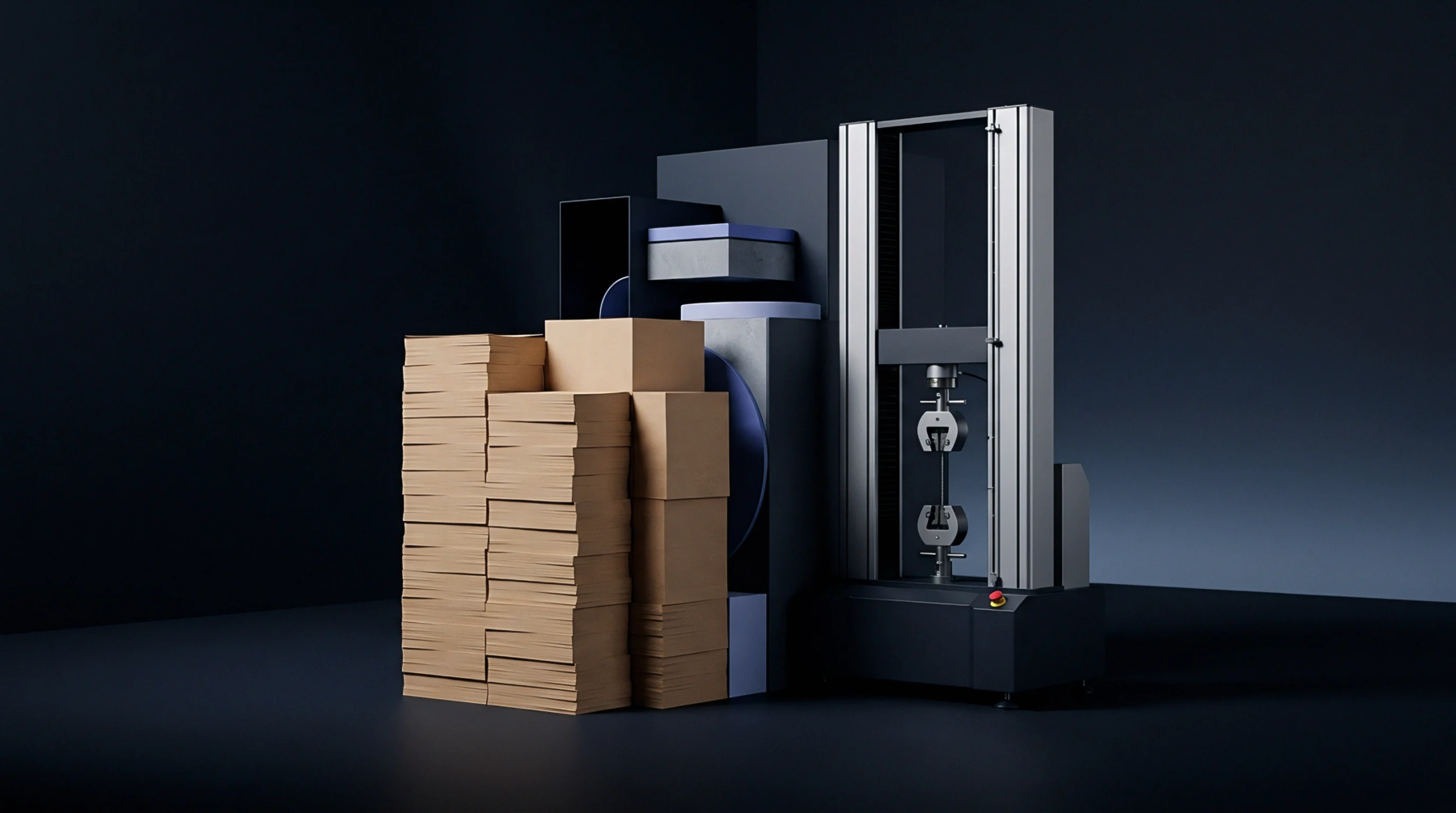
Verify polymer barrier paperboard through creased Cobb testing, migration simulant suites, Cepi repulpability yields, and lot-matched Declarations of Compliance.
Microfibril moisture binding follows GAB sorption kinetics where mesopore condensation above M0 plasticizes fiber networks, requiring crosslinking to preserve barriers.
Dynamic moisture sorption degrades cellulosic packaging strength through mechano-sorptive creep, requiring GAB equilibrium mapping and transit humidity verification.
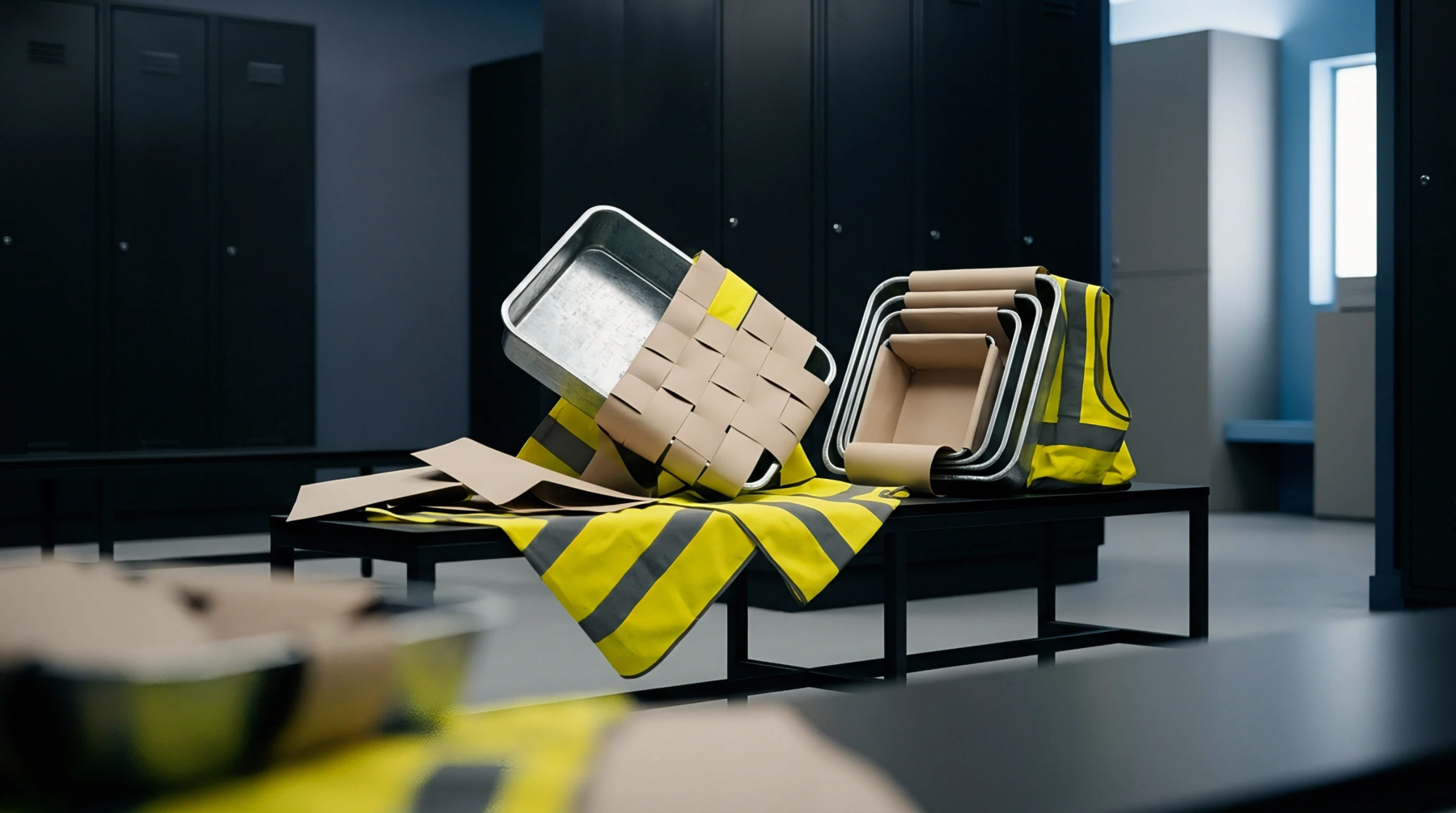
Water-based dispersion coatings achieve food barrier requirements while maintaining full fiber repulpability and standard mill recovery yields.
Optimizing carboxylated acrylic dispersion coatings enables complete mechanical pulp fiber liberation while keeping screen rejects below one percent.

Verify certificate status against public scope schedules to ensure product group codes, grammages, and converting sites explicitly cover every delivered batch.

Modulated EPR fees convert barrier coating repulpability yields directly into landed unit carton costs across European markets.
Expertise is a utility, not a secret. sentiention™ publishes its working knowledge as open reference: intelligence layer covering the materials it sources, the markets it enters, and the reference that serves both.