Pulp Fractionation
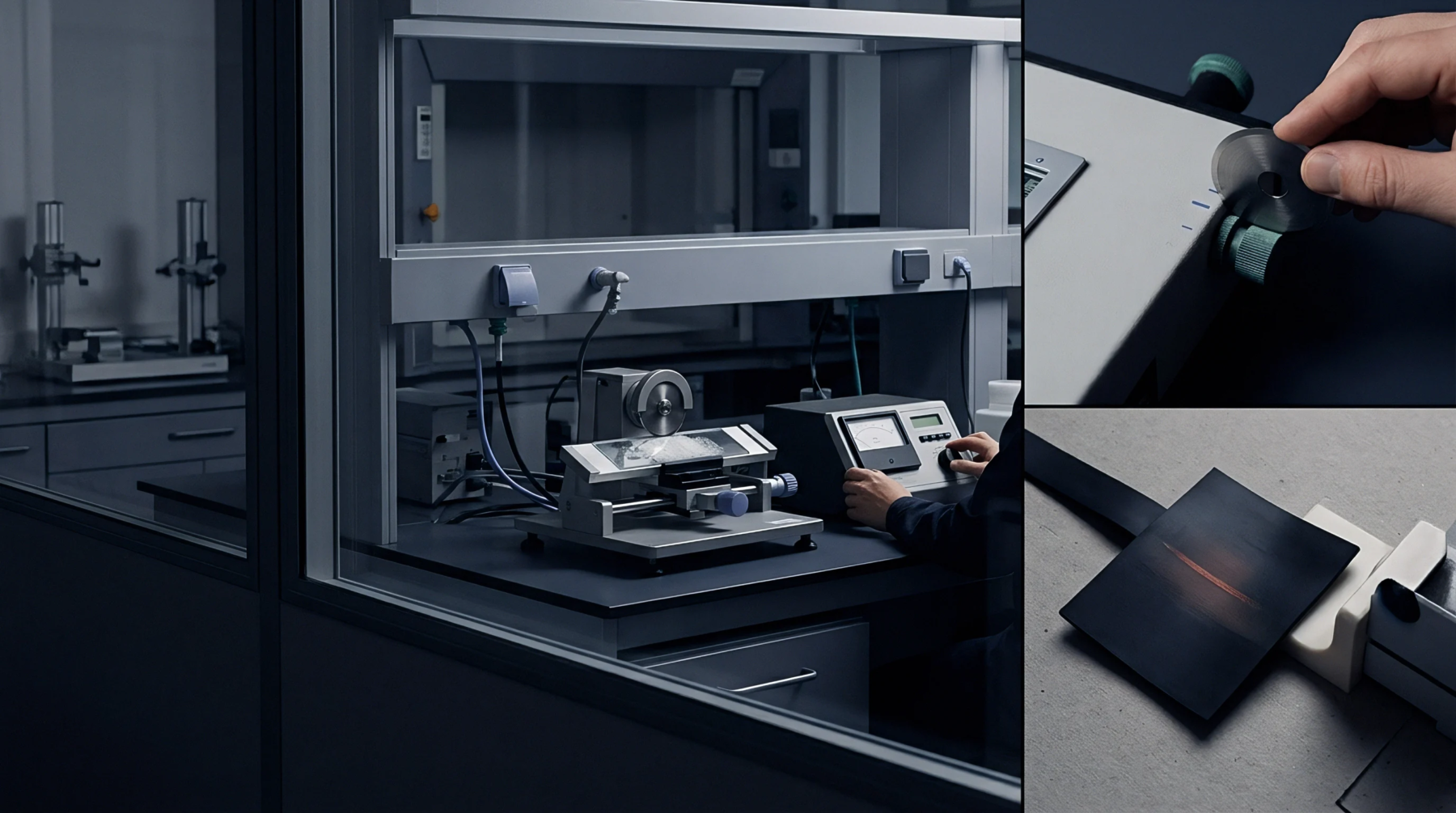
Fiber analysis instrumentation measures pulp properties through hydrodynamic screening. The Pulmac MasterScreen evaluates morphological traits by separating papermaking fibers according to length and coarseness parameters. Paper mills utilize this classification mechanism to predict tensile strength and formation quality prior to machine wet end processing.
Shive content and coarse debris are isolated from the acceptable fraction to verify incoming market pulp compliance against mill specifications.
Screening Mechanics
Pressurized water forces pulp slurries against slotted cylinder plates during testing cycles. Slot widths determine which constituent particles pass through the barrier and which retained elements remain on the surface for subsequent gravimetric measurement. Hydrodynamic shear forces prevent fiber entanglement during the classification stage.
Operator intervention is restricted to sample introduction and initial parameter selection on the digital controller. Resulting mass distributions establish the precise fraction profile needed for high performance corrugated medium manufacturing.
Quality Thresholds
Tensile performance depends heavily upon the proportion of long fibers retained during fractionation routines. Low retention values signal excessive refining damage or poor raw material selection from suppliers. Packaging converters demand specific drainage characteristics to maintain stable operating speeds on modern high speed corrugating lines.
Accurate classification prevents web breaks during heavy weight linerboard production runs.