Substrate Composition
Resistance to environmental moisture and gaseous migration represents the fundamental objective of high-performance paper-based packaging materials. Barrier paperboard achieves these properties through the application of specialized coatings or the lamination of synthetic films onto the fibrous substrate. These layers modify the inherent porosity of the wood pulp matrix to prevent the transfer of fats, oxygen, or water vapor into the contents.
Achieving a desired level of protection requires precise coordination between the base weight of the board and the chemical formulation of the surface treatment. Manufacturers select specific chemical agents such as fluorochemicals or aqueous polymers depending on the required level of grease resistance or moisture vapor transmission rate.
Performance Metric
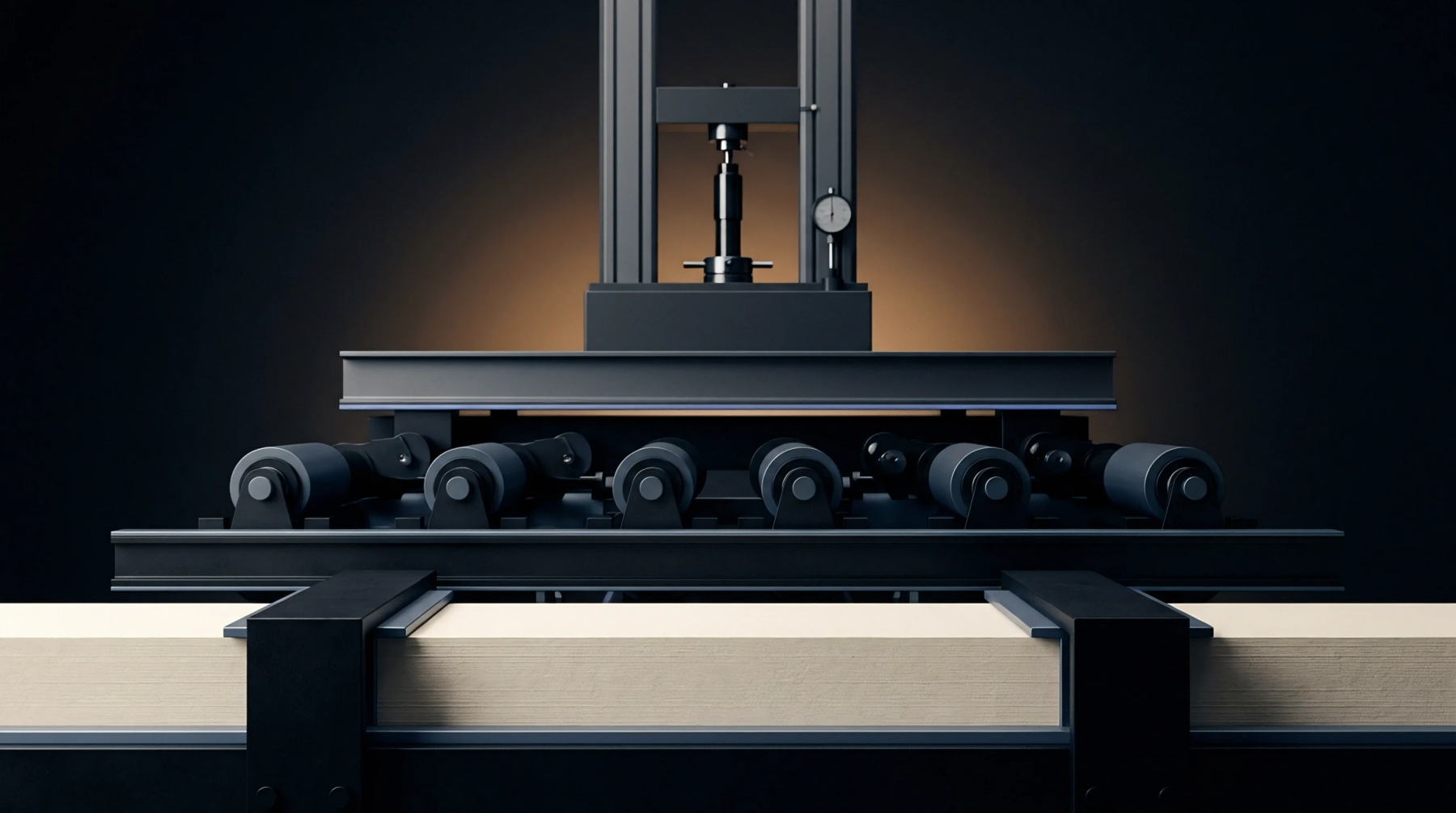
Testing laboratories verify the effectiveness of the protective layer using standardized protocols to measure permeability under controlled temperature and humidity conditions. Water vapor transmission rates determine the suitability of the substrate for dry goods, while oil kit tests evaluate the resistance to lipid penetration. Production lines demand high consistency in these metrics to prevent failure during high-speed folding and filling operations.
Microscopic fractures in the film during the creasing process reduce the protection level of the material.
Converting Constraint
Successful integration of the substrate into automated packaging machinery relies on maintaining surface friction and stiffness characteristics during the application of heat and pressure. Applying a dense film often alters the bond strength of adhesives used at the flap seal, which requires a switch to specialized resins that can penetrate the treated surface. Engineers adjust the heat sealing dwell time to ensure the coating softens sufficiently without scorching the underlying fibres.
Proper moisture management during the storage of the rolls prevents the material from becoming too brittle for clean score lines. The internal structure of the material creates a distinct threshold for durability before the protective seal compromises.