Recycling Process
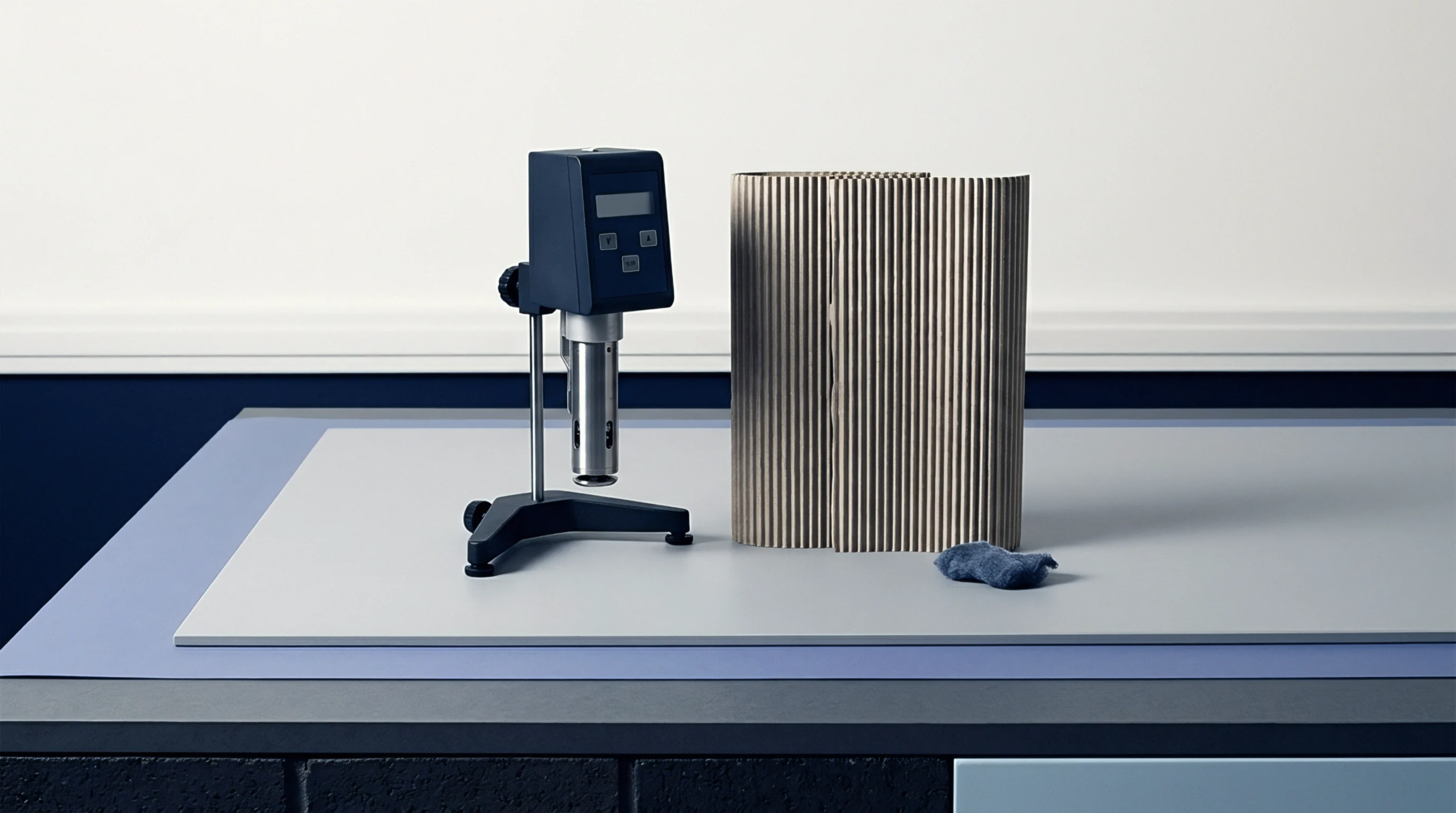
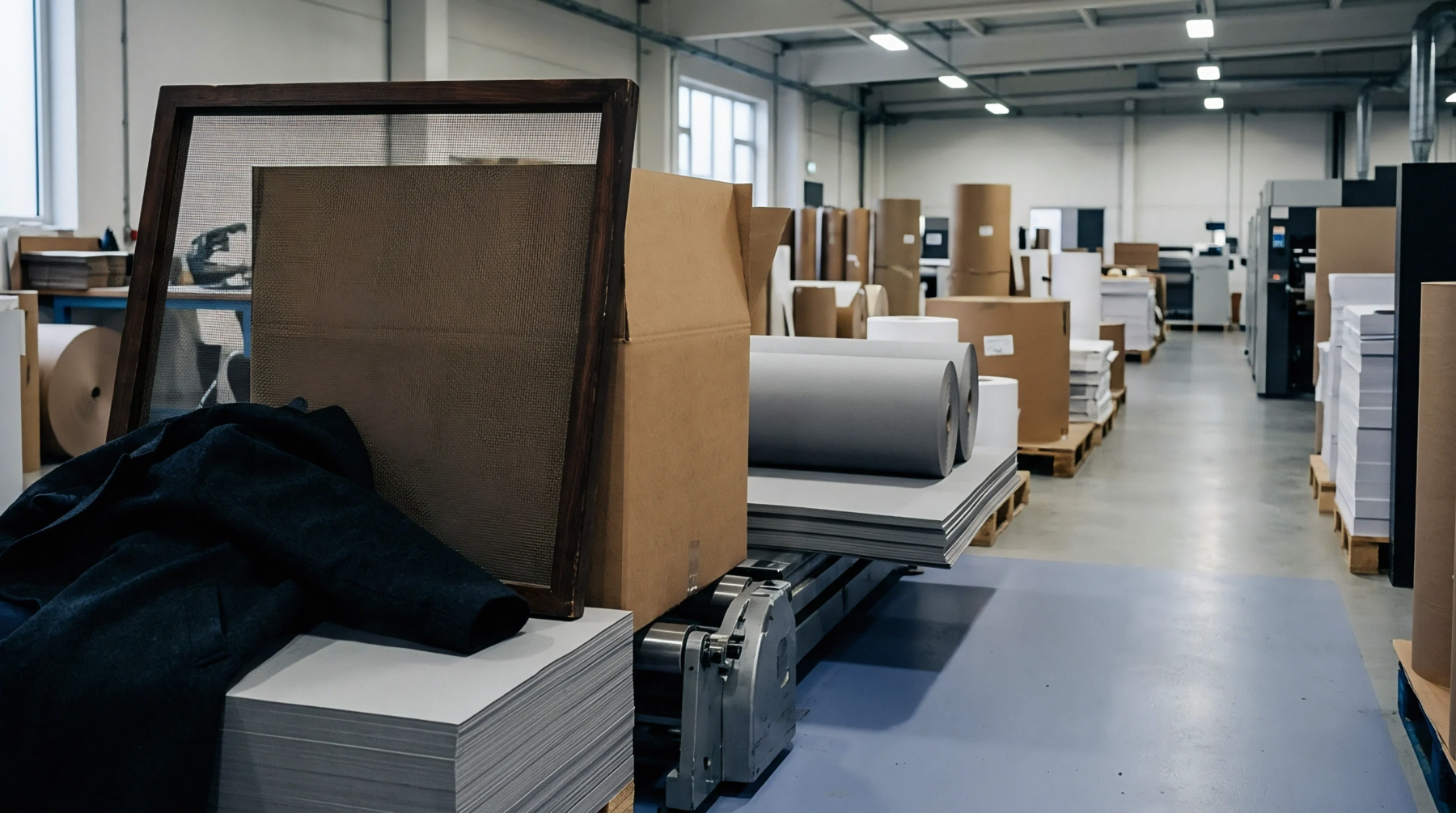
Industrial recycling processes disintegrate recovered paper products in water to recover the individual cellulose fibers for reuse. A high degree of paperboard repulpability means the material can be broken down efficiently in a standard hydrapulper without leaving behind un-fibered flakes or sticky residue. This property is often compromised by the presence of synthetic polymers or wax coatings that do not dissolve or separate easily during the pulping stage.
Ensuring that these components can be screened out is a primary design goal. It allows the pulp to be safely returned to the paper mill for new board production.
Substrate Composition
Chemical additives and barrier coatings applied to the sheet must balance performance during use with ease of breakdown afterwards. To achieve paperboard repulpability, specialty chemicals are selected that disperse or dissociate under the alkaline conditions of the recycling circuit. High-yield pulping is supported when the coating remains as large particles that can be filtered out while the fibers pass through the screen.
Unsuitable materials clog the machinery and contaminate the finished paper.
Environmental Performance
Sourcing certified repulpable substrates helps packaging producers reduce their ecological impact and meet waste regulations. If a product lacks paperboard repulpability, it must be incinerated or sent to a landfill instead of being recycled. Standardized laboratory tests simulate industrial pulping to verify that the board can be processed by standard recycling facilities.
This step is critical for building a circular economy.