Diffusion Rate
Solvent movement into a polymer matrix occurs through mass transfer kinetics. This physical phenomenon describes the temporal velocity at which molecules migrate from a region of high concentration to a lower concentration across a boundary layer. It defines the efficiency of coating application during the production of barrier papers.
Molecular Flux
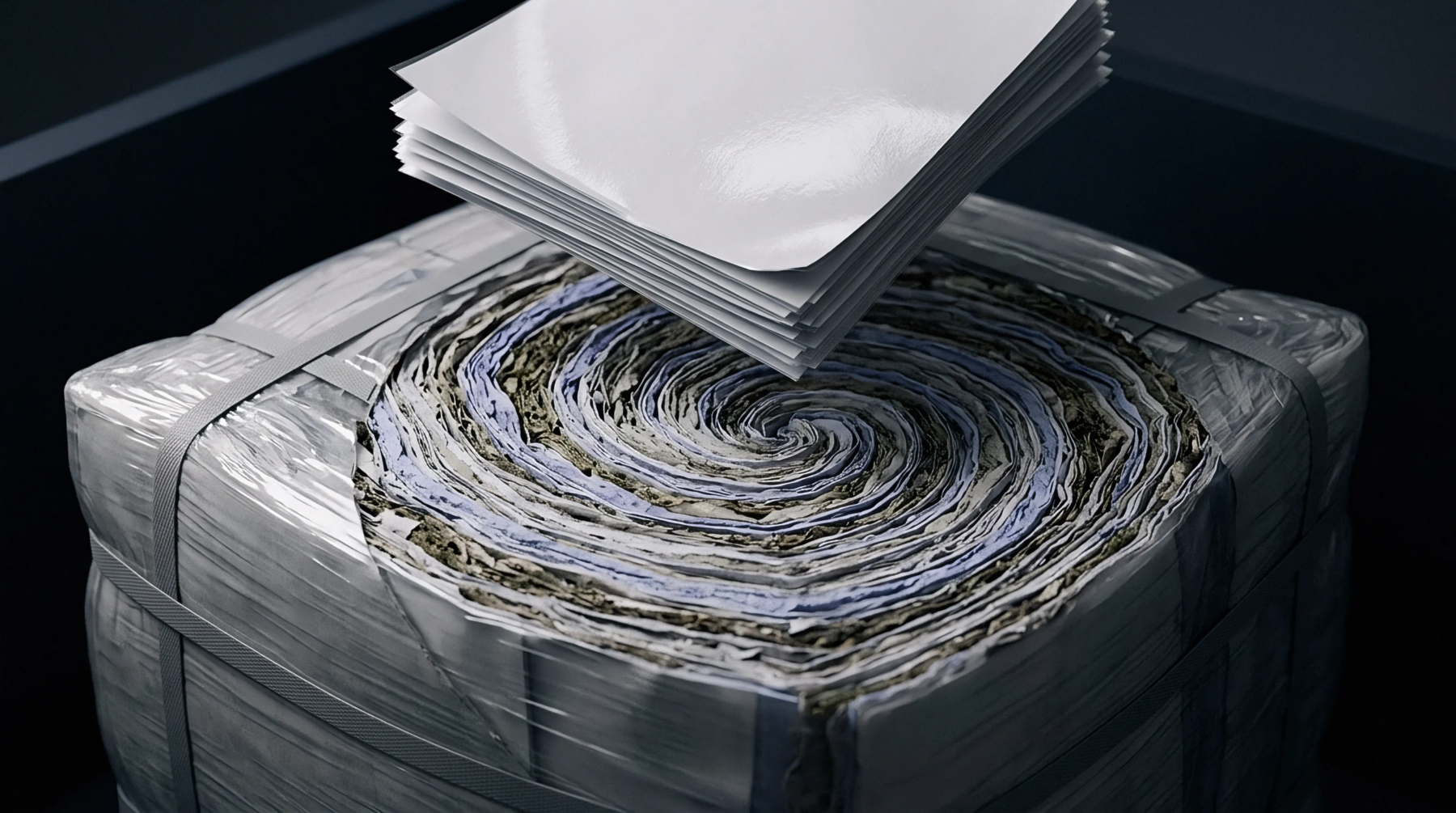
Concentration gradients dictate the speed of these chemical movements within liquid or gas phases. When a wet coating meets a dry paper substrate, the liquid components permeate the porous structure based on the viscosity of the ink or adhesive. Variations in temperature change the energy state of the particles and consequently alter the speed of absorption.
A thicker barrier layer slows the rate because the particles must navigate a longer tortuous path through the cellulose fibres. The surface tension of the substrate and the wetting angle of the liquid influence how quickly this interaction finishes.
Process Limit
Industrial converters rely on these values to predict the time required for a coating to settle and anchor to the base paper before the reel enters the drying oven. Insufficient time for diffusion results in poor adhesion or surface defects where the coating remains unstable. Production lines increase line speed only when the chemical activity stays within the established limits for absorption.
Total drying energy expenditure depends on the accurate calculation of how quickly solvent departs the liquid phase. The mechanical strength of the final bond relies on these controlled rates to ensure a uniform distribution of resins within the fibre matrix.