Standard Fiber Recovery Testing for Single Polyethylene Coated Cartonboard
Standard testing requires disintegrating 4% stock at 40°C, separating films via 0.15mm slotted screens, and confirming >80% yield with macro-stickies below thresholds.
Separation
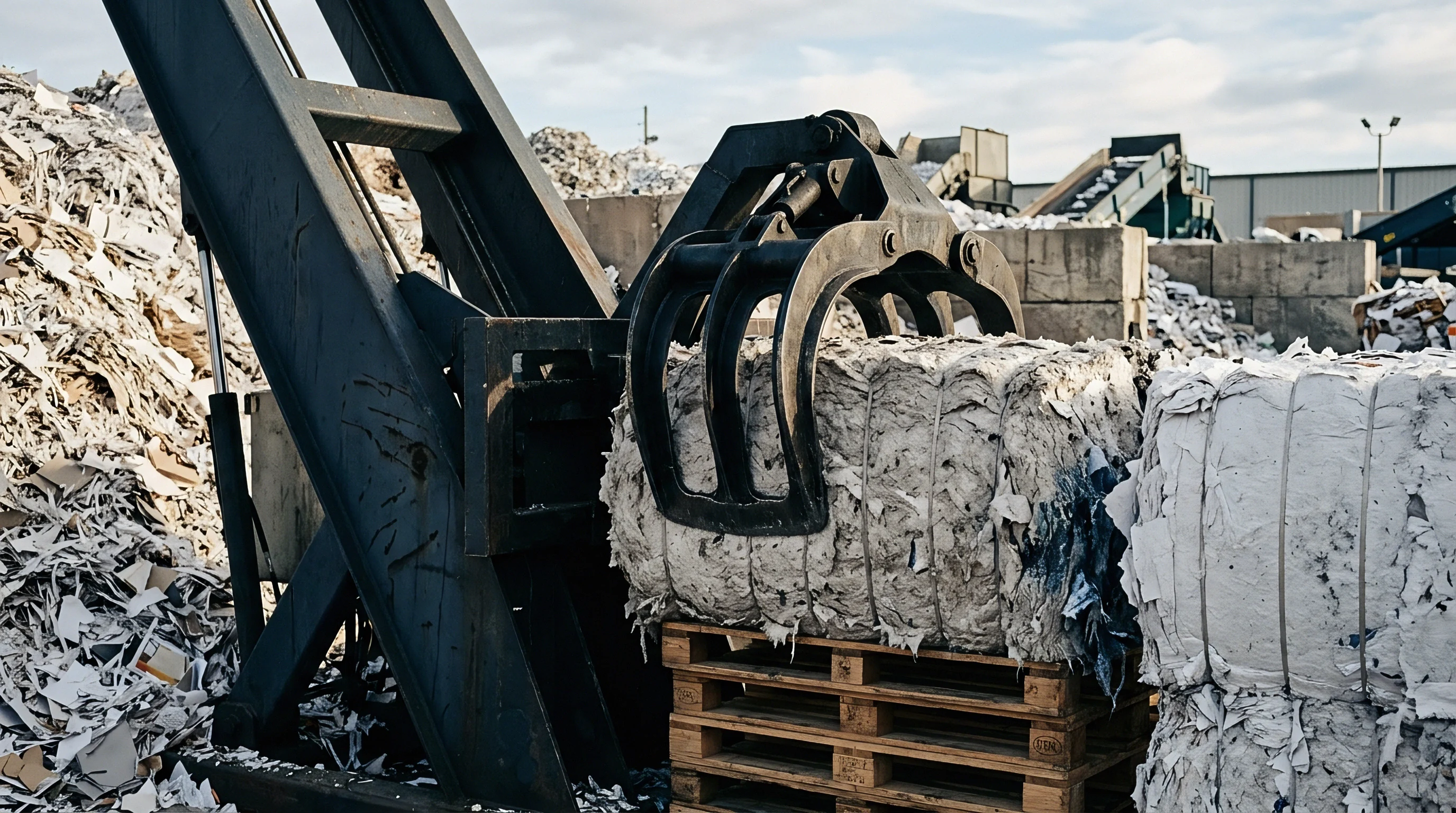
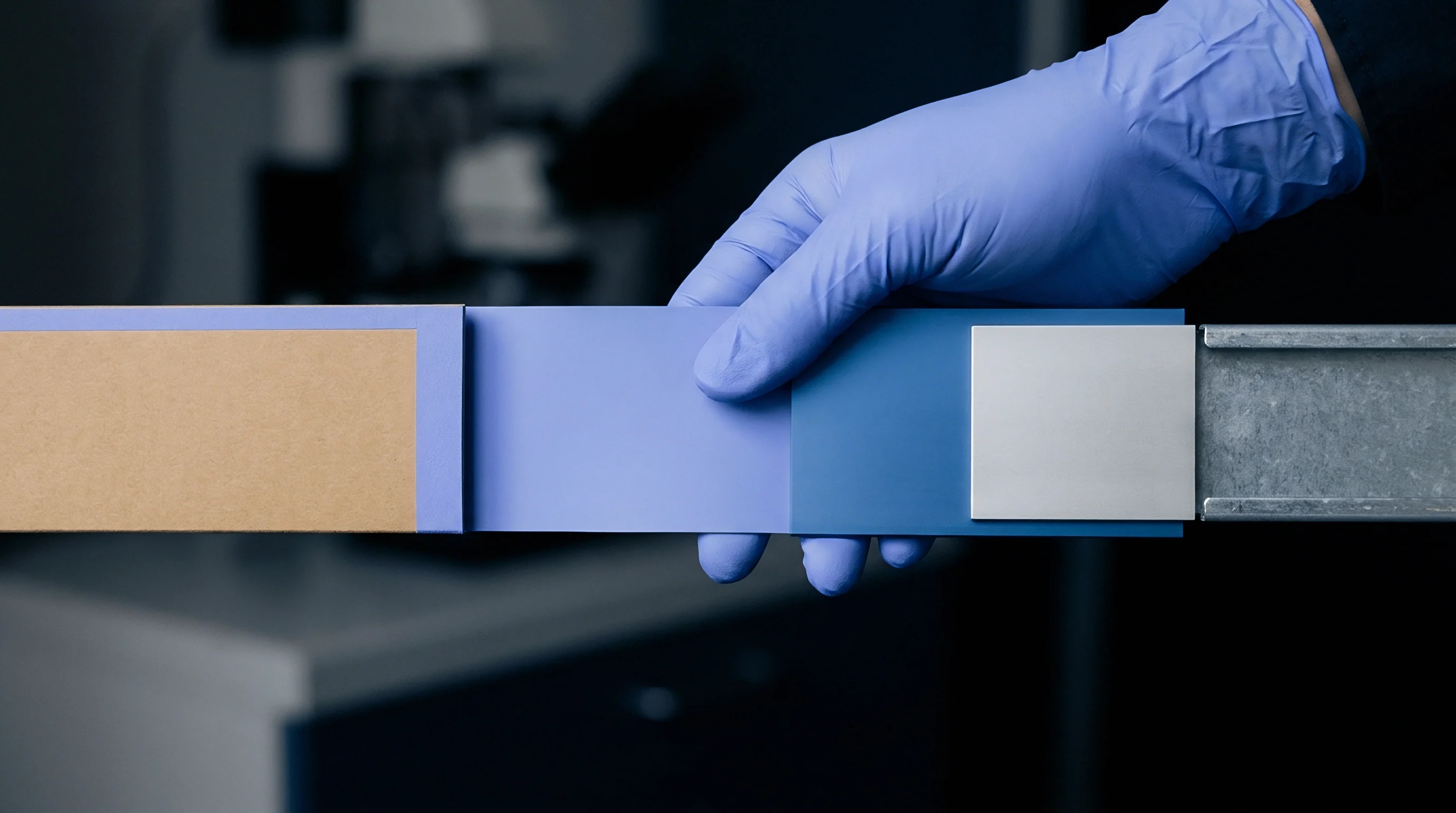
A sheet of cartonboard carrying 15 grams per square meter of extruded low-density polyethylene enters the repulping hydrapulper as two materials trapped in a single mechanical bond. The fiber recovery test determines whether industrial mill screening separates the cellulose skeleton from that polyolefin film, or whether water-resistant polymer fragments carry usable virgin fiber into the reject line. Mills evaluating single-polyethylene stocks run standardized disintegration routines to isolate this yield boundary.
The core metric balances fiber release against screen blinding. Mechanical shearing breaks fiber-to-fiber hydrogen bonds while keeping the plastic film intact as large, screenable flakes.
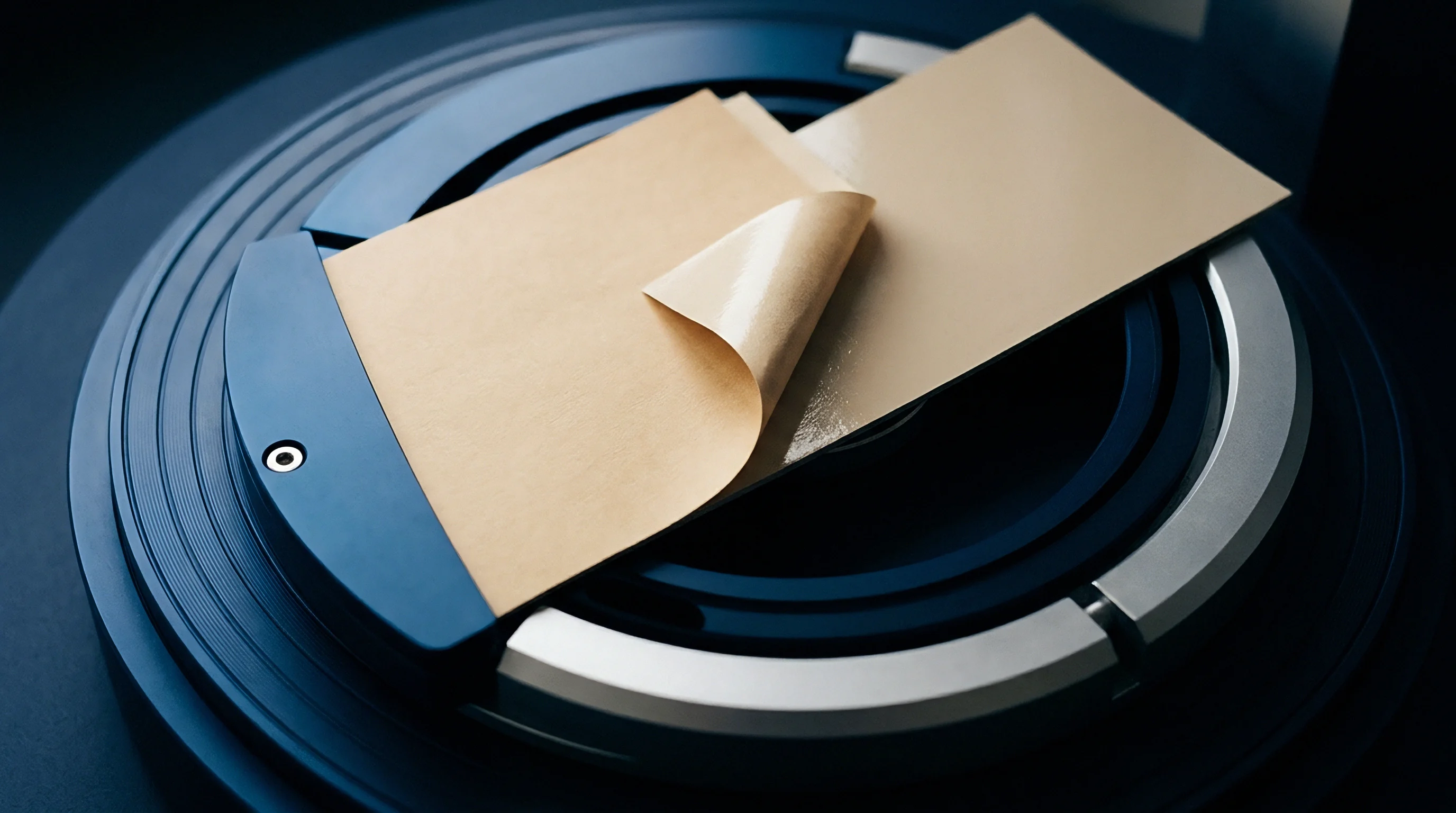
When the extruder applies low-density polyethylene to bleached sulfate board or folding boxboard, molten resin enters the surface pores of the cellulosic sheet under nip chill pressures between 0.2 and 0.5 megapascals. Mechanical interlocking anchors the film. Chemical functionalization via corona discharge creates covalent ester linkages between board hydroxyls and polymer carboxyl groups.
Overcoming this interface during aqueous recovery requires deliberate agitation rather than chemical digestion. Aggressive pulping disperses the plastic into millimeter-sized flecks. These small particles pass through screen baskets, contaminating the final recycled sheet with non-removable polymer specks.
Under standard repulping at four percent consistency, low-density polyethylene films require screen flake retention above ninety-five percent to prevent downstream sheet defects.
Laboratories testing single-sided polyboard apply standardized disintegrator speeds, water temperatures, and screening apertures to quantify recoverable mass. The testing framework fixes energy input to duplicate standard hydrapulper environments. Running an evaluation under gentler agitation inflates reject rates by failing to peel fiber away from the poly boundary.
Conversely, over-shearing the slurry shreds the polymer backing, lowering the measured reject mass while contaminating the accepted pulp. The testing protocol mirrors modern mill screening circuits.
Extrusion Variables Altering Fiber Release
Polyethylene density, melt index, and oxidation levels alter the mechanical peel energy of the coating. Standard extrusion coating uses polyethylene with a melt index between 4 and 8 grams per 10 minutes and a density around 0.920 to 0.924 grams per cubic centimeter. Elevated melt temperatures generate oxygenated polar groups on the polymer melt curtain.
These polar sites form durable hydrogen and covalent bonds with cellulose fibers. A deeply oxidized interface demands higher shear forces to separate, shifting the defibering curve toward longer batch times.
Board sizing agents introduce further resistance to water penetration. Heavily sized liquid packaging board grades, treated with alkyl ketene dimer or alkenyl succinic anhydride, restrict water ingress to the coating interface. Wetting lags behind standard uncoated base stocks.
Uncoated reverse sides allow water entry, yet capillary movement across the z-directional caliper stalls near the hydrophobic polymer boundary. Testing protocols set specific disintegration durations to account for this wetting delay.
Converters tracking fiber recovery calculate yield based on oven-dry solids. Losses concentrate in two fractions: fiber stuck to rejected plastic sheets and disintegrated fines lost through effluent filtration. A target stock must surrender its fibers cleanly, leaving bare polymer flakes on the sorting screen.
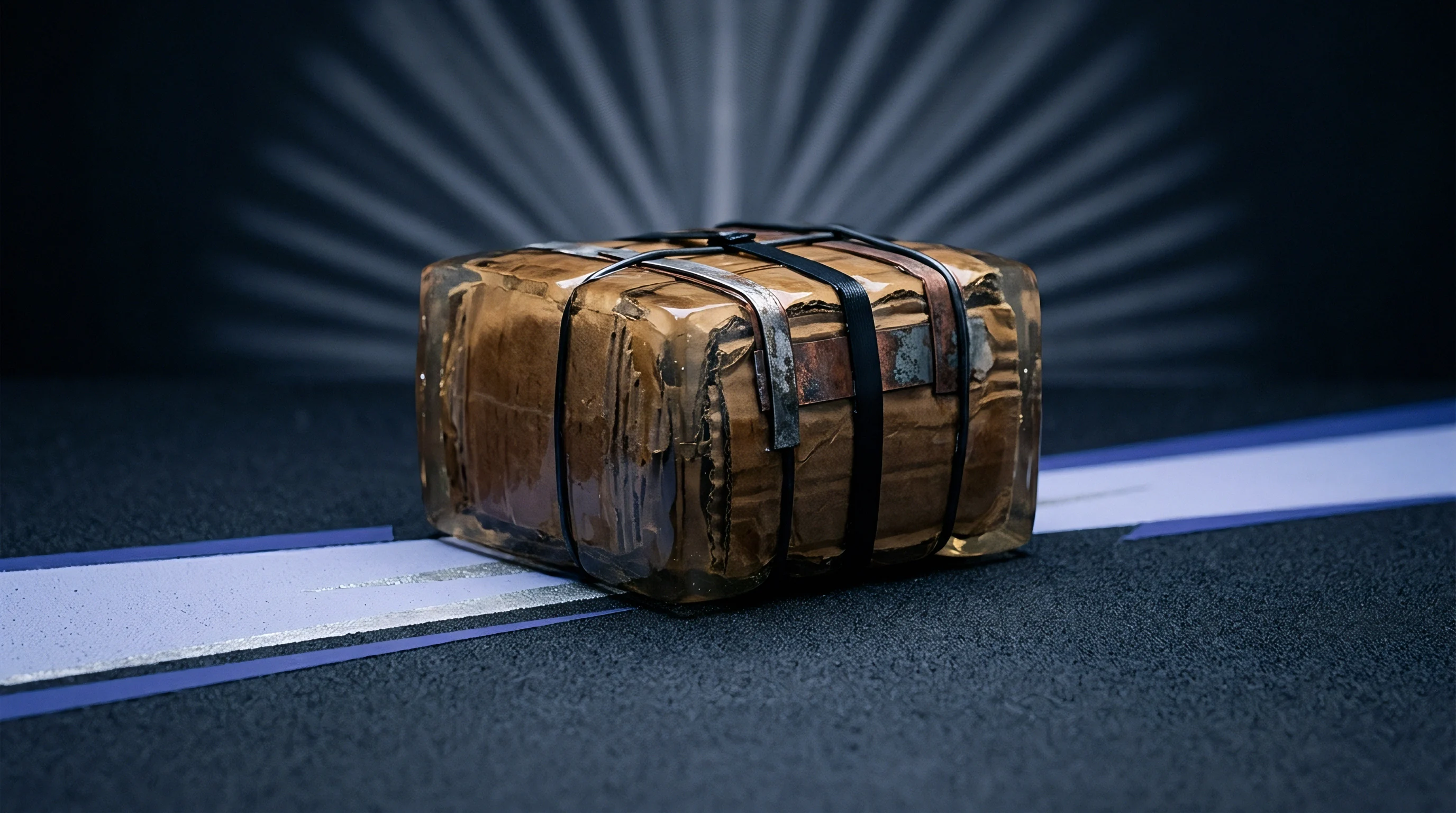
Protocol
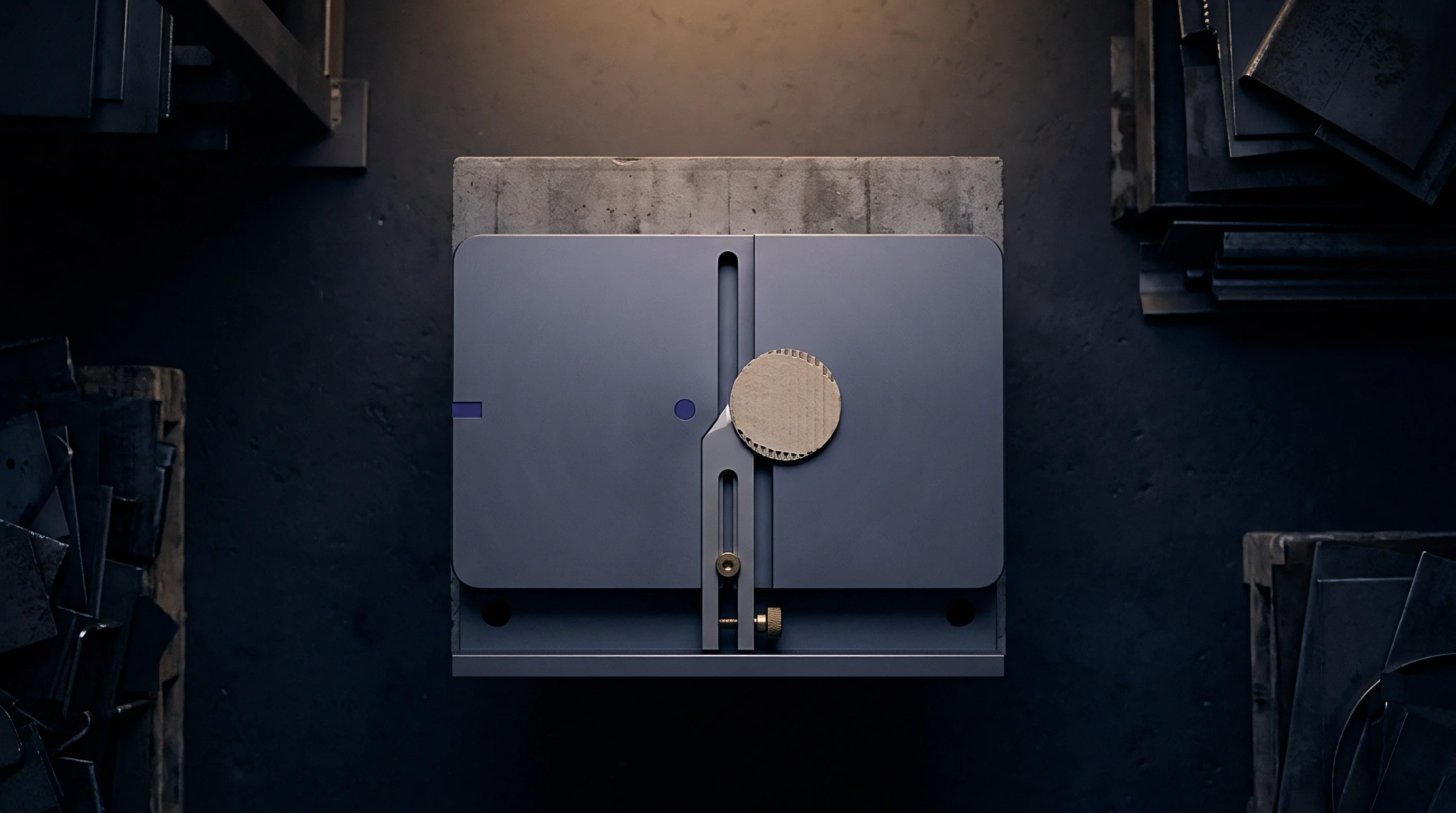
Laboratory quantification of single-polyethylene board recyclability follows precise disintegrator procedures defined by industry bodies, including PTS-RH 021/97, CEPI recyclability test method version 2, and TAPPI UM 264. Conditioning of samples occurs at 23 degrees Celsius and 50 percent relative humidity under ISO 187 parameters. Technicians cut cartonboard into squares measuring approximately 25 by 25 millimeters, avoiding raw edge compression that falsely accelerates delamination.
Water conditioning sets the initial batch temperature to 40 degrees Celsius, simulating common continuous hydrapulper conditions.
Disintegration operates at a standardized stock consistency of 4.0 percent bone-dry fiber mass. Agitation occurs within a standard laboratory disintegrator meeting ISO 5263 specifications, driven at 2,980 revolutions per minute. The total energy input corresponds to a fixed revolution count, commonly set between 30,000 and 50,000 revolutions depending on the qualification tier.
Incomplete agitation leaves fiber bundles bonded to the film, while excessive revolutions produce secondary macro-stickies.
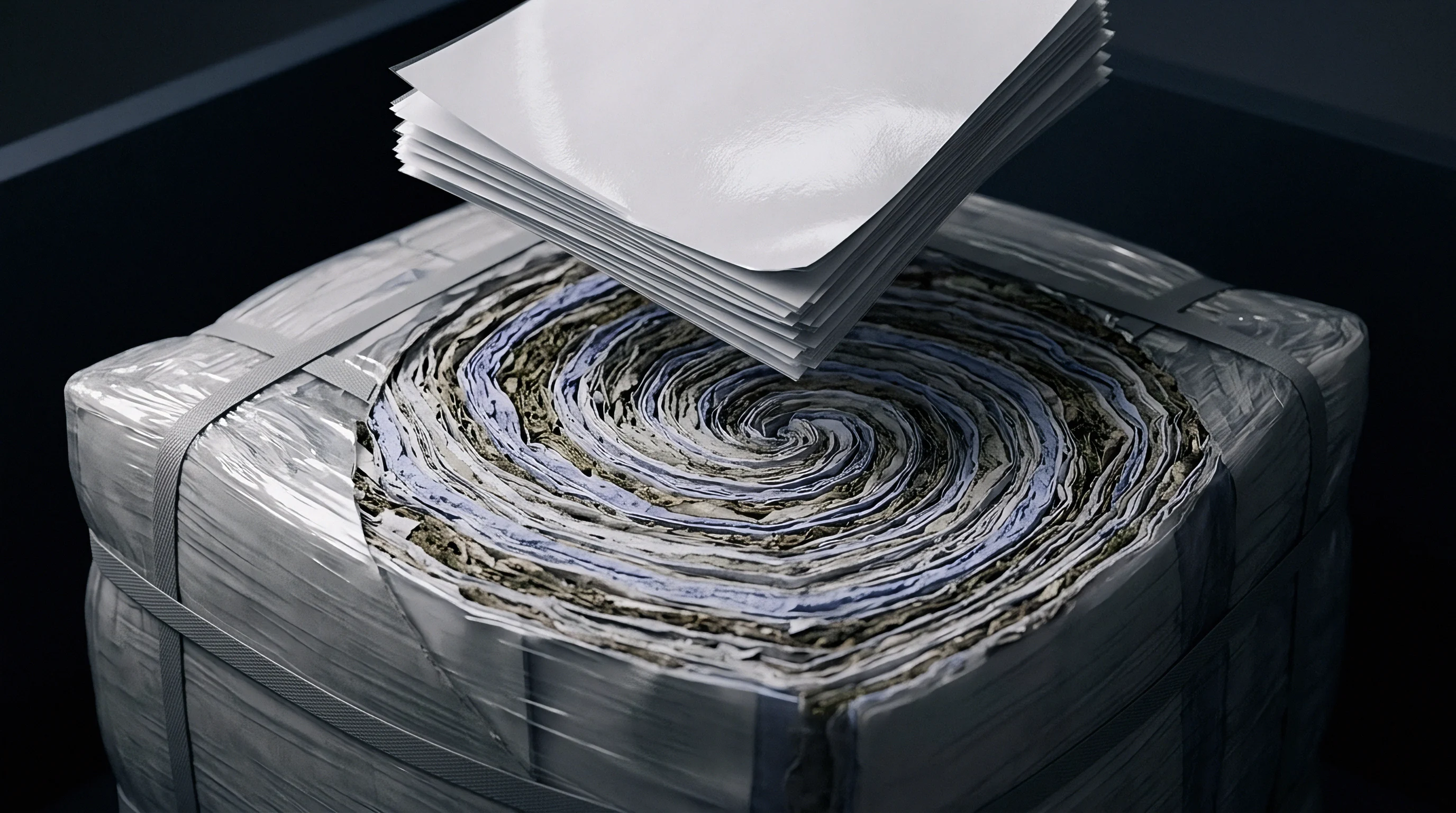
Mechanical Fractionation through Slotted Screens
Following disintegration, the diluted slurry passes through laboratory fractionation devices, such as the Somerville screen or the Haindl fractionator. These units feature precise aperture dimensions designed to capture plastic contamination while accepting clean individual fibers. Slotted screen plates utilize apertures machined to a width of 0.15 millimeters (150 microns), whereas perforated alternatives rely on round holes of 1.0 to 1.6 millimeters.
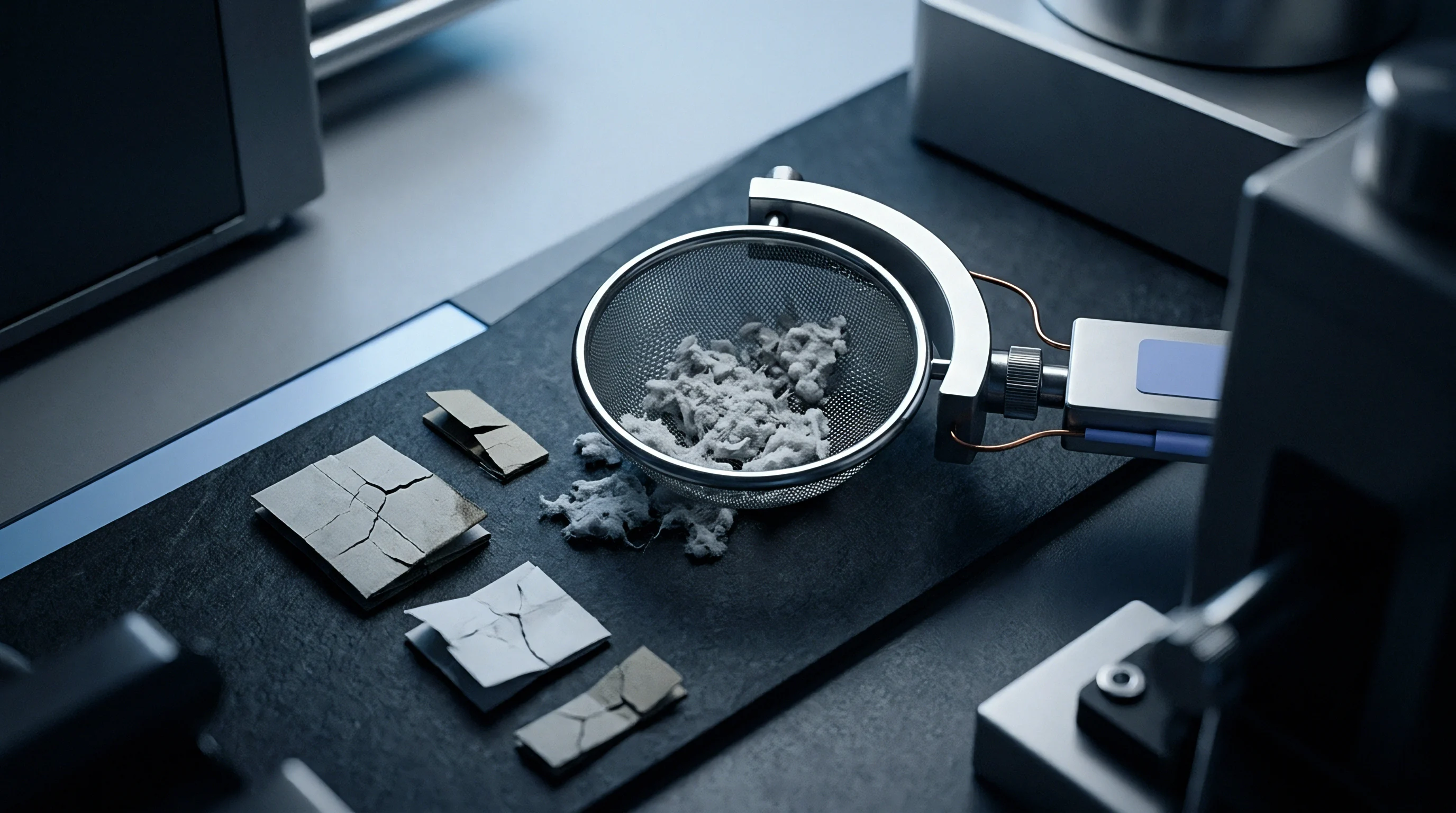
The fractionator operates under continuous water spray pressure to wash remaining fiber bundles through the screen slots. Polymer flakes, resisting slot passage due to their two-dimensional planar area, remain on the plate surface. Operators collect the screen reject fraction, wash it over a secondary nylon mesh, and subject the captured solids to gravimetric analysis.
| Parameter | CEPI Method 2 Laboratory Scale | PTS-RH 021/97 Category II | TAPPI UM 264 Standard |
|---|---|---|---|
| Stock Consistency | 4.0 percent solids | 5.0 percent solids | 2.0 percent solids |
| Water Temperature | 40 degrees Celsius | 40 degrees Celsius | 25 degrees Celsius |
| Agitation Cycles | 30,000 to 50,000 revolutions | 1,000 to 1,500 rotor seconds | 15,000 revolutions |
| Screen Plate Geometry | 0.15 mm slotted plate | 0.15 mm slotted screen | 1.6 mm perforated screen |
| Washing Water Volume | 100 liters over 20 minutes | Flow-regulated rinse | Batch cycle wash |
The accepted slurry drains into a collection vessel where fiber mass is isolated via dewatering sheets. Technicians dry the accepted fiber pad, the reject polymer mass, and the water-soluble fraction to absolute dry weight at 105 degrees Celsius according to ISO 638. Discrepancies between total incoming dry mass and recovered fractions reveal fines lost through the screen fabric.
When mass balances fail to close within a two-percent error margin, operators nullify and repeat the run.
A supplier can insist that unpeeled fibers are fully separable under extended industrial hydrapulping residence times, but laboratory screening protocols evaluate performance solely at the specified cycle limit.
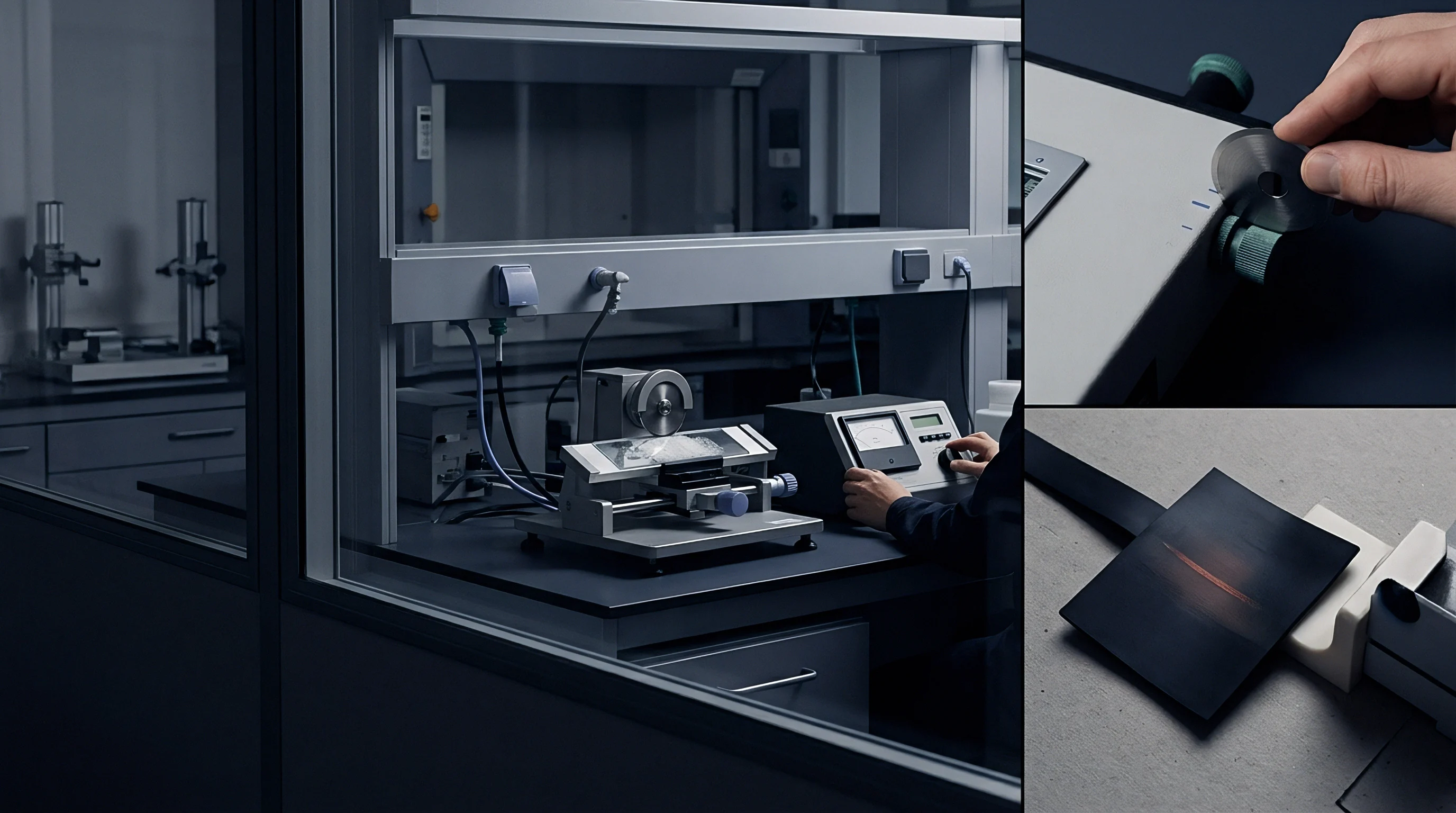
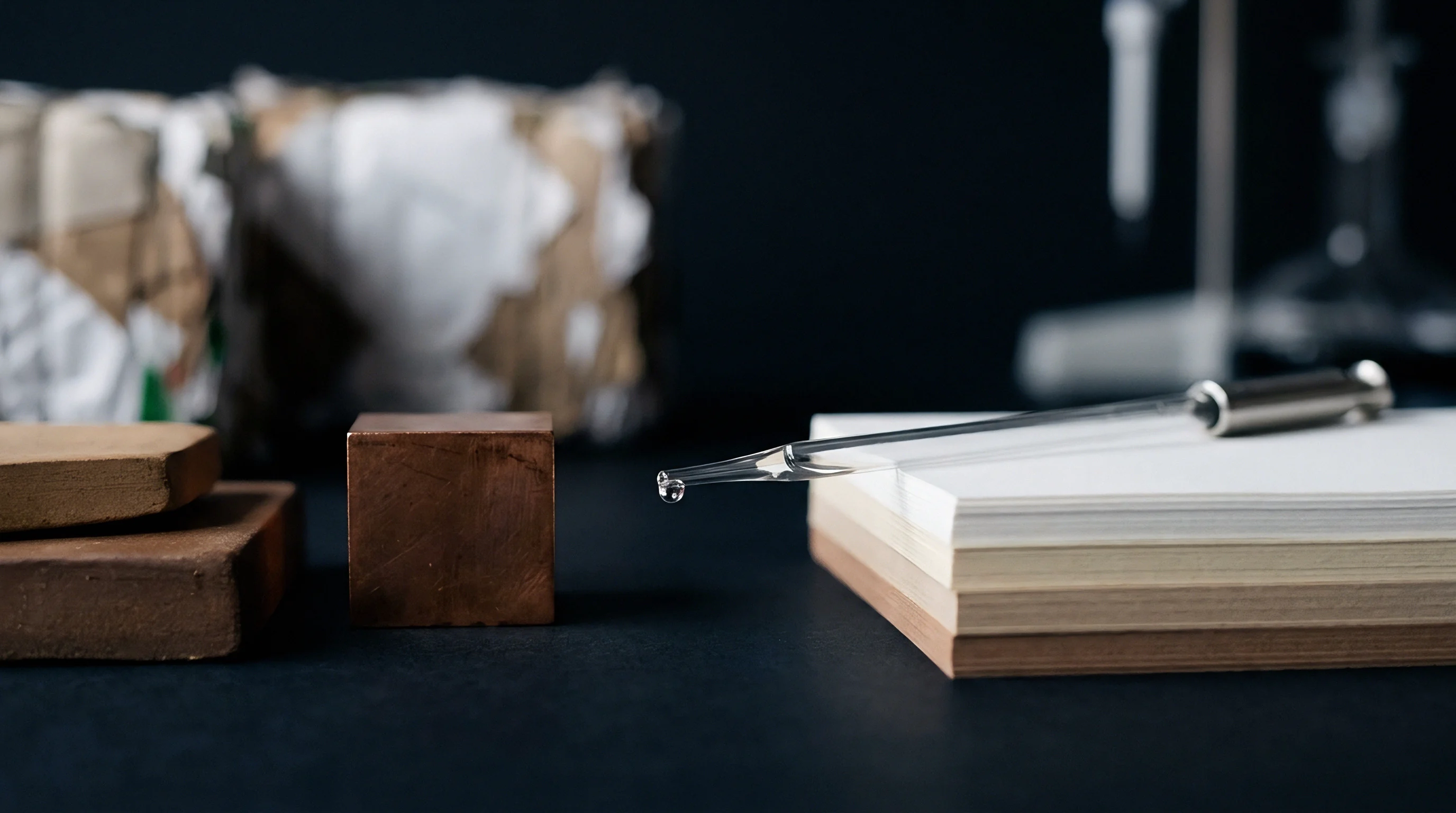
Yield
Mass recovery testing defines the commercial viability of reprocessing single-polyethylene packaging. Calculating dry mass distribution requires separate isolation of fiber, polymer backing, non-fibrous mineral coatings, and chemical fillers. In a typical bleached board with a substance of 230 grams per square meter carrying 15 grams per square meter of extruded low-density polyethylene, the synthetic barrier represents approximately 6.1 percent of total substrate weight.
The theoretical ceiling for absolute fiber recovery cannot exceed the remaining organic cellulose content.
Pigment coatings on the reverse or print side complicate this mass balance. Solid bleached sulfate or folding boxboard often incorporates a kaolin clay or calcium carbonate base coat bound with styrene-butadiene latex. During pulping, mineral pigments disperse as colloidal fines smaller than 5 microns.
These minerals traverse both 150-micron screen slots and standard collection wires, leaving the fiber balance as an ash loss. Yield calculations differentiate organic cellulose yield from gross recovered solids.

Mass Distribution Formulas
Gross recovery follows the ratio of oven-dry accepted fiber solids against total oven-dry input stock. The screening yield calculation isolates cellulosic material using the formula:
Yield Percentage = (Oven Dry Mass of Accepted Stock / (Initial Board Dry Mass – Barrier Film Dry Mass)) 100
This formula isolates fiber detachment efficiency from the non-recoverable plastic polymer baseline. Total mill recovery, conversely, measures total dry matter saved per metric ton of raw scrap delivered to the facility. Retaining mineral ash inside the fiber acceptance fraction artificially inflates recovery figures, though mills run ignition loss tests at 525 degrees Celsius per ISO 1762 to adjust for non-cellulose content.
A minimum coarse reject threshold above eighty percent cellulose yield governs acceptance across continental standard recovery mills.
Rejects captured on the 0.15-millimeter screen consist of two distinct fractions: stripped polyethylene films and unseparated board flakes. Boiling or chemical dissolution methods quantify the fiber bound to rejected plastic. Technicians treat the dry reject mass with hot xylene or trichlorobenzene to dissolve the polyethylene carrier, filtering the remaining insoluble cellulose.
High fiber content in the reject fraction points directly to inadequate pulping kinetics or excessive resin penetration during the extrusion pass.
Substrates failing to yield 80 percent clean fiber after 50,000 disintegrator revolutions generate operational friction. Processing them requires longer residence times, increasing energy expenditure per ton of pulp produced. Mill pulpers reduce batch cycling throughput, which directly lowers production output.
Flaking
The physical breakdown of cartonboard during hydrapulping follows a fragmentation progression known as flaking. As water saturates the fiber network, hydration swells internal fiber walls, weakening inter-fiber hydrogen bonds. Shear stress applied by the rotating rotor tears the softened board into progressively smaller fragments.
Single-polyethylene coated boards display distinct behavior during this phase because the continuous polymer sheet resists fluid transmission across one face.
Mechanical shear must rip the board into postage-stamp-sized flakes without shredding the polymer backing. The polymer film maintains mechanical integrity while cellulose layers break apart beneath it. If shear forces exceed the tensile strength of the extruded film, the barrier tears into micro-fragments.
These polymer fragments align with the fluid vortex and pass through screen apertures end-on, introducing plastic contaminants into the recovered pulp stock.

Factors Dictating Film Integrity during Agitation
Film thickness dictates resistance to disintegrator shredding. Polyethylene coatings below 12 grams per square meter exhibit low tear resistance, causing the film to shatter under prolonged hydrapulper impact. Coatings of 18 to 25 grams per square meter retain sufficient film tensile strength to survive intact, peeling away as broad sheets that coarse screens collect easily.
- Tensile strain at break keeps large poly flakes intact under rotor shear, allowing slotted screens to collect the barrier cleanly without micro-plastic contamination.
- Extrusion chill roll surface finish alters the polymer skin morphology, influencing mechanical drag and turbulence interactions inside the disintegrator vat.
- Board internal bond strength controls the cleavage plane during initial wetting, dictating whether separation leaves bare fibers or large cellulose chunks glued to the plastic.
- Hydrophobic sizing level delays moisture uptake across the sheet thickness, requiring longer agitation dwell times before fiber networks soften sufficiently for peel release.
Delamination takes place through cohesive failure within the surface fibers of the board rather than clean adhesive failure at the exact polymer boundary. The extruder pushes hot low-density polyethylene into the open fibrous surface, embedding surface fibers inside the solidified resin. During mechanical flaking, cellulose fibers fracture internally, leaving a microscopic layer of fiber fragments permanently bonded to the plastic scrap.
This residual fiber layer represents an unavoidable loss in single-polyethylene recycling. Washing cycles extract loose fibers, but embedded fibers leave the system with the rejected plastic waste. The physical nature of extrusion coating locks this loss into the process.

Contaminants
A successful fiber recovery test accounts for downstream pulp purity as well as mass yield. Small quantities of fragmented polyethylene passing through 0.15-millimeter screen slots represent critical contaminants. These fragments, categorized as macro-stickies and micro-plastics, lack water absorbency and soften under heat.
When accepted pulp passes through drying cylinders on a paper machine, suspended polyethylene particles melt, sticking to forming fabrics and drying felts.
Contaminant analysis isolates these synthetic particles using visual image analysis, black-dye absorption, or thermal transfer methods like the Haindl test. Technicians cast laboratory handsheets with a basis weight of 60 grams per square meter from the accepted stock under ISO 5269-1 standards. Visual inspection under low-angle light highlights non-reflective polyethylene particles.
Alternatively, heating the sheet between silicone release papers at 130 degrees Celsius melts polymer particles into visible, translucent grease spots.
Contaminant Size Classifications and Thresholds
Debris dimensions determine how the contamination behaves in the papermaking system. Macro-contaminants hold dimensions exceeding 100 microns, making them visible to the naked eye as surface specks. Micro-contaminants fall between 1 and 100 microns, dispersing throughout the wet web.
These smaller particles evade upstream cleaner banks and flotation cells.
| Contaminant Class | Dimensional Range | Primary Defect Mechanism | Maximum Tolerable Level in Pulp |
|---|---|---|---|
| Macro-Stickies | Greater than 100 microns | Forming wire blinding, sheet holes | Below 100 mm² per kilogram dry pulp |
| Micro-Stickies | Between 20 and 100 microns | Dryer felt deposits, surface picking | Below 250 mm² per kilogram dry pulp |
| Colloidal Polyethylene | Under 20 microns | White water loop buildup, sizing loss | Below 50 parts per million |
| Residual Flakes | Greater than 2.0 millimeters | Calender roll wrapping, web breaks | Zero tolerance in accepted stock |
Polyethylene contamination damages converting performance on paper machines utilizing recovered fiber. During printing passes, low-density polyethylene flecks on the board surface reject water-based inks and fountain solutions, producing unprinted pinholes. In hot-melt gluing stations, foreign surface poly reduces glue bond strength, causing finished carton seams to pop open during shipping.
Certification protocols set strict limits on contaminant surface area within accepted pulp handsheets. Testing frameworks penalize materials generating total sticky areas over 2,000 square millimeters per kilogram of dry fiber, categorizing them as unrecyclable even when gross fiber recovery crosses acceptable yield limits.
Under standard screening conditions, macro-sticky areas exceeding two thousand square millimeters per kilogram of pulp trigger automatic lot rejection.
The standard testing dossier must record both recovered fiber mass and visual contaminant counts. Measuring yield without checking contamination levels risks approving board that runs cleanly through the pulper but clogs the papermaking line.
Evaluation
Laboratory test data maps directly to recyclability scoring systems used across global markets. Qualification models, including the 4evergreen Recyclability Evaluation Protocol and the PTS Method, assign a single numerical recyclability score based on laboratory results. These frameworks evaluate materials across four standardized criteria: fiber yield, screening efficiency, sheet formation properties, and adhesive stickiness.
Coated boards fail the standard if a single metric misses its threshold, regardless of overall average performance.
The 4evergreen protocol sorts materials into distinct recycling categories based on pulping behaviors. Standard mills process cartonboard alongside mixed paper and old corrugated containers, utilizing neutral hydrapulping temperatures and coarse screen baskets. Specialized mills run thermal chemical pulping loops, handling high-barrier packaging like aseptic cartons and double-sided polyethylene cups.
A single-polyethylene board must achieve certification in standard mills to avoid packaging waste surcharges.
Pulping Efficiency Requirements for Standard Mills?
Standard mill acceptance requires fiber yield above 80 percent alongside coarse reject levels under 20 percent after standard pulping cycles. Screening rejects must dry cleanly, showing minimal unseparated fiber clumps. Visual speck analysis across laboratory handsheets must confirm macro-contaminant levels remain within grade specifications.
Board passing these laboratory hurdles qualifies for standard recovered paper collection streams without requiring specialized secondary recycling operations.
- Conditioning and baseline weighing establish bone-dry starting mass and determine extrusion polymer coating weight through solvent dissolution or ash testing.
- Standardized disintegration subjects the stock to 30,000 to 50,000 revolutions at four percent consistency under 40 degrees Celsius aqueous conditions.
- Screening fractionation separates the slurry using a 0.15-millimeter slotted Somerville plate under continuous wash cycles.
- Gravimetric fraction determination dries accepted fibers, rejects, and wash fines at 105 degrees Celsius to calculate precise mass balances.
- Contaminant evaluation assesses handsheets through thermal pressing and automated optical imaging to measure adhesive spot distributions.
Packaging levies under extended producer responsibility systems penalize substrates classified as non-recyclable. Across European jurisdictions, packaging scoring below recyclability thresholds incurs eco-modulation fees reaching 400 to 800 euros per metric ton over standard base fees. Board that processes cleanly through standard mills avoids these financial penalties, protecting conversion margins.
Single-polyethylene coated cartonboard balances barrier protection against fiber recovery demands. When extruded polymer layers peel away cleanly during pulping without fragmenting into screen-clogging particles, the material fits established recycled paper streams. Verifying this performance through standardized laboratory recovery testing protects packaging buyers from unexpected fee escalations and run failures.
Failure to meet these standard screening metrics leaves the pack exposed to packaging penalty fees and mill scrap rejections.