Bench Testing Mechanics for Machine Direction Folding Boxboard Stiffness
Machine direction boxboard stiffness depends on outer ply elastic modulus and caliper cubed, requiring strict ISO 187 bench testing compliance.
Machine direction boxboard stiffness depends on outer ply elastic modulus and caliper cubed, requiring strict ISO 187 bench testing compliance.
High-velocity rotary die cutting causes ply bond delamination when transient inter-layer shear stress exceeds Z-direction polymer matrix cohesion limits.
Interlaminar shear mechanics govern multilayer paperboard creasing, where controlled internal delamination reduces score stiffness to prevent outer ply cracking.
Dynamic converting shear causes dispersion coating delamination unless polymer penetration reaches five to twelve micrometers into the board fiber structure.

Base matrix channel width for virgin folding boxboard on rule thickness plus 1.45 times caliper, setting channel depth equal to measured sheet thickness.
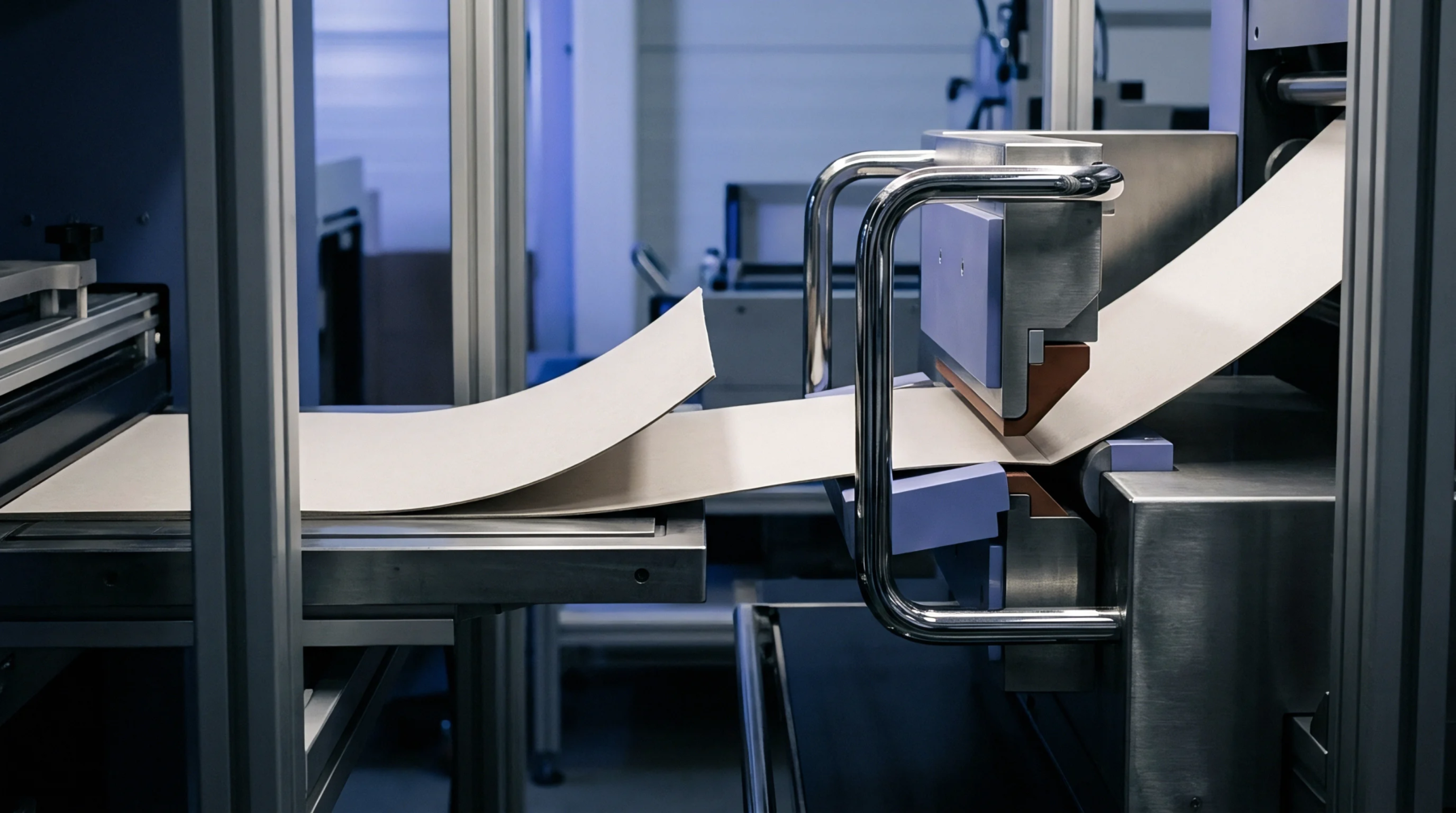
Rounded three-point creasing rules and wide steel counter channels prevent subzero dispersion barrier cracking by suppressing tensile shear along carton folds.
Standard testing requires disintegrating 4% stock at 40°C, separating films via 0.15mm slotted screens, and confirming >80% yield with macro-stickies below thresholds.
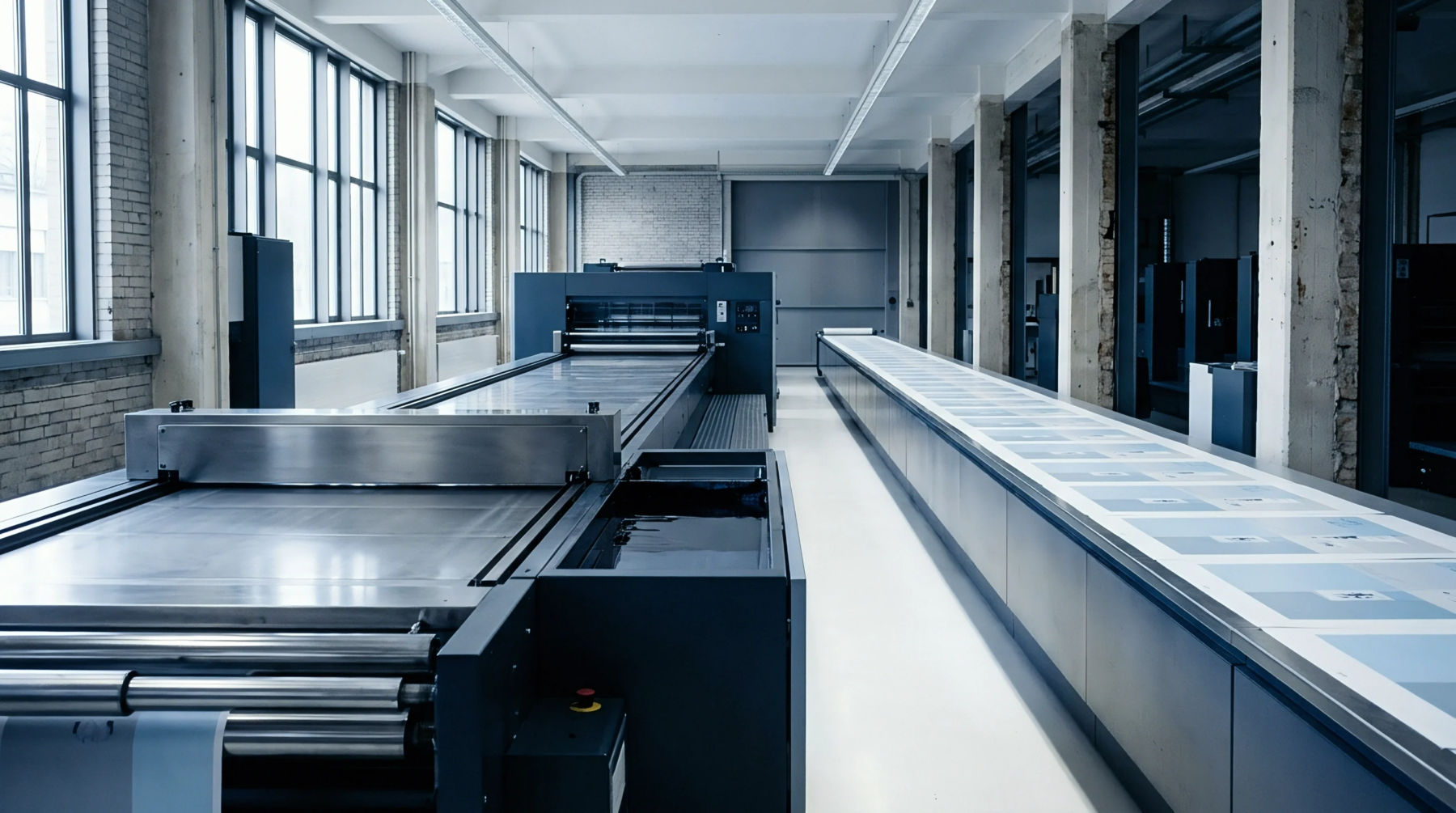
Inline ultrasonic testing verifies internal score delamination and folding resistance in real time, preventing visual surface cracking and high-speed erect jams.

Dynamic strain rate modeling predicts multi-ply boxboard Z-direction compression and interlayer shear collapse during high-speed converting and package drops.
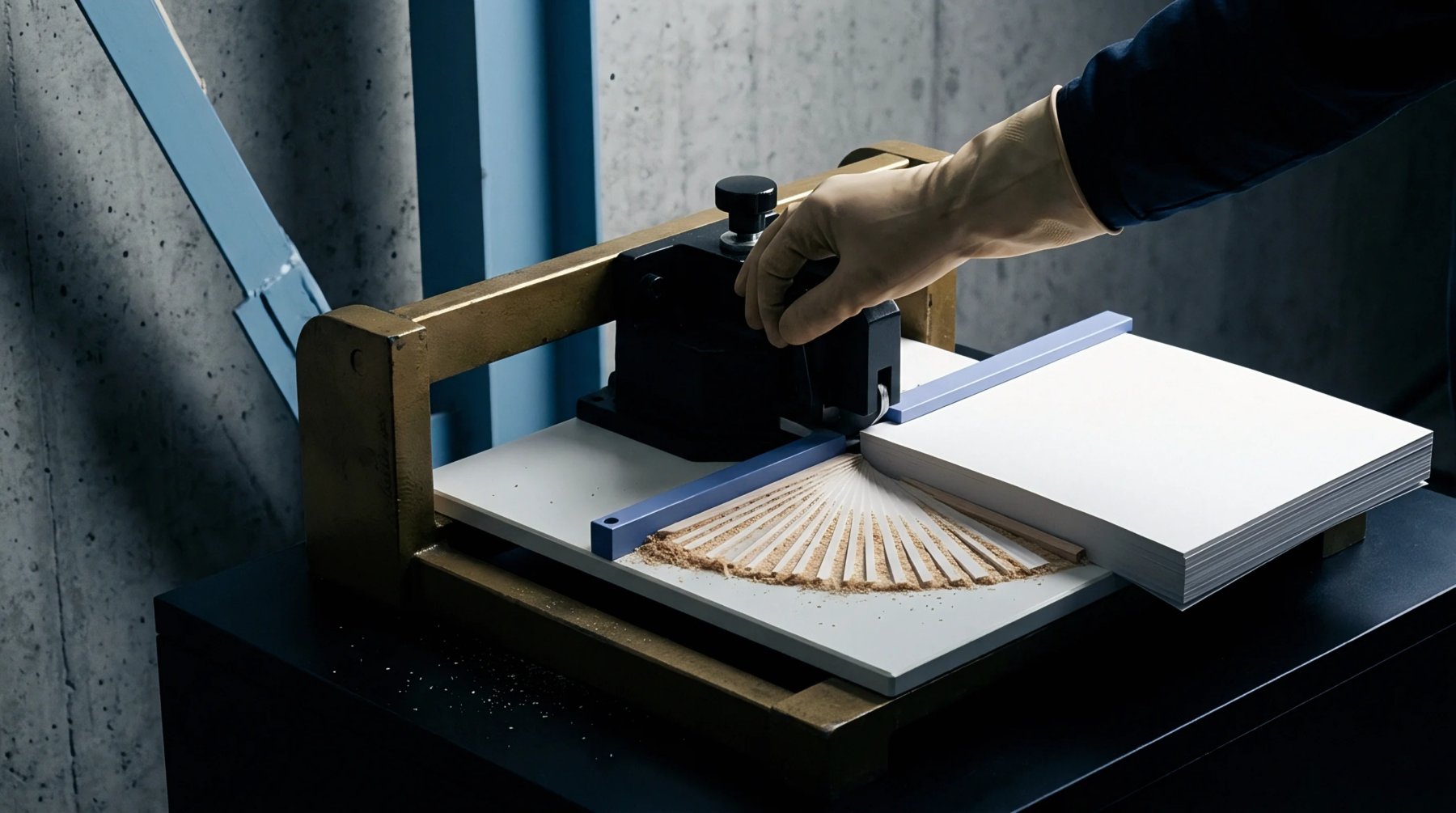
Optimizing rule depth and matrix channel width induces internal ply delamination, preventing top liner crack failures during high-speed carton folding.
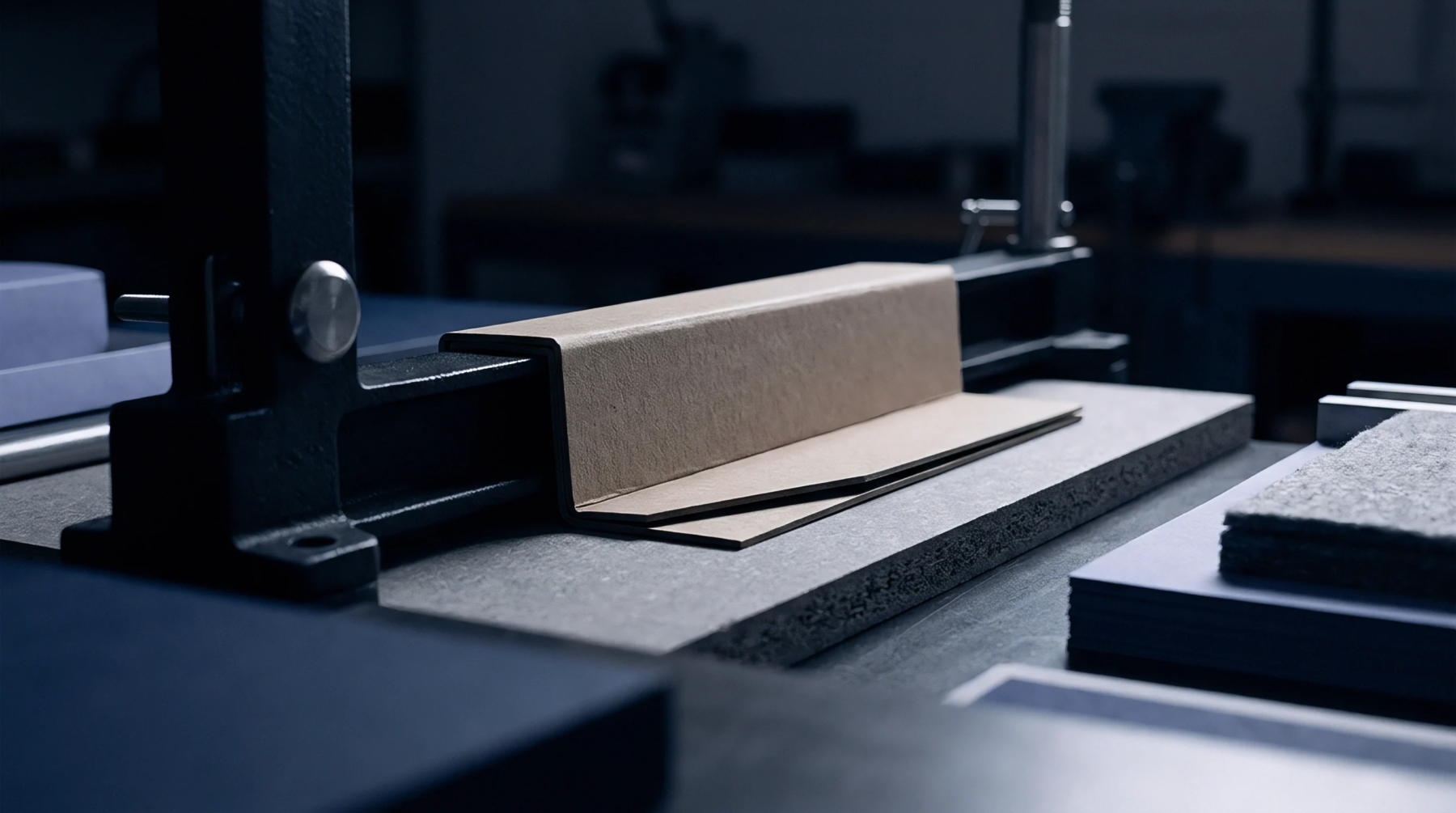
Inline acoustic wave sensing detects sub-surface paperboard delamination during scoring, stopping un-creased board defects before downstream cartoning line jams.

Flexographic dispersion barrier coatings retain water and grease resistance under crease stresses only when coating elongation capacity matches board strain.
Expertise is a utility, not a secret. sentiention™ publishes its working knowledge as open reference: intelligence layer covering the materials it sources, the markets it enters, and the reference that serves both.