Fiber Separation
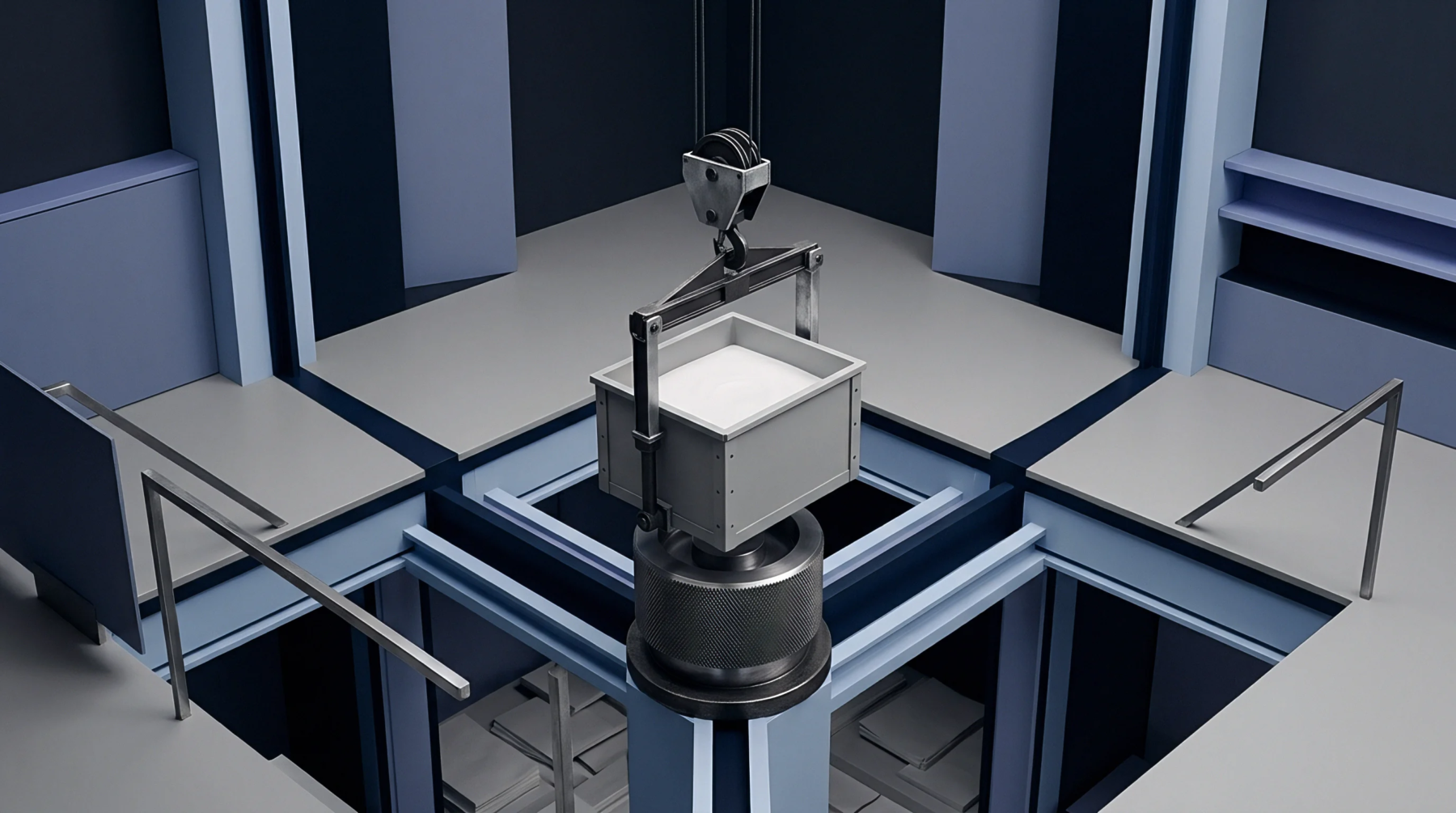
Mechanical disintegration inside a continuous pulping vessel relies heavily on fluid forces to break down bundled cellulose into individual papermaking elements without shortening the underlying strands. The hydrapulper shear operates as the primary hydrodynamic mechanism within this stage, tearing secondary bonds through high-velocity velocity gradients generated between rotor vanes and extraction plates. Production engineers measure this mechanical action in kilowatts per ton of throughput, adjusting rotor speeds to match the wet tensile strength of incoming baled stock.
Operating windows demand tight tolerances because insufficient agitation leaves flake contaminants intact, whereas excessive turbulence damages individual fibers and drains stock freeness rapidly before the slurry reaches primary refiners.
Rotor Geometry
Blade configuration dictates the direction and intensity of fluid acceleration within the tub body. Vane angles direct slurry outward toward heavy contaminant extraction zones while simultaneously drawing floating fractions back into the primary vortex for secondary impact. Heavy wear strips mounted on extraction grates maintain a consistent gap width, typically measured in millimeters, to preserve the cutting edge required for defibering rigid board clippings.
Pulp mills monitor peripheral speed constantly, translating rotational velocity directly into fluid shear stress that acts upon high-consistency paper waste.
Consistently Applied
Higher stock consistency dampens turbulence while increasing internal friction between adjacent paper flakes, which enhances defibering efficiency for heavy linerboard grades. Operators balance dilution water additions against motor load amperage to prevent stalling during high-capacity recycling runs. Slurry temperature influences fluid viscosity, modifying the mechanical energy transferred from rotor tips to the surrounding fibrous suspension during continuous conversion cycles.
Mechanical disintegration performance depends entirely upon maintaining correct clearance distances between moving rotor elements and stationary extraction rings throughout the operational lifecycle of the pulping assembly.