Interlaminar Shear Resistance Testing for Multi-Ply Recycled Packaging Boards
Dynamic Scott Bond impact and static Z-tensile testing verify multi-ply recycled board strength to prevent costly delamination during foil stamping and creasing.


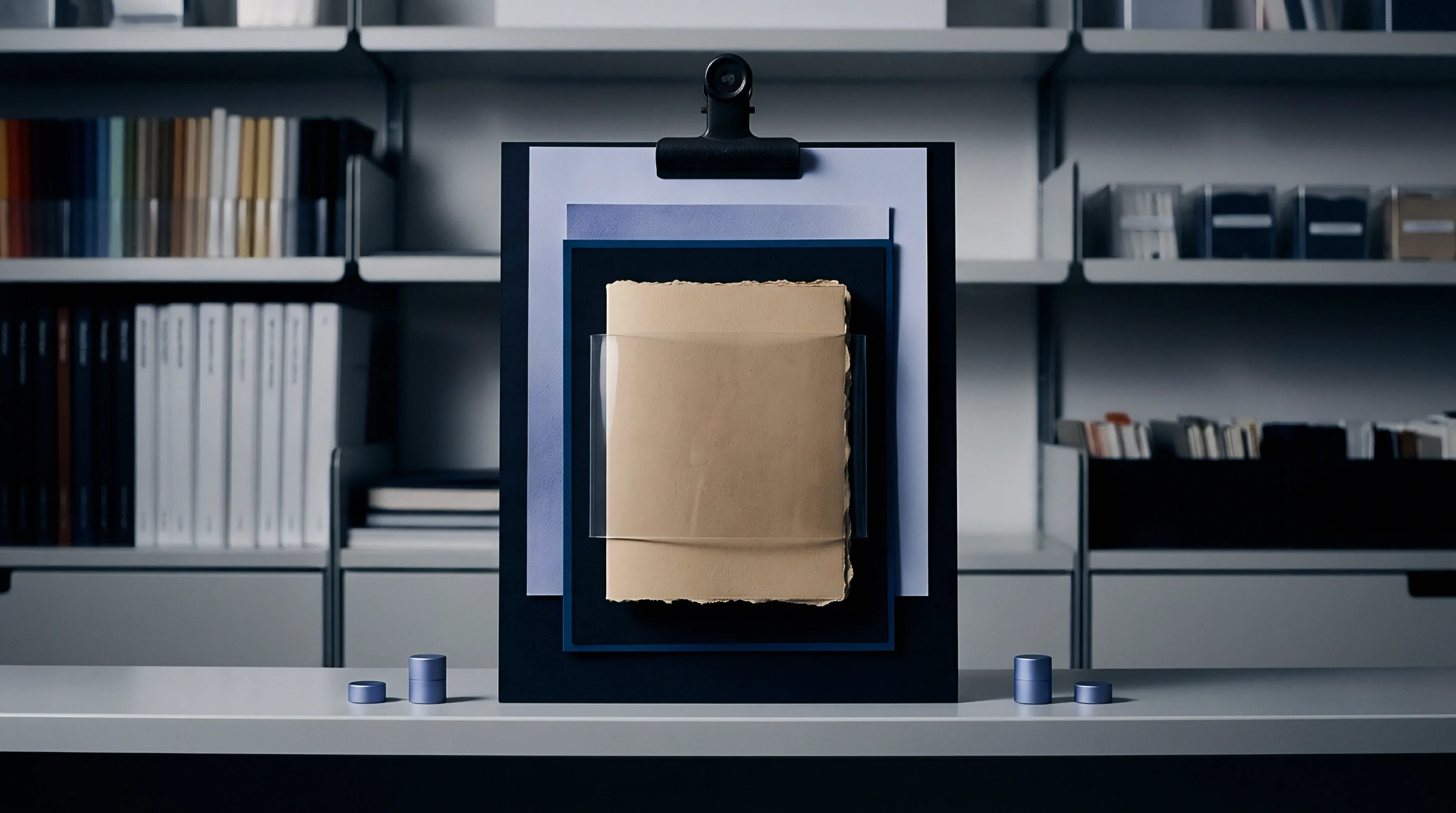
Cleavage
Fiber separation inside recycled folding cartonboard originates at the weakest boundary within the sheet structure. White lined chipboard comprises multiple distinct layers, joining a bleached virgin or deinked chemical pulp top liner to mechanical and mixed waste filler plies through hydraulic consolidation on the forming wire. Secondary fibers endure repeated repulping cycles that shorten mean fiber length, strip external fibrils, and induce irreversible hornification.
This internal stiffening suppresses wet plasticity, restricting hydrogen bond development between cellulose surfaces during cylinder pressing and drying. Middle plies containing mixed post-consumer waste exhibit reduced specific bond area compared to virgin kraft sheets. When converting operations apply out-of-plane stress, separation initiates where localized bonding density drops below mechanical equilibrium.
Carton conversion subjects these layered structures to severe peel forces and directional shear. Solid bleached board distributes stress evenly across a uniform matrix of chemical pulp. Multi-ply recycled boards concentrate deformation along the interface between the stiff underliner and the low-density filler core.
Thermal lamination accentuates this mechanical gradient. Polypropylene films applied at 115 degrees Celsius contract upon chilling, generating sustained tensile stresses across the board surface. The sheet counteracts this contraction through its internal ply bond strength.
A thermal film cooling from 115 degrees Celsius exerts continuous shear against the underlying recycled core.
Subsequent finishing operations compound these localized stresses. Blind embossing forces male die profiles into female counters, stretching the surface plies while demanding interlaminar slippage in the center layers. Hot foil stamping introduces heat up to 140 degrees Celsius under hydraulic impression pressures exceeding 35 megapascals.
Separation occurs as the polyester carrier film pulls away from the substrate at production speeds. When interlaminar shear resistance falls below the release force of the foil adhesive, the top liner tears away from the filler core.
- Interfacial blister formation appears beneath heavy hot foil coverage when trapped moisture flashes into vapor and ruptures weakly bonded recycled filler layers.
- Liner delamination along cut edges develops on high-speed flatbed die-cutters whenever blunt counter-knives impart excessive vertical shear into low-density middle plies.
- Surface picking during film peel strips the coated underliner away from the bulk core during high-speed thermal lamination stripping.
- Crease roll split defects manifest when rigid top coatings fail to form a distinct hinge, cracking the underlying recycled furnish across the outer score.
Rotary sheet-fed presses exacerbate internal structural weakness during high-coverage offset passes. Tacky lithographic inks running on multi-unit presses exert repeated out-of-plane snatching forces at each printing nip. A sheet navigating six printing units and two coating stations withstands cumulative peeling cycles before reaching the delivery pile.
If internal fiber coherence fails, blisters develop within the core plies before die-cutting begins. The stock leaves the pressroom with latent structural damage. Make-ready operators observe that the board splits because the mill starved the core of internal sizing starch.

Pendulum
Dynamic impact evaluation provides the standard benchmark for internal bond strength across packaging convertors. The apparatus defined under TAPPI T 569 and ISO 16260 measures the energy required to delaminate a paperboard specimen using a weighted swinging head. A five-ply recycled cartonboard sample mounts between an aluminum angle bracket and a rigid anodized base plate using aggressive double-sided adhesive tape.
A pneumatic or mechanical clamping station compresses the assembly at 1.0 to 1.4 megapascals for a calibrated dwell time. Release of the pendulum drives the striking edge against the vertical arm of the bracket, cleaving the board specimen along its weakest plane.
Test results register in joules per square meter or foot-pounds per square inch. Multi-ply recycled chipboard with grammages between 300 and 450 grams per square meter requires distinct threshold targets depending on the intended converting path. A commercial folding carton running without secondary lamination functions reliably at an internal bond value of 130 joules per square meter.
Introducing high-tension film lamination or heavy foil stamping pushes that minimum operating threshold to 190 joules per square meter. Board falling below this benchmark delaminates during matrix stripping. Packaging lines jam when unbonded cartons split open.
- Atmospheric stabilization holds raw specimens at 23 degrees Celsius and 50 percent relative humidity for 24 hours under ISO 187 parameters to normalize fiber moisture content.
- Tape application positions high-tack acrylic transfer adhesive across the specimen surface without trapping air pockets or stretching the carrier film.
- Specimen cutting shears the laminated sandwich into uniform 25.4 by 25.4 millimeter squares using a dedicated precision punch to eliminate edge compression artifacts.
- Platen consolidation applies 1.2 megapascals of pneumatic clamping pressure for exactly 3.0 seconds to seat the adhesive into the board surface topography.
- Pendulum release trips the impact head from a 90-degree latch position, driving the hammer into the bracket to record dynamic cleavage energy.
Specimen preparation demands precise process control. Inconsistent tape adhesion yields falsely elevated readings by absorbing kinetic energy through elastomeric stretching. Conversely, excessive clamping pressure crushes the bulk caliper of recycled filler plies, artificially compacting secondary fibers and overstating true internal bond strength.
High-density underliners resist crushing, while low-density filler furnishes collapse under improper bench settings. The test measures the rupture energy of the weakest layer within the composite structure.
| Board Grade | Grammage (g/m²) | Scott Bond (J/m²) | Z-Tensile (kPa) | Shear Modulus (MPa) |
|---|---|---|---|---|
| Coated Recycled Board (GD2) | 350 | 125 to 145 | 240 to 310 | 1.8 to 2.3 |
| White Lined Chipboard (GT2) | 400 | 150 to 180 | 290 to 360 | 2.1 to 2.7 |
| Folding Boxboard (GC2) | 350 | 190 to 230 | 380 to 460 | 3.2 to 4.1 |
| Solid Bleached Board (GZ) | 330 | 280 to 350 | 520 to 680 | 4.8 to 6.2 |
| Values reflect cross-direction and machine-direction averages across commercial mill production lots. | ||||
Energy absorption mechanics dictate failure modes during testing. When virgin chemical pulp plies separate, long fibers pull out from the matrix, absorbing work through friction and elastic strain. Recycled filler plies fracture abruptly, showing clean cleavages across short fiber bundles with minimal energy dissipation.
This brittle failure characteristic explains why recycled boards exhibit catastrophic tearing during high-speed converting operations despite acceptable static tensile figures. Delivery contracts specify testing compliance under TAPPI T 569 with explicit rejection thresholds for lots testing below 135 joules per square meter.

Clamp
Direct tensile separation perpendicular to the board surface isolates bonding forces without the confounding kinetic variables introduced by dynamic impact. The Z-direction tensile test, conducted under TAPPI T 541 and ISO 15754, pulls a conditioned specimen apart between two parallel metal platens moving at a steady crosshead velocity of 25 millimeters per minute. Double-coated pressure-sensitive adhesive film anchors the board faces to the platens.
A tensile load cell monitors force development through failure, calculating peak resistance in kilopascals.
Z-direction tensile testing provides specific diagnostic value for platen die-cutting and rotary embossing. Impact pendulums introduce localized shear waves that can mask subtle structural weaknesses. Uniform perpendicular pull exposes micro-voids and uneven internal starch distribution across the sheet width.
A recycled board lot exhibiting a compliant Scott Bond value of 160 joules per square meter can fail at 210 kilopascals in direct tensile testing due to weak layer consolidation during wet pressing. The stock tears on the folder-gluer.
TAPPI T 541 establishes direct vertical tensile resistance without kinetic energy interference from pendulum swing geometry.
A significant commercial dispute surrounds the relationship between dynamic impact tests and steady-state tensile pulls. Converter laboratories favor the Scott Bond tester for its speed, completing five specimen measurements in four minutes. Technical audit centers rely on direct tensile testing to confirm whether coating formulations penetrated the top liner and compromised the underlying recycled plies.
When synthetic latex binders migrate excessively into the underliner, they create a brittle plane that fractures under minimal vertical tension.

Can Rotary Creasing Expose Latent Interfacial Failure?
Rotary scoring wheels impose intense out-of-plane shear while stretching the outer liner over an internal bead. When the board glides between the scoring rule and counter-channel, the middle plies must delaminate in a controlled, localized band to create a clean, flexible hinge. Board possessing excessive interlaminar shear resistance resists delamination, causing the outer coated liner to rupture under tensile strain.
Conversely, material with insufficient shear resistance delaminates laterally across three times the intended crease width. The score line loses all folding resistance.
Fold crack defects ruin retail packaging aesthetics. Deep dark flexographic and lithographic ink films show white fiber lines when outer plies fracture along carton edges. Recycled boards with high ash contents and elevated filler loadings prove exceptionally vulnerable to crease splitting.
Mineral pigments like calcium carbonate reduce natural fiber interlocking, leaving the middle layers unable to absorb folding shear stresses without complete structural breakdown.
Does High Ambient Moisture Accelerate Ply Delamination?
Water vapor absorption alters the mechanical equilibrium of recycled paperboard structures. Cellulosic fibers soften as ambient relative humidity rises from 50 percent to 85 percent, lowering internal shear modulus by more than forty percent. Hydrogen bonds weaken as water molecules disrupt inter-fiber contact points.
In high-humidity warehouse storage, stacked pallets of converted cartons experience compressive creep. The bottom boxes collapse under pallet load as the internal plies lose shear stiffness.
Moisture cycles induce differential swelling across layered boards. A bleached chemical pulp top liner expands at a different rate than a mixed waste mechanical filler ply, creating continuous interlaminar shear stresses along the interface. When these stressed boards pass through folder-gluers, adhesive joints peel the top liner off the opposite flap before cold-set emulsion cures.
Whether dynamic pendulum impact or steady perpendicular tension reliably predicts this hygroscopic breakdown across varying recycled fiber blends remains an open scientific dispute.
Tooling
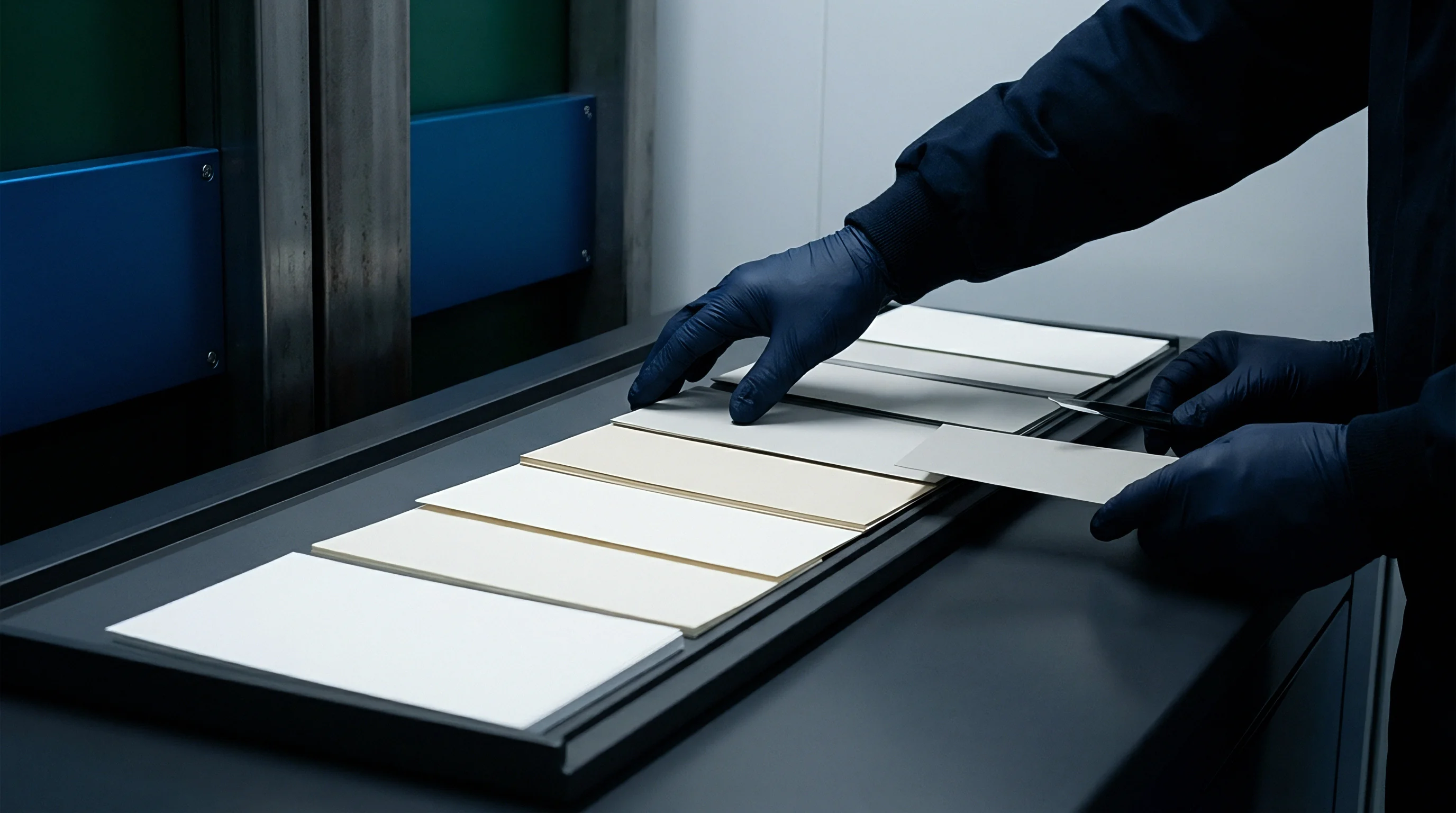
Die setup parameters govern the mechanical survivability of multi-ply recycled substrates during scoring and blanking. Packaging convertors must balance steel rule profiles, counter-plate channel widths, and creasing matrix hardness to the precise caliper and shear resistance of the incoming board. Running a 400-micrometer recycled chipboard through standard tooling configured for virgin kraft board induces immediate failure.
The narrower crease channel prevents controlled internal ply separation, crushing the core and fracturing the coated surface liner.
Matrix selection dictates crease geometry and folding torque. Calibrated formulas define the counter-channel opening width as twice the board caliper plus the creasing rule thickness. For recycled boards possessing Scott Bond values below 150 joules per square meter, machine operators broaden the channel width by ten to fifteen percent.
This geometric expansion reduces vertical shear gradients during the die stroke, preventing catastrophic core blowout while enabling a defined hinge to form along the score axis.
A wider creasing channel distributes shear forces across broader fiber zones within fragile recycled filler plies.
Platen impression adjustments require micrometer precision across full production sheets. Adding twenty micrometers of pressure across a cutting chase can crush secondary fibers within low-density middle layers, destroying internal bond integrity across uncreased carton panels. When cartons reach high-speed automated packaging lines, vacuum pick-and-place cups pull the top liner directly off the flattened core, triggering line stops.
Precision make-ready shims ensure balanced die pressure distribution across all carton positions.
- Rule bevel selection uses round-edge profiles on recycled boards to eliminate sharp shear points that pierce brittle chemical pulp liners.
- Channel depth calibration leaves sufficient clearance in counter-plates to prevent dead-bottoming the creasing rule into dense steel bases.
- Ejection rubber durometer pairs 45 Shore A profile rubbers near cut lines with 60 Shore A blocks beside crease rules to prevent localized delamination.
- Scoring speed moderation limits dynamic ram velocity on flatbed presses to grant secondary fibers sufficient dwell time to slip internally without tearing.
Embossing dies present matching mechanical challenges. Blind embossing requires three-dimensional stretching of fibrous plies under intense localized shear. Brass tooling cut with steep 65-degree flank angles slices through recycled middle plies, leaving the raised panel supported only by the thin external coating film.
Flattening tool bevels to 45 degrees distributes deformation across larger surface areas, maintaining ply cohesion across multi-level profiles. Toolmakers inspect female counters under magnification to ensure all transitions feature smooth radii rather than sharp steps.
Hot foil stamping demands precise thermal and mechanical synchronization. Heated brass or steel dies transfer metallic foil layers at temperatures between 110 and 135 degrees Celsius under dwell times ranging from 25 to 60 milliseconds. Thermal conduction softens thermoplastic binders within the board coating while drying out underlying cellulose fibers.
If the stamping die dwells too long, moisture flash separates the top ply. High release foil formulations reduce peel tension during web stripping. A generous die radius preserves the sheet structure where sharp geometry invites failure.
Settlement
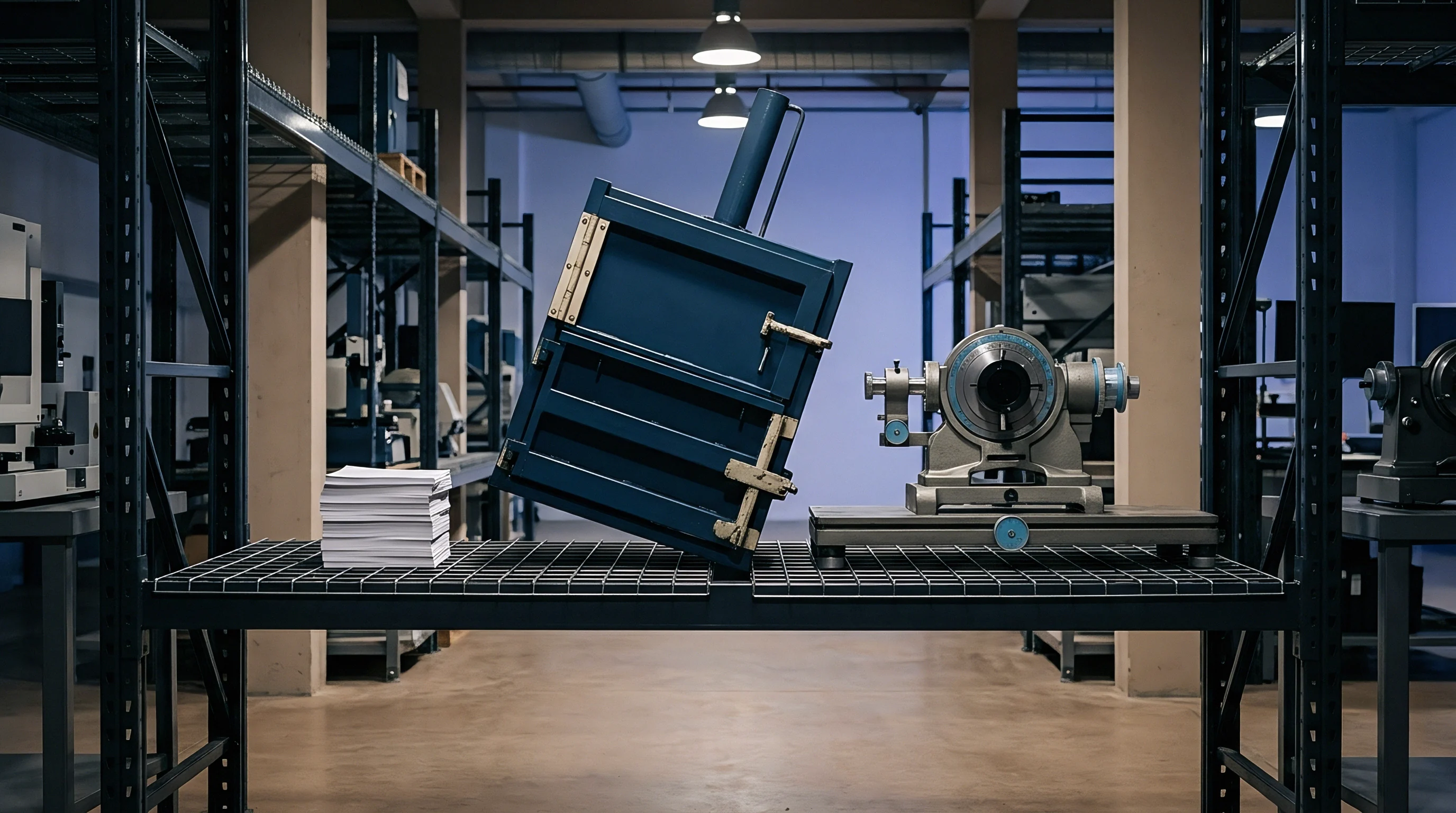
Defective multi-ply cartonboard generates substantial financial exposure when latent interlaminar failures surface after final finishing passes. A print order combining six-color offset printing, overall water-based coating, spot UV varnish, and foil stamping represents significant accumulated capital. When sheets delaminate during folder-gluer operations, the entire expenditure becomes unrecoverable scrap.
Convertors trace the origin of failure to verify whether processing parameters exceeded operational limits or whether raw board stock failed incoming material specifications.
Material verification protocols protect print converters against unjustified supply rejections. Commercial printing contracts mandate rigorous testing of delivered board lots prior to plate make-ready. A standard receiving audit tests ten samples per pallet across five randomly selected pallets from a forty-tonne delivery.
If laboratory testing reveals Scott Bond values below the contracted 140 joules per square meter, the converter logs a formal non-conformance report. Mill technical representatives examine retained samples to evaluate fiber furnish consistency and starch application rates.
| Production Stage | Added Cost per 1,000 Sheets ($) | Cumulative Job Value ($) | Scrap Exposure at Delamination ($) |
|---|---|---|---|
| Raw Board Stock (400 gsm GD2) | 380 | 7,600 | 7,600 |
| Offset Printing (6 Colors) | 210 | 11,800 | 11,800 |
| High-Gloss Film Lamination | 290 | 17,600 | 17,600 |
| Hot Foil Stamping (Spot Crest) | 420 | 26,000 | 26,000 |
| Die-Cutting and Creasing | 140 | 28,800 | 28,800 |
| Folding and Gluing | 110 | 31,000 | 31,000 |
Scrap values escalate rapidly down the conversion line. Board failing at the initial printing stage incurs only base material and make-ready losses. Delamination occurring at the folder-gluer destroys the cumulative value of every preceding embellishment pass, die tooling charge, and machine hour invested in the production lot.
Furthermore, automated filling line stoppages at customer packing plants trigger severe commercial chargebacks for unfulfilled production schedules. Clear laboratory documentation separates substrate manufacturing faults from inappropriate converting press setups.
Mills defend their material by attributing edge splitting and picking to excessive ink tack, over-hard creasing channels, and improper lamination temperatures. Independent testing laboratories arbitrate disputes by evaluating unprinted sample margins using calibrated Scott Bond and Z-direction tensile procedures. If unprinted sheet margins show compliant mechanical resistance while converted carton areas exhibit severe ply rupture, operational liability shifts to the converting plant.
Processing non-conforming board without incoming testing forfeits commercial recovery rights, leaving the converter to absorb total job write-offs and replacement costs.