
Counter Die Channel Profile Selection for Polyethylene Terephthalate Film Laminates
Polyethylene terephthalate film laminates demand matrix channel widths fifteen percent wider than unlaminated board to prevent shear cracking along score lines.
Polyethylene terephthalate film laminates demand matrix channel widths fifteen percent wider than unlaminated board to prevent shear cracking along score lines.
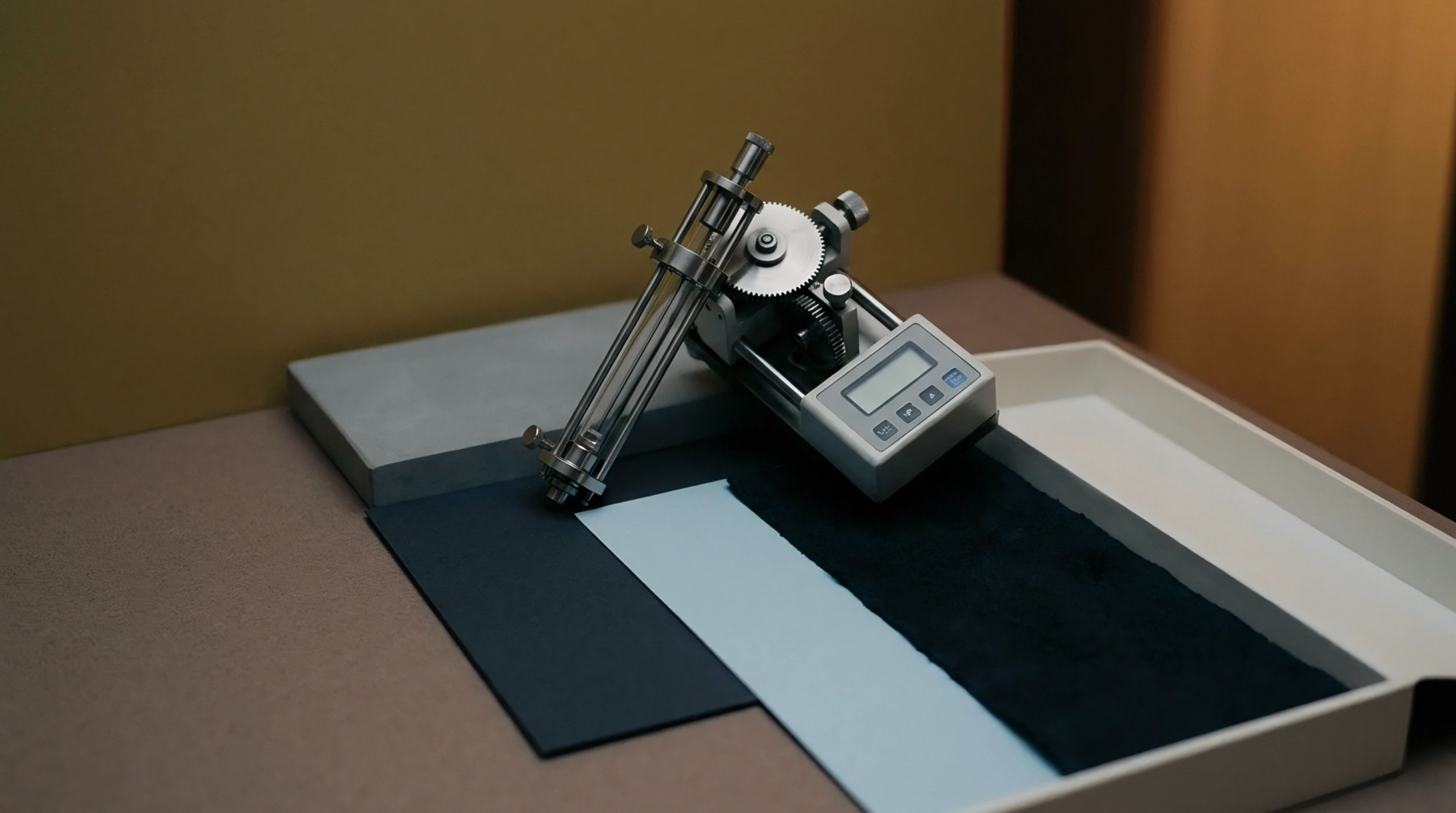
Optimizing thermal polyurethane lamination on cartonboard relies on matching nip heat to surface energy, balancing polar contact against fold stiffness.
Dynamic mechanical dissipation prevents bio-dispersion score cracking when loss factor tan delta exceeds zero point three five at converter folding rates.

Dynamic Scott Bond impact and static Z-tensile testing verify multi-ply recycled board strength to prevent costly delamination during foil stamping and creasing.
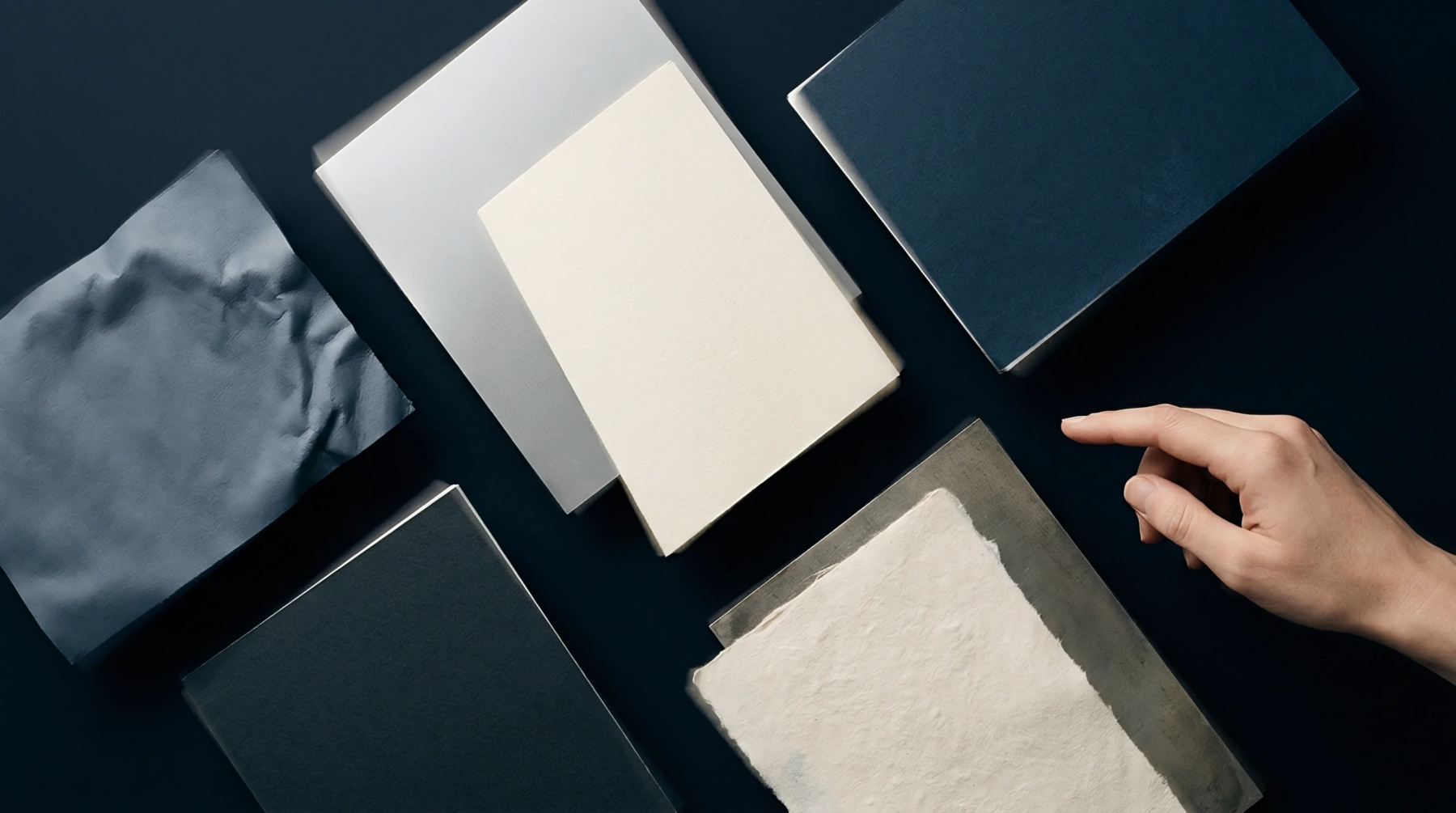
Calibrated matrix channel width relies on board caliper, rule thickness, and fiber shear mechanics to prevent liner cracking and gluer jams.
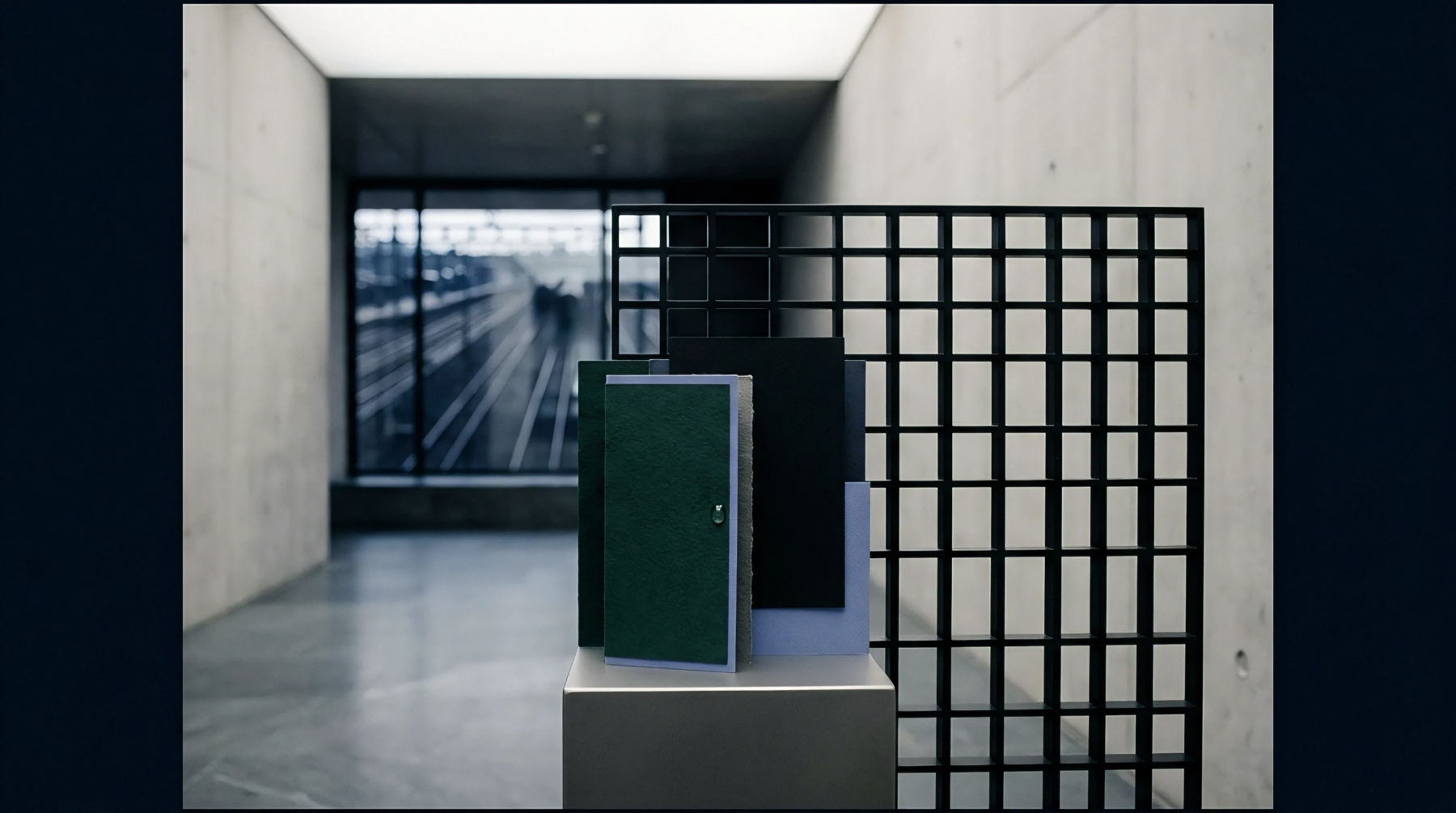
Matte laminated boxboard demands channel width expansion of twelve to eighteen percent over raw stock formulas to absorb film strain and prevent score rupture.
Expertise is a utility, not a secret. sentiention™ publishes its working knowledge as open reference: intelligence layer covering the materials it sources, the markets it enters, and the reference that serves both.