
Dynamic Mechanical Core Shear Delamination in High-Speed Board Converting
Dynamic core shear delamination occurs when converting nip acceleration outpaces the viscoelastic relaxation rate and internal bond strength of multi-ply paperboard.
Dynamic core shear delamination occurs when converting nip acceleration outpaces the viscoelastic relaxation rate and internal bond strength of multi-ply paperboard.

Heavy caliper laminated board calls for creasing matrix channels expanded by film thickness and adhesive modulus factors to prevent outer film splitting.
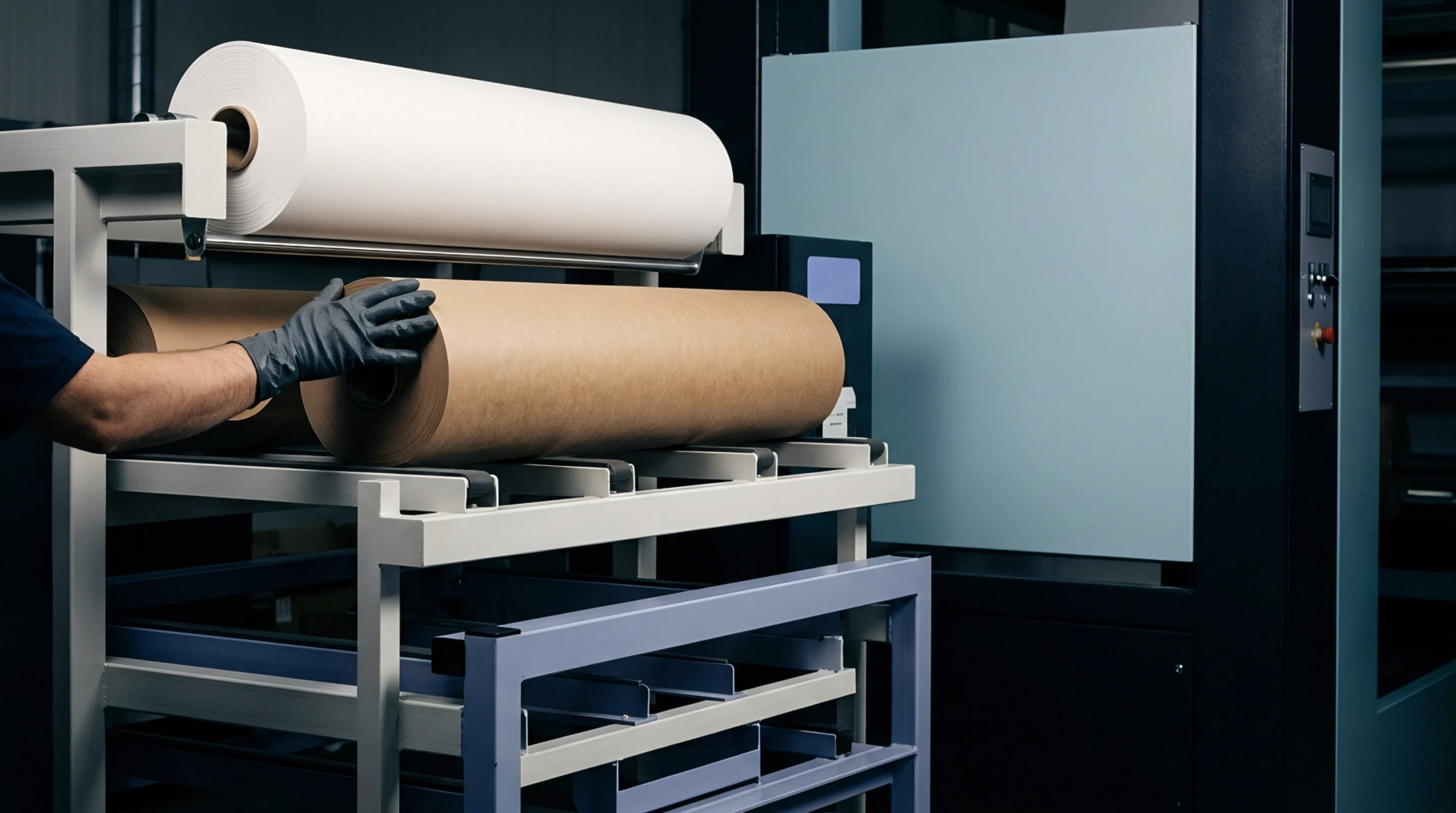
Micro-foamed CTMP yields under multi-axial shear-compression through cell collapse and inter-fibre bond slip, defining converting strain limits.
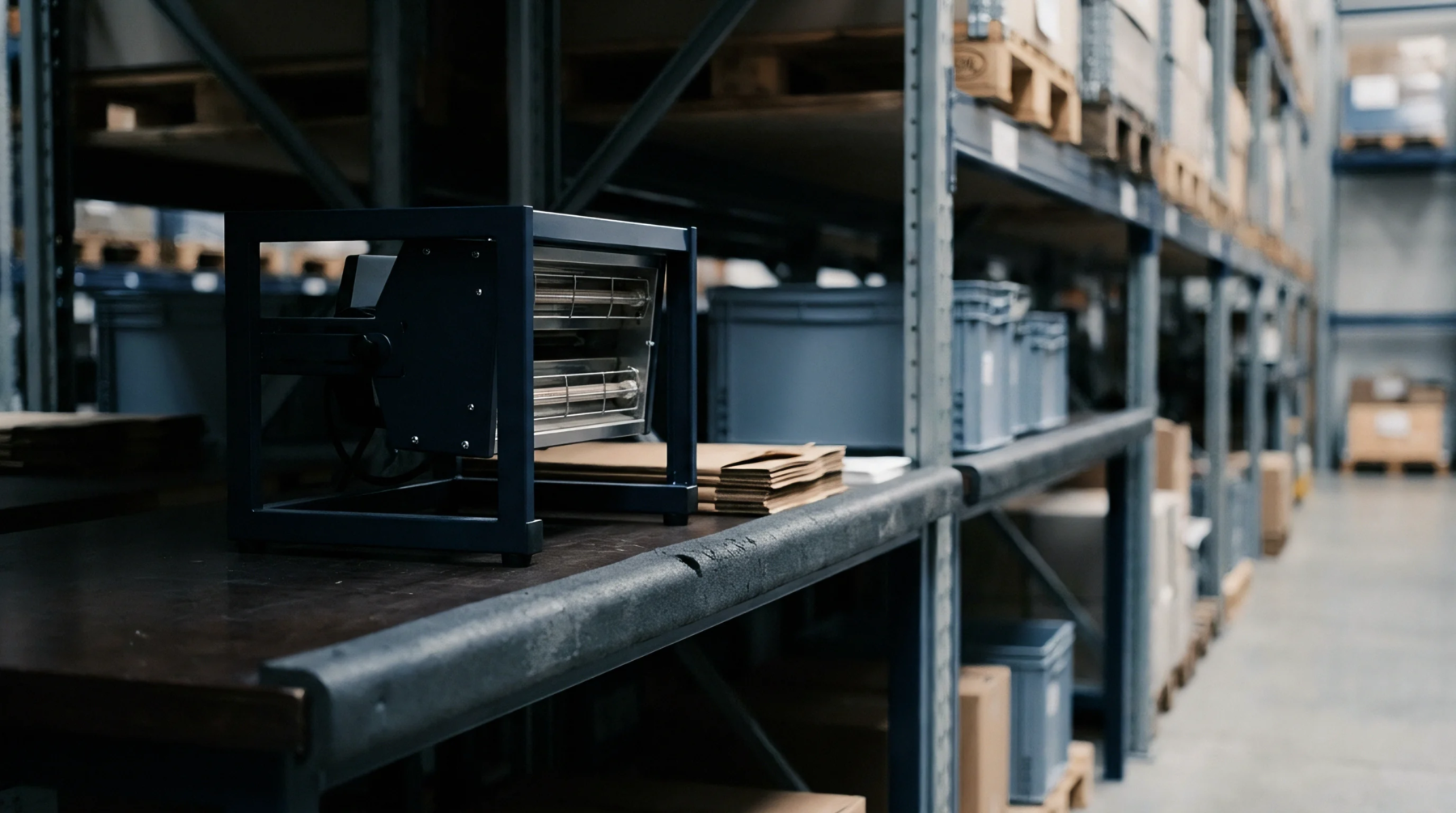
Closed loop infrared profiling corrects paper tensile stiffness angles during drying to eliminate board twist, score splitting, and lamination curl.

Calculated boxboard bending stiffness loss under cyclic moisture must account for core transverse shear compliance, which cuts carton panel rigidity by 40 percent.
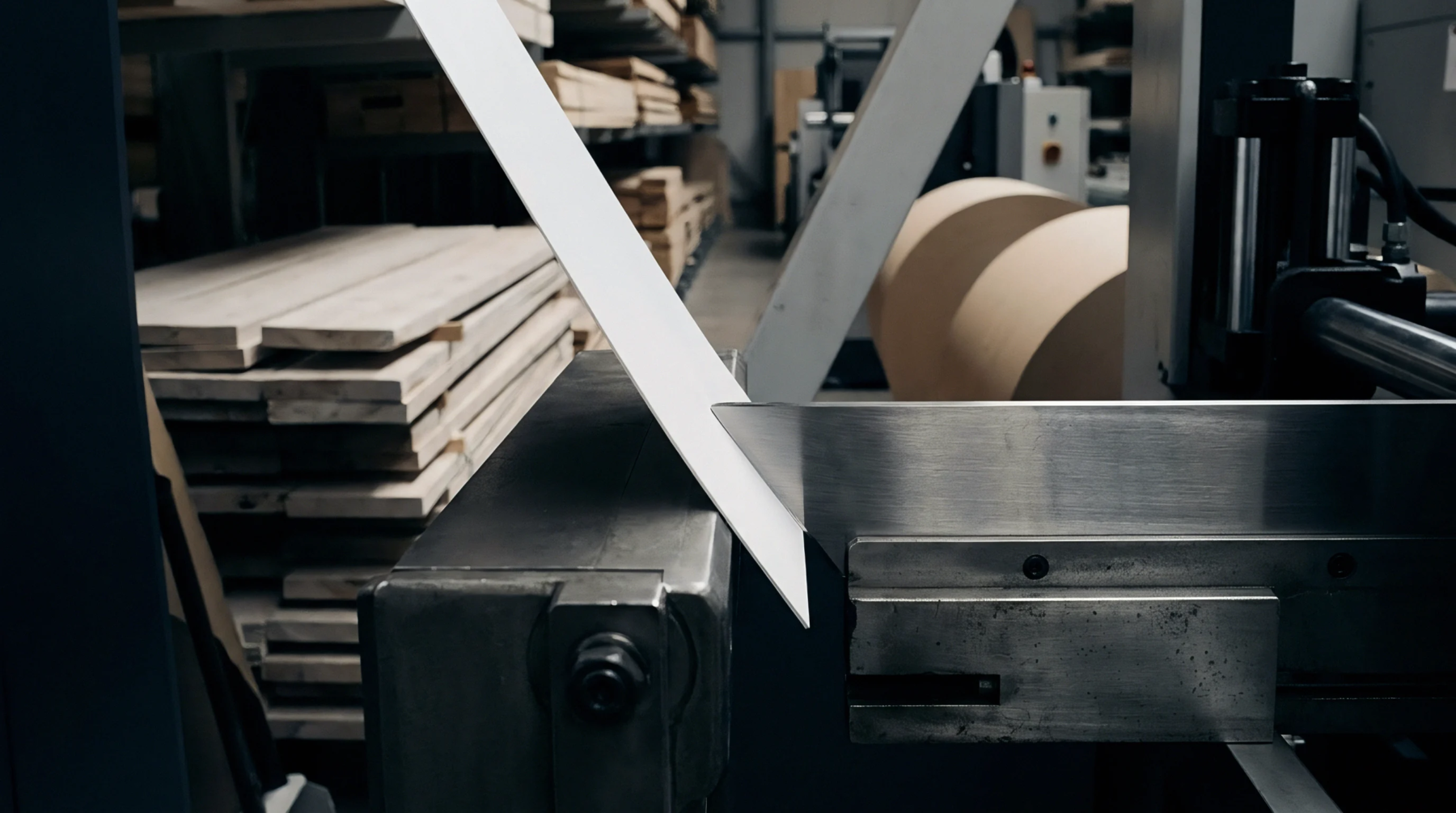
Swapping cartonboard to higher bulk furnishes increases square metre yield per tonne, reducing landed pack costs despite higher per-tonne substrate prices.
Non-destructive acoustic testing tracks dynamic flexural rigidity loss in rehydrated fibers by calculating specific elastic stiffness from sound velocity squared.
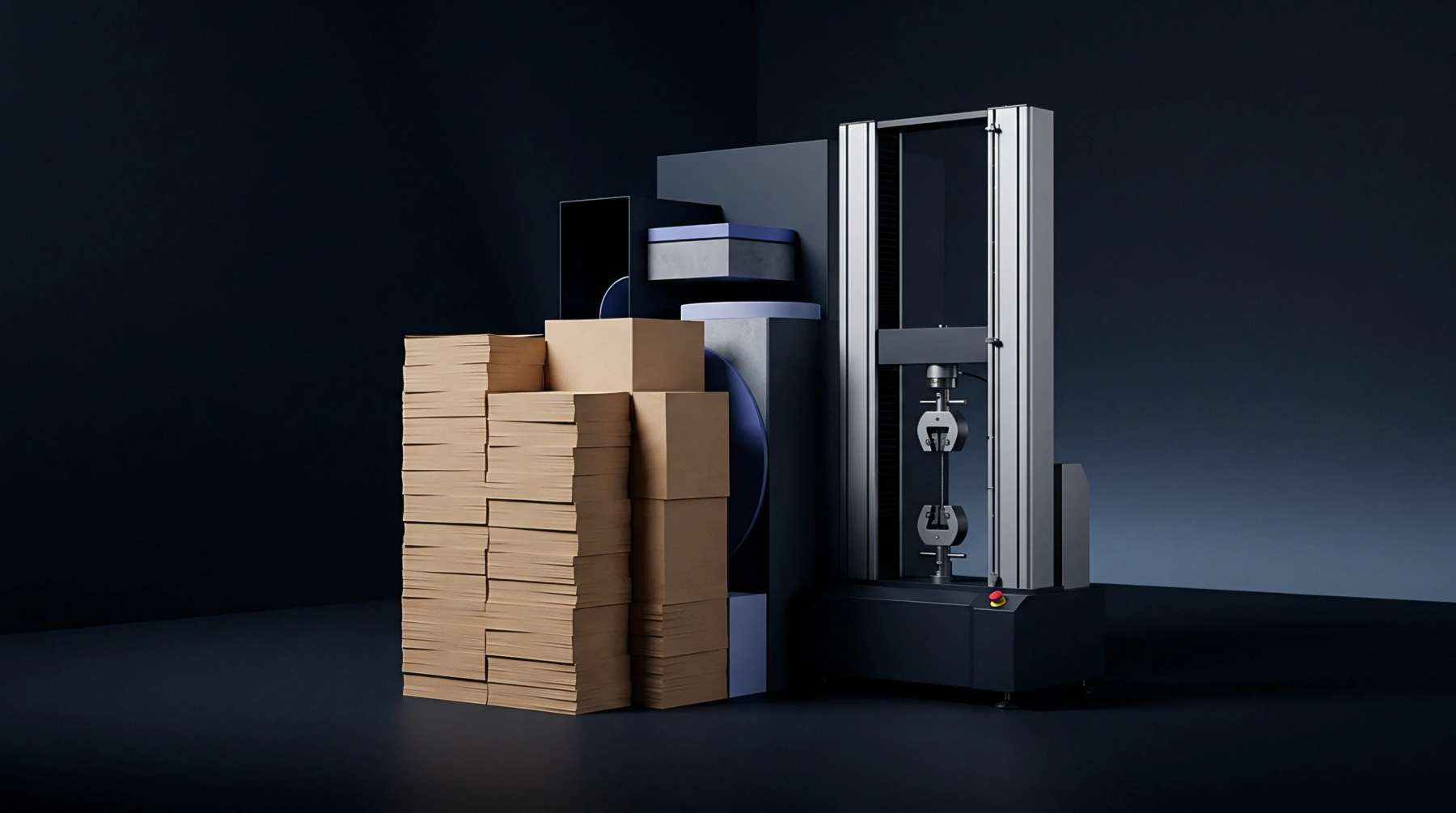
Analytical differential stress modelling balances thermal film shrinkage against board hygroexpansion to prevent post-converting carton curl inversion.
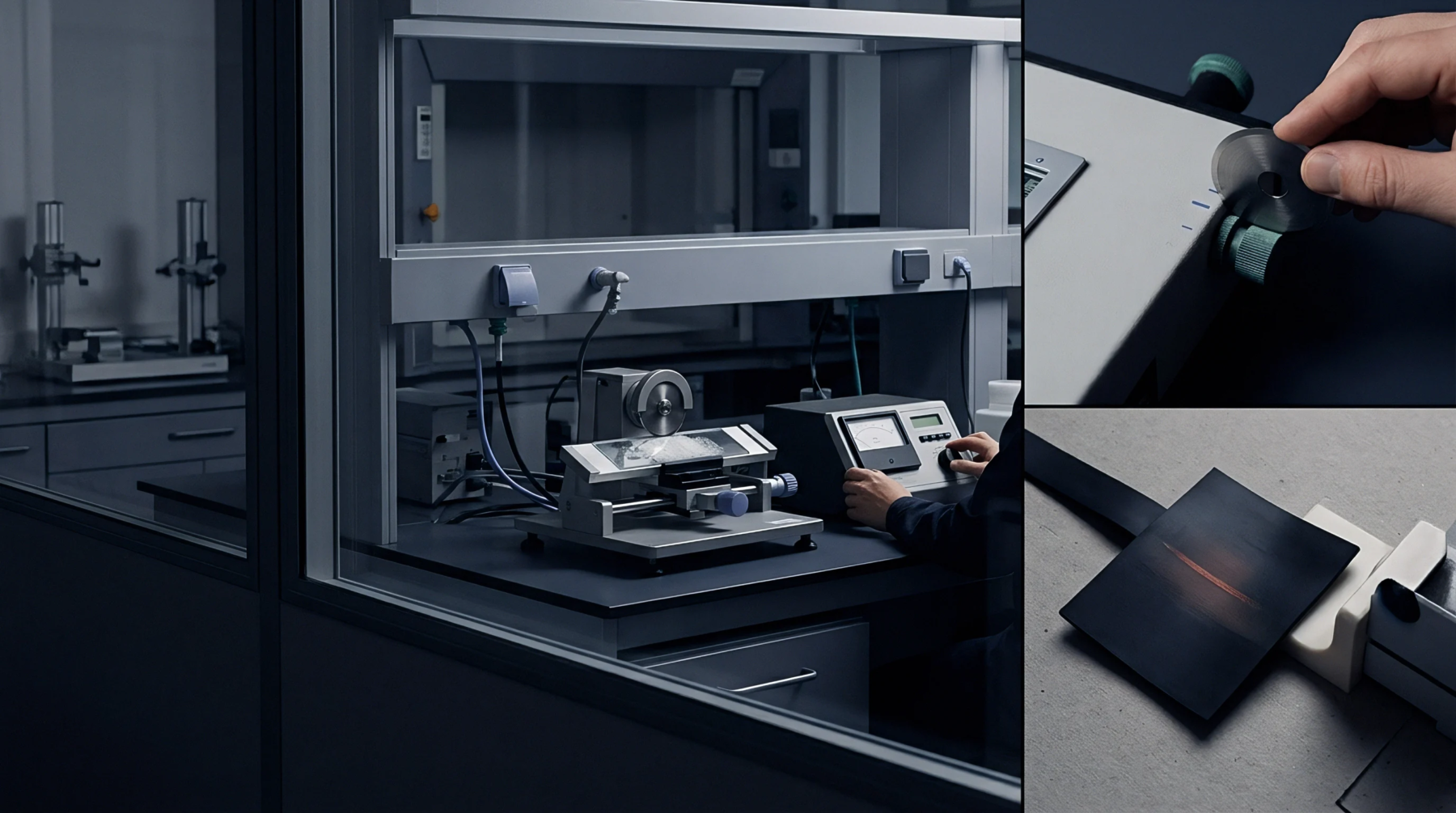
Verify paperboard crease stiffness by conditioning to ISO 187, clamping within 0.5 mm of the score, and targeting a board-to-crease ratio between 2.5 and 3.5.

Recycled fibres limit transverse swelling through hornification yet amplify cross direction web misregistration when dried-in strains release unevenly.

Micro-scale tooling forces hollow cellulosic cell walls past transverse yield, where apex radii under thirty micrometers balance wall densification against fiber shear.

Crease evaluation measures 15-degree sheet stiffness against 90-degree fold resistance, targeting a 30 to 50 percent ratio to prevent cartoning line jams.
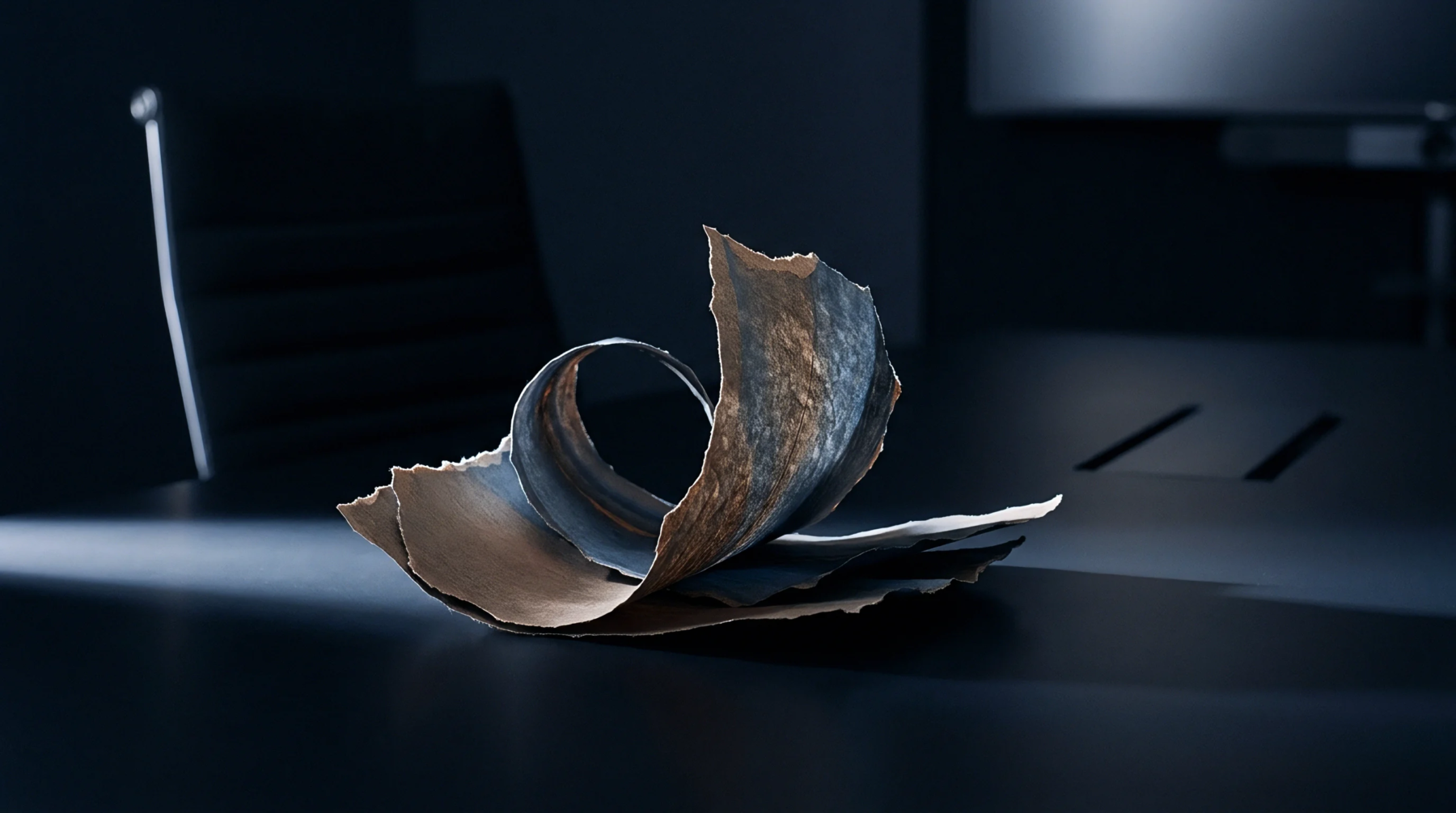
Optimize counter-matrix width and rule penetration depth to induce internal core ply delamination while protecting outer extrusion barrier films from shearing.
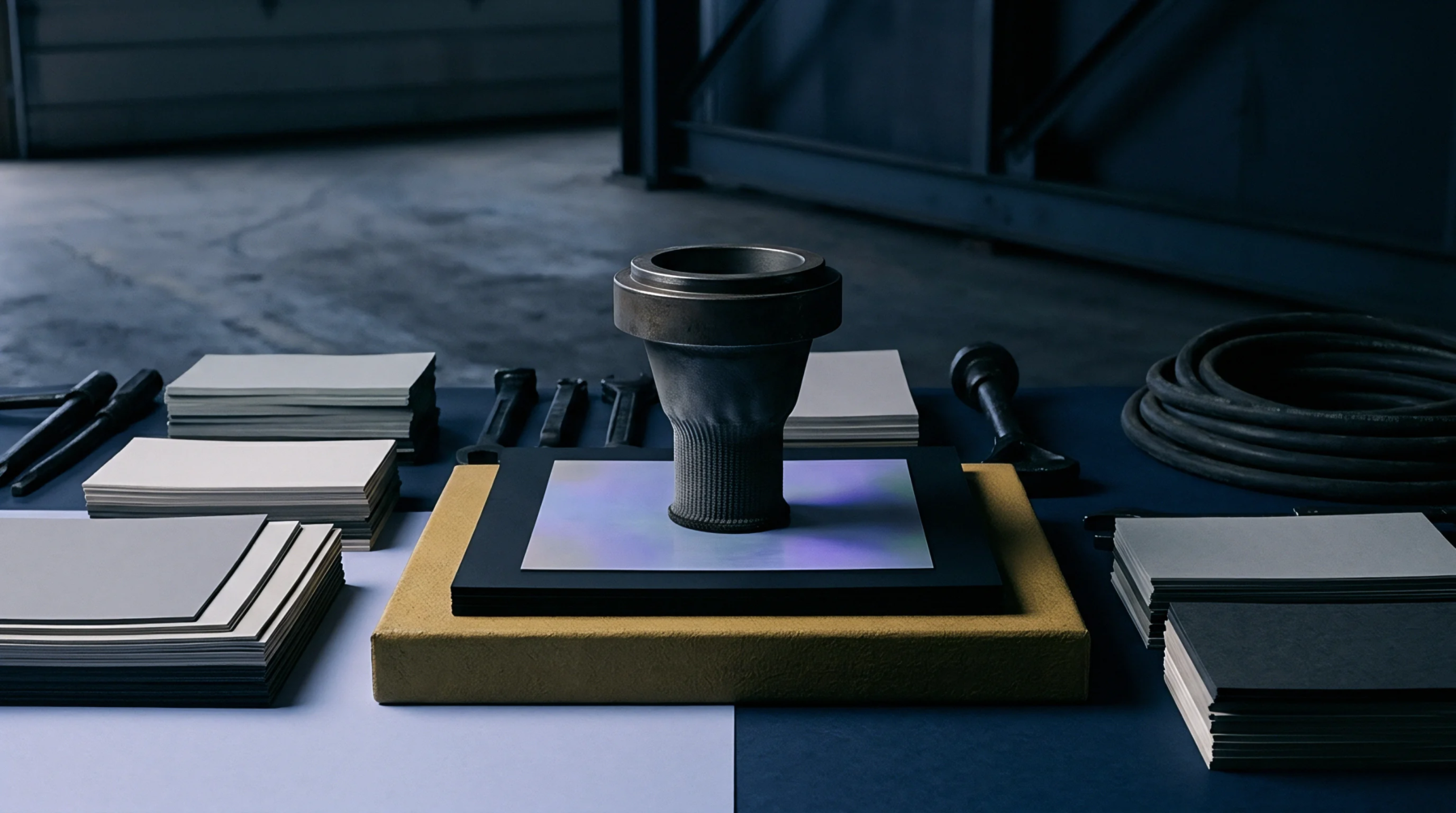
Predictive stiffness loss modeling prevents folder-gluer waste by adjusting crease depth and binder chemistry to compensate for high-speed dynamic strain.

Predicting interfacial delamination thresholds in recycled boxboard requires quantifying Mode II shear fracture toughness and adjusting crease matrix channel dimensions to prevent hinge failure under cyclic loading.
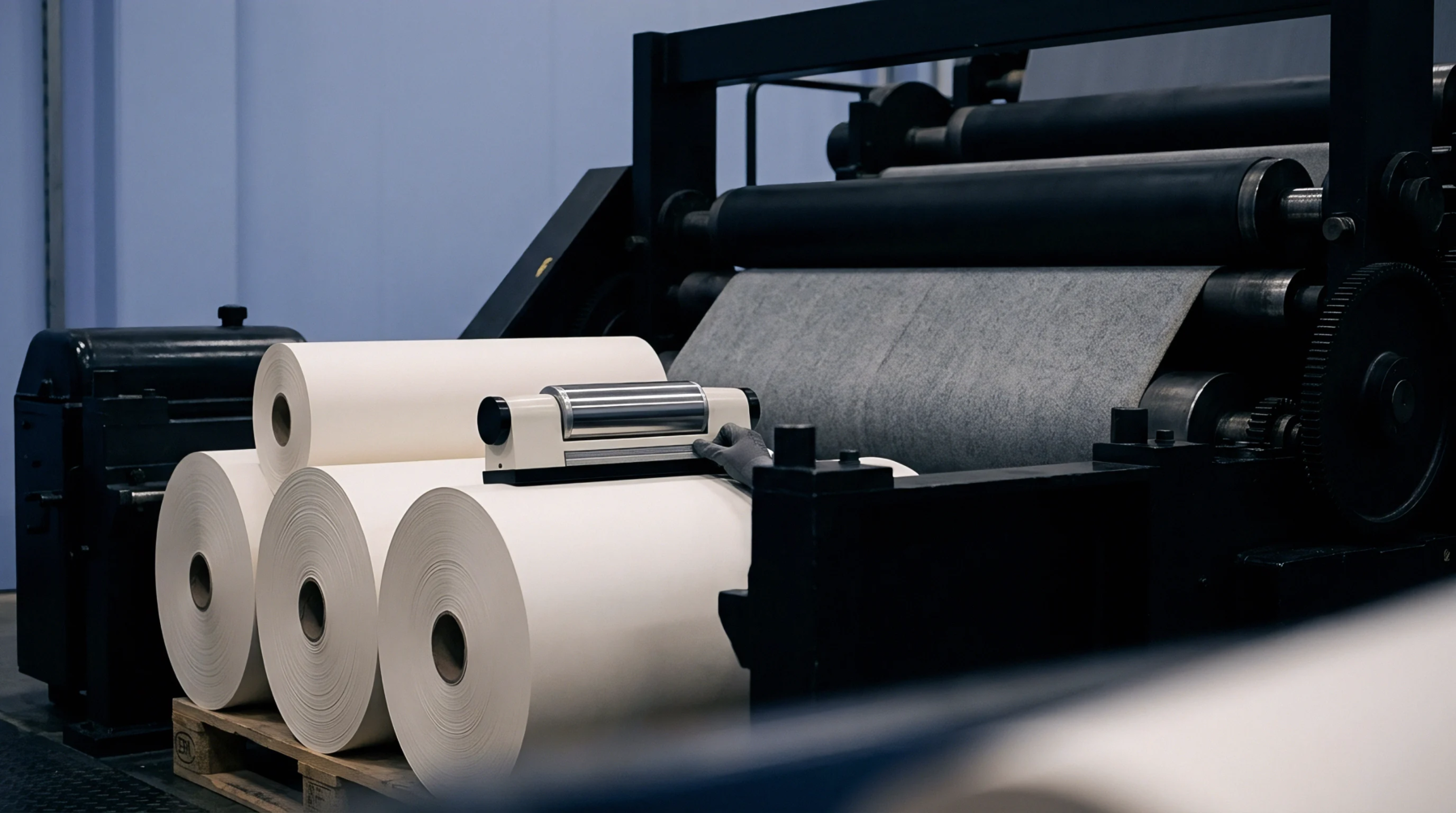
Dynamic cross-machine thermal profiling counteracts anisotropic fiber twist, holding board flatness within two millimeters per meter across high-speed lamination passes.
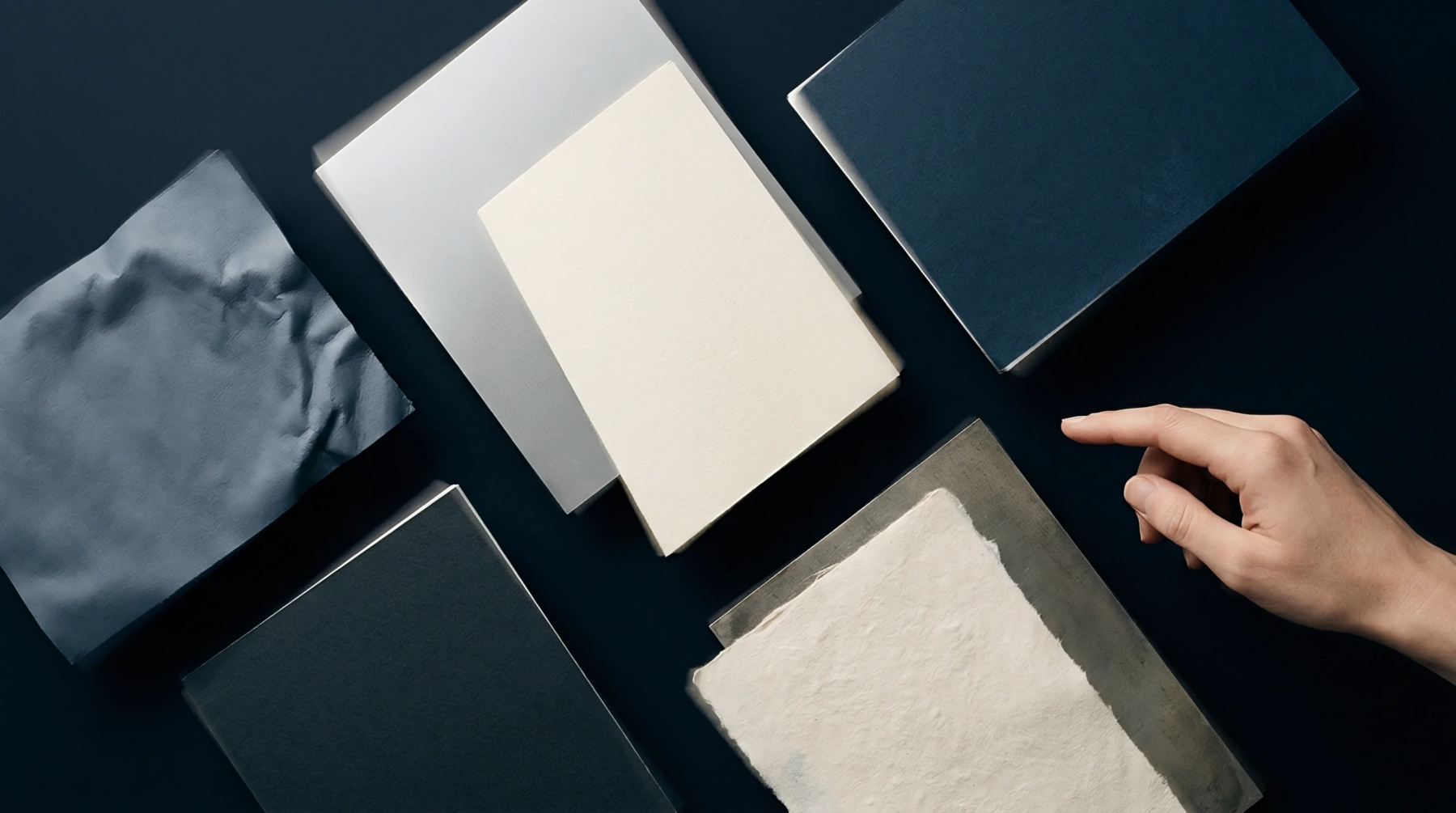
Calibrated matrix channel width relies on board caliper, rule thickness, and fiber shear mechanics to prevent liner cracking and gluer jams.
Expertise is a utility, not a secret. sentiention™ publishes its working knowledge as open reference: intelligence layer covering the materials it sources, the markets it enters, and the reference that serves both.