Optimizing Matrix Channel Dimensions for Recycled Content Folding Boxboard Conversion
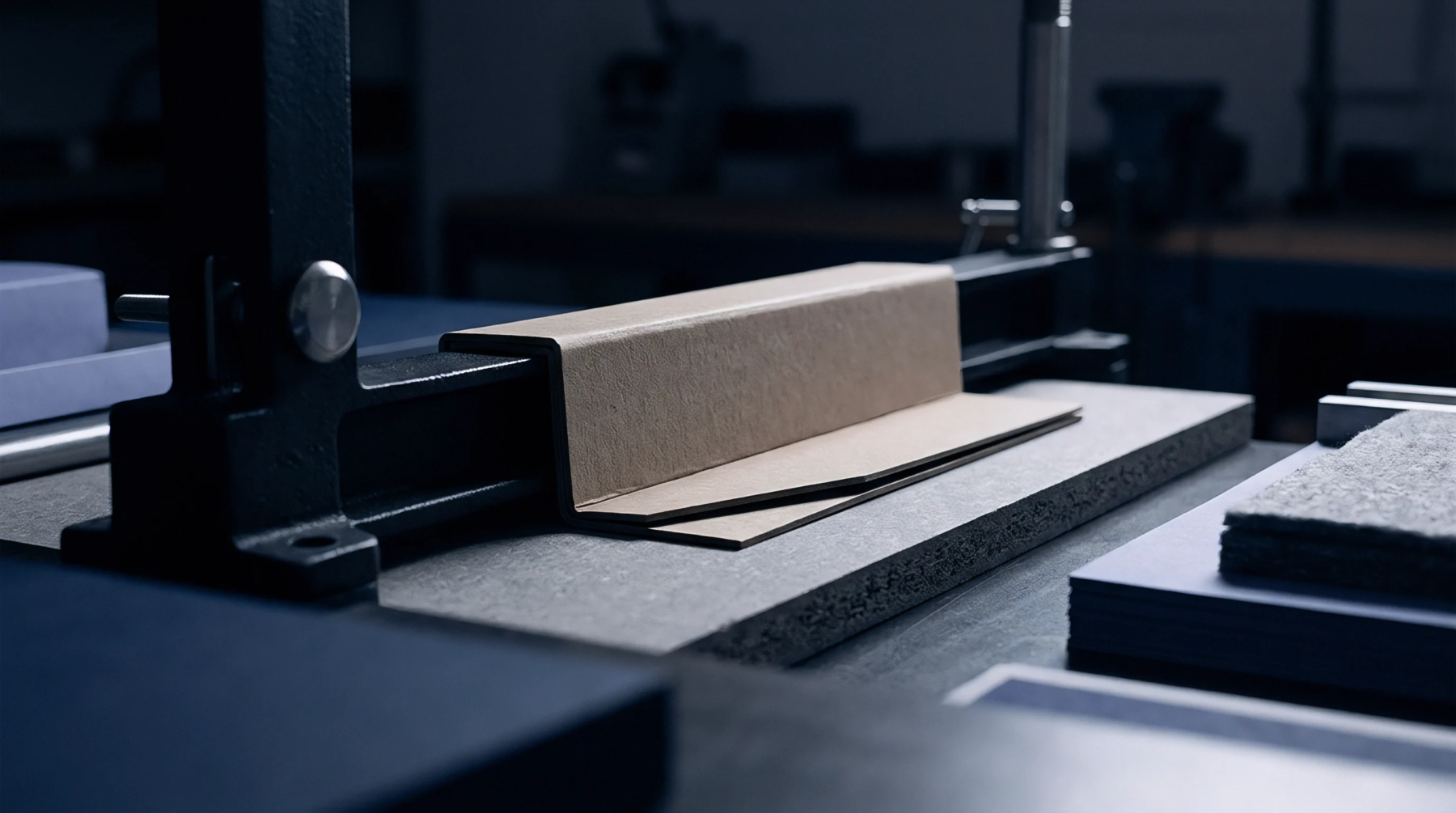
Recycled folding boxboard requires expanding matrix channel width from 1.5 to 1.8 times caliper plus rule thickness to prevent top-liner rupture.
Recycled folding boxboard requires expanding matrix channel width from 1.5 to 1.8 times caliper plus rule thickness to prevent top-liner rupture.

Calibrated matrix channel width relies on board caliper, rule thickness, and fiber shear mechanics to prevent liner cracking and gluer jams.

Determining matrix channel width requires adding steel rule thickness to board caliper multiplied by 1.5 for machine direction or 1.7 for cross direction scores.

Cross direction creasing of chemical pulp requires expanding matrix channel width to 1.5 to 1.7 times board caliper plus rule width to prevent liner cracking.

Hardwood pulp substitution increases sheet density but reduces caliper, dropping bending stiffness cubically and eroding high-speed converting line speed headroom.

Widening matrix channel width to 1.7 times board caliper mitigates score cracking on recycled board by promoting controlled internal ply delamination.

Core shear stiffness governs folding boxboard creasing performance; correct values enable middle ply delamination while preventing outer coated liner failure.

Counter matrix channel width equals creasing rule thickness plus 1.5 to 1.7 times board caliper under ISO 534 conditioning to optimize delamination.
High strain rate board creasing requires matching tool clearance to middle-ply shear yield to prevent surface fracture.

SBS bending stiffness scales with the third power of caliper and dictates carton bulking resistance, requiring verification via ISO 2493 load-cell testing.

Downgauging folding boxboard demands increasing core bulk and outer ply elastic modulus to preserve caliper and bending stiffness under McKee formula laws.

Controlled inter-ply shear delamination inside the middle layers under rule stroke impact converts rigid board into thin lamina, eliminating score cracking.

Optimize matrix channel clearance using board caliper and rule thickness formulas to guarantee internal ply delamination while preventing outer liner score cracking.
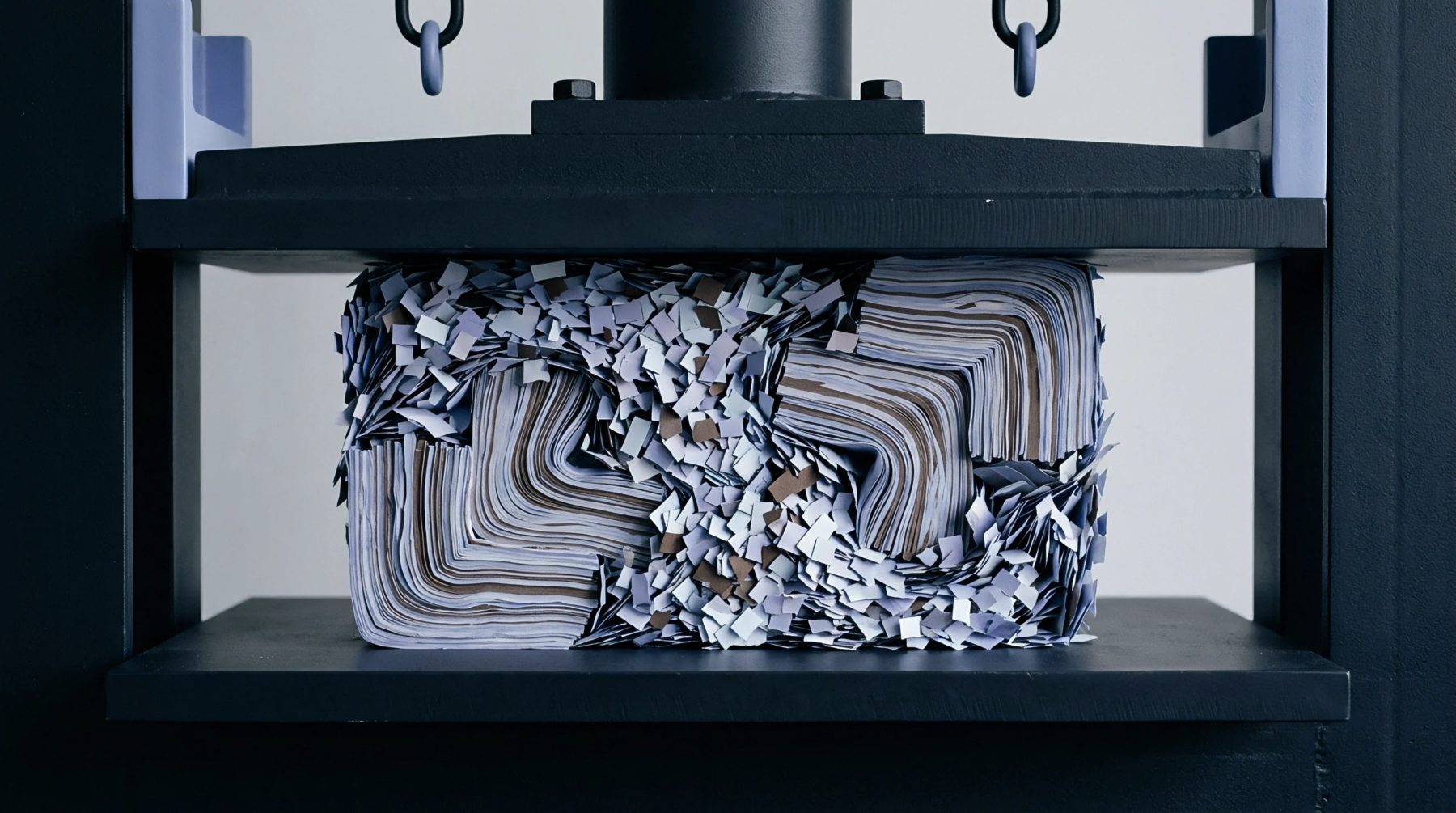
Recycled fibre shortening and hornification limit bending strain, requiring wider matrix channels and virgin top layers to prevent score cracking.
Expertise is a utility, not a secret. sentiention™ publishes its working knowledge as open reference: intelligence layer covering the materials it sources, the markets it enters, and the reference that serves both.