Caliper Density
Specific volume dictates the inverse relationship between the thickness of a paper substrate and its basis weight. Sheet bulk measures this ratio, quantifying the air space trapped within the fibrous matrix of a finished board or sheet. Low values indicate a dense, consolidated structure often found in high-pressure calendering, whereas high values describe a porous, fluffy sheet produced with minimal mechanical compaction.
Process Influence
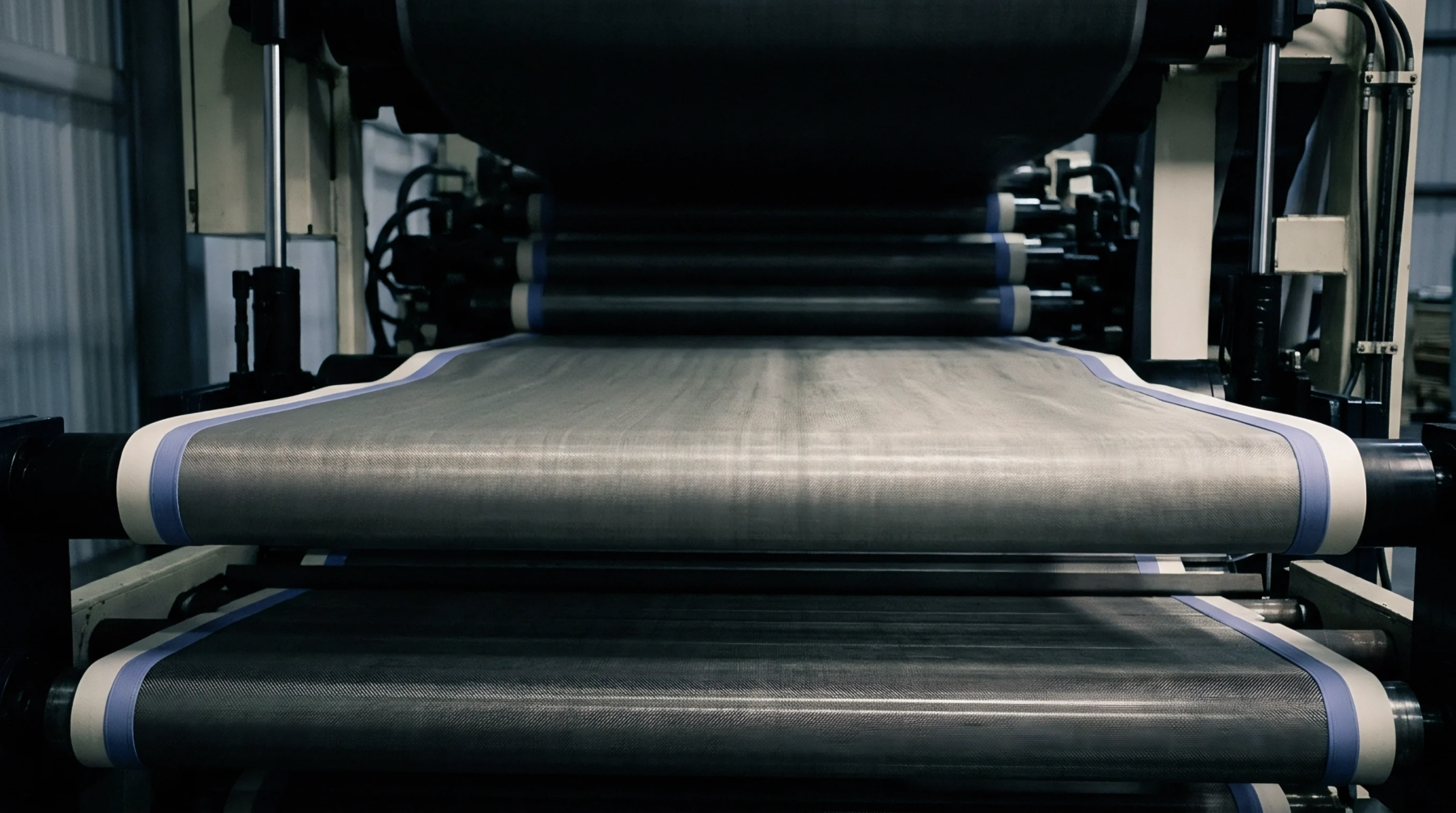
Paper mills manipulate this property during the wet end and drying stages by adjusting refiner intensity. Increased refining hydrates cellulose fibres to improve bonding strength, which reduces the trapped air volume and forces the sheet bulk downward. Converting operations then adjust press configurations to finish the surface, where excessive nip pressure collapses the internal structure to attain a smooth print surface at the expense of stiffness.
Physical Consequence
Dimensional stability relies upon this internal spacing because a sheet with higher bulk resists bending moments more effectively than a dense sheet of equal mass. Higher values permit lighter weights to maintain the necessary structural integrity for folding cartons or thick retail packaging applications. Producers track these deviations to ensure that a finished product fits within the tolerance windows required for high-speed automated filling lines.