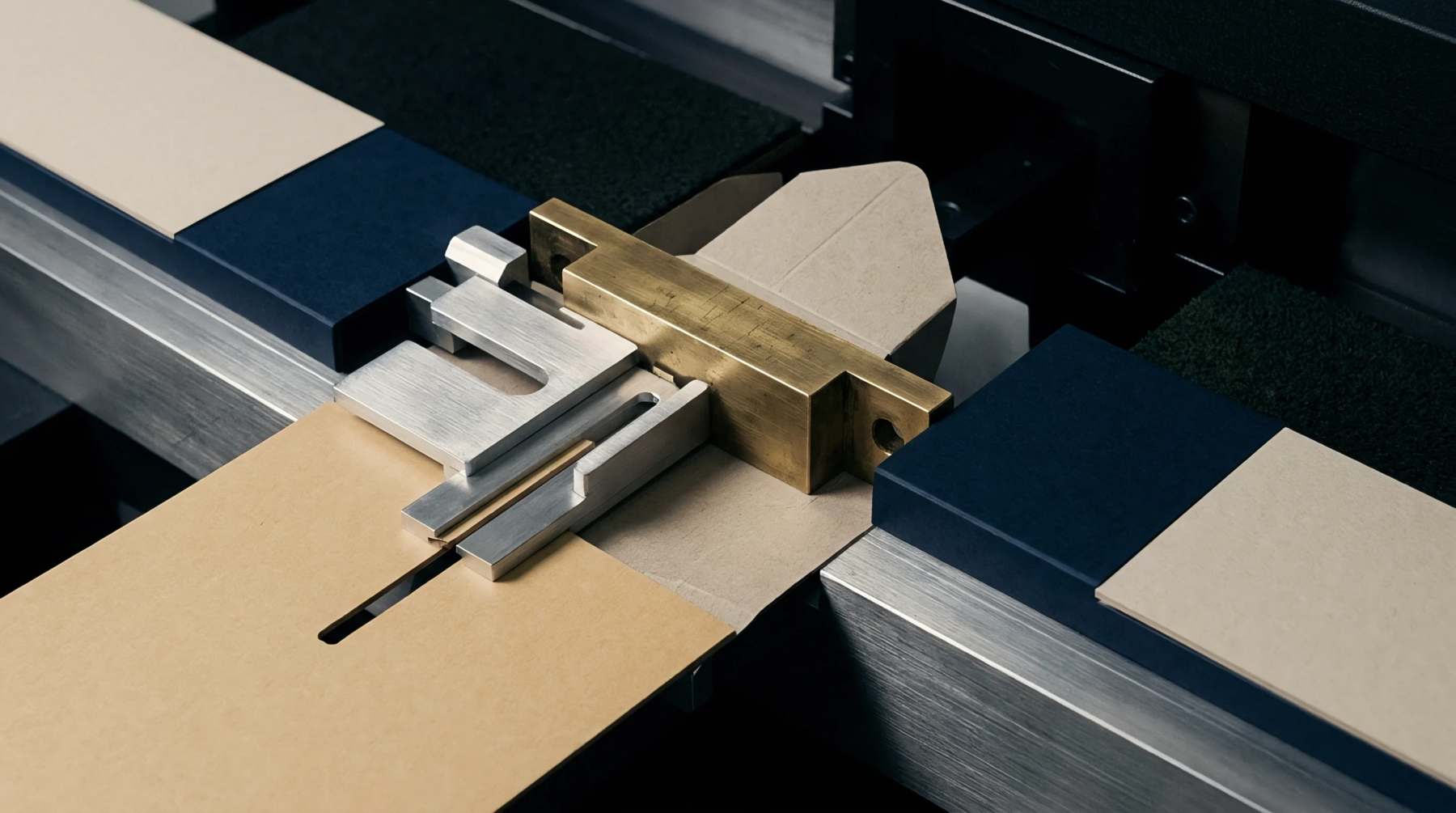
Photoinitiator Migration Mechanisms in Recycled Paperboard Packaging
Recycled paperboard carries residual photoinitiator background that requires gas-tight functional barriers or low-migration ink sets to pass compliance limits.
Recycled paperboard carries residual photoinitiator background that requires gas-tight functional barriers or low-migration ink sets to pass compliance limits.
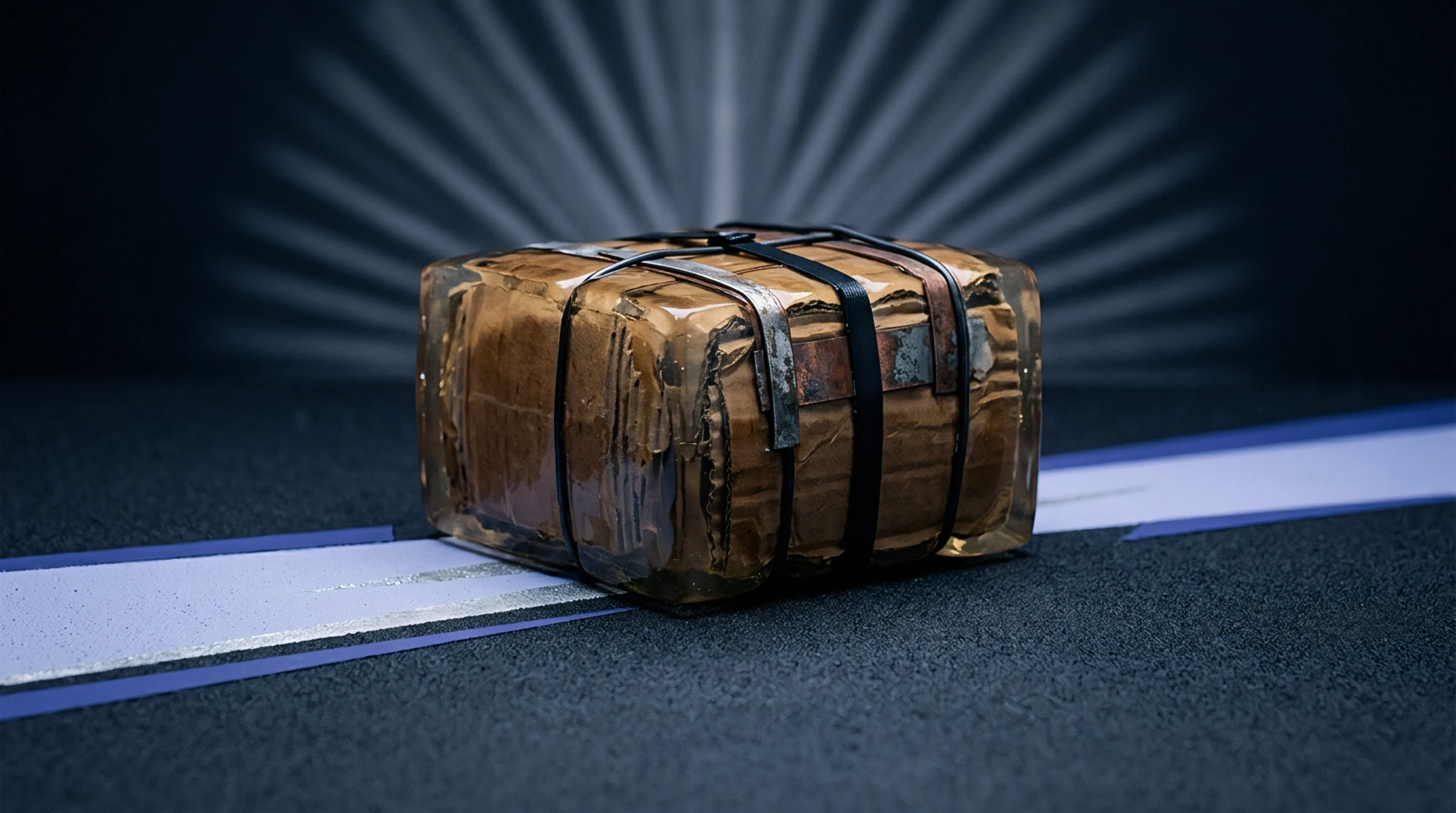
Gas phase mineral oil migration from recycled paperboard into dry food requires functional polymer barriers or sorbents to pass regulatory safety thresholds.
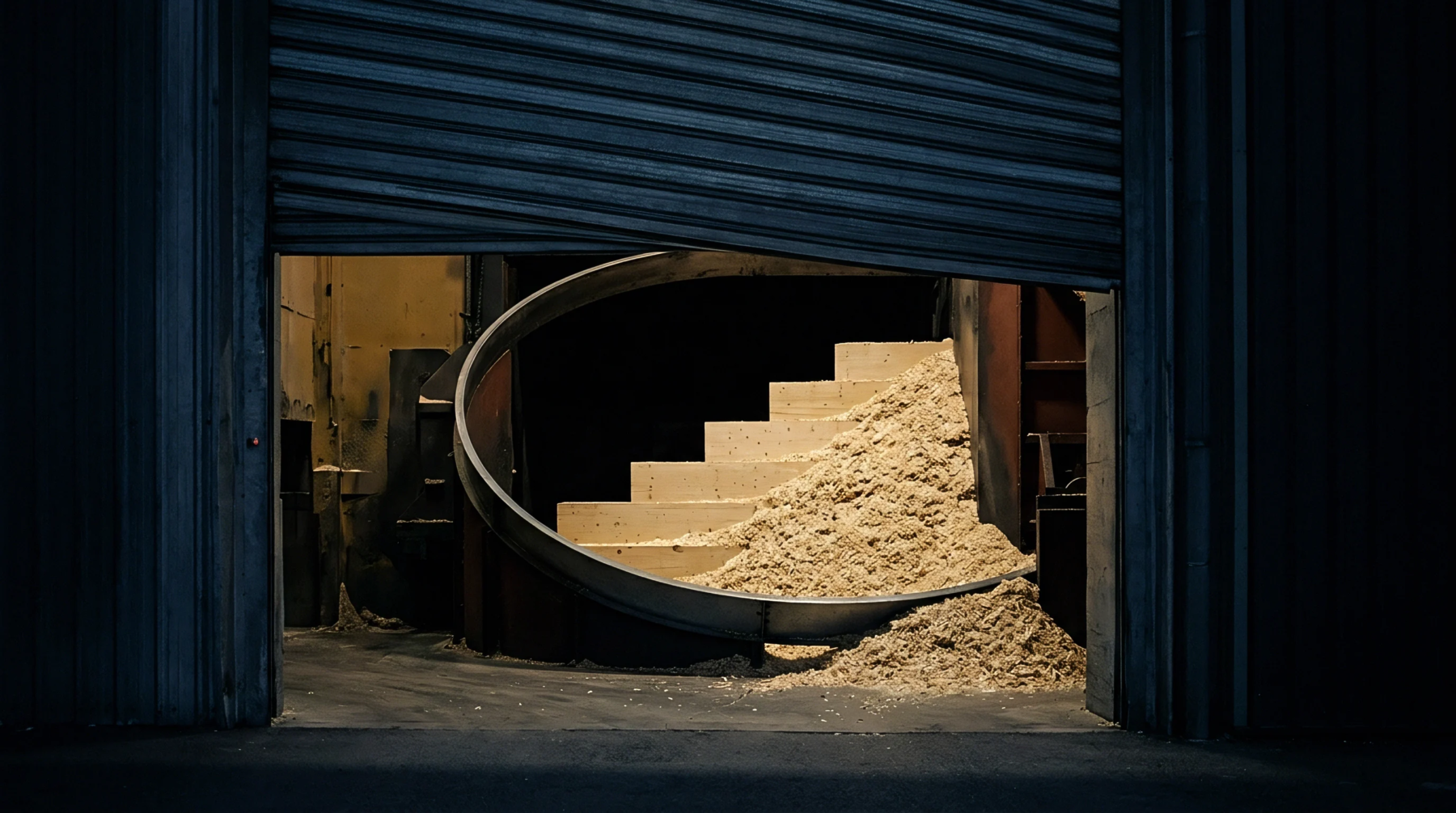
Recycled fibre score line delamination speed depends on ply bond energy, hornification level, and creasing channel clearance under strain rates.

Verify recycled folding boxboard internal bond strength using TAPPI T 569 dynamic impact testing to prevent line delamination during high-speed folding and gluing.
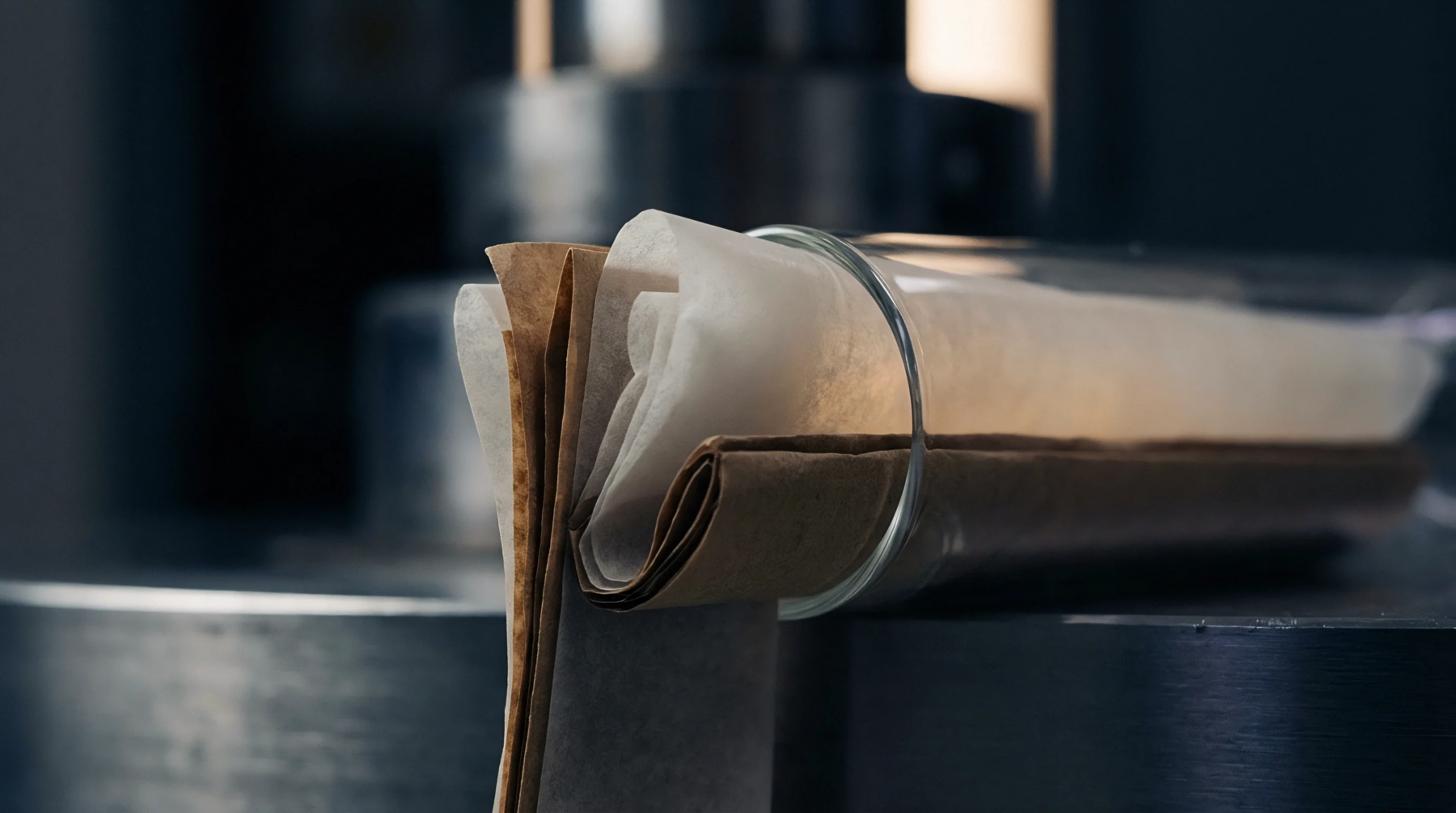
Establishing functional barrier protocols requires ten-day Tenax testing at sixty degrees Celsius to prove aromatic hydrocarbon migration remains below detection.
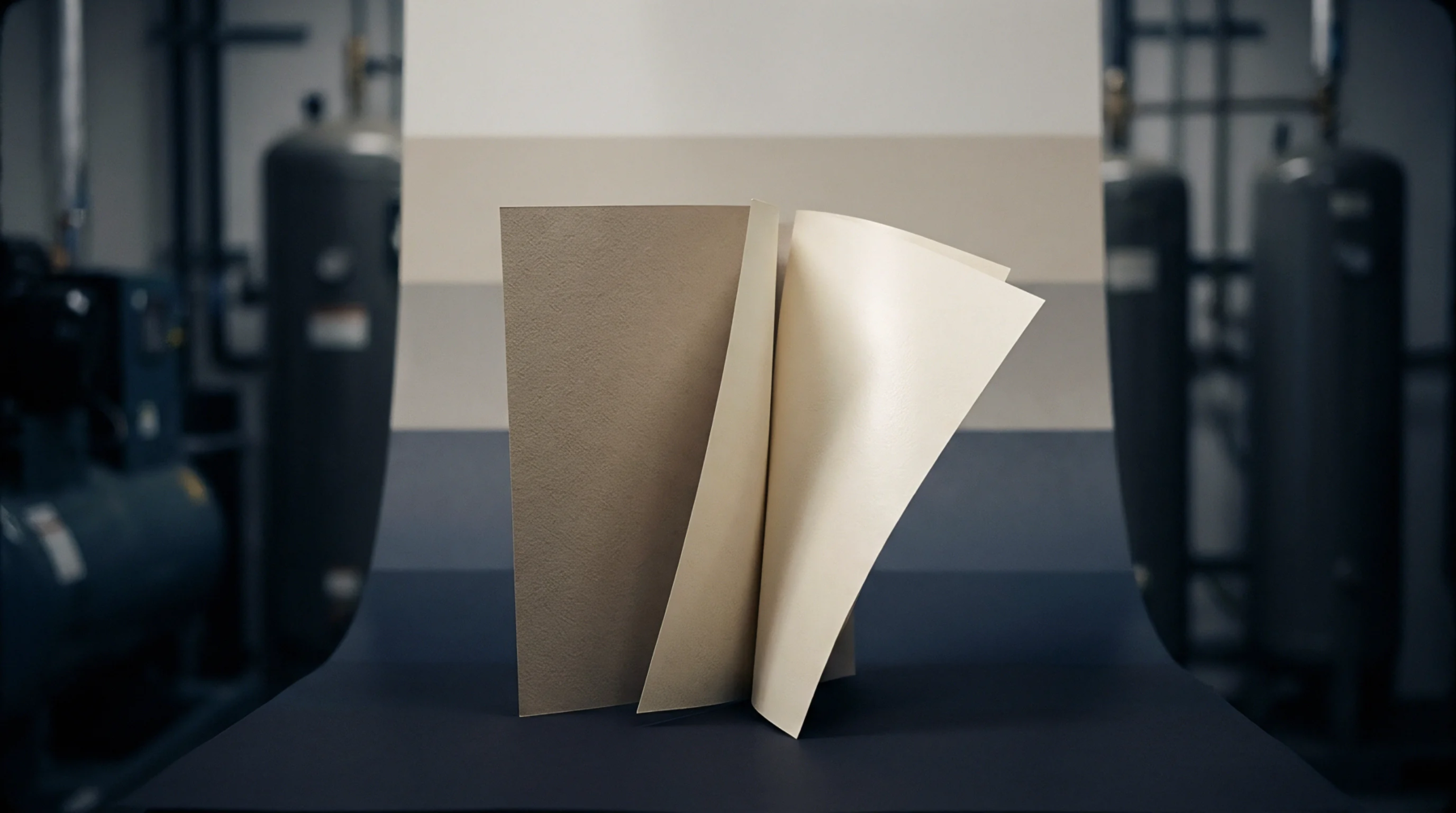
Calculating internal dynamic shear stress against wet-end starch cohesion prevents inter-ply delamination during high-speed folding of recycled boards.
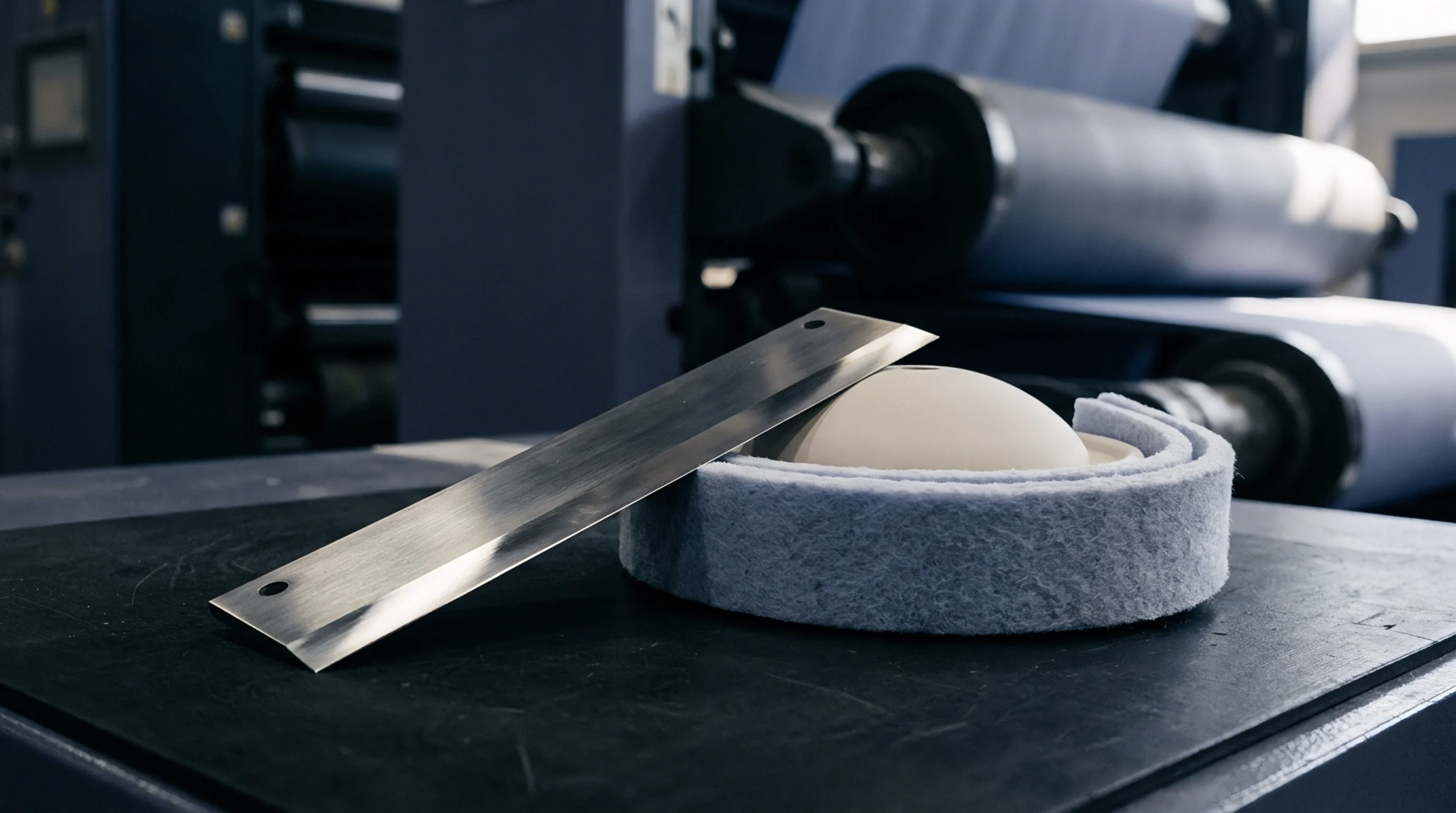
Micro-sticky contamination blinds press felts, driving up mill downtime, energy costs, and converter scrap rates through surface picking and coating failure.
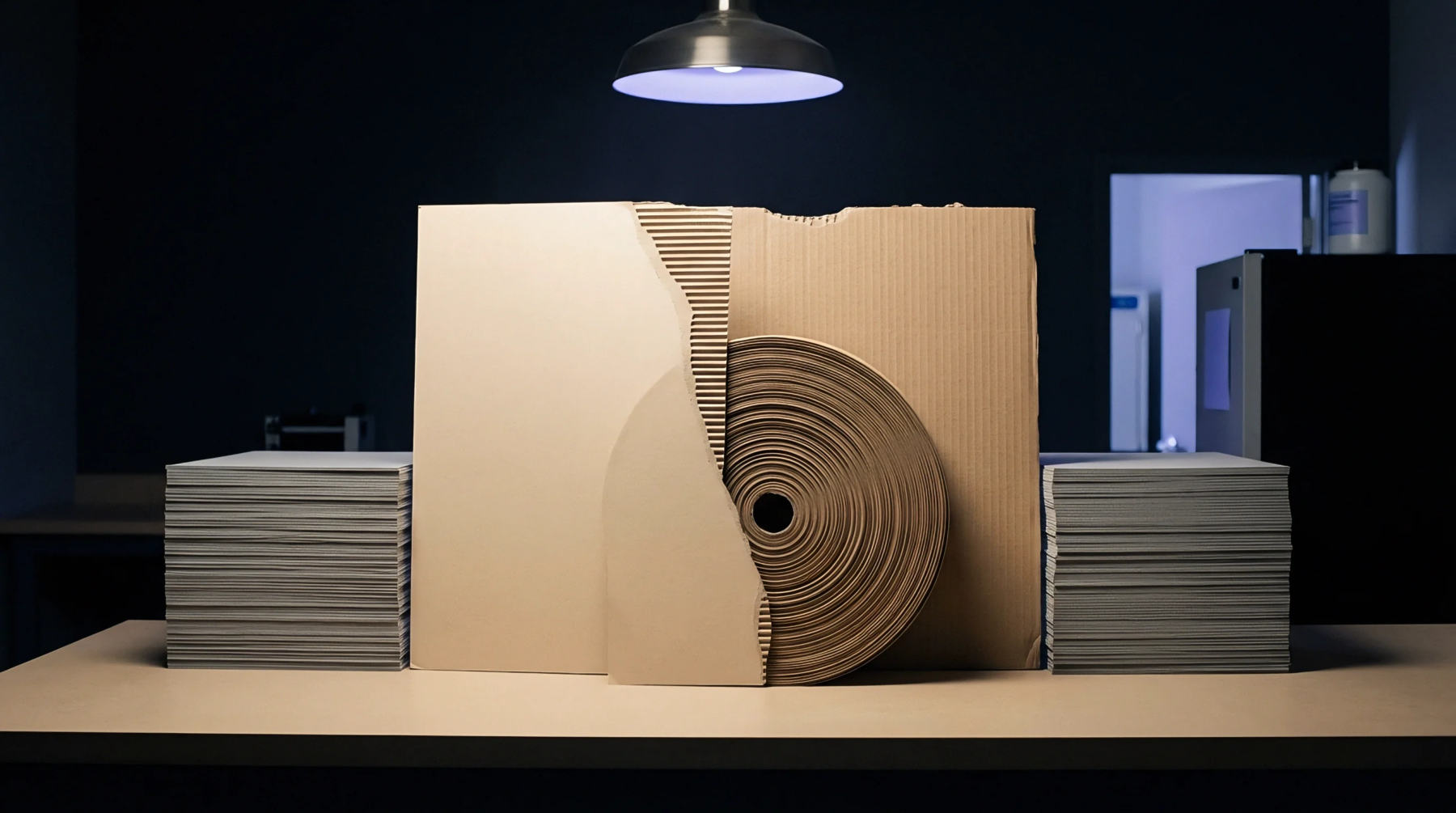
Z direction tensile testing isolates internal bond strength under perpendicular loads, preventing ply separation during high tack printing and blister sealing.
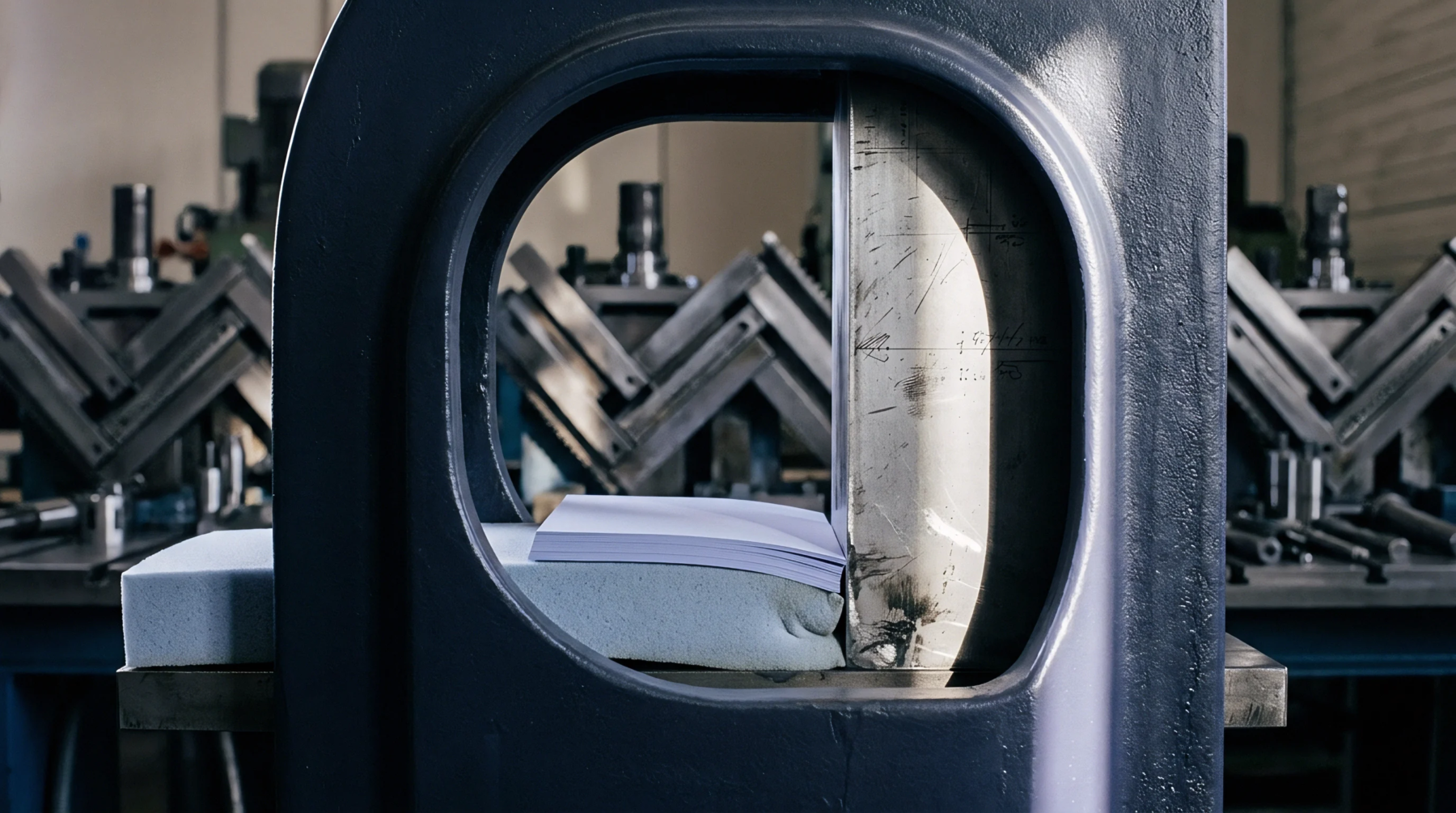
Recycled board requires 15 to 25 percent wider counter channels with radiused shoulders to absorb dynamic shear without splitting mineral coatings at speed.

Optimizing matrix creasing channels for multi-ply recycled board requires widening the channel to 1.75 to 1.90 times caliper to absorb brittle shear stress.
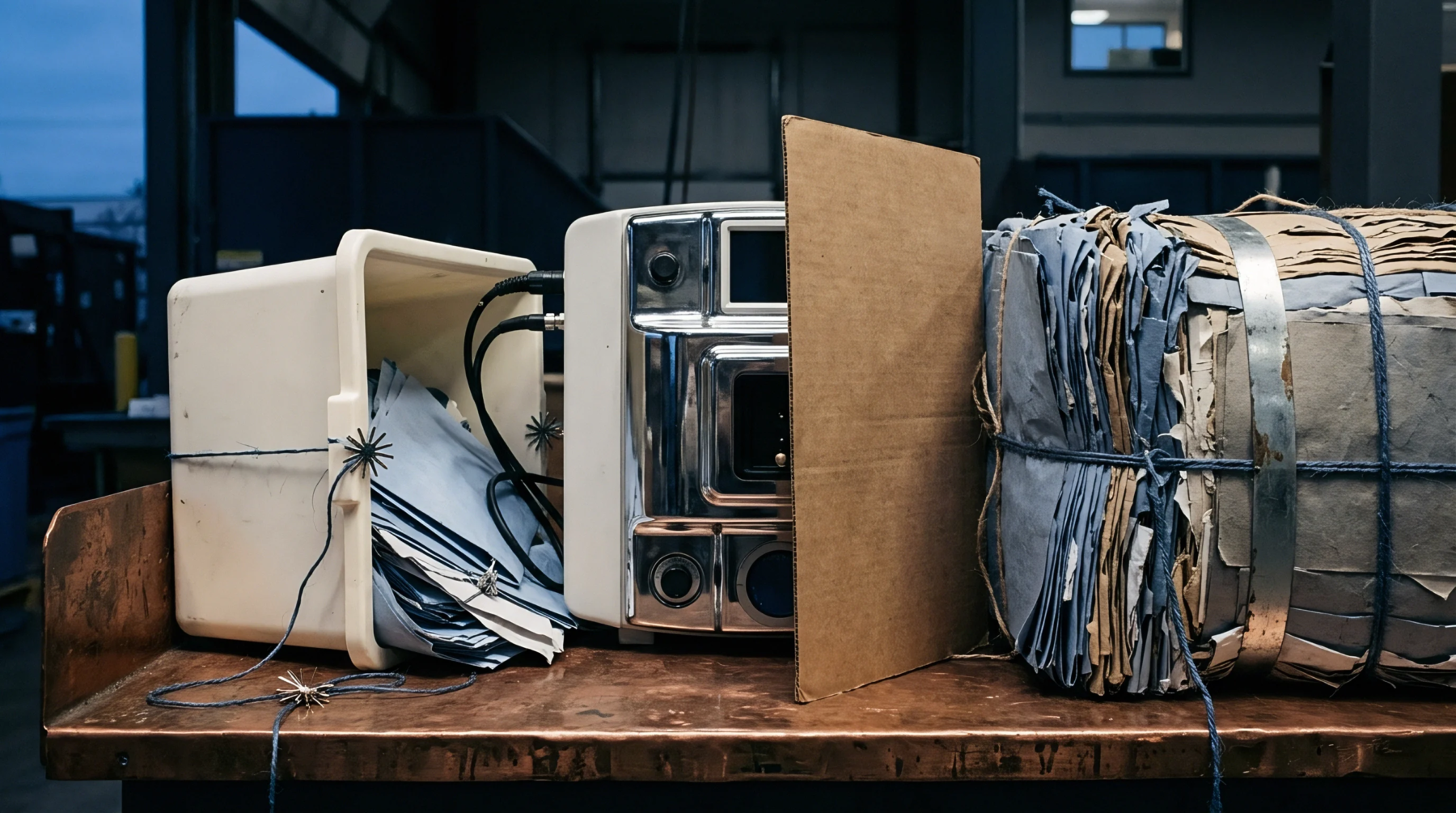
Aqueous dispersion barriers on recycled board block mineral oil migration below statutory limits only when creasing tool geometries eliminate score cracking.
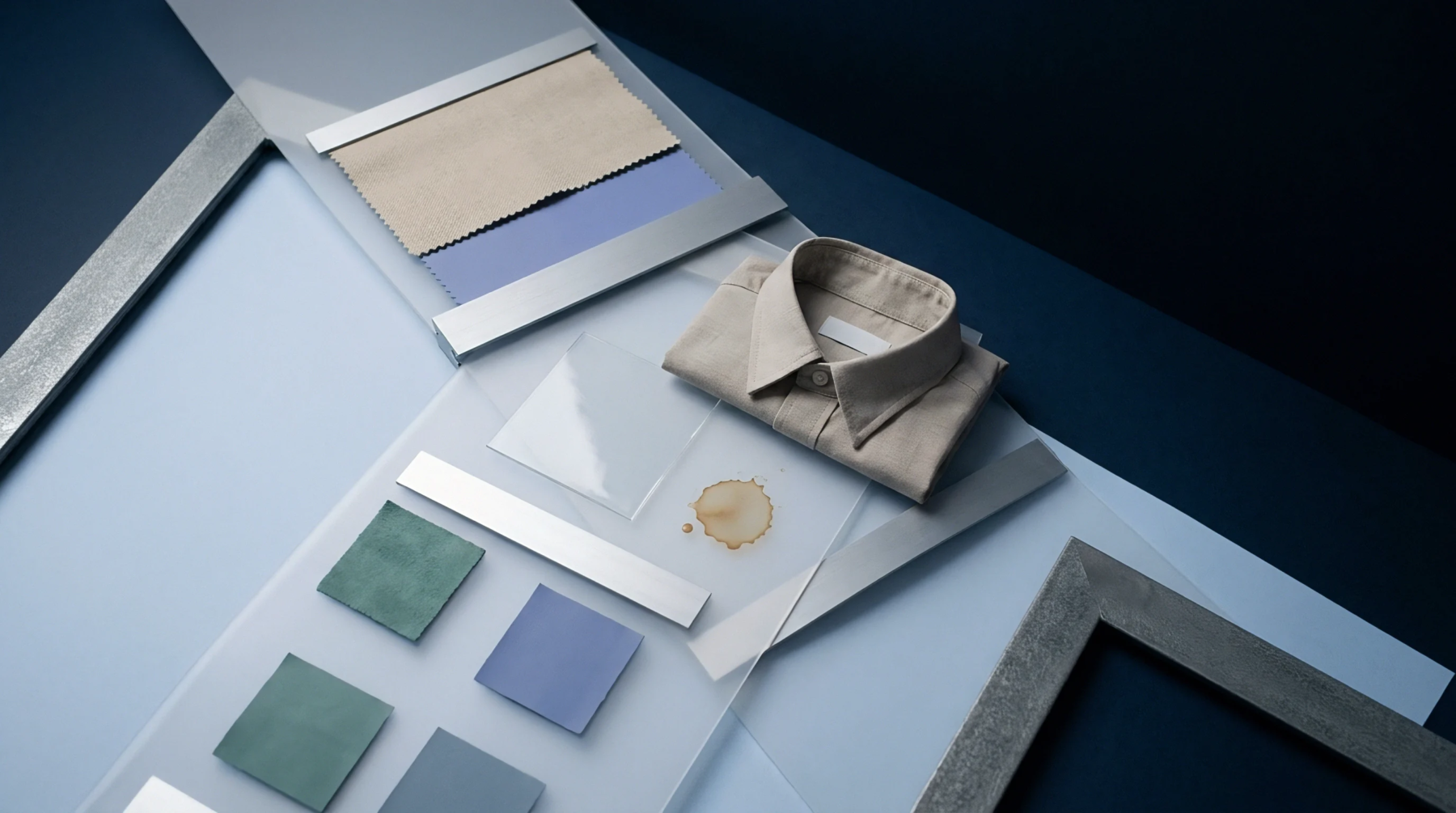
Dual-axis decurling restores sheet flatness by plastic strain but degrades recycled board bending resistance by 12 to 23 percent via core ply micro-delamination.
Sizing counter matrix channel width to 1.6 times board caliper plus rule thickness prevents clay coating cracking on recycled boxboard by enabling internal delamination.
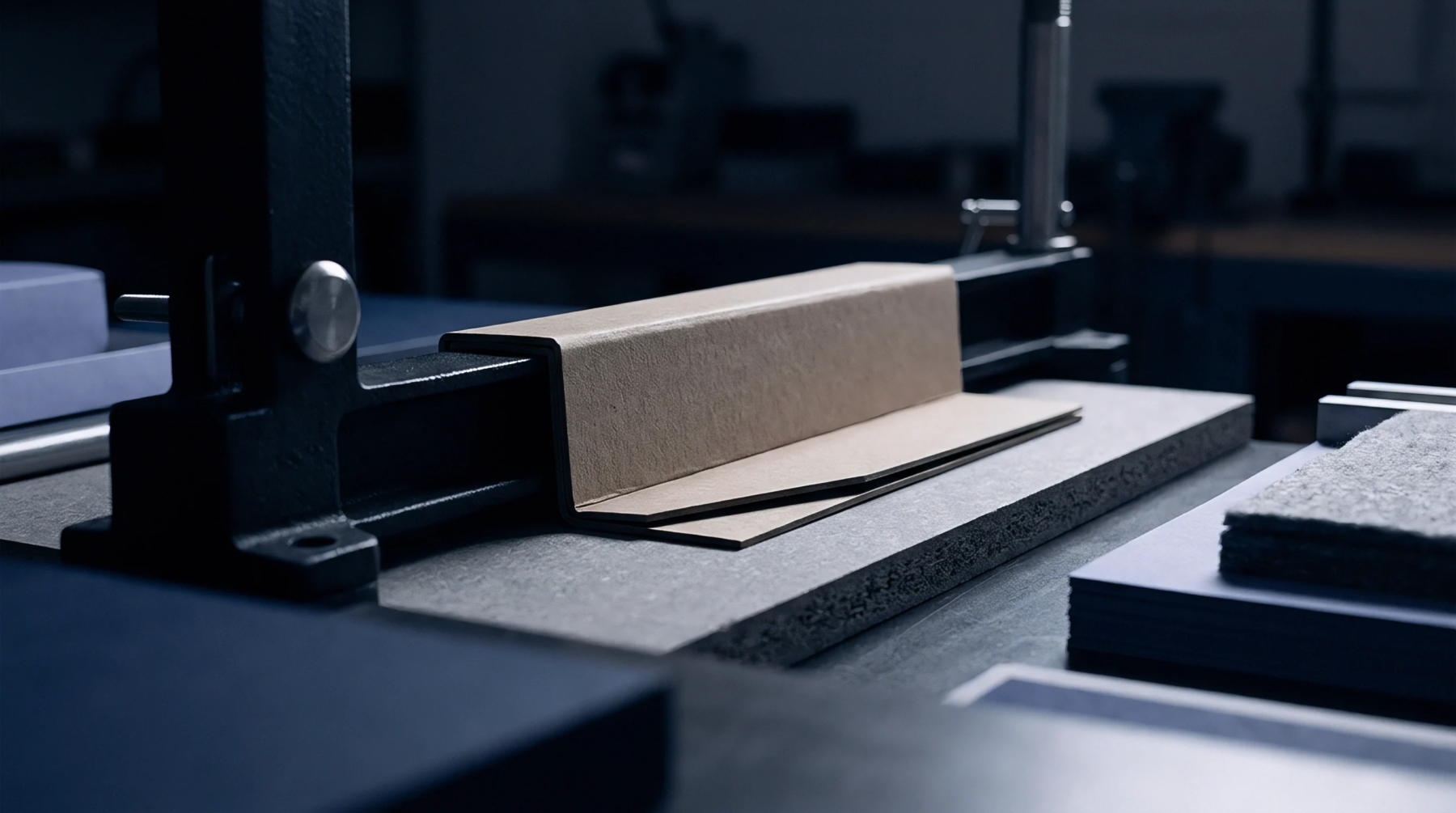
Recycled folding boxboard requires expanding matrix channel width from 1.5 to 1.8 times caliper plus rule thickness to prevent top-liner rupture.
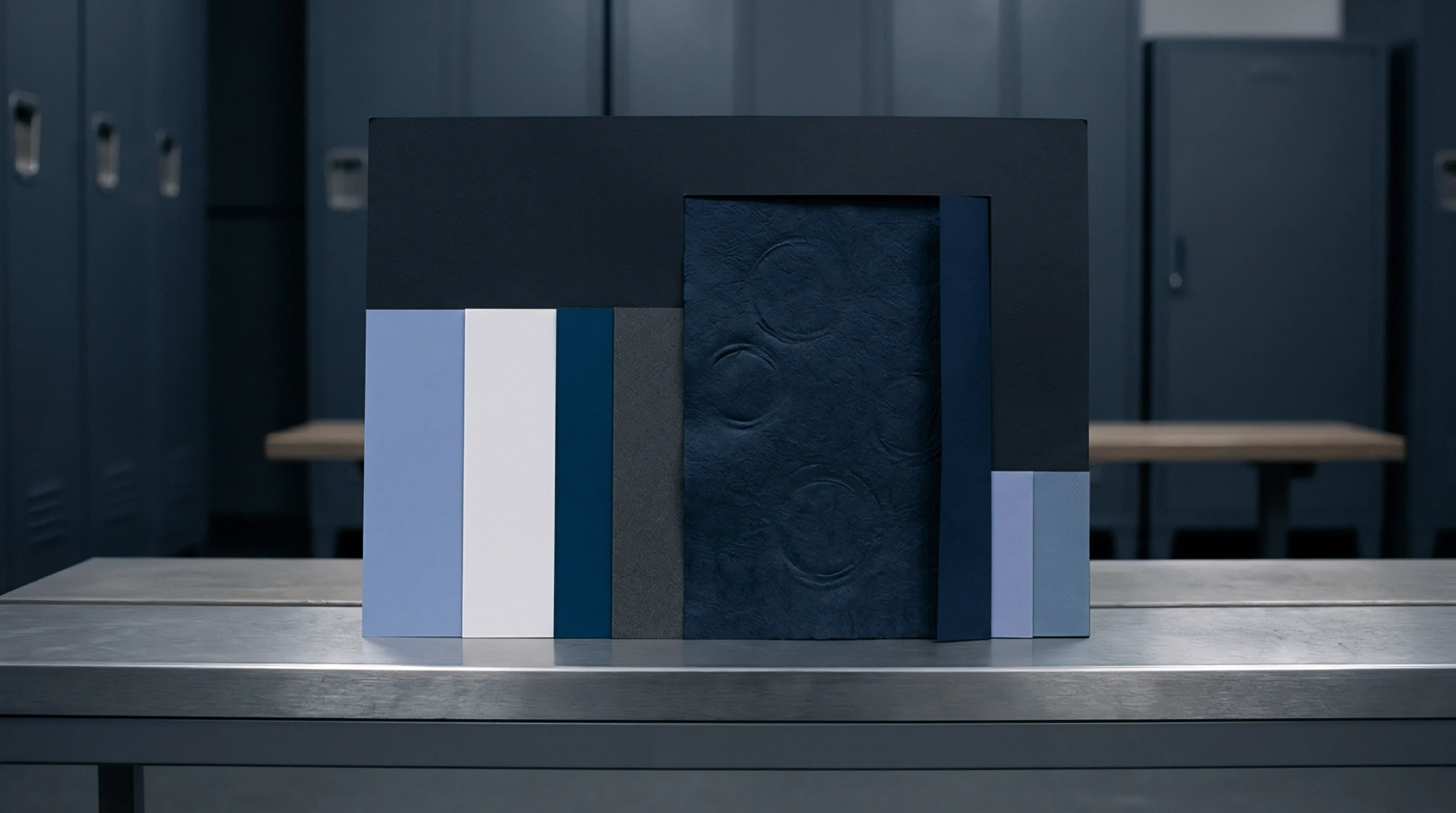
Interfibrillar swelling in recycled board plies generates interface shear stresses that fracture coatings and degrade stacking strength under cyclic humidity.
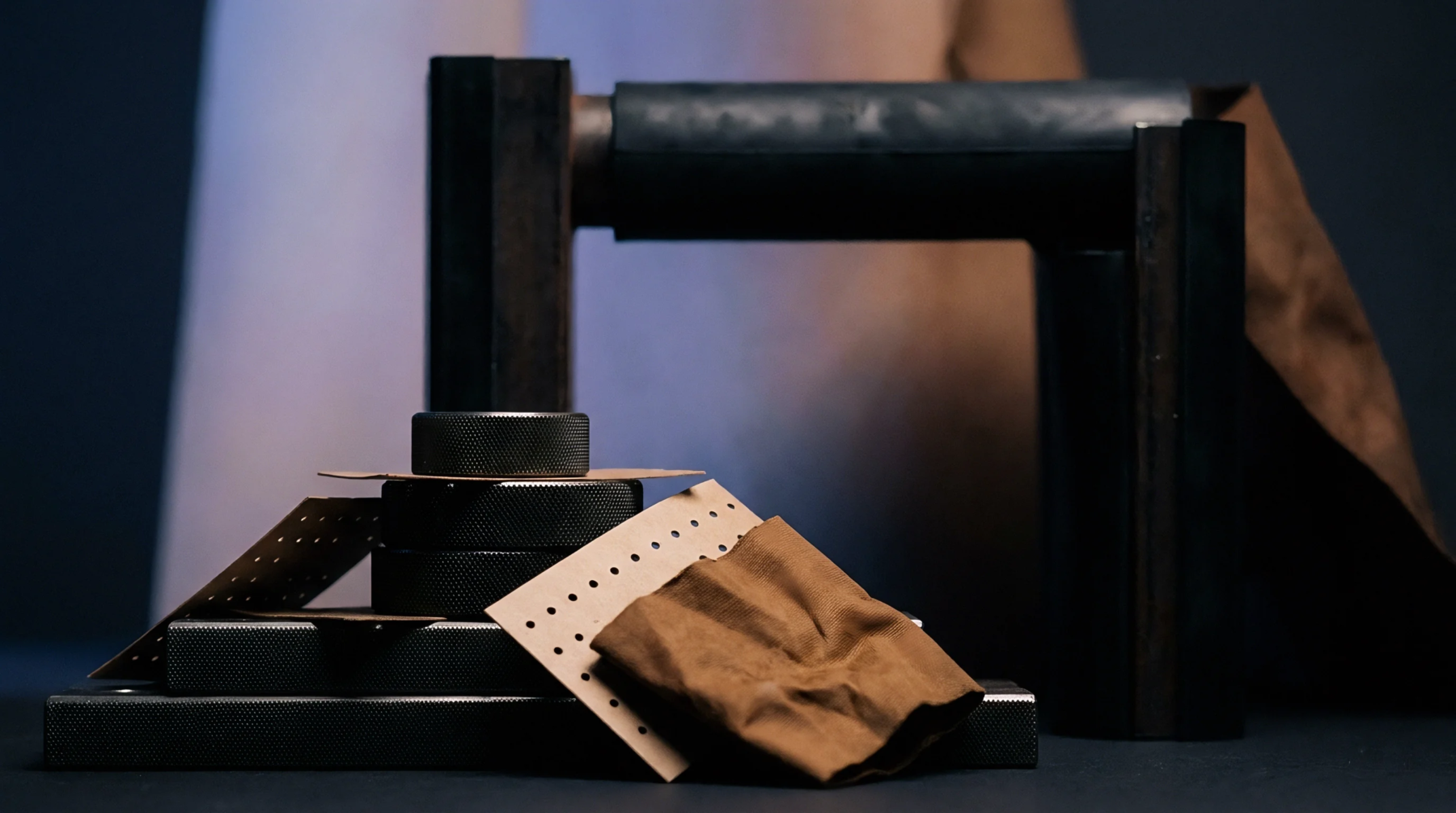
Dynamic blue-laser displacement calibration eliminates light-penetration drift, securing exact FBB crease metrics and stopping false sheet rejection.
Expertise is a utility, not a secret. sentiention™ publishes its working knowledge as open reference: intelligence layer covering the materials it sources, the markets it enters, and the reference that serves both.