Chemical Transfer
Liquid coating components move through cured layers into packaged food or sensitive goods over time. Photoinitiator migration occurs when residual unreacted molecules from ultraviolet curing processes travel through a converted paperboard substrate to contaminate internal contents. Regulatory bodies set strict specific migration limits for finished food packaging materials based on toxicological thresholds.
Converters control this transfer rate by adjusting lamp intensity, selecting high molecular weight formulations, and applying functional barrier coatings to the reverse side of the stock.
Barrier Performance
Migration kinetics depend heavily on the density of the crosslinked polymer network and the porosity of the underlying fibrous substrate. Unreacted liquid fractions remain trapped within the matrix if crosslinking is incomplete during high speed printing operations. Cellulose fibers act as a diffusion pathway unless sealed with specialized extrusion coatings or dispersion layers.
Temperature fluctuations during warehousing accelerate molecular diffusion rates within folding cartons.
Regulatory Compliance
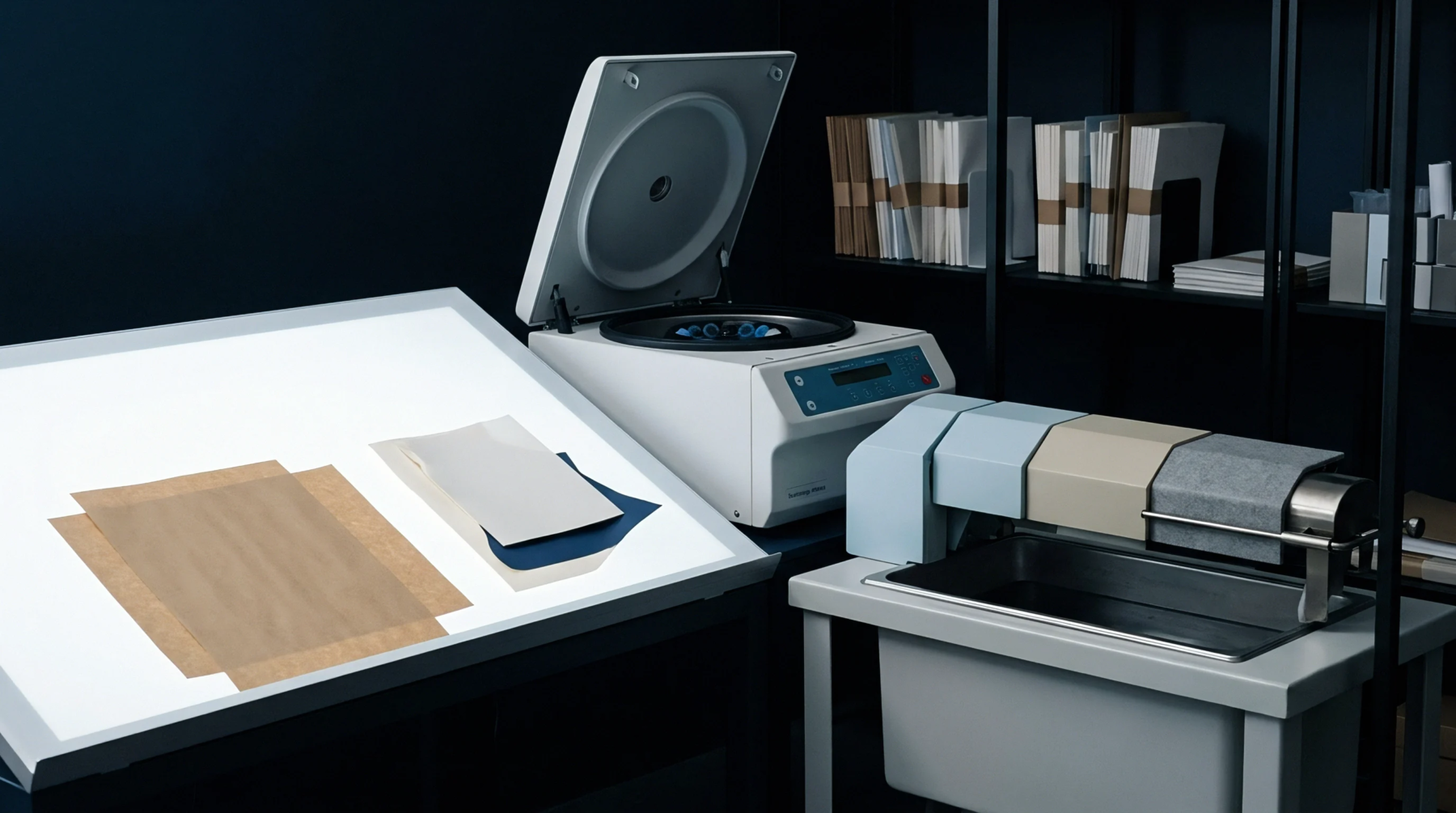
Analytical testing via liquid chromatography mass spectrometry verifies that residual chemical transfer remains below threshold limits specified for food contact applications. Brand owners demand strict compliance documentation from packaging converters to ensure consumer safety standards are fully met. Independent laboratories measure specific compounds extracted from representative board samples under standardized thermal test conditions.
Regulatory penalties force suppliers to reformulate ultraviolet curable inks and varnishes continuously.