Selecting Food Simulants for Recycled Paperboard Specific Migration Limit Compliance
Recycled paperboard specific migration testing demands solid simulant Tenax or validated substitute media to prevent fiber breakdown and false analytical results.
Sorb
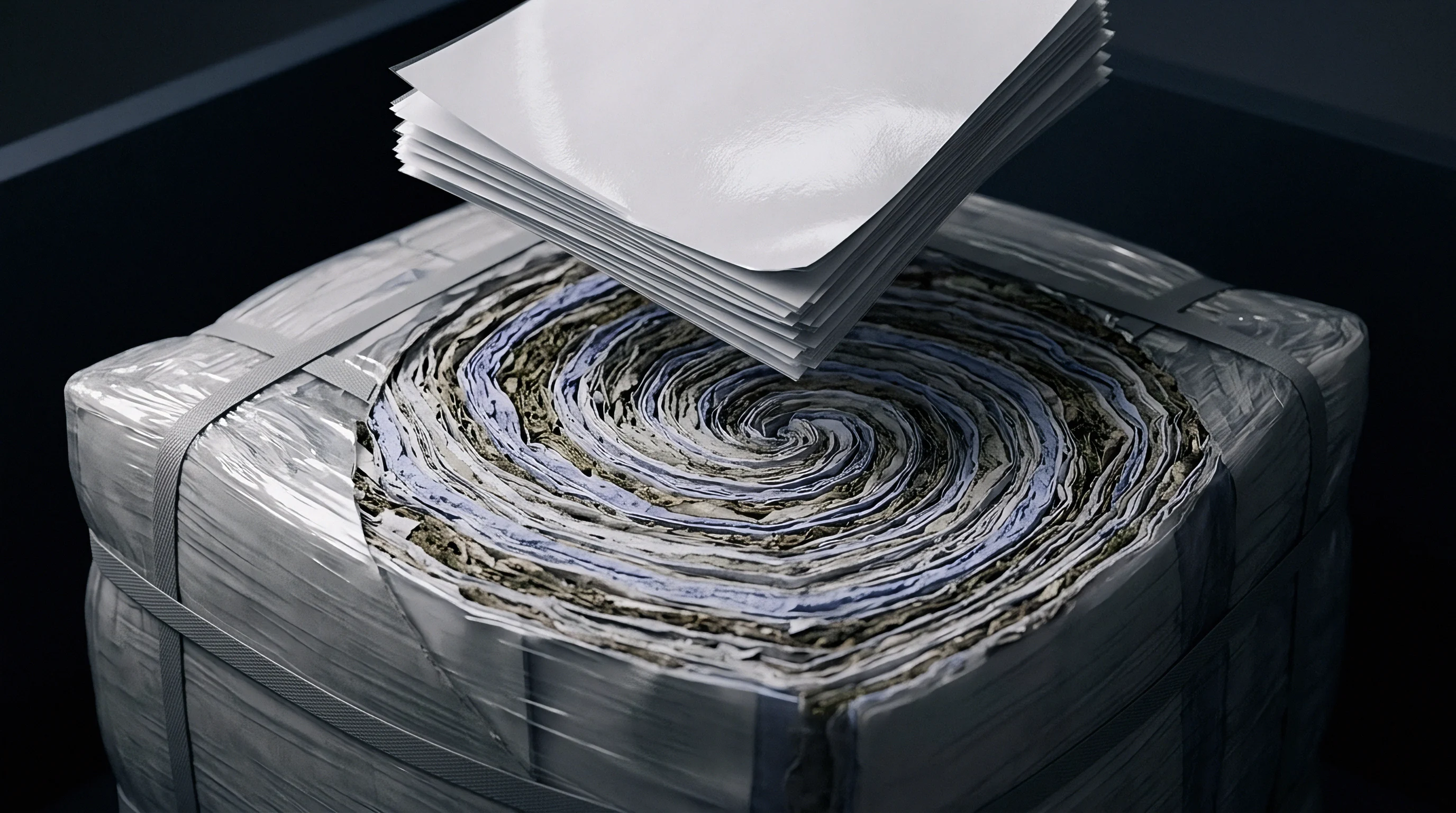
Cellulosic networks interact with migrant molecules through distinct physical mechanisms depending on moisture levels, temperature, and compound vapor pressures. In un-laminated recycled paperboard, non-polar mineral oil hydrocarbons, photoinitiators, and plasticizers move through dry fiber structures primarily via vapor phase transport rather than direct liquid dissolution. Liquid simulants applied directly to uncoated paperboard induce swelling, alter pore geometries, and cause structural fiber separation.
That physical damage alters the transport dynamics, generating analytical values that reflect solvent extraction instead of realistic food contact migration.
Dry food contact compliance relies on solid phase testing media that capture gas phase migration without altering substrate morphology. Modified poly(2,6-diphenyl-p-phenylene oxide), known commercially as Tenax, functions as simulant E under European testing framework conventions. Solid porous polymers adsorb volatile and semi-volatile substances evolving from recycled pulp fibers, matching the affinity of dry fatty foods such as cereals, dry pasta, and milk powders.
Direct physical contact between board and polymer granules at controlled test temperatures recreates the thermodynamic equilibrium established inside commercial packages over target shelf life periods.
0.5 milligrams per square decimeter serves as the standard analytical detection threshold for specific migrant quantification on porous polymer collectors under ten-day exposure regimes at forty degrees Celsius.
Liquid exposure testing remains necessary for paperboard grades designed with internal sizing or functional barrier coatings intended for moist or aqueous food contact. Testing uncoated or inadequately sized board against liquid simulants introduces water or solvent mixtures into the internal matrix, causing rapid capillary uptake. Matrix wetting releases naturally occurring wood components alongside synthetic additives, inflating total residue values and confusing specific migrant identification.
The structural breakdown of the board sample during liquid immersion renders surface-area-to-volume ratio calculations invalid, destroying test repeatability.
Gas Phase Transport and Porous Collectors
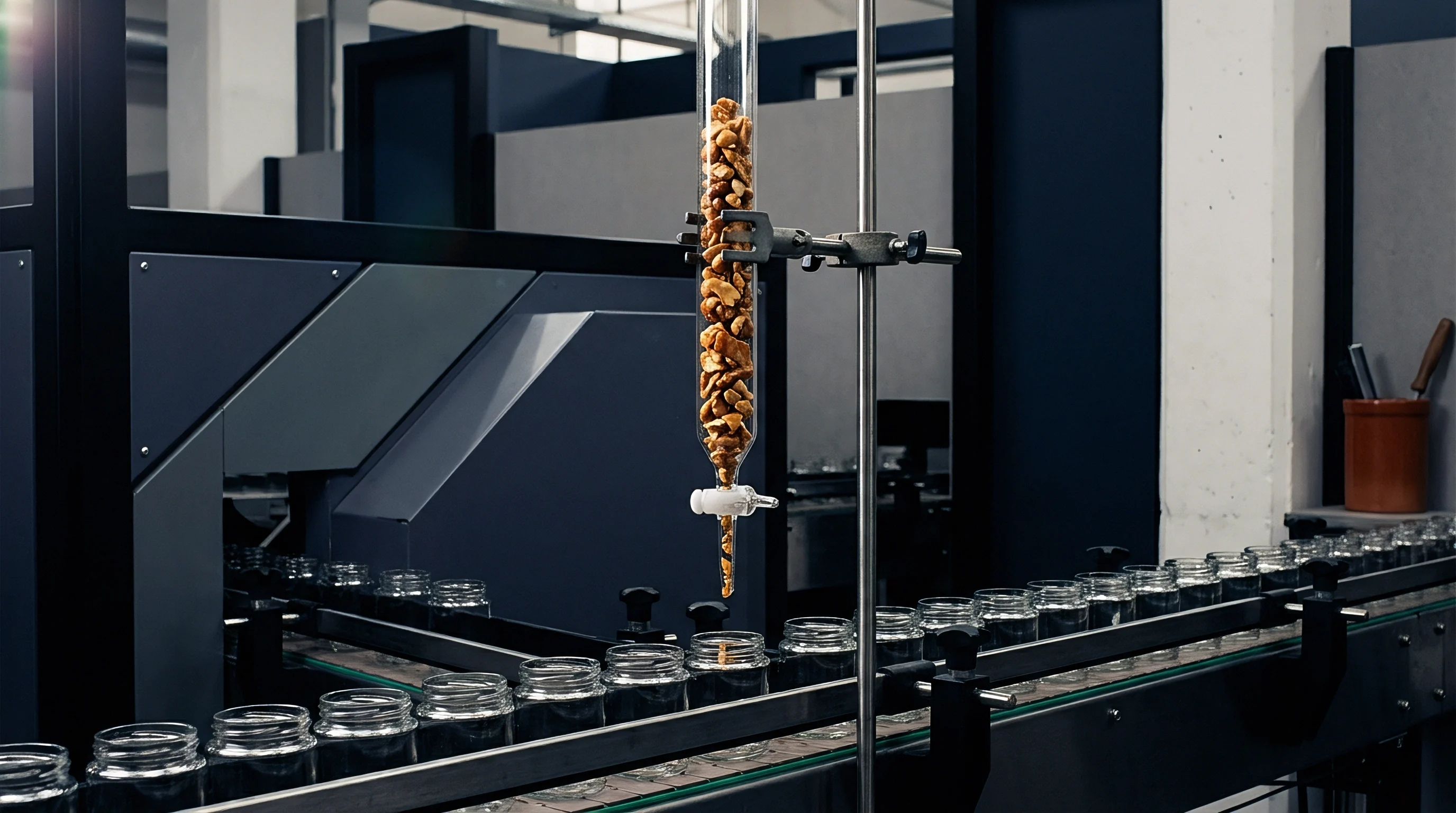
Vaporization drives the movement of low-molecular-weight hydrophobic substances out of recycled paper packaging into ambient headspaces. Compounds containing fewer than twenty-four carbon atoms exhibit vapor pressures high enough to clear the fiber surface at standard room storage temperatures. Recycled fibers retain residues from printing inks, adhesives, and previous packaging applications, including mineral oil saturated hydrocarbons, mineral oil aromatic hydrocarbons, and alkylphenols.
Porous polymer beads trap these airborne compounds continuously, preventing local saturation at the paper surface and maintaining a uniform concentration gradient throughout exposure runs.
- Capillary Transport Over-estimation occurs when liquid test media penetrate unsized recycled board, extracting bound internal resin acids alongside targeted packaging contaminants.
- Vapor Equilibrium Saturation happens inside sealed testing cells when headspace volumes run too small, halting organic molecule transfer before reaching actual package equilibrium levels.
- Adsorptive Sink Mechanics rely on high specific surface area collectors to pull semi-volatile organic compounds out of the paper phase at rates controlled solely by internal fiber diffusion.
- Fiber Matrix Collapse results from direct wetting with high-ethanol simulants, invalidating mass transfer kinetic calculations through artificial structural deformation.
Failure to match physical contact mechanisms to real pack architecture leads directly to regulatory rejection at border customs checks or total failure during packaging qualification trials.

Solvent
European Regulation 10/2011 defines standard simulants for plastic materials, which testing laboratories adapt for paperboard evaluation in the absence of a fully harmonized single paper regulation. Simulants comprise 10 percent ethanol for aqueous foods, 3 percent acetic acid for acidic foods, 20 percent ethanol for alcoholic foods, 50 percent ethanol for dairy products, vegetable oil for fatty foods, and porous polymer Tenax for dry foods. Cellulosic packaging exhibits immediate chemical incompatibility with high-water and vegetable oil liquid simulants during extended testing protocols.
Cellulose absorbs water and ethanol mixtures, swelling the internal matrix, while vegetable oils sink permanently into the fiber structure, preventing accurate analytical recovery of specific migrants.
Alternative media replace vegetable oil and high-water liquid simulants when verifying specific migration limits for paper and board under national framework guidelines such as Recommendation XXXVI of the German Federal Institute for Risk Assessment. Iso-octane and 95 percent ethanol serve as substitute test media, providing equivalent extraction power without destroying paperboard integrity. The physical contact duration and temperature settings for substitute media shorten significantly compared to standard ten-day regimes to prevent severe matrix degradation.
Standard protocol parameters compress ten days of fatty food contact at forty degrees Celsius into two days of iso-octane contact at twenty degrees Celsius or four hours at sixty degrees Celsius.
| Target Food Category | Standard EU Plastic Simulant | Recommended Paperboard Testing Medium | Primary Chemical Transport Mechanism | Standard Test Conditions |
|---|---|---|---|---|
| Dry Fatty (Cereal, Bakery) | Simulant E (Tenax) | Modified Poly(phenylene oxide) | Gas phase evaporation and solid adsorption | 10 days at 40°C |
| Moist Non-Fatty (Fresh Fruit) | Simulant A (10% Ethanol) | Cold water extract (EN 645) | Liquid phase diffusion and leaching | 24 hours at 23°C |
| Acidic Foods (Citrus, Soft Fruit) | Simulant B (3% Acetic Acid) | Modified cold water extract | Acid-catalyzed extraction and leaching | 24 hours at 23°C |
| Fatty Moist (Butter, Cheese) | Simulant D2 (Vegetable Oil) | Iso-octane / 95% Ethanol substitute | Solvent swelling and hydrophobic partition | 2 days at 20°C (Iso-octane) |
| Dry Non-Fatty (Pulses, Salt) | Simulant E or None | Tenax or modified migration calculation | Volatile gas phase transport | 10 days at 40°C |
Executing tests with incorrect media alters chemical partition coefficients between paperboard fibers and collecting phases. Strong organic solvents cause native wood resins, sizing agents, and starch binders to dissolve into the test medium. These dissolved native components create severe interference during gas chromatography and mass spectrometry analysis, obscuring target migrant peaks.
Clean analytical separation demands screening media that extract target contaminants cleanly while leaving the native lignin and cellulose framework intact.
Council of Europe Resolution CM/Res(2020)9 specifies that substitute test media must not alter the physical structure of paperboard substrates during migration testing procedures.

Substitute Media Kinetics and Temperature Equivalence
Short-term high-temperature exposures accelerate molecular motion within board substrates, simulating long-term ambient storage. Iso-octane rapidly penetrates hydrophobic sizing treatments, dissolving non-polar substances like phthalates and short-chain mineral oils within forty-eight hours at room temperature. Ninety-five percent ethanol targets moderately polar migrants, including photoinitiators like benzophenone and plasticizers like triethyl citrate.
The temperature selection governs whether test results represent actual partition limits or artificial matrix breakdown.
Converters often declare that liquid immersion results mirror worst-case real-world exposure without presenting proof of matrix preservation. That position crumbles when laboratory analysis demonstrates that the testing liquid destroyed internal fiber bonds during exposure runs.

Volatiles
Recycled pulp streams carry diverse chemical residues originating from ink binders, thermal papers, adhesives, and converting additives. Mineral oil saturated hydrocarbons containing ten to thirty-five carbon atoms represent the highest volume migrant class in recycled packaging grades. Mineral oil aromatic hydrocarbons carry higher toxicological risk due to potential carcinogenic properties, restricting their acceptable presence to trace levels.
Diisopropylnaphthalenes derived from carbonless copy papers and photoinitiators like 2-isopropylthioxanthone regularly appear in un-laminated recycled board. Specific migration limits mandate strict numerical caps for these volatile and semi-volatile compounds.
Which Testing Media Best Capture Mineral Oil Migration Patterns?
Solid collector beads of modified poly(2,6-diphenyl-p-phenylene oxide) collect airborne hydrocarbon fractions without pulling non-migrating heavy wax residues out of the fiber structure. Liquid solvents submerge the board matrix, dissolving heavy hydrocarbons above thirty-five carbon atoms that would remain permanently bound to paper fibers under ambient storage conditions. Solid polymer collectors maintain a realistic thermodynamic sink, taking up molecules containing between ten and twenty-eight carbon atoms at rates proportional to their vapor pressures.
That selective collection profile prevents false positive reporting of heavy non-migrating fractions.
Calculating potential specific migration requires evaluating board grammage, target contaminant concentration in the dry paperboard, packaging surface-to-volume geometry, and food mass contact. Take a 350 grams per square meter recycled paperboard box holding 500 grams of dry food, with a contact area of 6 square decimeters. Assume total batch analysis reveals a mineral oil saturated hydrocarbon concentration of 150 milligrams per kilogram in the dry paperboard substrate.
The total board weight for six square decimeters equals 21 grams of packaging material. Multiplying 21 grams of board by 150 milligrams per kilogram yields a total available contaminant mass of 3.15 milligrams. Assuming complete migration without a functional barrier into 500 grams of food, the resulting concentration in the food mass reaches 6.3 milligrams per kilogram.
Comparing 6.3 milligrams per kilogram against a specific migration limit threshold of 0.5 milligrams per kilogram proves that the un-laminated board fails compliance without an internal functional barrier or alternative raw material selection.
A solid porous collector provides realistic migration data only when its layer depth exceeds four millimeters across the entire paper contact surface area during exposure runs.
Substances with high molecular weights remain immobile within board fibers unless elevated test temperatures artificially increase their mobility. Testing at seventy degrees Celsius forces heavy compounds across the substrate interface, producing results that do not reflect ambient storage conditions at twenty degrees Celsius. Selecting screening temperatures requires balancing process acceleration against the risk of inducing non-realistic thermal degradation of paper additives.
Regulatory frameworks across Europe maintain varying toxicological thresholds for mineral oil aromatic hydrocarbon fractions, leaving packaging buyers uncertain about exact enforcement criteria across national borders.
Procedure
Valid migration assessment requires standardized sample preparation and rigorous cell mounting techniques. Samples cut from production rolls or converted boxes must avoid edge contact contamination and ambient laboratory contamination before mounting. Single-side contact cells isolate the food-contact surface, preventing migrants from escaping through the reverse unprinted side or entering from adjacent sample surfaces.
Total immersion methods apply exclusively to uniform materials without coated or printed treatments, making them unsuitable for laminated or printed recycled board structures.
- Cut representative circular or rectangular test specimens from center regions of paperboard sheets, avoiding folded creases and damaged edges.
- Measure sample surface area precisely, recording dimensions to within 0.1 square centimeters for accurate migration rate calculation.
- Place test specimens into single-side contact migration cells with the designated food-contact surface facing the exposure chamber.
- Apply exact quantities of pre-conditioned Tenax polymer beads, ensuring uniform surface distribution at a density of 4 grams per square decimeter.
- Seal migration cells completely using inert fluoropolymer gaskets to prevent loss of volatile organic compounds during thermal conditioning.
- Transfer sealed cells into calibrated environmental chambers maintained at designated exposure temperatures within a tolerance of plus or minus 0.5 degrees Celsius.
- Maintain exposure conditions for specified duration, recording continuous chamber temperature and humidity logs.
- Remove collector media immediately upon exposure completion, transferring spent polymer granules into clean glass extraction vials.
- Extract adsorbed migrants using high-purity organic solvents such as diethyl ether or hexane under ultrasonic agitation.
- Inject concentrated extract solutions into gas chromatography equipment equipped with mass spectrometry and flame ionization detectors.
Standard calculations assume a convention of six square decimeters of packaging surface area in contact with one kilogram of packaged food mass. Real packaging formats frequently diverge from this ratio, particularly in small unit packages where surface-to-volume ratios run significantly higher. Small packages expose lower food masses to larger relative board surface areas, accelerating concentration gains per kilogram of packaged product.
| Migrant Compound Class | Primary Contaminant Source | Analytical Detection Equipment | Typical Specific Migration Limit | Standard Test Simulant |
|---|---|---|---|---|
| MOSH (C10-C35) | Offset inks, recycled newsprint | On-line HPLC-GC-FID | 0.5 mg/kg (Proposed) | Simulant E (Tenax) |
| MOAH (C10-C35) | Inks, mineral oils, adhesives | On-line HPLC-GC-FID | 0.15 mg/kg (Detection Limit) | Simulant E (Tenax) |
| Benzophenone | UV-curable printing inks | GC-MS / HPLC-UV | 0.6 mg/kg | Tenax / 95% Ethanol |
| Bisphenol A | Thermal paper inclusions | LC-MS/MS | 0.05 mg/kg | Tenax / Water extract |
| DIPN | Carbonless copy paper recycling | GC-MS | Lowest achievable level | Simulant E (Tenax) |
| Dibutyl Phthalate (DBP) | Adhesives and plasticizers | GC-MS | 0.3 mg/kg | Iso-octane / Tenax |
Testing laboratories must process blank samples alongside production board specimens during every analytical run. Blank analyses quantify background contamination introduced by ambient laboratory air, extraction solvents, and glassware. Subtracting baseline blank values prevents falsely attributing external background pollution to the packaging substrate under test.
Single-side contact cells eliminate false migration signals derived from outer decorative print layers, isolating transfer strictly to the internal food-contact surface layer.
Standard commercial supply agreements incorporate EN 1186 compliance clauses, binding converting mills to verify specific migration limits using accredited laboratory protocols prior to commercial shipment clearance.
Threshold
Interpreting analytical chromatographic results demands distinguishing authentic recycled pulp contaminants from naturally occurring wood constituents. Softwood and hardwood pulps release natural terpenes, resin acids, and aldehyde breakdown products during thermal conditioning. These natural phytochemicals generate chromatographic peaks that overlap with synthetic migrant targets like mineral oils or photoinitiators.
Flame ionization detection without prior liquid chromatography separation misinterprets native wood molecules as mineral oil saturated hydrocarbons, yielding false positive non-compliance results that stall packaging distribution.
On-line high-performance liquid chromatography coupled with gas chromatography and flame ionization detection separates aliphatic hydrocarbons from aromatic fractions while filtering out naturally occurring interferes. Epoxidation preparation steps remove plant-derived olefins and natural terpene polymers from test extracts prior to gas chromatography analysis. Skipping epoxidation allows naturally occurring squalene and plant waxes to pass into the analytical column, artificially inflating reported MOAH concentrations above legal compliance thresholds.
| Analytical Preparation Variant | Targeted Compound Class | Interfering Substances Removed | Risk of False Positive Non-Compliance |
|---|---|---|---|
| Direct Solvent Extraction without Clean-up | Total Hydrocarbons | None | Very High (Native waxes and resins included) |
| Solid Phase Extraction Silica Gel Clean-up | MOSH Fraction | Polar wood extracts, fatty acids | Moderate (Olefins remain) |
| HPLC Separation with Alumina Clean-up | MOSH and MOAH | Polar components and heavy waxes | Low |
| HPLC-GC-FID with Epoxidation Step | Verified MOAH Fraction | Natural olefins, squalene, terpenes | Negligible |
Customs authorities and market surveillance inspectors collect retail packaging samples to verify specific migration compliance against national food safety limits. A consignment found carrying non-compliant packaging faces immediate quarantine at point of entry, followed by compulsory destruction or return to origin at the importer’s expense. Commercial purchase contracts assign total financial liability for detained shipments to packaging converters who provide invalid or misapplied food contact declarations.
Valid declarations must state exact testing simulants, contact durations, temperature parameters, and specific migration limits verified by accredited laboratory test reports.
Proof of regulatory compliance rests on matching the physical pack construction, the chosen food simulant, and the analytical preparation protocol to actual end-use storage conditions. Misapplying liquid extraction media to porous recycled board creates invalid compliance documentation that fails under regulatory cross-examination. Selecting appropriate solid collectors or validated substitute media protects supply chains against sudden import rejections, securing verifiable compliance across cross-border distribution networks.