
Paperboard Wet End Charge Optimization and Chemical Retention Measurement Protocols
Optimize wet end charge to slight negative potential and verify dynamic retention with TAPPI T 261 to secure mechanical strength and chemical compliance.
Optimize wet end charge to slight negative potential and verify dynamic retention with TAPPI T 261 to secure mechanical strength and chemical compliance.
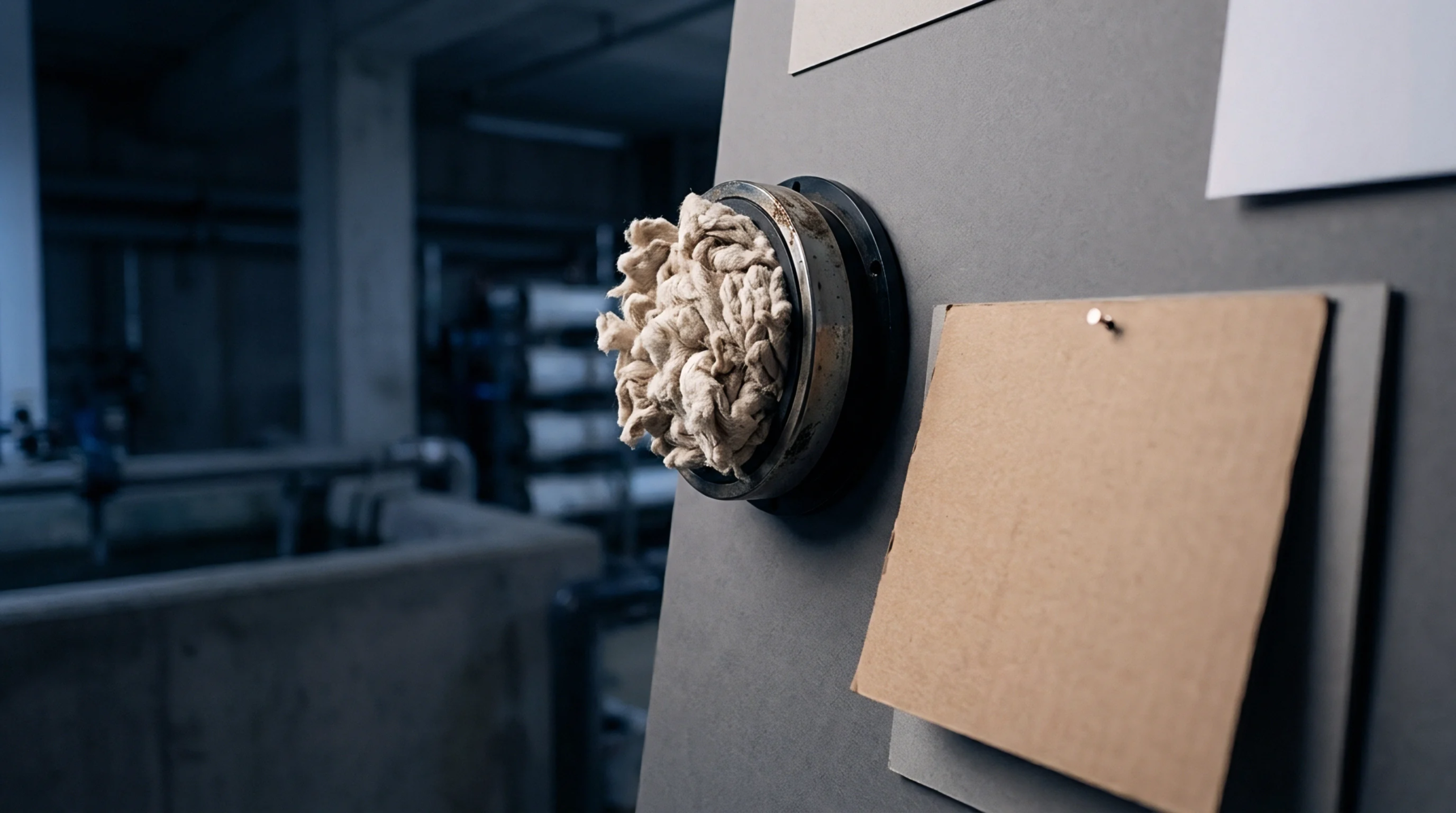
Paperboard recycled claims require matching chain of custody certificates, mass balance ledger reconciliation, and certified converter invoices.

Recycled paperboard specific migration testing demands solid simulant Tenax or validated substitute media to prevent fiber breakdown and false analytical results.
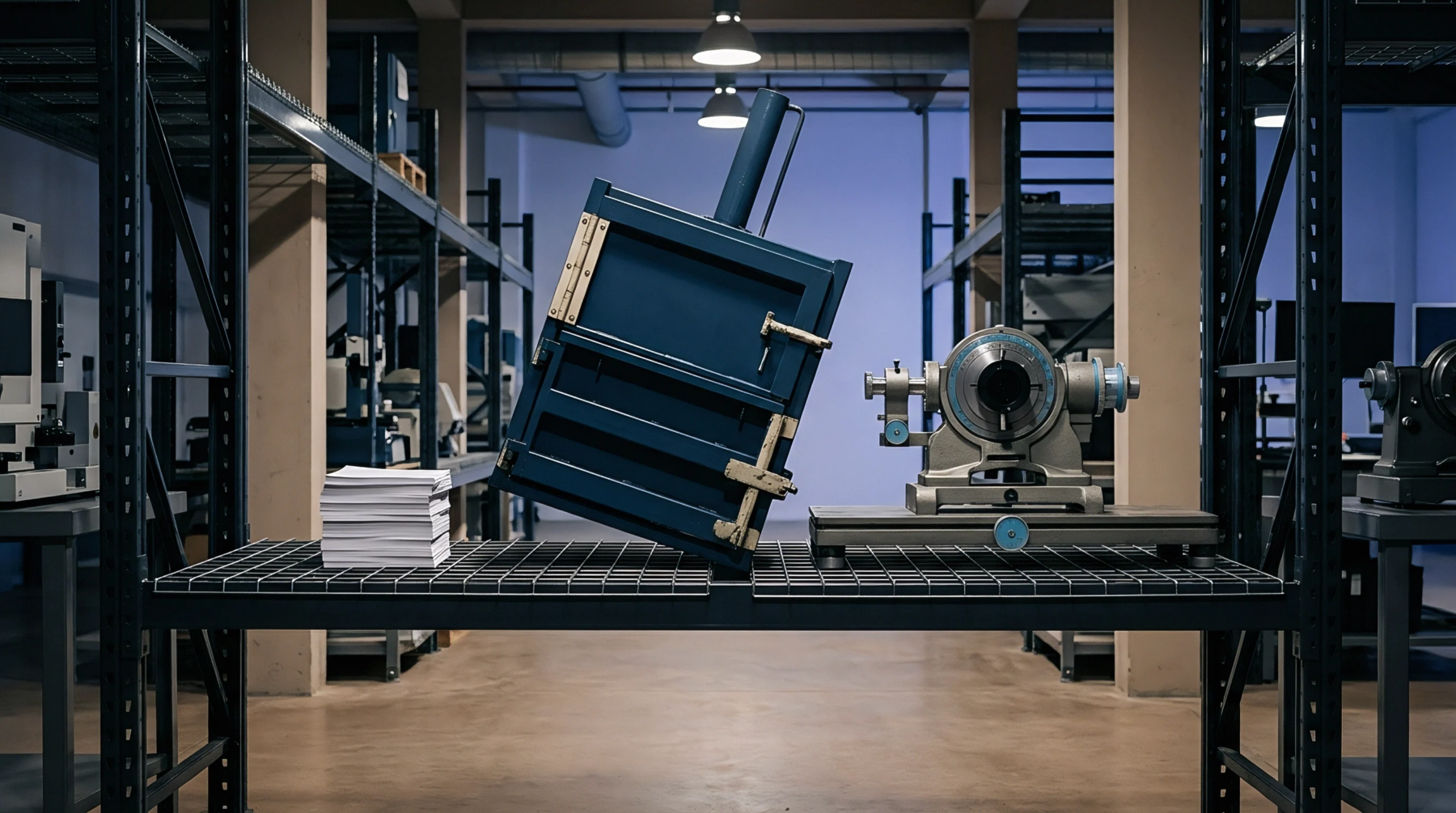
Paperboard food contact compliance requires verified migration testing using specific simulants and GC-MS or LC-GC-FID analytics to enforce migration safety limits.
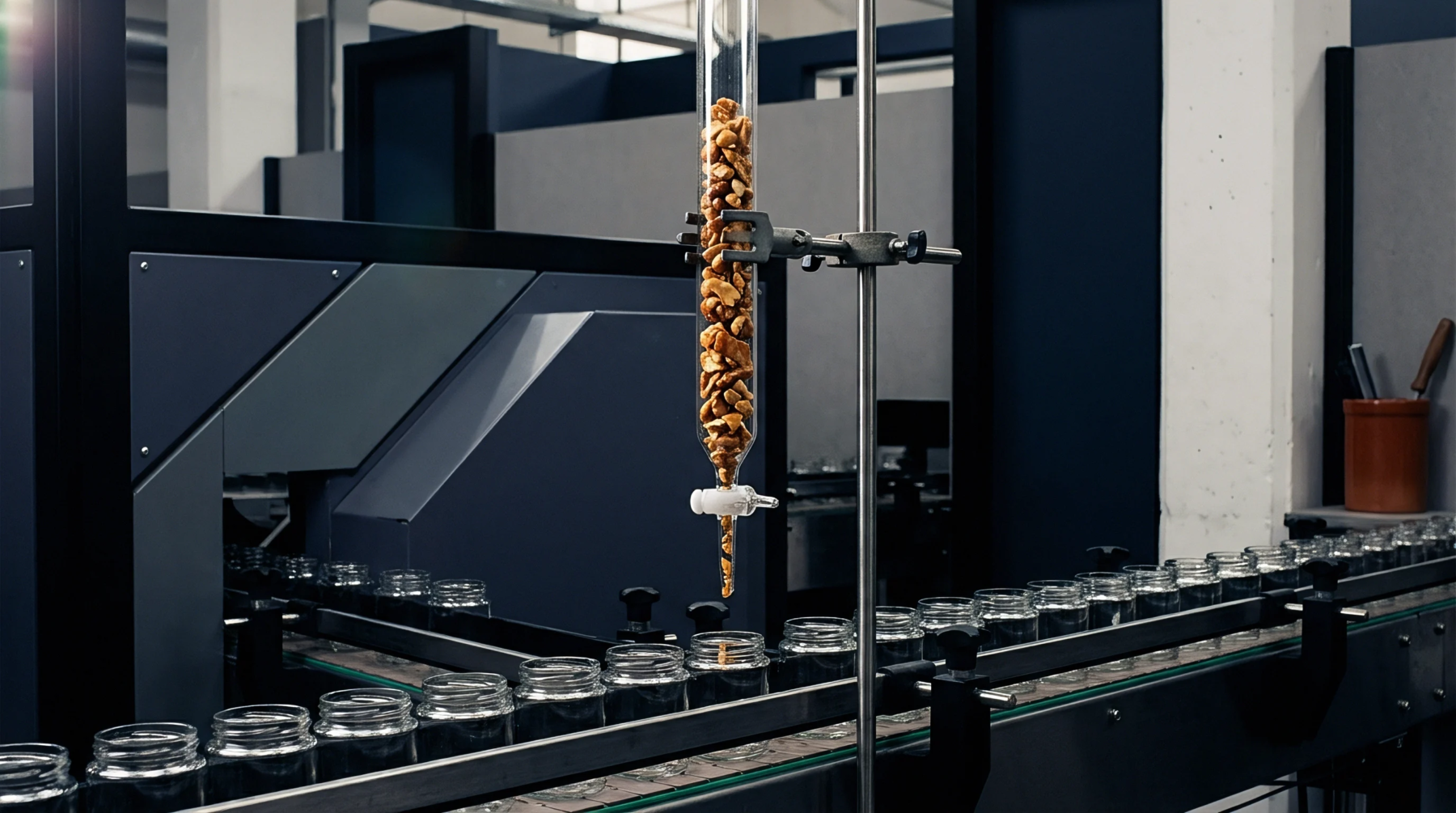
Accelerated static laboratory migration data underestimates dynamic food contact mass transfer on high-speed filling lines unless corrected for strain cracking and fluid shear.

Line temperature spikes and fluid shear accelerate migrant transfer beyond static test limits, requiring exact profile validation in compliance files.

Poly(2,6-diphenyl-p-phenylene oxide) replaces liquid simulants for paperboard, preventing fiber collapse during compliance migration testing.

Dynamic humidity cycling lowers bio-barrier interfacial shear energy, triggering delamination, barrier failure, and costly non-compliance at customs borders.
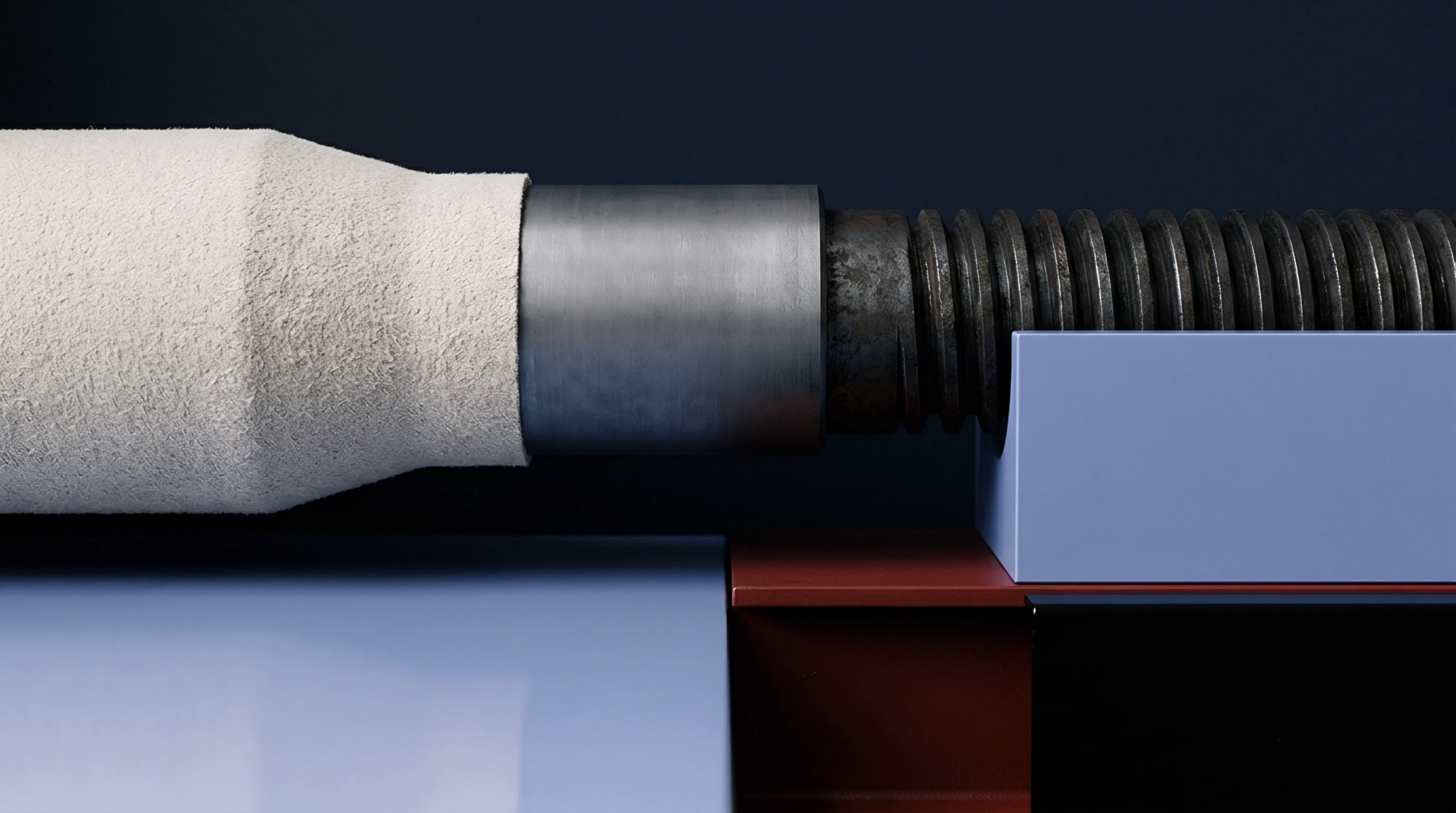
Coupled hygro-mechanical finite element modeling prevents chilled transit collapse by predicting rapid condensation softening and interface delamination.

Verify polymer barrier paperboard through creased Cobb testing, migration simulant suites, Cepi repulpability yields, and lot-matched Declarations of Compliance.
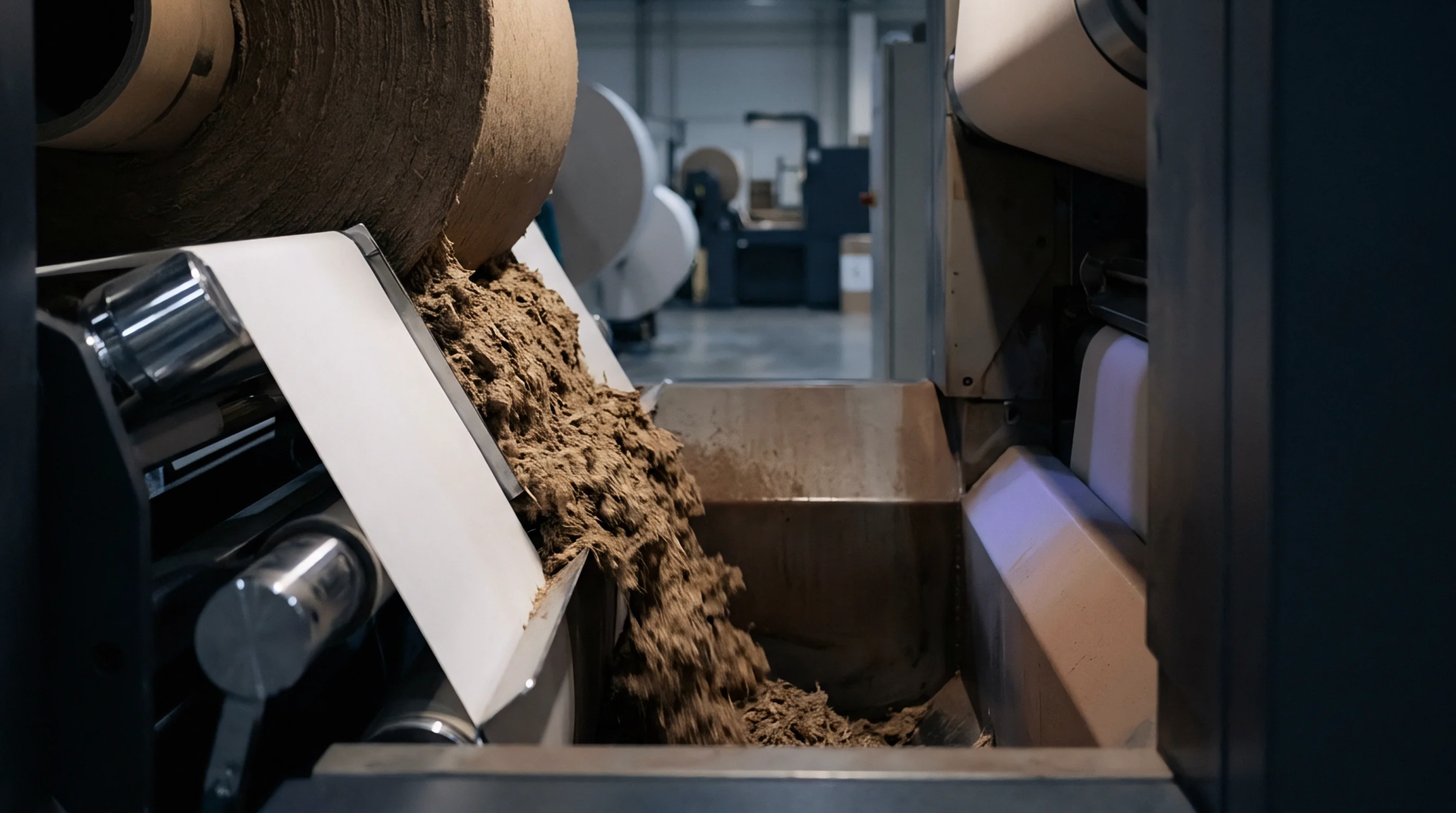
Controlling effective alkali profiles and temperature in continuous digesters maximizes xylan retention, stabilizing pulp yield and securing compliance files.
Food contact safety for recycled board requires functional barrier proof and complete chain of custody documentation down to invoice line items.

ATR-FTIR cure kinetics tracking links acrylate double bond conversion percentages directly to monomer migration safety and substrate blocking performance.

Verifying post-consumer recycled claims in folding boxboard requires cross-referencing FSC/PEFC credit accounts with deinking yield losses and MOSH/MOAH markers.

Chromatographic uncertainty in high-lignin recycled board testing demands matrix-specific SPE cleanup and isotopic standards to eliminate false oxirane peaks.

Aqueous barrier coatings on food contact paperboard require accredited migration, extraction, and permeation testing matching real food simulants and shelf temperatures.

Paperboard import compliance depends on linking physical lot numbers directly to accredited chemical assays and verified chain of custody certificates.

The domestic importer of record bears strict legal liability for printed packaging claims and absorbs all customs fines when declarations lack supporting technical files.

Auditing food contact board certificates requires verifying laboratory test simulants, thermal parameters, and surface ratios against real package converting limits.
Chemical migration testing for dispersion coated board requires single-sided extraction cells and post-crease migration proofs to account for score-line breaks.

Paperboard chemical migration testing requires matching food simulants to substrate porosity, using Tenax for dry media and certified barrier qualification.

Matching migration simulant and thermal parameters to exact filling line mechanics prevents compliance invalidation during customs and market audit checks.

Polymeric paperboard barrier integrity depends on kinetic diffusion rates and mechanical crease limits verified through certified mass transfer modeling.

Verify certificate status against public scope schedules to ensure product group codes, grammages, and converting sites explicitly cover every delivered batch.

Paperboard chemical retention and migration compliance requires verifying wet-end additive fixation, simulant extractions, and mass transfer kinetic barriers.
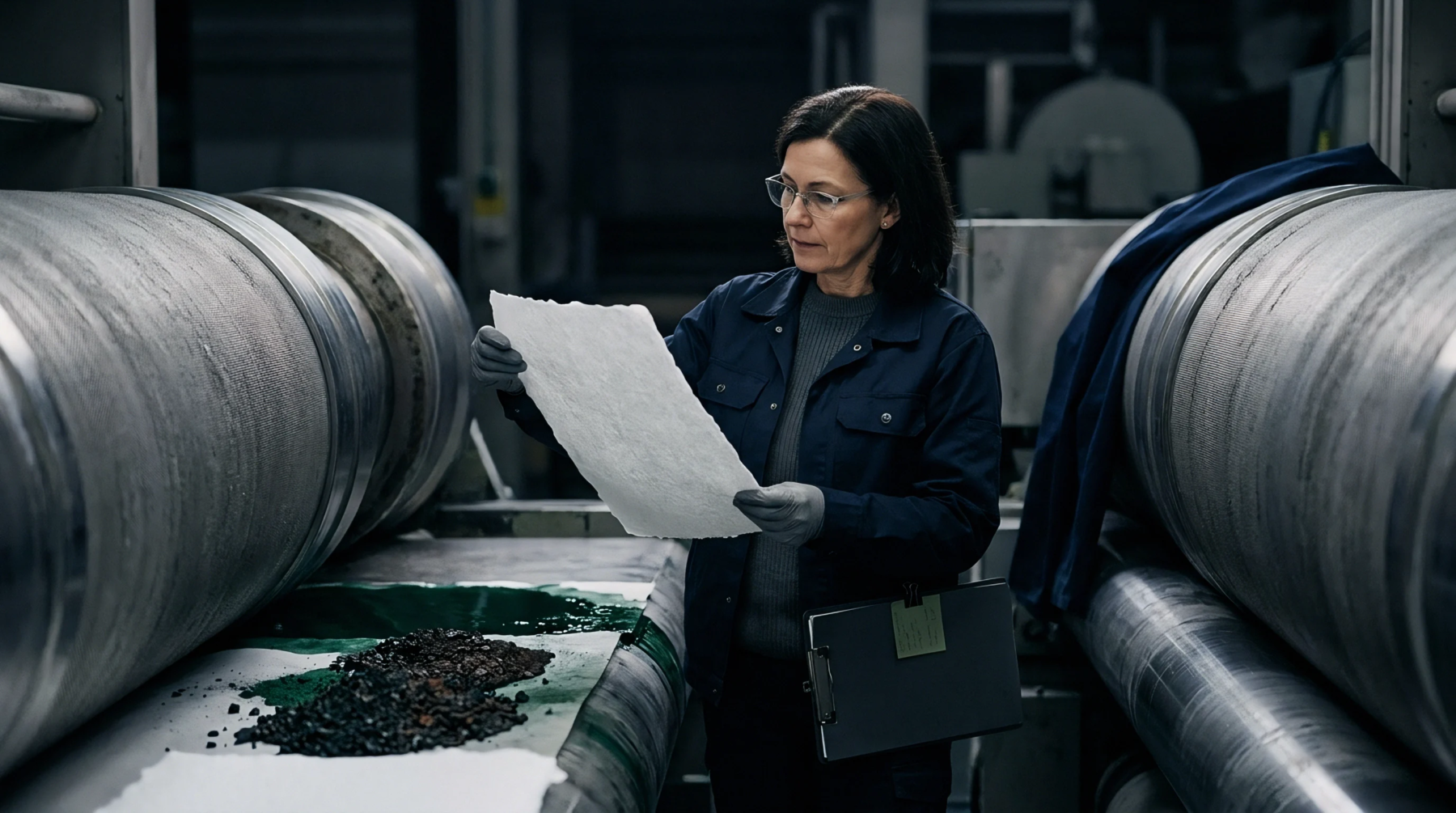
Retailers accept recycled content claims backed by lot-specific chain of custody transaction certificates, valid scope codes, and verified migration test reports.

Aligning packaging redesign cycles with PPWR recyclability milestones requires qualifying substrates 36 months before regulatory enforcement dates.

Regulatory enforcement detains unverified paper packaging at borders, placing absolute financial and chemical compliance liability directly on the importer of record.

A converter's chain of custody certificate cannot retroactively grant certified status to packaging made from uncertified paper mill substrate.
Expertise is a utility, not a secret. sentiention™ publishes its working knowledge as open reference: intelligence layer covering the materials it sources, the markets it enters, and the reference that serves both.