Mineral Oil Findings in Recycled Fibre Food Packaging
Recycled paperboard packaging requires verified functional barriers and HPLC-GC-FID test dossiers to prevent gas-phase MOSH and MOAH food contamination.


Board
Mineral oil hydrocarbons enter the recycled paper stream through offset printing inks, newsprint formulations, adhesives, processing solvents, and deinking aids. When post-consumer cartonboard sits in dry food packaging, volatile and semi-volatile hydrocarbons migrate across the air gap into dry foods without direct physical contact. High-performance liquid chromatography coupled to gas chromatography with flame ionization detection (HPLC-GC-FID) isolates two distinct fractions: Mineral Oil Saturated Hydrocarbons (MOSH), consisting of linear, branched, and alkyl-substituted cycloalkanes, and Mineral Oil Aromatic Hydrocarbons (MOAH), consisting of alkylated polycyclic aromatic hydrocarbons containing between one and seven aromatic rings.
Pulp recovered from municipal solid waste, commercial print trimmings, and recovered publication papers carries baseline hydrocarbon burdens between 300 mg/kg and 1,000 mg/kg of MOSH, alongside 20 mg/kg to 150 mg/kg of MOAH. In standard offset inks, non-polar mineral oil distillates boiling between 240 degrees Celsius and 320 degrees Celsius historically served as the primary carrier solvent. Deinking flotation pulls out solid pigments like carbon black, but petroleum distillates adsorb tightly to cellulose fibres during repulping.
Fiber recycling loops continually concentrate these fractions over successive cycles. Mill washers purge water-soluble wash contaminants, leaving hydrophobic oils embedded deep inside the secondary fibre matrix.
Gas-phase migration transfers up to forty percent of paperboard mineral oil content into dry fatty foods within six months at room temperature.
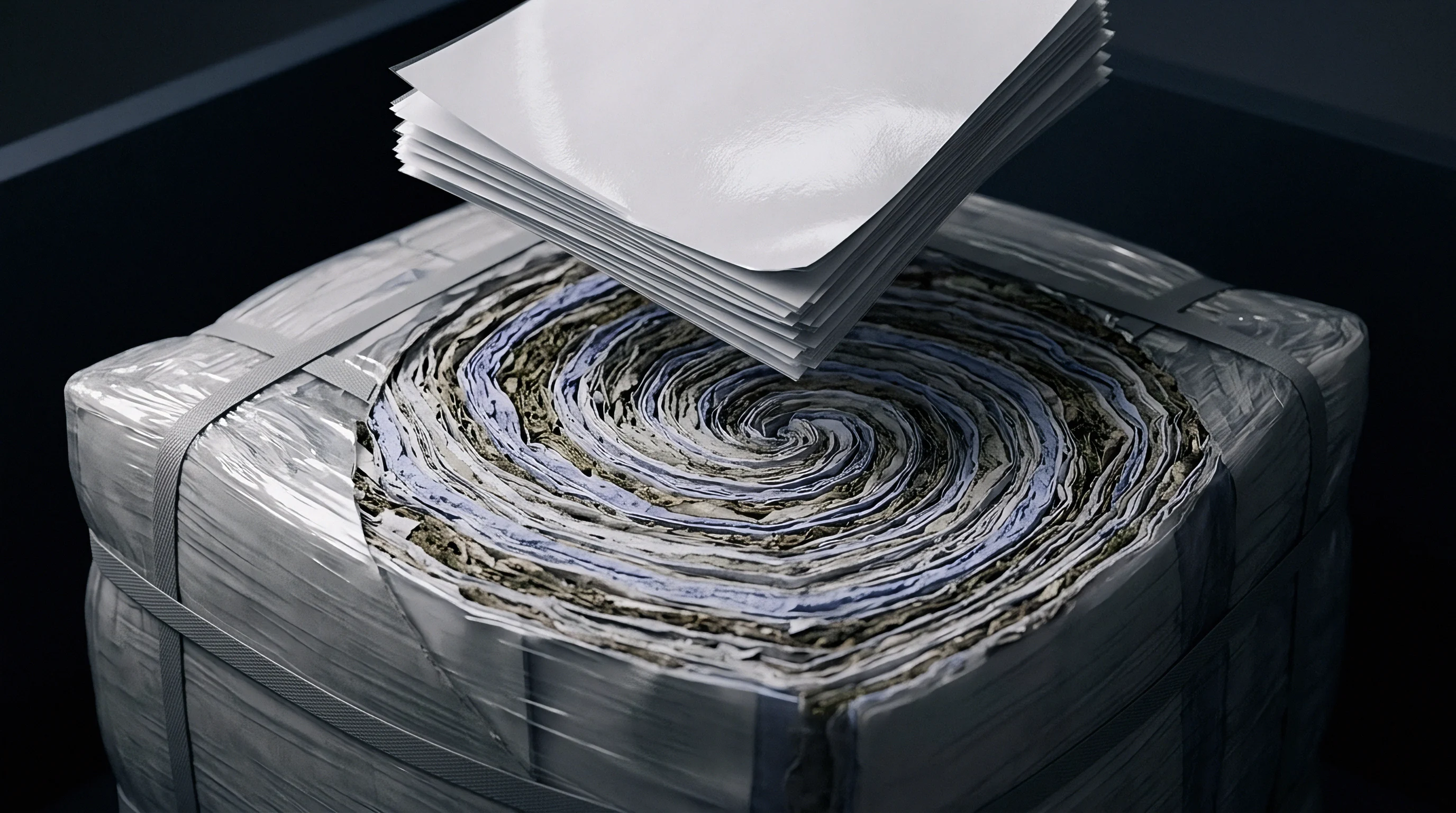
Fibre Sourcing Realities and Feedstock Contamination
Recovered paper grades classified under EN 643 establish feedstock categories across Europe, yet none of these commercial grades impose chemical thresholds on residual petrochemical content. Grade 1.02 (mixed papers) and Grade 1.04 (supermarket corrugated paper and board) contain high proportions of printed mechanical pulp, flexographic packaging, and commercial mailers. Furnishes derived from these grades carry the heaviest MOSH and MOAH loads.
When mills produce Folding Boxboard with recycled content (GC2) or White Lined Chipboard (WLC/GD2/GT2), the recovered pulp forms the middle plies or the entire backing structure. Virgin kraft top-liners create an optical surface, but unprinted top-liners offer negligible resistance to vaporized hydrocarbons travelling outward from contaminated internal layers.
Deinking technologies focus primarily on optical brightness. Chemical deinking uses sodium hydroxide, sodium silicate, hydrogen peroxide, and fatty acid collectors to detach ink resins from cellulose, after which flotation cells introduce micro-bubbles to skim detached hydrophobic pigments off the surface. Mineral oil distillates lack solid particulate structures, partitioning instead between aqueous process water and organic fiber surfaces.
During sheet formation on multi-ply Fourdrinier machines, residual distillates dry directly into the sheet. Drying cylinder temperatures running between 110 degrees Celsius and 140 degrees Celsius volatilize a portion of C10 to C16 hydrocarbons through exhaust hoods, but fractions above C18 remain bound to the cellulosic network, ready to desorb under ambient storage conditions.
Mechanical pulps introduce their own analytical complications. Groundwood and thermomechanical pulp contain natural wood resins, sterols, and terpenes known collectively as POSH (Polyolefin Oligomeric Saturated Hydrocarbons) alongside naturally derived terpenes that co-elute with petroleum fractions during chromatographic analysis. Unbleached chemical pulp also contains residual lignin derivatives that complicate baseline integration during FID quantification.
Laboratory technicians must apply pre-separation columns and epoxidation steps to isolate genuine petroleum-derived aromatic rings from biogenic paper terpenes.
Thermodynamics of Gas Phase Desorption
Cartonboard does not need to touch dry grocer goods directly for contaminants to transfer. Hydrocarbon molecules possess sufficient vapor pressure at ambient warehouse temperatures (20 degrees Celsius to 25 degrees Celsius) to volatilize from paper fibers into internal package headspace. The migration mechanism follows a three-stage thermodynamic equilibrium: desorption from solid cellulose, diffusion across the air gap or internal paper plies, and adsorption into food lipids or carbohydrates.
Molecular weight dictates transfer kinetics. Hydrocarbons below C24 exhibit high volatility, reaching equilibrium across packaging air gaps within weeks. Saturated alkanes between C20 and C24 demonstrate maximum migration efficiency into dry goods like semolina, infant formula, rice, and rolled oats.
Molecules extending beyond C28 show reduced vapor pressures; their transfer slows dramatically at room temperature, requiring direct fat contact or elevated temperatures to migrate in quantifiable amounts. Food matrices with high surface areas and lipid fractions act as thermodynamic sinks, pulling volatile fractions continuously across the headspace.
| Hydrocarbon Fraction | Carbon Range | Primary Industrial Source | Ambient Gas-Phase Volatility | Target Food Adsorption Risk |
|---|---|---|---|---|
| Volatile MOSH | C10 to C16 | Offset press wash, solvents | High; rapid loss to atmosphere | Low long-term retention |
| Semi-Volatile MOSH | C17 to C24 | Ink distillates, mineral lubricants | Moderate-High; steady evaporation | Severe; rapid uptake in dry lipids |
| Heavy MOSH | C25 to C35 | Hotmelt adhesives, micro-waxes | Low at 20°C; accelerated at 40°C | High during extended shelf life |
| Low-Ring MOAH | C10 to C16 (1–2 rings) | Solvents, photoinitiator impurities | High; penetrates unsealed barriers | Toxicological concern; rapid transfer |
| High-Ring MOAH | C17 to C35 (3–7 rings) | Petroleum resins, heavy distillates | Moderate; driven by dry food sinks | Critical genotoxic exposure pathway |
Vapor-phase transport accelerates under temperature fluctuations. Standard distribution channels subject dry packaged goods to diurnal cycles ranging from 15 degrees Celsius to 35 degrees Celsius. Elevated temperatures raise the saturated vapor pressure of C16 to C24 hydrocarbons, driving molecules out of the cellulose web into internal carton spaces.
When pallets cool, migrating hydrocarbons condense directly onto food surfaces or secondary plastic bags rather than returning to paperboard fibers. The thermodynamic partition coefficient permanently favors the food substrate over cellulose once contact occurs.
Uncoated greyboard cartons housing bagged cereals illustrate this thermodynamic trap. Polyethylene inner liners commonly used in dry food packaging possess non-polar amorphous domains. Hydrocarbon vapors dissolve directly into the polyethylene film, diffuse across the polymer thickness, and desorb into the cereal flakes.
Polyethylene liners act as migration accelerators rather than barriers, collecting volatile ink residues and releasing them directly into fatty food matrices.
Post-refining heat treatments and wet-end vacuum extraction strip some volatile fractions, but residual aromatics survive the dryers and carry directly into the converted paperboard.


Extract
Measuring petroleum hydrocarbons in packaging materials requires advanced separation chemistry to distinguish synthetic contaminants from natural pulp components. International testing standard EN 16995 defines the analytical pathway for assessing MOSH and MOAH in vegetable oils and foodstuffs, while DIN EN 14719 governs total solvent extraction from board matrices. Complete analytical qualification combines solvent extraction, column cleanup, online coupled liquid chromatography, and gas chromatography with dual flame ionization detectors.
Solid board swatches are mechanically ground into small fragments before solvent extraction. Milled paperboard is extracted using a mixture of hexane and ethanol, or pure dichloromethane, under agitation for several hours. The solvent selectively dissolves non-polar aliphatic hydrocarbons and aromatic fractions while leaving the polar cellulosic matrix intact.
Internal standards containing deuterated and methylated hydrocarbons are spiked into the raw extract at exact concentrations before chemical purification begins.

Liquid Chromatography Clean-Up and Alumina Fractionation
Raw solvent extracts from recycled pulp contain substantial levels of polar packaging additives, resin acids, and biogenic lipids. Injecting crude extracts directly into a gas chromatograph fouls the capillary column and causes severe co-elution. High-performance liquid chromatography achieves the critical separation of saturated alkanes from aromatic species using silica gel columns loaded with silver ions or specialized stationary phases.
Online HPLC-GC coupling transfers the isolated MOSH and MOAH fractions directly into twin gas chromatographs via programmable temperature vaporizing (PTV) or on-column interfaces. The silica stationary phase retains aromatic compounds while non-polar hexane carries the MOSH fraction into the first GC transfer line. A subsequent solvent switch to dichloromethane or toluene elutes the retained MOAH fraction into the second GC transfer channel.
Valve switching times must align precisely to prevent spillover of saturated cycloalkanes into the aromatic analytical window.
Interfering compounds in paperboard force additional sample preparation steps. Polyolefin oligomers (POSH) derived from plastic laminates and hotmelt glues co-elute with MOSH, generating broad humps in the chromatographic baseline. Biogenic olefins, squalene from human handling, and natural wood sterols co-elute with MOAH.
Testing laboratories use activated aluminum oxide columns to retain long-chain wax esters and run epoxidation reactions using meta-chloroperbenzoic acid (mCPBA). Epoxidation converts electron-rich biogenic alkenes and terpenes into highly polar epoxides, allowing the silica cleanup column to retain them while unreacted petroleum aromatics pass freely into the detector.

Gas Chromatography Integration and Hump Quantification
Mineral oil fractions consist of thousands of individual isomers that fail to resolve into discrete, narrow baseline peaks. Gas chromatograms display broad, unresolved complex mixtures (UCM) appearing as elevated bell-shaped humps above the electronic baseline. Quantifying these humps requires automated integration baseline skimming, drawing the baseline from the retention time corresponding to n-alkane C10 up to C50.
Internal standards dictate quantification accuracy across the entire chromatogram. Laboratories employ specific deuterated and alkylated markers:
- Undecane (C11) establishes the integration retention start window for light volatile distillates evaporating from paper stocks.
- Bicyclohexyl (BCH) verifies internal recovery rates and retention stability across the saturated hydrocarbon fraction.
- Pentylbenzene (5B) marks the initial elution boundary for single-ring aromatic hydrocarbons in the MOAH channel.
- 1-Methylnaphthalene (1-MN) calibrates detector response factors for bicyclic aromatic contaminants.
- Perylene (Per) establishes retention boundaries for heavy five-ring polycyclic aromatic structures.
- Cholestane (Cho) acts as the high-boiling retention reference marker for heavy saturated cyclic fractions near C27.
Flame ionization detectors respond proportionally to carbon mass, allowing integration of total hump area against the response factors of known internal standards. Baseline subtraction runs with pure solvent blanks must precede and follow sample series to eliminate carrier gas ghost peaks and column bleed artifacts. When analyzing recycled board, laboratories integrate three distinct sub-fractions: C10 to C16, C16 to C25, and C25 to C35.
The C16 to C25 fraction represents the highest toxicological and migration exposure risk for room-temperature dry goods packaging.

Does Tenax Adsorption Reflect Real Food Desorption?
Migration testing avoids direct extraction of food packages when verifying regulatory compliance, relying instead on dry food simulants specified under European Regulation (EU) No 10/2011. Modified polyphenylene oxide, known commercially as Tenax, serves as the standardized solid food simulant (Simulant E) for dry foodstuffs with fatty surfaces. Tenax powder has high specific surface area and extreme affinity for volatile organic compounds.
Standard testing protocols expose food-contact paperboard specimens to Tenax at defined time and temperature regimes. Common conditions include 10 days at 40 degrees Celsius to simulate ambient storage beyond six months, or 10 days at 60 degrees Celsius for accelerated shelf-life verification. Tenax powder sits against the functional packaging surface inside hermetically sealed stainless steel migration cells.
Hydrocarbons desorb from the paperboard, diffuse across the headspace, and bind irreversibly to the Tenax particles.
Following exposure, Tenax powder undergoes solvent extraction with diethyl ether or hexane spiked with internal standards. The concentrated extract is injected into the HPLC-GC-FID system. While Tenax provides reproducible laboratory data, it acts as a perfect adsorbent sink.
Real dry foodstuffs like flour or polished rice exhibit lower adsorption rates than Tenax, meaning Simulant E represents a worst-case scenario. However, for dry fatty powders like cocoa or infant formula, Tenax testing correlates closely with actual long-term food contamination levels found on retail shelves.
Whether standardized solid simulants accurately capture the competitive sorption dynamics that occur when high-humidity food products desorb moisture into barrier coatings remains an open question under current analytical chemistry consensus.
Barrier
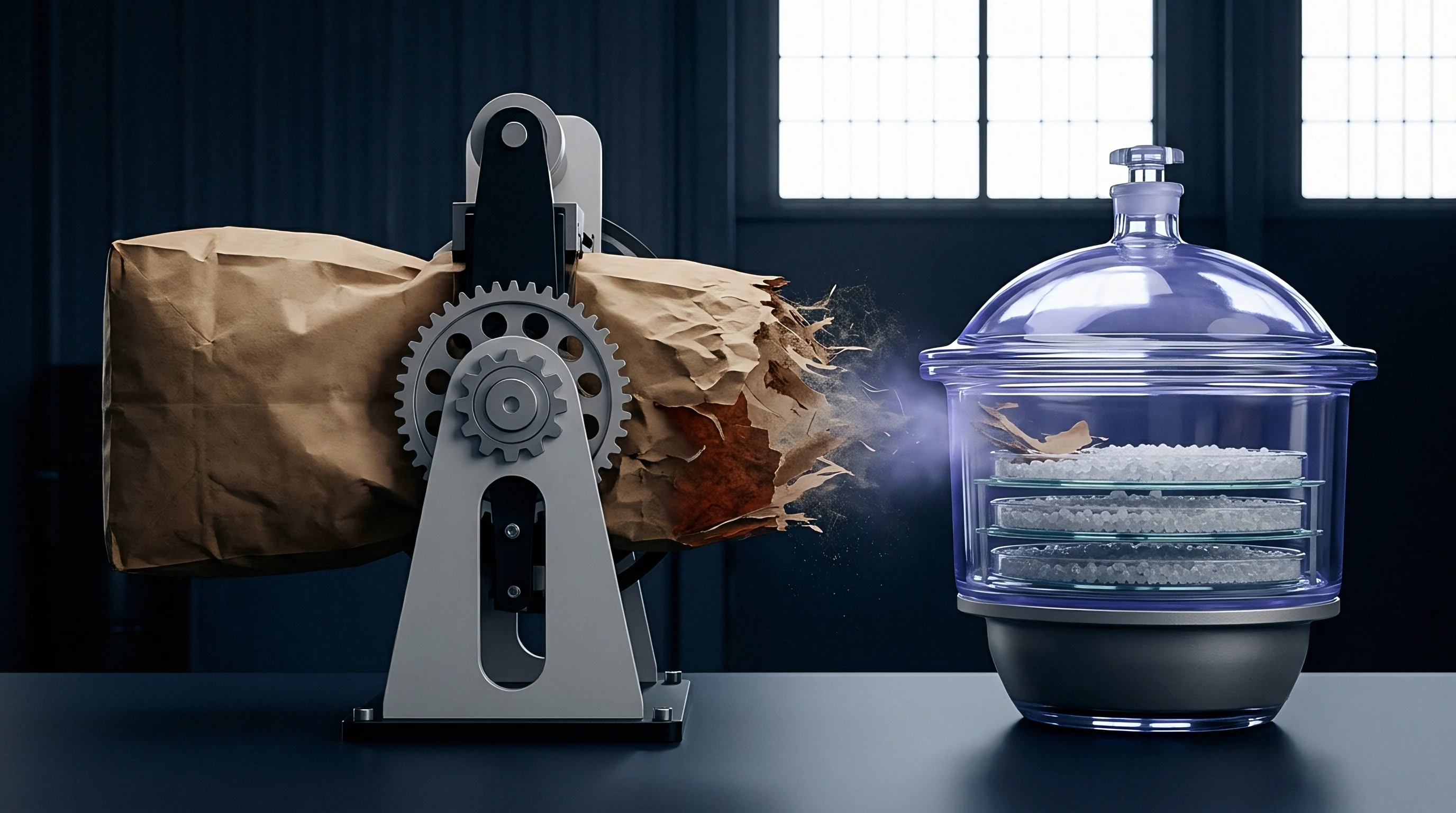
Functional barriers prevent the transport of vaporized mineral oil hydrocarbons from recycled paper cores into internal packaging spaces and food products. Standard polyethylene coatings, water-based clay coatings, and starch surface sizings fail to halt gas-phase migration of C10 to C24 hydrocarbons. Effective barrier layers use continuous, defect-free polymer films, inorganic coatings, or specialized biopolymer matrices engineered with high cohesive energy densities and low free volume.
The performance of any functional barrier depends on chemical composition, coating weight, application uniformity, and resistance to mechanical creasing during box conversion. Permeation follows Fickian diffusion mechanics, where the flux of hydrocarbon molecules depends directly on the diffusion coefficient within the barrier layer and the thermodynamic solubility coefficient of mineral oil vapors in that specific polymer matrix.
Fluorochemical treatments provide oil repellency against liquid fats but offer zero resistance to vaporized mineral oil gas diffusion.
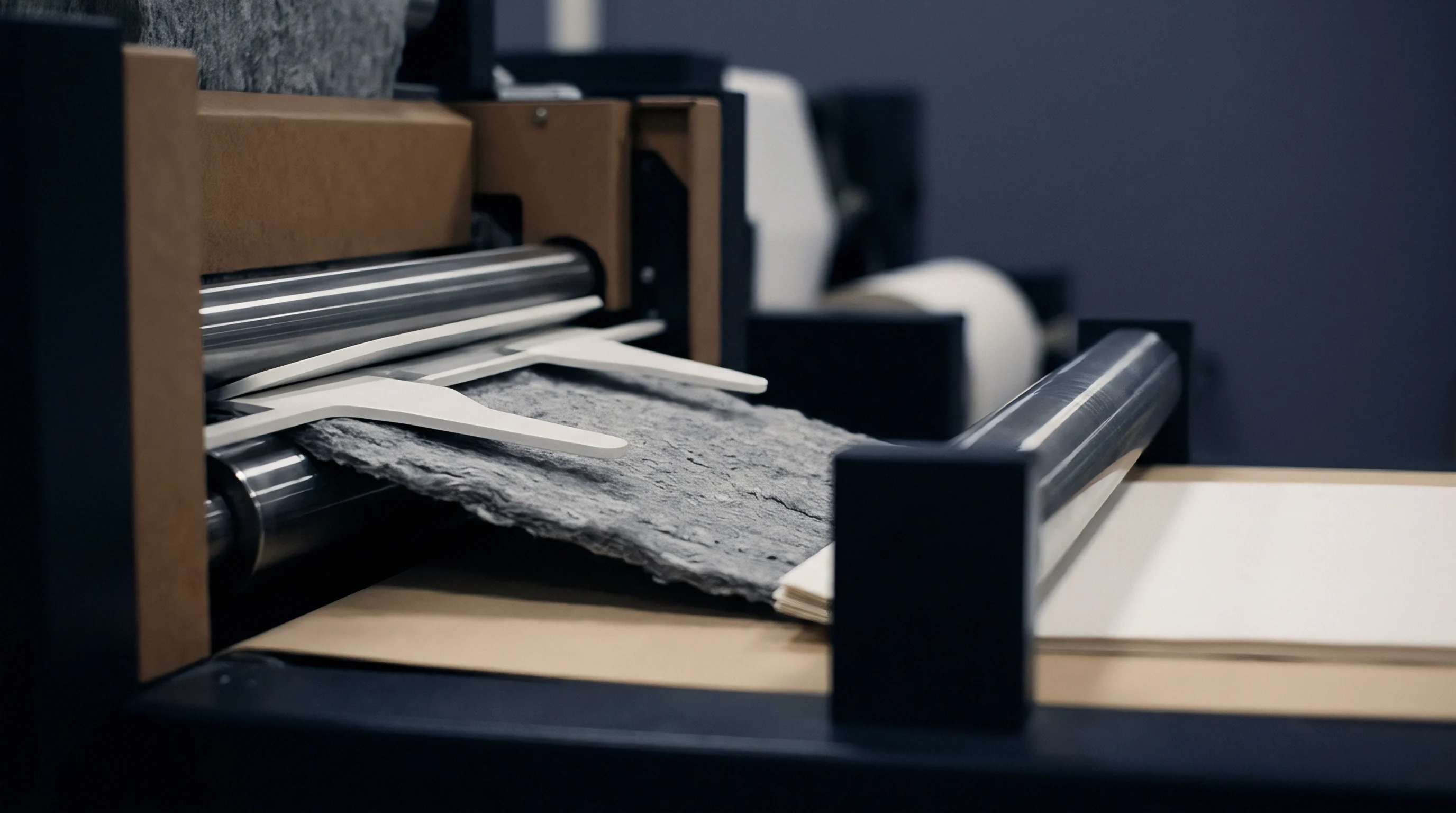
Polymer Barrier Morphologies and Mass Transport Mechanics
Extruded synthetic polymers exhibit widely divergent transport properties when exposed to hydrocarbon vapors. Polyolefin films like Low-Density Polyethylene (LDPE) and Polypropylene (PP) feature non-polar backbones and large free volume fractions at room temperature. Saturated and aromatic hydrocarbon vapors dissolve rapidly into the polyolefin matrix, diffusing across the film within hours.
LDPE extrusion coatings applied at 15 g/m² to 20 g/m² provide excellent moisture barriers and heat-seal properties, yet they remain transparent to gas-phase MOSH and MOAH.
High-barrier synthetic resins rely on polar polymer chains and crystalline structures that minimize free volume. Ethylene Vinyl Alcohol (EVOH) copolymers, Polyamide (PA6 and PA66), and Polyethylene Terephthalate (PET) function as effective barriers against non-polar volatile compounds. EVOH contains high concentrations of hydroxyl groups that form dense intermolecular hydrogen-bonding networks, blocking the passage of organic vapors.
When relative humidity rises above seventy percent, water molecules plasticize the EVOH matrix, swelling the polymer chains and accelerating hydrocarbon diffusion. To maintain barrier integrity, converting lines sandwich EVOH cores between hydrophobic polyolefin moisture shields.
Aqueous Polyvinyl Alcohol (PVOH) coatings applied directly to paperboard surfaces offer high resistance to mineral oil migration in dry environments. PVOH forms tight semi-crystalline films during drying. Water-soluble PVOH layers require protective overcoats to prevent moisture-induced barrier collapse in humid cold-chain storage.
Cross-linking PVOH with glyoxal or zirconium salts stabilizes the crystalline matrix against atmospheric moisture uptake while maintaining low hydrocarbon permeation rates.

Aqueous Dispersion Coatings and Mineral Fillers
Packaging converters increasingly apply water-based barrier coatings (WBBC) on standard offline coaters or flexographic printing units to eliminate plastic extrusion steps. These dispersions utilize acrylic copolymers, styrene-butadiene latex, or bio-based polyesters formulated with high-aspect-ratio mineral pigments. Platelet minerals like high-purity kaolin clay, talc, and exfoliated vermiculite create tortuous diffusion pathways that force migrating molecules to travel long distances around impermeable inorganic plates.
Pigment volume concentration (PVC) dictates coating performance. Formulations operating below the critical pigment volume concentration maintain continuous polymer films surrounding every pigment platelet. If coat weight falls below 5 g/m² to 8 g/m², pinholes, micro-voids, and fiber penetration defects break barrier continuity.
Dual-station coating applications provide superior protection compared to single heavy coats, as the second layer seals micro-pinholes and surface crevices formed during the initial drying pass.
| Barrier Technology | Substrate Application | Dry Coat Weight | Breakthrough Time at 40°C | Crease Flexibility Retention |
|---|---|---|---|---|
| Standard LDPE Extrusion | Inline Extrusion Coater | 18 g/m² | Less than 48 Hours | High; continuous seal across scores |
| Aqueous Acrylic Dispersion | Dual Blade/Rod Coater | 8 to 10 g/m² | 90 to 180 Days | Moderate; micro-cracking risk on tight folds |
| PVOH Dispersion (Cross-linked) | Gravure / Smooth Rod | 4 to 6 g/m² | Greater than 365 Days | Low-Moderate; requires plasticizer balance |
| PET Lamination | Solventless Adhesive | 12 to 15 µm film | Greater than 730 Days | High; flexible biaxially oriented film |
| Metallized PET / AlOx / SiOx | Vacuum Deposition | 0.02 µm on film | Greater than 1000 Days | Low; susceptible to mechanical fracture |
| Cellulose Nanofibrils (CNF) | Curtain Coater | 3 to 5 g/m² | 180 to 300 Days | Low; brittle unless blended with plasticizers |
Converting Stresses and Crease Failure Modes
A functional barrier coating showing zero permeation on flat laboratory swatches frequently fails on commercial converting floors. Die-cutting, creasing, folding, and gluing operations subject coated boards to severe mechanical shear and tensile stresses. When scoring rules press into the back of recycled cartonboard, the top liner and its barrier coating stretch across the male creasing rule.
Brittle mineral-filled dispersion coatings crack under localized elongation forces. Micro-fissures propagate along score lines, creating open channels where vaporized hydrocarbons bypass the barrier layer entirely. Elasticity parameters of the polymer binder must balance pigment loading to ensure the dry coating stretches without fracturing during ninety-degree and one-hundred-and-eighty-degree carton folding.
Testing protocols must evaluate barrier performance on creased samples using standardized fold testers, not pristine uncreased laboratory sheets.
Ultrasonic sealing and hot-air hem seals create secondary failure points. If the barrier coating lacks heat-seal properties, packaging converters apply supplementary adhesive lines. Standard water-based dispersion glues and EVA hotmelts contain low molecular weight plasticizers, tackifiers, and hydrocarbon waxes that cross-contaminate food directly at the carton flap joint.
Converters must deploy hydrocarbon-free synthetic glues or inner polyolefin heat-seal layers to maintain unbroken protection across carton perimeters.
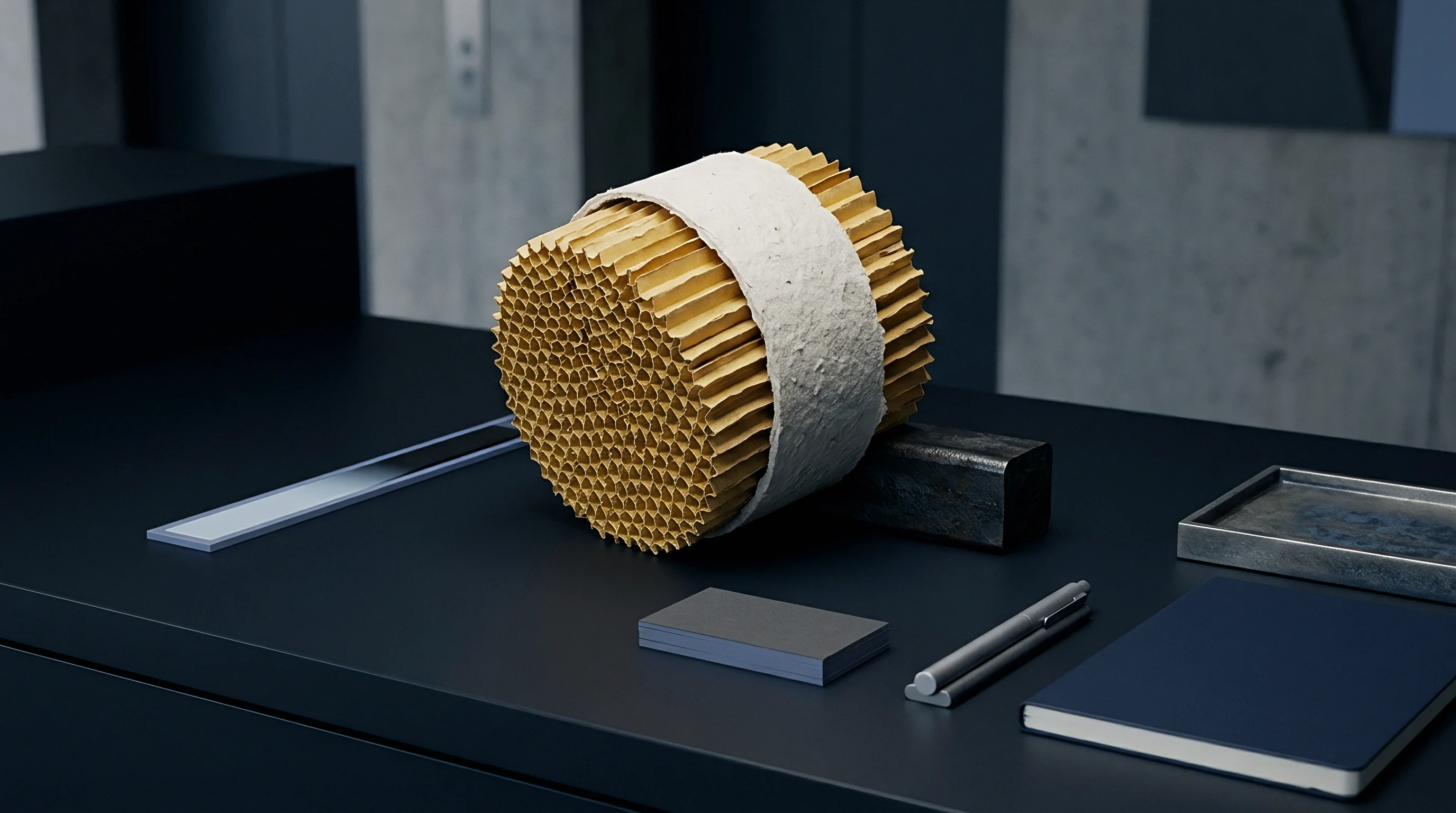
Do Aqueous Barrier Coatings Arrest Hydrocarbon Vapour?
Aqueous barrier dispersions slow hydrocarbon diffusion by lowering the partition coefficient between the cellulose substrate and package headspace. However, water-based coatings do not provide absolute thermodynamic containment over multi-year storage cycles. Given sufficient shelf-life duration, non-polar molecules gradually saturate the polymer matrix and establish steady-state permeation curves.
Converters specifying water-based dispersions must match barrier breakthrough times to the precise distribution duration and shelf-life target of the packaged foodstuff.
Micro-cracking along scored edges allows vapor venting directly into inner package folds. When assessing aqueous dispersion grades, engineers must run migration tests on folded commercial mockups rather than flat paperboard sheets. Standard barrier performance scales directly with coating continuity, pigment alignment, and polymer binder flexibility under mechanical folding strain.
Thick barrier applications provide dependable protection only when mechanical creasing lines maintain physical continuity across all folding carton score lines.


Threshold
Regulatory frameworks governing mineral oil residues in food packaging are transitioning from voluntary guidelines and industry recommendations to legally binding statutory limits across the European Union and member states. Article 3 of Framework Regulation (EC) No 1935/2004 dictates that food contact materials must not transfer their constituents to food in quantities that endanger human health, bring about an unacceptable change in food composition, or cause organoleptic deterioration. Translating this broad mandate into enforceable chemical limits for paperboard packaging has triggered extensive legislative and toxicological debates.
The toxicological distinction between MOSH and MOAH drives enforcement. Saturated hydrocarbons (MOSH) accumulate in human tissues, specifically the liver, spleen, and mesenteric lymph nodes, where they form microgranulomas. Toxicological bodies currently establish no direct evidence of MOSH genotoxicity.
In contrast, aromatic hydrocarbons (MOAH), particularly fractions containing three or more aromatic rings, exhibit alkylated polycyclic aromatic structures with established mutagenic and carcinogenic properties. For MOAH fractions, toxicological consensus rejects safe exposure thresholds, demanding limits based on the lowest reliably achievable analytical limits of quantification.

European Surveillance and Standing Committee Joint Statements
The European Commission started formal surveillance of mineral oil hydrocarbons in food and packaging materials under Commission Recommendation (EU) 2017/84. Member states, food companies, and packaging manufacturers run continuous monitoring programs to gather chromatographic data on retail food items and contact materials. Data submitted to the European Food Safety Authority (EFSA) accelerated regulatory convergence toward harmonized European Union enforcement limits.
In April 2022, the Standing Committee on Plants, Animals, Food and Feed (SC PAFF) published a joint statement defining action limits for MOAH in food products. European food safety authorities agreed to withdraw or recall food products from commercial distribution when analytical testing confirms MOAH presence at or above standardized limits of quantification:
- Dry foods with low fat content (less than 4% fat) trigger mandatory market withdrawals when MOAH concentrations reach or exceed 0.5 mg/kg.
- Foods with higher fat content (greater than 4% fat and up to 20% fat) face product recall procedures when MOAH findings reach or exceed 1.0 mg/kg.
- Pure fats, vegetable oils, and high-fat products (greater than 20% fat) incur immediate commercial border rejections when MOAH levels reach or exceed 2.0 mg/kg.
The joint statement applies directly to the foodstuff rather than the packaging material itself. However, packaging converters and brand owners face direct supply chain exposure. If unlined recycled cartonboard transfers 0.6 mg/kg of MOAH into dry breakfast cereal, official food control laboratories seize the finished product from retail shelves.
Enforcement authorities attribute the regulatory non-compliance directly to the food contact packaging supplier under European traceability provisions.
National Legislation and German BfR Recommendation XXXVI
National authorities in Germany and France established unilateral packaging decrees that impose direct technical restrictions on paperboard mills and converting facilities. The German Federal Institute for Risk Assessment (BfR) maintains Recommendation XXXVI (Paper and board for food contact) and Recommendation XXXVI/2 (Paper and board for baking purposes). These recommendations define critical purity criteria for paperboard furnishes, additives, and virgin pulps.
The German Federal Ministry of Food and Agriculture (BMEL) drafted a Mineral Oil Ordinance focused on migration limits from recycled packaging. The draft ordinance mandates that recycled paperboard utilized for food packaging must incorporate a functional barrier that prevents MOAH migration into food above 0.5 mg/kg, or limit total MOSH migration to less than 2.0 mg/kg. While political delays prolonged formal adoption into federal law, German retailers mandate compliance with these draft limits across their private-label procurement contracts.
| Regulatory Instrument / Body | Target Medium | MOSH Limit / Guidance | MOAH Limit / Action Level | Legal Mechanism / Scope |
|---|---|---|---|---|
| EU SC PAFF Joint Statement (2022) | Finished Foodstuffs | None specified (Surveillance) | 0.5 to 2.0 mg/kg (Fat dependent) | Harmonized market withdrawal / recall |
| French Decree No. 2022-748 (AGEC) | Printed Packaging & Inks | Mass limit: 0.1% (from 2025) | Mass limit: 1 ppb to 0.1% (by ring count) | Direct ban on non-compliant offset inks |
| German Draft Mineral Oil Ordinance | Recycled Paperboard | Migration limit: 2.0 mg/kg | Migration limit: 0.5 mg/kg | Mandatory functional barrier requirement |
| BfR Recommendation XXXVI (Germany) | Paper & Board Extract | Extraction limit: 12 mg/kg | Extraction limit: Non-detectable | Voluntary standard applied in DoC files |
| Swiss Ordinance (SR 817.023.21) | Packaging Inks & Board | Migration limit: 5.0 mg/kg | Migration limit: Non-detectable (0.01 mg/kg) | Statutory Swiss food packaging law |

French AGEC Packaging Ink Restrictions
France enacted the most aggressive statutory ban on mineral oil substances in packaging through Decree No. 2022-748 under the AGEC law (Anti-Waste for a Circular Economy). The French regulation prohibits the use of mineral oils in printing inks applied to packaging and commercial print distribution. The restriction focuses directly on the ink formulation at the press, striking the root cause of recycling loop contamination.
The French decree enforces a phased implementation timeline with decreasing tolerance thresholds. From January 2023, printing inks applied to packaging must not contain mineral oils with MOAH fractions (1 to 7 aromatic rings) exceeding 1% by mass. From January 2025, the restrictions tighten significantly: MOAH fractions containing 3 to 7 aromatic rings are capped at 1 ppm (0.0001% mass), while total MOAH (1 to 2 rings) and MOSH (C16 to C35) are capped at 0.1% mass.
Converters shipping printed food cartons into the French market must furnish chemical laboratory certificates proving their ink systems and coatings comply with these mass limits.
Non-compliant packaging circulating in European distribution channels brings severe commercial consequences, including immediate customs holds, national market recalls, mandatory product destruction, and administrative fines levied against the importer of record.

Recourse
A packaging buyer managing food-contact paperboard files must clear up documentary liabilities before contracts are signed and pallets cross international borders. Generic supplier marketing claims, ISO 9001 quality certificates, and bare statements asserting compliance with Framework Regulation (EC) No 1935/2004 provide zero legal protection during a regulatory audit or product recall. Compliance files must carry specific, auditable analytical evidence linking the physical paper batch to certified migration testing reports.
Declarations of Compliance (DoC) function as legally binding commercial instruments under European food packaging law. A valid DoC must define the exact chemical identity of the substrate, the presence of recycled fibers, the specific barrier technologies deployed, the testing simulants used, the contact time and temperature parameters, and the surface-area-to-volume ratio applied during laboratory extraction. If any of these parameters diverge from the buyer’s actual filling and storage conditions, the declaration becomes legally void, transferring total civil and regulatory liability directly onto the packaging buyer.
A supplier declaration that fails to disclose test simulants, exposure temperatures, and barrier breakthrough time limits transfers complete regulatory liability to the downstream brand owner.

Assembling Defensible Compliance Dossiers
Technical qualification dossiers for recycled paperboard packaging require verification across four distinct documentary layers before production releases are signed. Sourcing practices must require paperboard mills and folding carton converters to furnish complete testing documentation rather than one-page summary letters. The compliance file must include accredited laboratory reports showing full HPLC-GC-FID chromatograms, baseline integration details, and quantified recoveries of internal standards.
Batch sampling protocols require disciplined execution. A migration test conducted on a prototype sample eighteen months prior does not qualify continuous production runs of recycled board. Post-consumer waste furnish composition fluctuates daily at the paper mill.
Sourcing agreements must establish routine surveillance testing schedules, requiring converters to submit accredited migration reports for every defined production tonnage or quarterly manufacturing window.
Auditing the analytical test conditions in a laboratory report helps expose flattery gaps. Testing houses frequently evaluate flat swatches under mild conditions (such as 2 days at 20 degrees Celsius with Tenax) to generate passing results for weak barrier coatings. If the packaged dry food has a retail shelf life of twelve months at ambient temperatures, the test report must demonstrate compliance under stress conditions of 10 days at 40 degrees Celsius or 10 days at 60 degrees Celsius on mechanically creased samples.
Contractual Risk Allocation and Indemnity Architecture
Commercial packaging procurement contracts must integrate explicit mineral oil warranty clauses that move financial exposure back to the substrate mill and converter. Standard supply agreements contain limitation-of-liability clauses capping vendor exposure at the net invoice value of the delivered cardboard. This standard remedy represents a tiny fraction of the commercial damage incurred during a public food recall, product destruction, brand damage, and administrative customs penalties.
Procurement covenants should define mineral oil contamination as a latent manufacturing defect, exempting MOSH and MOAH claims from standard thirty-day inspection and notification clauses. Contamination often surfaces months into retail distribution when official food control authorities run random surveillance testing on supermarket shelves. Contractual indemnity provisions must bind the packaging supplier to cover all direct costs, recall expenses, regulatory fines, and third-party liabilities arising from mineral oil migration exceeding statutory limits or SC PAFF action levels.
Sourcing teams must cross-check supplier chain-of-custody documentation across three verification tiers:
- Mill Furnish Auditing verifies virgin pulp sourcing certificates and tracks recycled post-consumer waste inputs against EN 643 material receipts.
- Converter Ink and Adhesive Verification establishes that all offset inks, flexographic washes, and lamination glues comply with French AGEC limits and Swiss Ordinance ink lists.
- Accredited Migration Testing confirms that finished, converted, and creased packaging cartons pass HPLC-GC-FID testing against Tenax Simulant E under realistic shelf-life simulation temperatures.
- Traceable Declaration of Compliance links specific mill master reel numbers and converter production job codes directly to the laboratory analytical report.

The Border Exposure Reality
Customs officials and national food safety inspectors in European ports of entry enforce packaging compliance by inspecting physical shipments against accompanying documentation. When testing authorities detect MOAH peaks exceeding 0.5 mg/kg in imported food products packaged in recycled board, the shipment is seized immediately. Customs authorities do not grant variances for good-faith procurement efforts or unverified mill certificates.
Importers of record carry strict administrative and financial responsibility for non-compliant packaging entering European territory. Reconditioning seized cargo by transferring dry food into compliant packaging is commercially impossible. Seized goods face mandatory destruction at the importer’s expense, alongside administrative penalties and permanent customs flagging of subsequent shipments.
Defensible testing dossiers, verified barrier chemistry, and unambiguous contractual indemnity structures represent the only effective instruments for preserving capital and maintaining cross-border market access.
Section 14 of the standard packaging supply covenant specifies that any batch of converted recycled board exhibiting MOAH migration exceeding 0.5 mg/kg into food simulant E under EN 14338 testing conditions constitutes an incurable material breach of contract, triggering immediate full refund obligations and vendor indemnification of all downstream product withdrawal expenses.