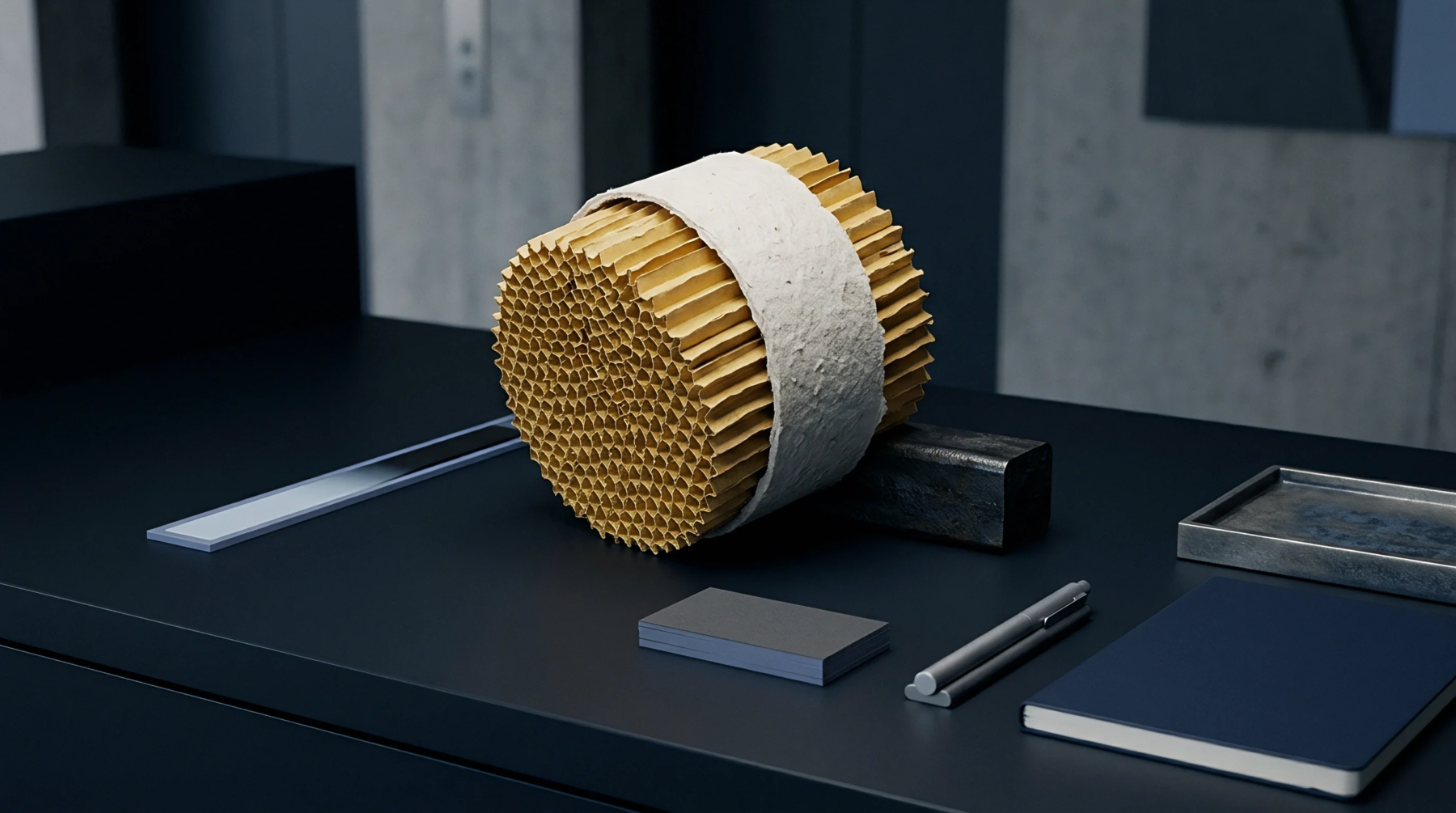
Chemical Extraction
Volatile organic compounds and residual solvents leave a porous packaging substrate when thermal or vacuum energy forces the migration of molecules from the solid matrix into the surrounding atmosphere. This gas phase desorption process effectively cleans the material to ensure that food contact compliance standards remain met throughout the shelf life of a carton. High temperatures increase the vapor pressure of retained solvent species to accelerate their removal from internal layers during the final stages of manufacturing.
Adhesion Interference
Printing inks and specialized adhesive coatings require a clean surface to form strong bonds with the underlying paperboard or polymer film. Residual molecules left within the structure threaten the integrity of these interfaces because the offgassing of compounds during a lamination process creates microscopic voids or surface defects. Converting lines monitor these emission levels because any delay in the escape of trapped vapors ruins the bond between the laminate and the carrier sheet.
Controlled vacuum systems remove these gases before the substrate reaches the station where the application of adhesives happens.
Thermal Tolerance
Industrial drying ovens operate at levels calibrated to remove moisture and solvents without causing the degradation of the fibers or the discoloration of the pigments within a printed design. Precise air exchange rates within these units prevent the recondensation of vaporized elements onto the surfaces of the stock as the material cools during exit. Engineers design these parameters to optimize production speed while avoiding the structural damage that occurs if the temperature exceeds the specific threshold of the cellulose fibers or the synthetic barrier coatings applied to the sheet.
The final moisture content of the board determines the efficiency of the evacuation, as water molecules compete for the same interstitial sites during the drying cycle.