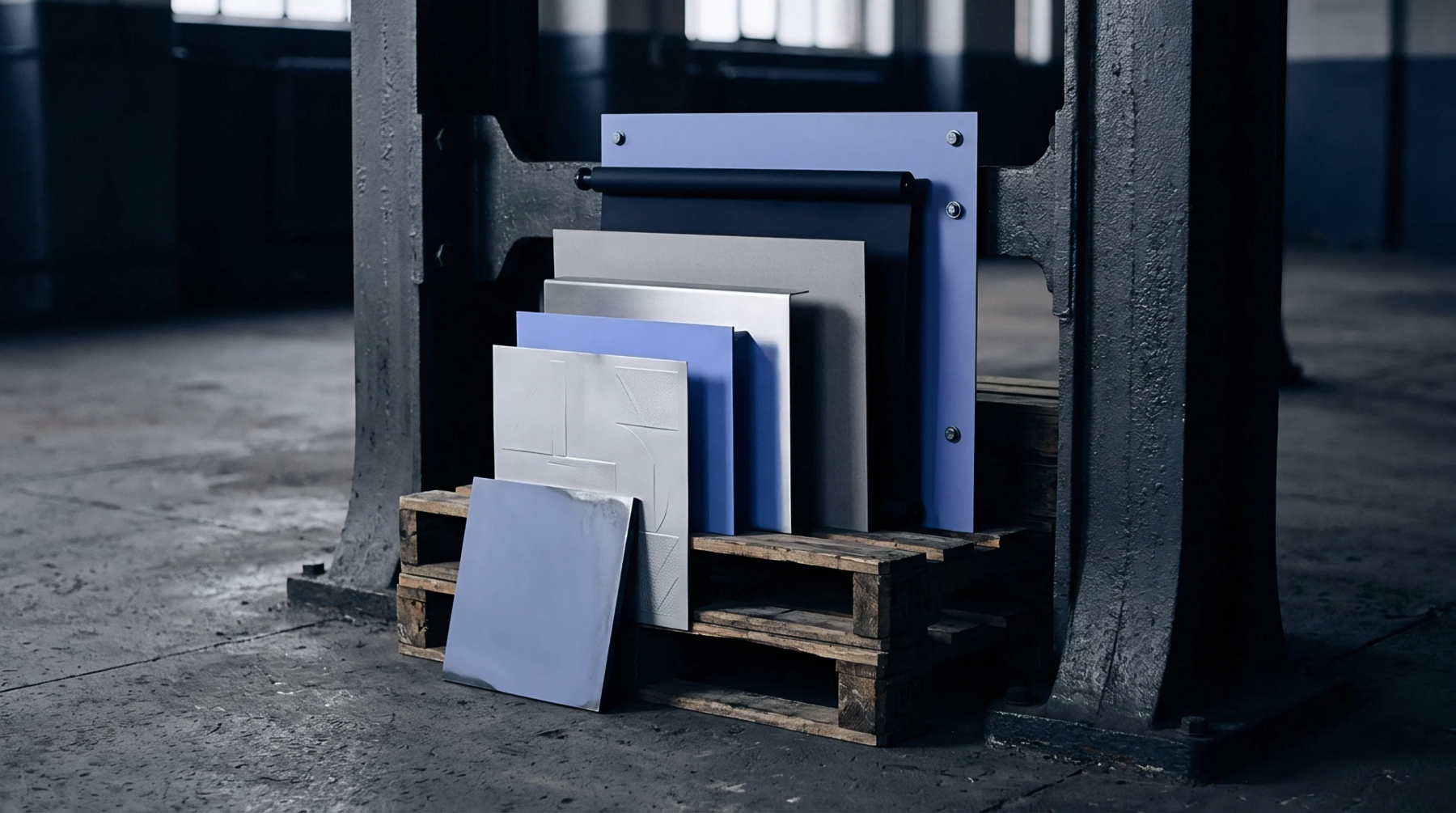
Extrusion Coated Board Barrier Mechanics in High Humidity Converting
Extrusion coatings resist humidity until creasing strain shears polymer-fiber bonds, opening edge-wicking pathways that inflate converting scrap.
Extrusion coatings resist humidity until creasing strain shears polymer-fiber bonds, opening edge-wicking pathways that inflate converting scrap.
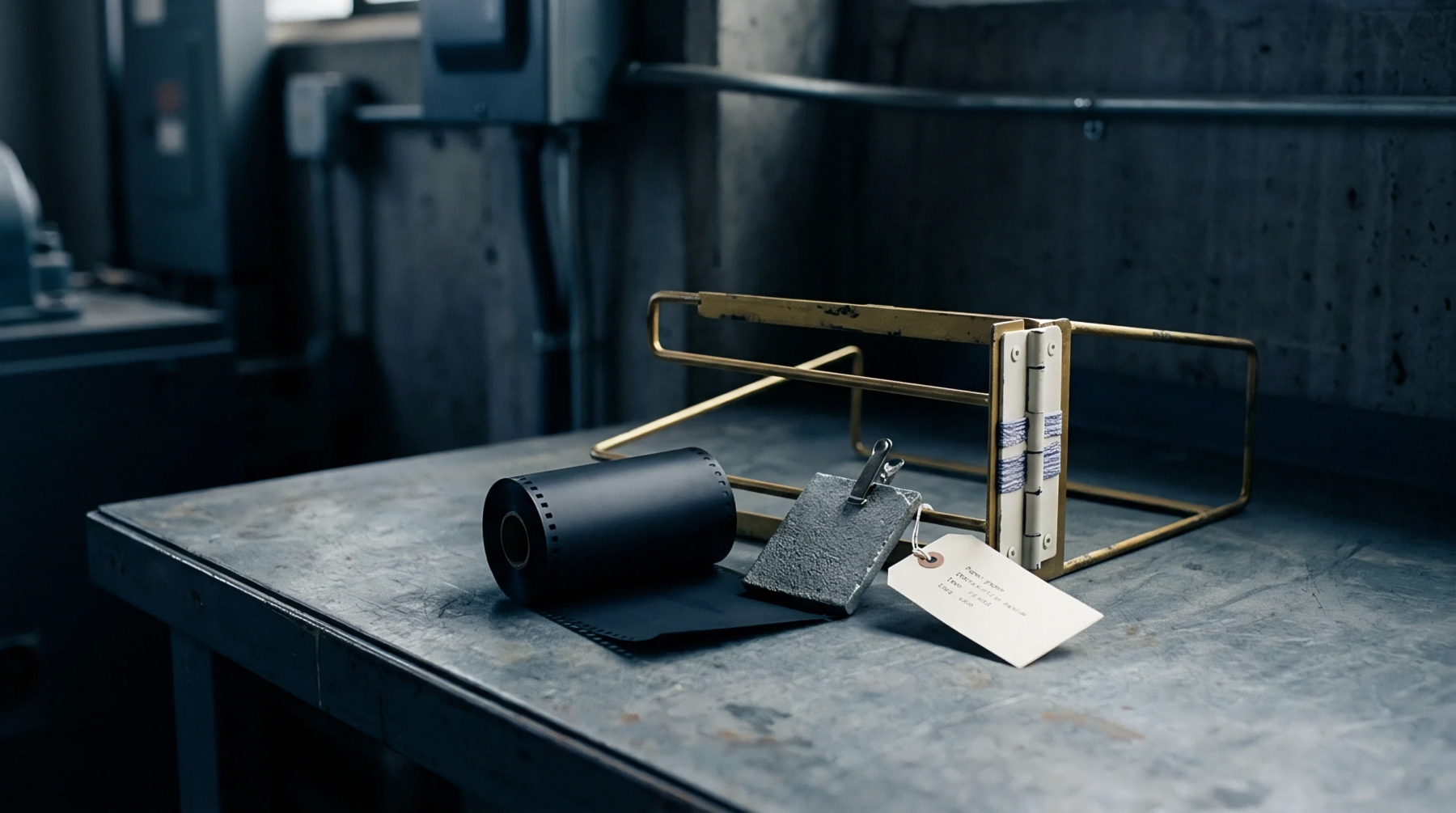
Attenuated total reflectance infrared spectroscopy combined with thermal analysis isolates extrusion resins from dispersion coatings to verify repulpability.
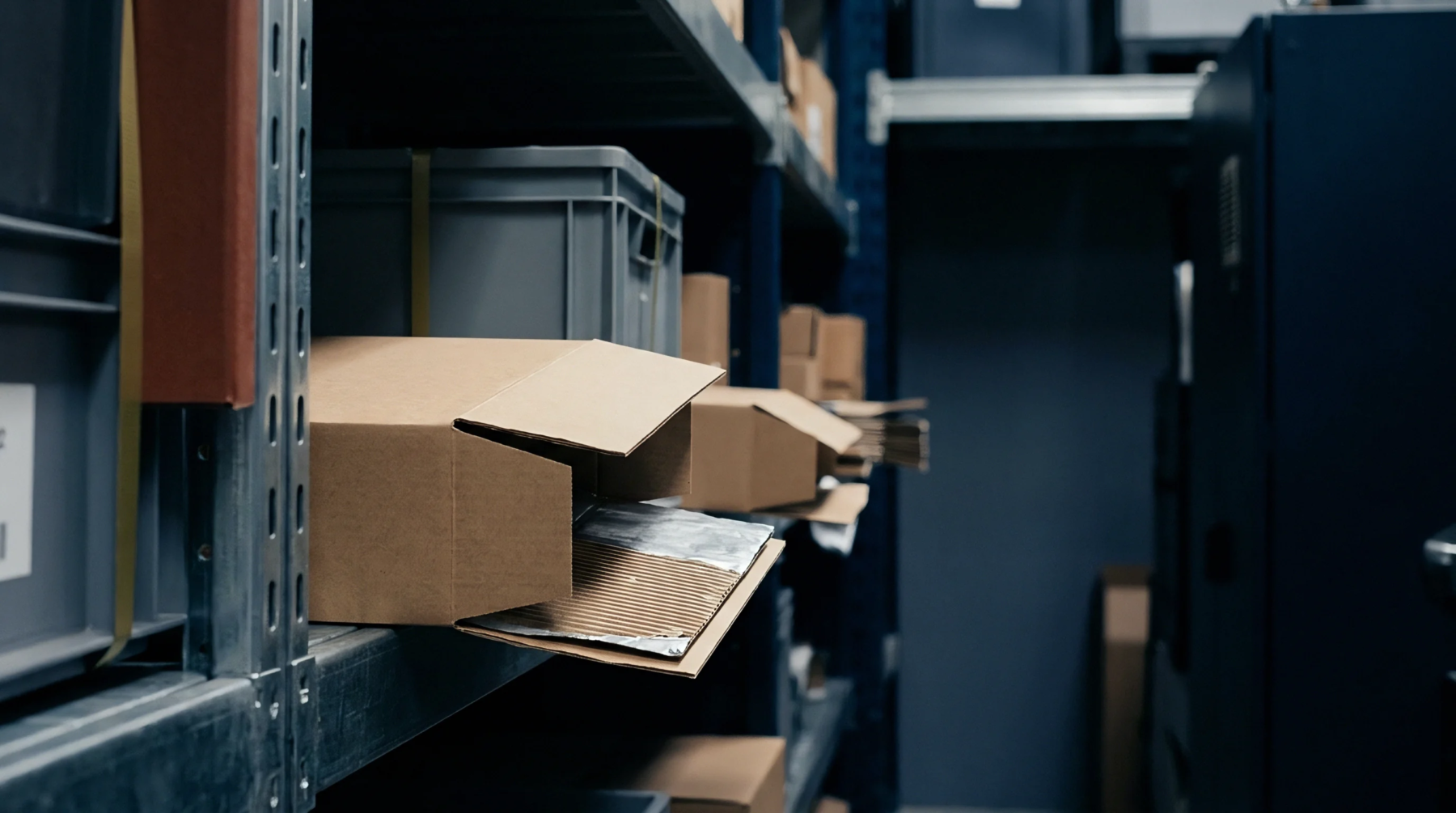
Bio-based barrier coatings undergo rapid free volume collapse post-converting, doubling storage modulus within seven days and causing severe crease cracking.
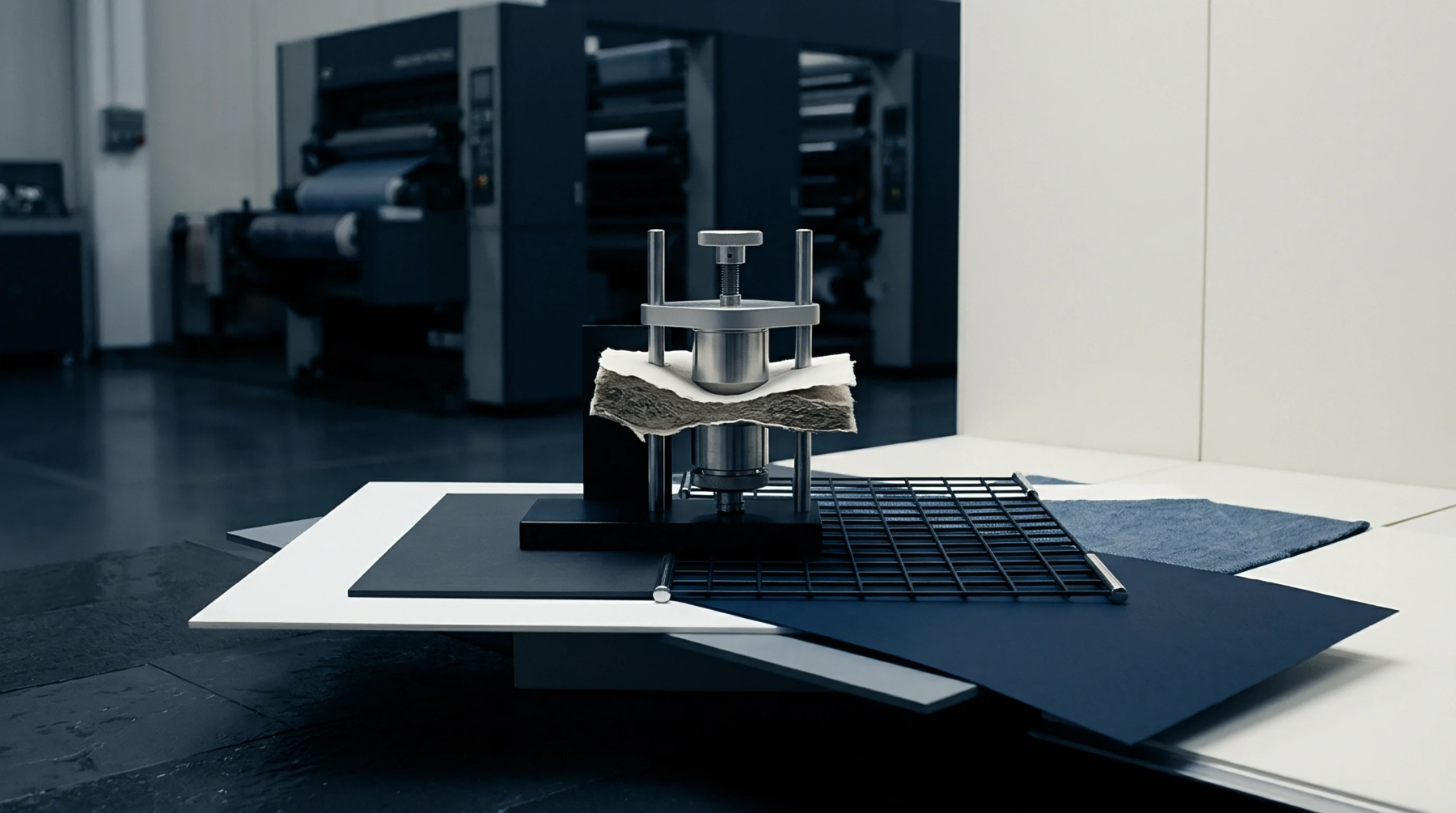
Non-fluorinated bakery wraps maintain grease barrier integrity when dispersion elasticity exceeds score tensile strain to stop pinhole leakage.
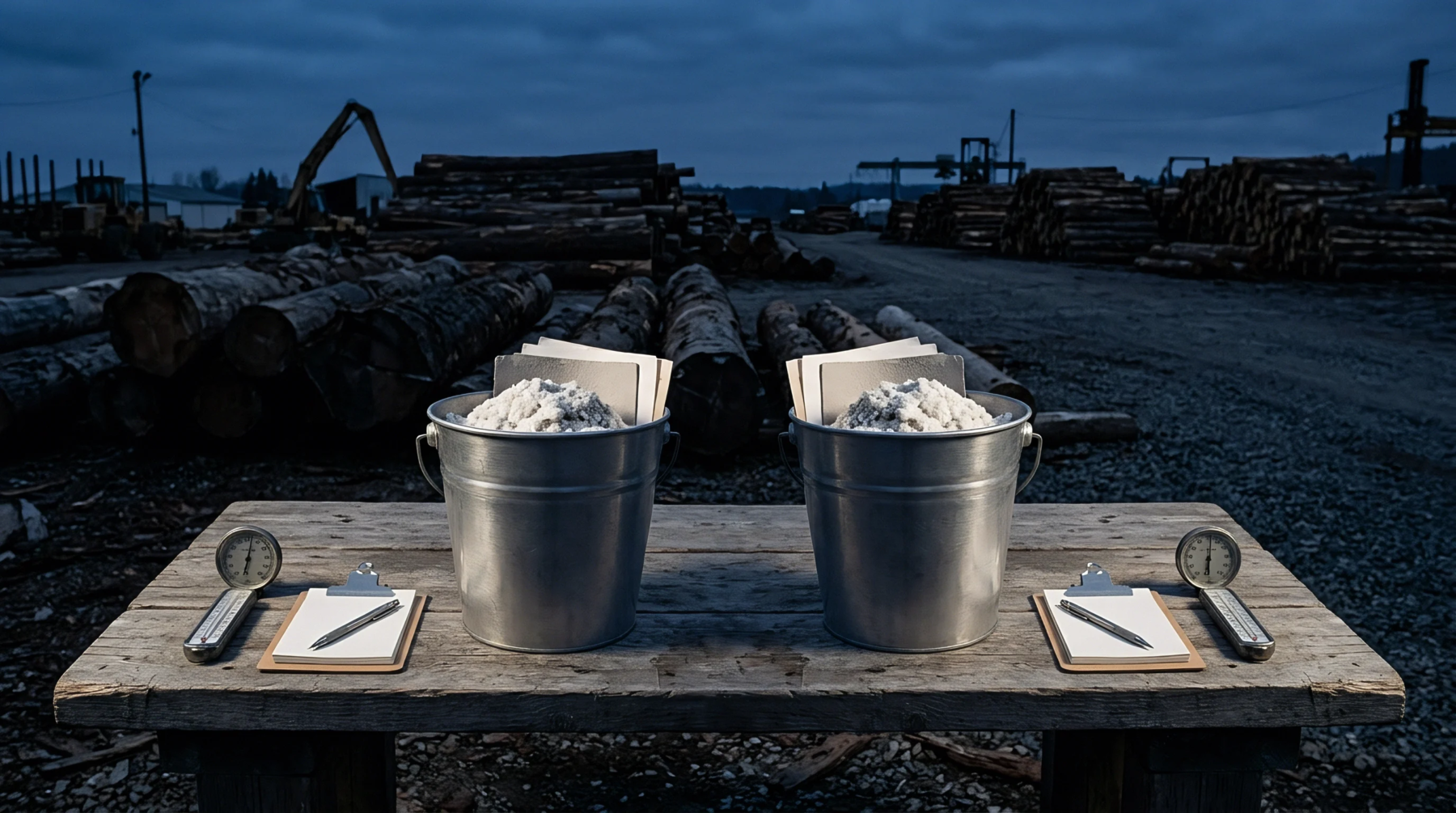
Qualification requires proof that plastic-laminated paperboard leaves under ten percent dry residue on a two-millimeter sieve after twelve weeks of composting.
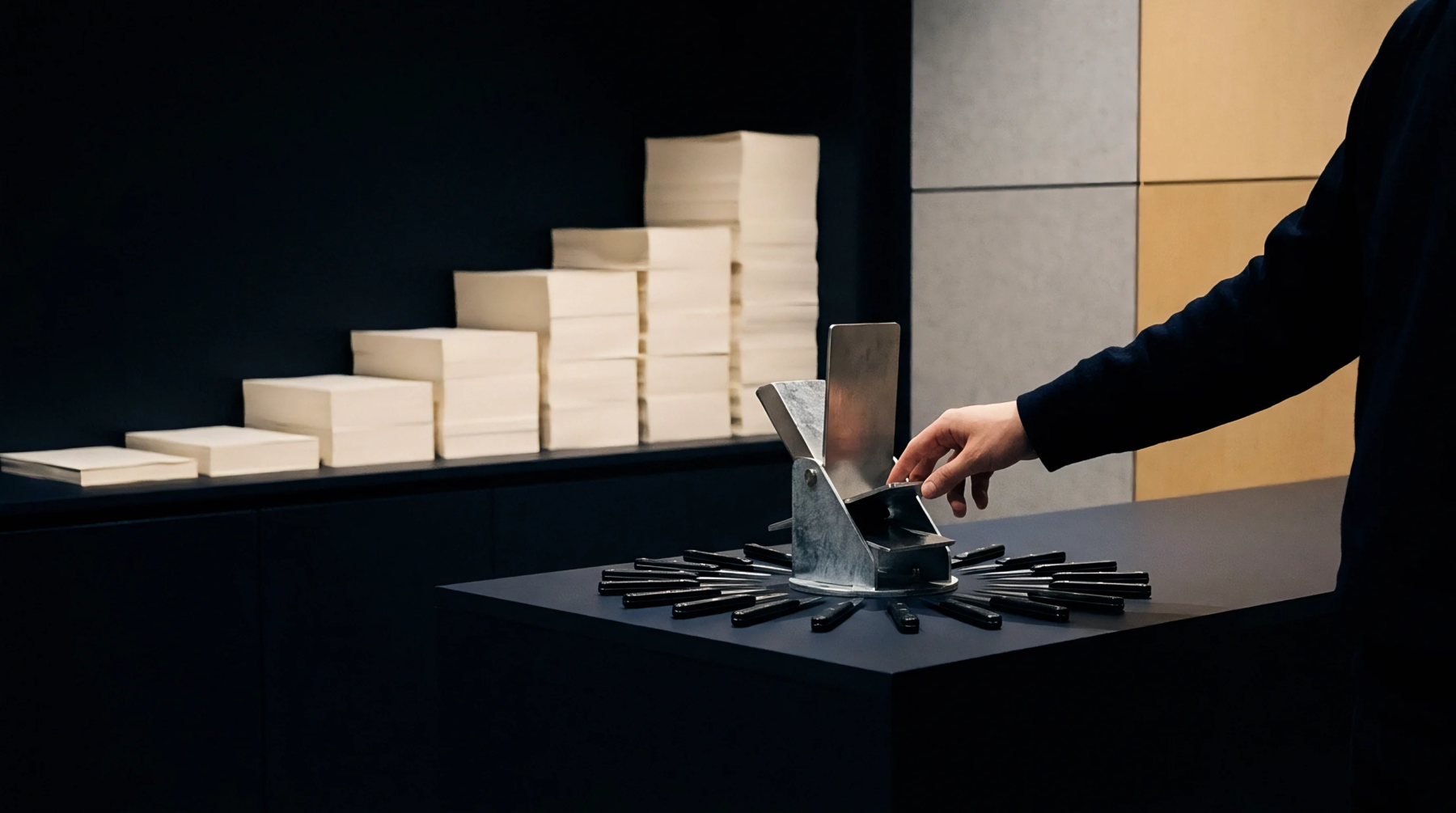
Poly(2,6-diphenyl-p-phenylene oxide) replaces liquid simulants for paperboard, preventing fiber collapse during compliance migration testing.
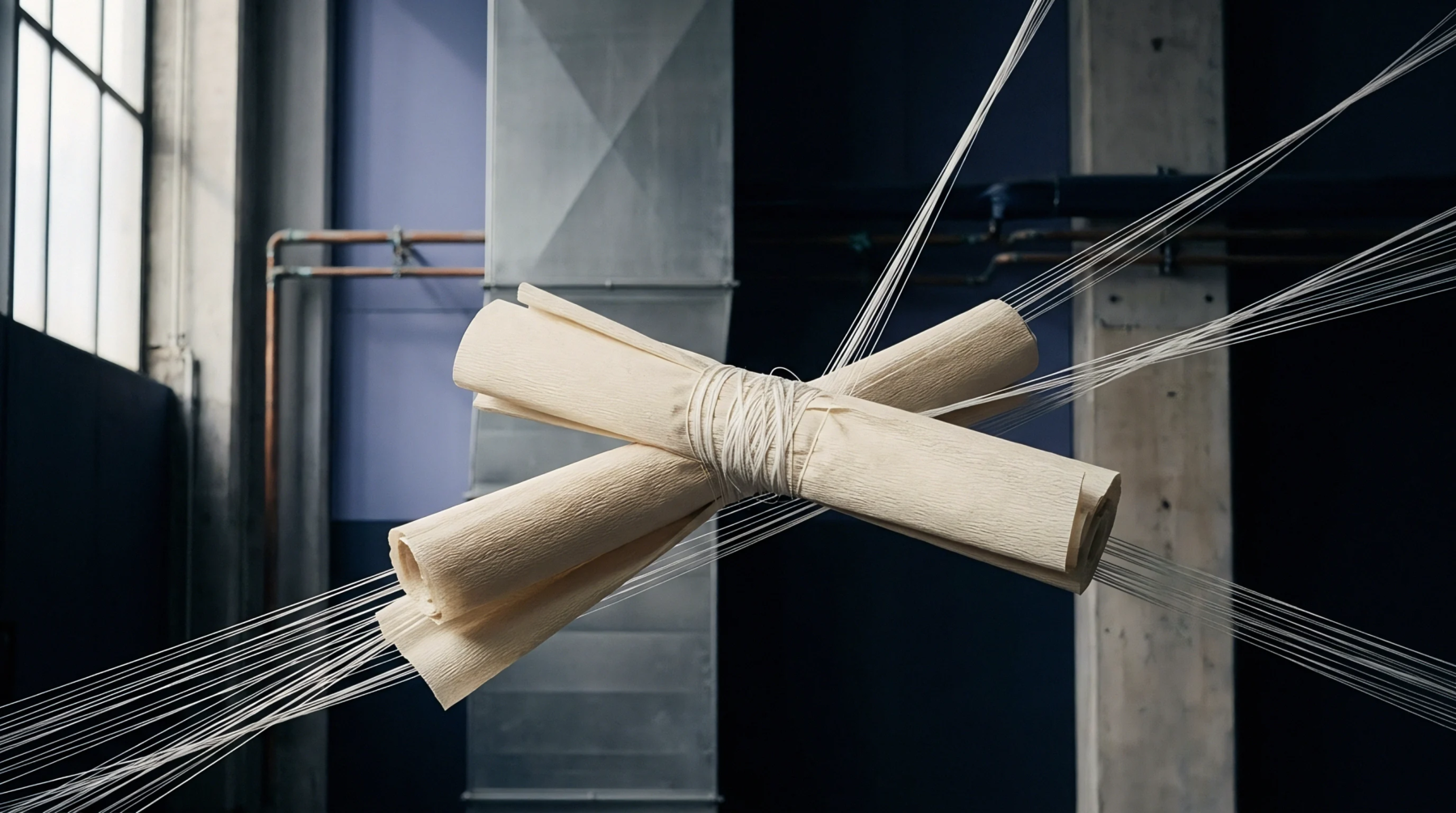
Dynamic paperboard creasing requires speed-adjusted tooling channel geometry to prevent barrier micro-fracturing and maintain shelf-life performance.
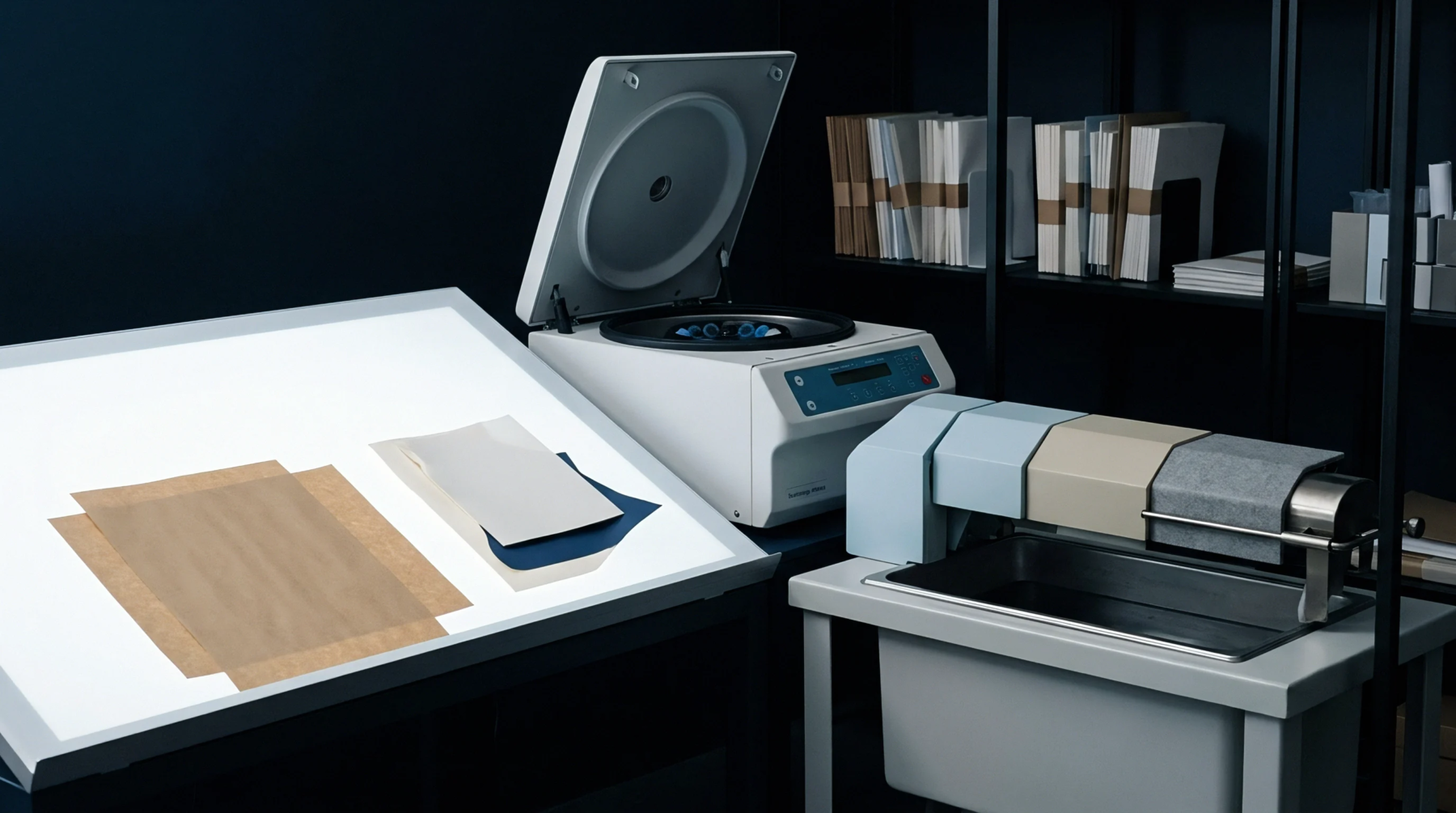
Polymeric coatings block recycled board NIAS migration when layer thickness, crosslinking density, and pinhole frequency meet specific mass transfer criteria.

Modulated EPR fees convert barrier coating repulpability yields directly into landed unit carton costs across European markets.
Expertise is a utility, not a secret. sentiention™ publishes its working knowledge as open reference: intelligence layer covering the materials it sources, the markets it enters, and the reference that serves both.