Establishing Functional Barrier Migration Testing Protocols for Recycled Folding Boxboard
Establishing functional barrier protocols requires ten-day Tenax testing at sixty degrees Celsius to prove aromatic hydrocarbon migration remains below detection.


Permeant
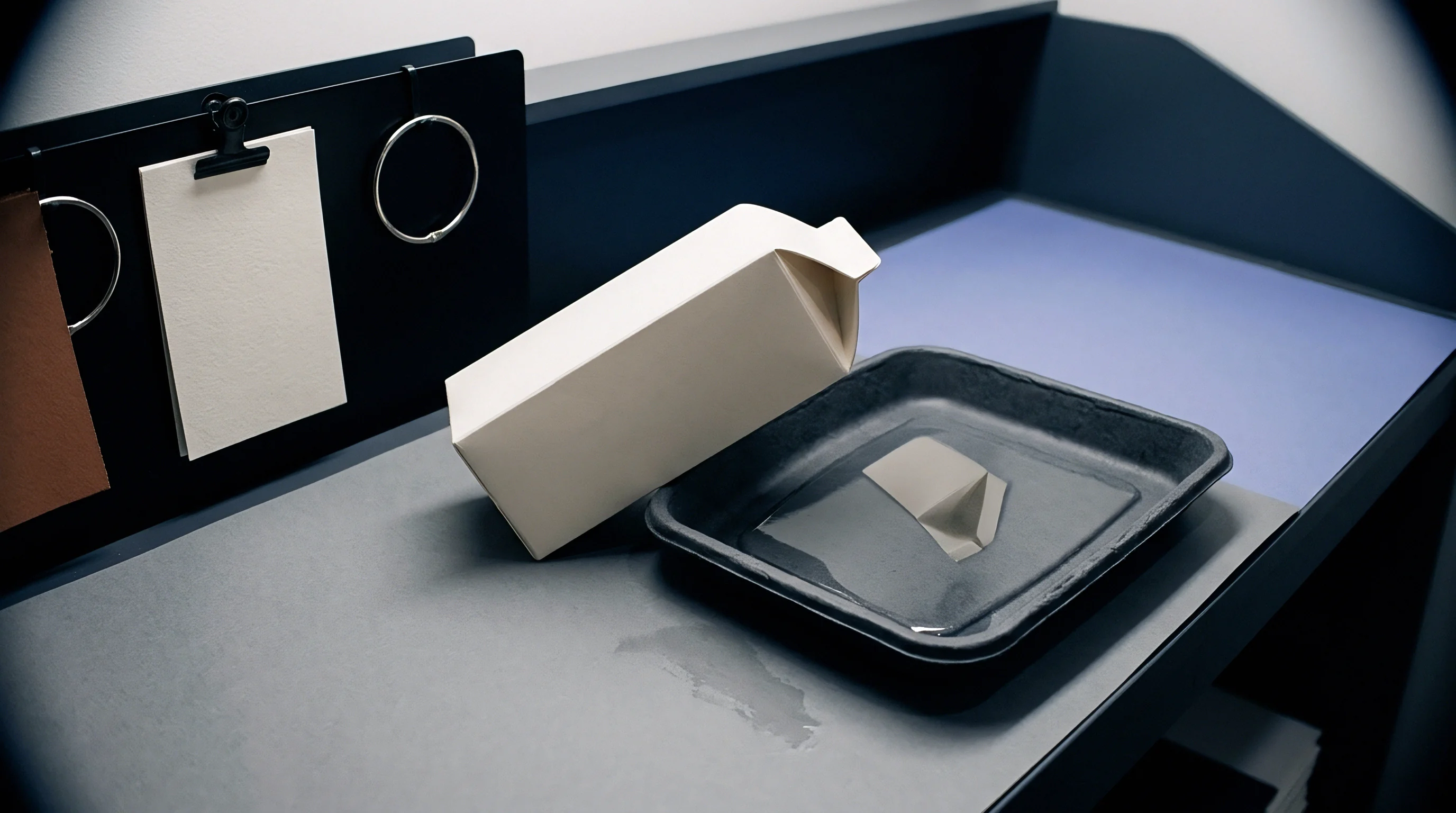
Recovered graphic papers, inks, adhesives, and press wash solvents leave a wide residual spectrum of volatile and semi-volatile compounds in recycled folding boxboard. Qualifying a functional barrier on this board means demonstrating that mass transfer into packed food stays beneath statutory thresholds over the product’s actual shelf life. In practice, the barrier must restrict the diffusion of unassessed substances to no more than 0.01 milligrams per kilogram of food, while returning analytical non-detects for any mutagenic aromatic hydrocarbons.
Substances of Concern in Recovered Fibres
Hydropulping and deinking concentrate several distinct contaminant groups in post-consumer recovered paper. Mineral oil hydrocarbons make up the bulk of this mass, split analytically into saturated hydrocarbons and aromatic hydrocarbons. The saturated fraction, spanning twelve to thirty-five carbon atoms, accumulates in the human liver, spleen, and lymph nodes.
The corresponding aromatic fraction between sixteen and thirty-five carbon atoms consists of alkylated polycyclics with one to seven aromatic rings, carrying documented mutagenic and carcinogenic risks. Ultraviolet-cured inks from previous commercial print runs introduce persistent photoinitiators like benzophenone, 4-methylbenzophenone, and isopropylthioxanthone, while dispersion adhesives and tape residues contribute plasticizers such as diisobutyl phthalate and dibutyl phthalate.
Thermal paper receipts and polymer additives introduced to the paper furnish carry bisphenols and synthetic phenolic antioxidants into the pulp. Primary aromatic amines can also form when azo colorants degrade thermally or cleave under chemical reducing conditions during processing. Non-intentionally added substances complicate the profile further, as drying cylinders run at temperatures exceeding one hundred degrees Celsius generate oxidation products, branched oligomers, and various cyclic hydrocarbons directly within the web.
Cold water extraction yields under EN 645 show chemical presence without demonstrating real barrier performance.

Migration Mechanisms across Porous Networks
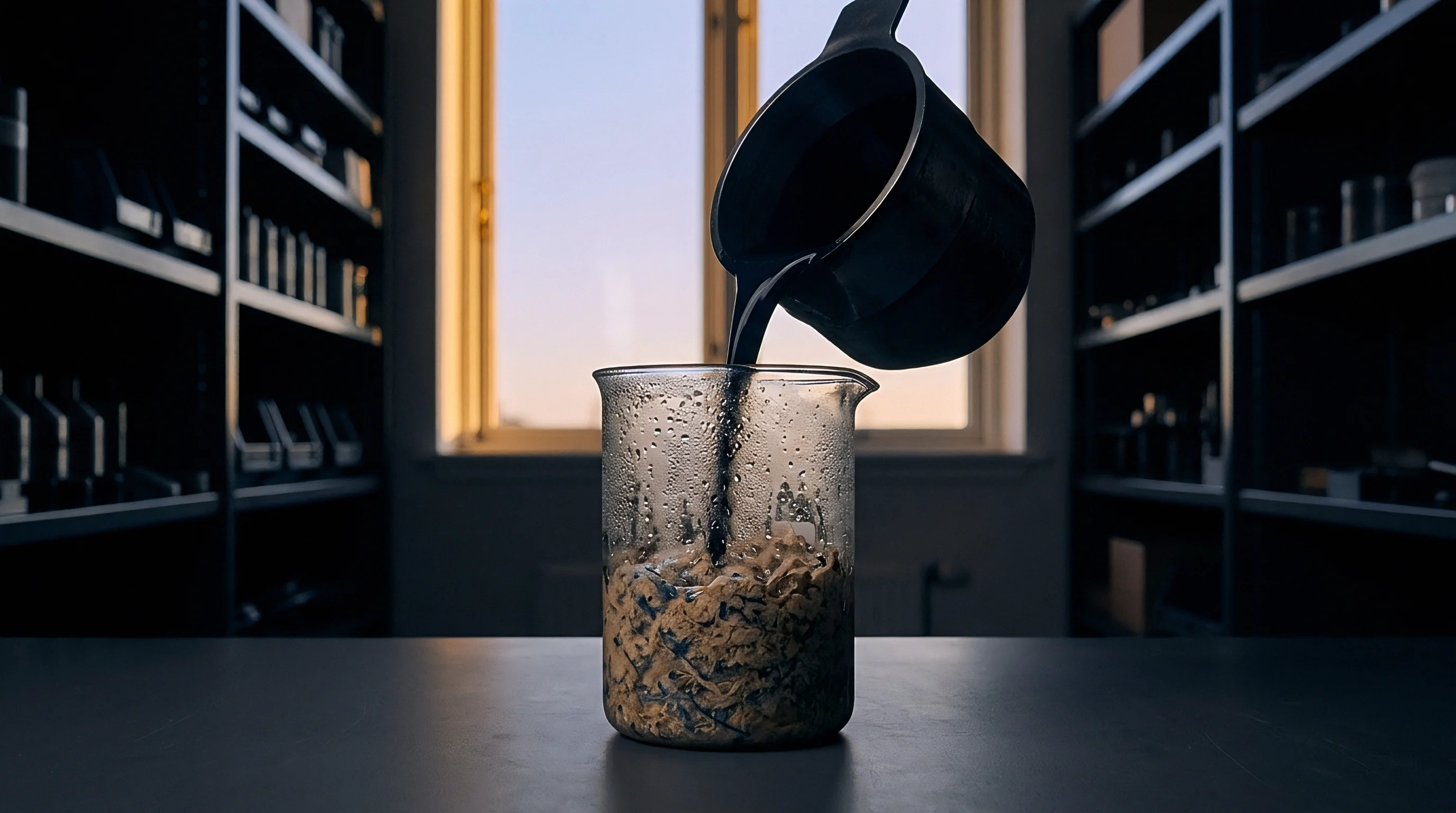
Migrant transport through paperboard combines gas-phase diffusion with capillary sorption across an open cellulose network that acts much like a high-surface-area chromatographic column. Volatiles with low molecular weight evaporate into the inter-fiber voids and condense repeatedly along downstream fibers. Once a functional barrier is applied to the board face, migrants build up at the interface between board and coating, driving chemical activity higher as the interface approaches sorption equilibrium.
Penetration through the coating itself proceeds by Fickian diffusion, determined by ambient temperature, migrant molecular volume, polymer crystallinity, and chemical affinity. The process moves through three continuous stages: dissolution into the barrier polymer, diffusion across the matrix along the concentration gradient, and desorption into the food or package headspace. Physical imperfections ~ pinholes, die-induced micro-cracks, or local gauge thinness ~ compromise this resistance immediately.
Contact with liquids introduces another failure mode entirely, swelling the polymer matrix, increasing its free volume, and raising diffusion coefficients by several orders of magnitude.
- Mineral oil aromatic hydrocarbons carry a limit of quantification threshold of 0.50 milligrams per kilogram in paper and 0.15 milligrams per kilogram in dry food matrices.
- Short chain photoinitiators transfer readily through the headspace gas phase during ambient storage, often within twenty-one days of packing.
- Phthalate esters partition strongly into lipophilic dry foods, yielding substantial specific migration levels despite their relatively low vapor pressure.
Without compound-specific diffusion data established on the finished carton geometry, packaging remains vulnerable to enforcement recalls whenever retail surveillance detects target analytes above statutory limits.


Simulant
Evaluating barrier performance directly against real foodstuffs brings matrix interferences, variable fat extraction, and low analytical recoveries that cloud the underlying diffusion kinetics. Standard protocols replace food with model chemical media calibrated to mimic the extraction behavior and vapor partitioning of particular food types. The medium selected also determines how much physical stress the barrier layer endures throughout incubation.

Can Tenax Adsorption Accurately Model Dry Food Contact?
Under standard EN 14338, poly-2,6-diphenyl-p-phenylene oxide (Tenax) serves as simulant E for dry and fatty goods. Its porous structure offers an immense surface area with strong affinity for volatile and semi-volatile organics. In direct contact tests, Tenax acts as an infinite sink, capturing migrants the moment they reach the barrier surface and maintaining the steepest possible concentration gradient across the film for the duration of the test.
Sorption onto an open adsorbent does not behave like sorption into infant cereal, rice, or dry pasta, all of which have internal diffusion resistance and finite partition coefficients. Because Tenax strips volatile fractions immediately without allowing headspace equilibrium to form, it yields deliberately conservative numbers that guard against false-negative assessments. The polymer particle size must remain between sixty and eighty mesh so it conforms evenly across rough board surfaces without embedding into soft coating layers.
A Tenax contact test run at sixty degrees Celsius for ten days produces an overestimation factor of three compared to ambient cereal storage at twenty degrees Celsius.
Solid adsorbents are unusable for moist, fatty, or liquid applications. When exposed to liquid media ~ whether simulant D1 consisting of fifty percent ethanol or simulant D2 consisting of vegetable oil ~ polyolefin barrier layers can plasticize and swell. Ethanol penetrates the amorphous zones of the coating, depressing its glass transition temperature and creating open pathways that sharply accelerate migrant diffusion.
| Simulant Type | Chemical Media | Target Food Category | Standard Incubation | Accelerated Parameter |
|---|---|---|---|---|
| Simulant E | Tenax 60 to 80 mesh | Dry grains, flour, bakery items | 10 days at 40 deg C | 10 days at 60 deg C |
| Simulant D1 | 50 percent ethanol aqueous | Dairy products, oil emulsions | 10 days at 40 deg C | 10 days at 60 deg C |
| Simulant D2 | Refined olive oil or triheptanoin | Pure fats, oils, butter | 10 days at 40 deg C | 2 days at 60 deg C |
| Simulant A | 10 percent ethanol aqueous | Moist foods without free fats | 10 days at 40 deg C | 10 days at 60 deg C |
| Simulant B | 3 percent acetic acid aqueous | Acidic fruit preparations, sauces | 10 days at 40 deg C | 10 days at 60 deg C |
Acceleration Ratios and Temperature Shifts
Accelerated incubation has to condense months of shelf storage into days without inducing phase changes in the barrier material. Diffusion acceleration follows the Arrhenius equation, where higher temperatures drive exponential increases in migration rates. European regulatory frameworks routinely apply ten days at sixty degrees Celsius to simulate ambient storage exceeding six months.
Pushing test temperatures beyond a resin’s glass transition or crystalline melting point invalidates the data. Low-density polyethylene, for instance, transitions into a rubbery, highly permeable state above seventy degrees Celsius. Similarly, water-based dispersion coatings using ethylene acrylic acid copolymers or polyvinyl alcohol relax under excessive heat on the bench.
Once thermal conditions change the core transport physics, accelerated data no longer correlates with shelf life at ambient temperatures.
Testing bodies continue to debate whether acceleration factors derived from pristine, flat test specimens remain valid once carton blanks undergo scoring and right-angle folding.


Board
Recycled folding boxboard ~ typically designated as GD2, GD3, or GT ~ is a multi-ply material built for stiffness and printability. Its core relies predominantly on mechanical and deinked secondary fiber sorted from mixed recovered paper. The back liner contains unbleached post-consumer fiber, while the print face pairs bleached secondary or virgin chemical fiber with mineral pigment coatings.
This layered composition distributes volatile contaminants unevenly through the thickness of the board.

Fiber Morphologies and Substrate Uniformity
Repeated drying cycles cause paper fibers to hornify, collapsing internal cell-wall pores and reducing both conformability and available bonding area. To compensate for this stiffness, mills increase refining intensity and rely heavily on wet-end additives. Residual starches, wet-strength resins, and synthetic sizing agents gather in the central plies, creating localized density variations that show up on converting lines as formation mottle.
These structural variations mean migrating molecules encounter irregular, uneven pathways through the sheet, moving much faster across loose flocs than through dense fiber patches. Even standard caliper variations within plus or minus five percent across a master reel produce inconsistent coating take-up, while coarse fiber bundles poking through the base surface easily cause pinholes in thin barrier layers.
- Substrate inspection checks base sheet smoothness, formation index, and surface Cobb sixty sizing values prior to barrier deposition.
- Barrier application applies liquid dispersion or polymer melt across the fiber peaks to bridge and seal surface voids.
- Crease conditioning verifies scoring channel depth and rule clearances so mechanical forming does not rupture the dry film.
- Edge seal appraisal measures wicking rates along cut multi-ply edges where raw chipboard core directly meets internal package air.

Will Water Dispersions Prevent Mineral Oil Penetration?
Aqueous barriers combine synthetic latexes, acrylics, styrene-butadiene emulsions, or biopolymers with platelet minerals like talc or bentonite. As the coating dries, these platelets orient parallel to the surface, forming a dense maze that lengthens the diffusion path for incoming migrants. Success depends entirely on capillary forces driving the polymer particles into a continuous, coalesced film during transit through the drying tunnel.
If water evaporates too quickly through the wet skin, dispersion layers develop pinholes. A single micro-void provides a direct vapor channel that circumvents the pigment maze entirely. Polyolefin extrusions avoid this issue by laying down a solid continuous film, though they require corona discharge treatment for board adhesion ~ a process that generates ozone and oxidized surface species capable of altering food aroma and flavor.
A barrier coating exhibiting a water vapor transmission rate above ten grams per square meter per day fails to block aromatic mineral oils across long-term storage.
Converting tooling subjects boxboard to sharp shear and compressive forces. While internal plies delaminate to form the crease bead, outer plies stretch under substantial tension. Brittle barrier films fracture under this local elongation, whereas flexible, high-elongation coatings flex around ninety-degree carton corners without breaking the surface barrier.
Surface coatings often show complete migration containment in flat-sheet testing, even while laboratory reports on converted cartons demonstrate significant barrier breakdown along creases.

Chromatography
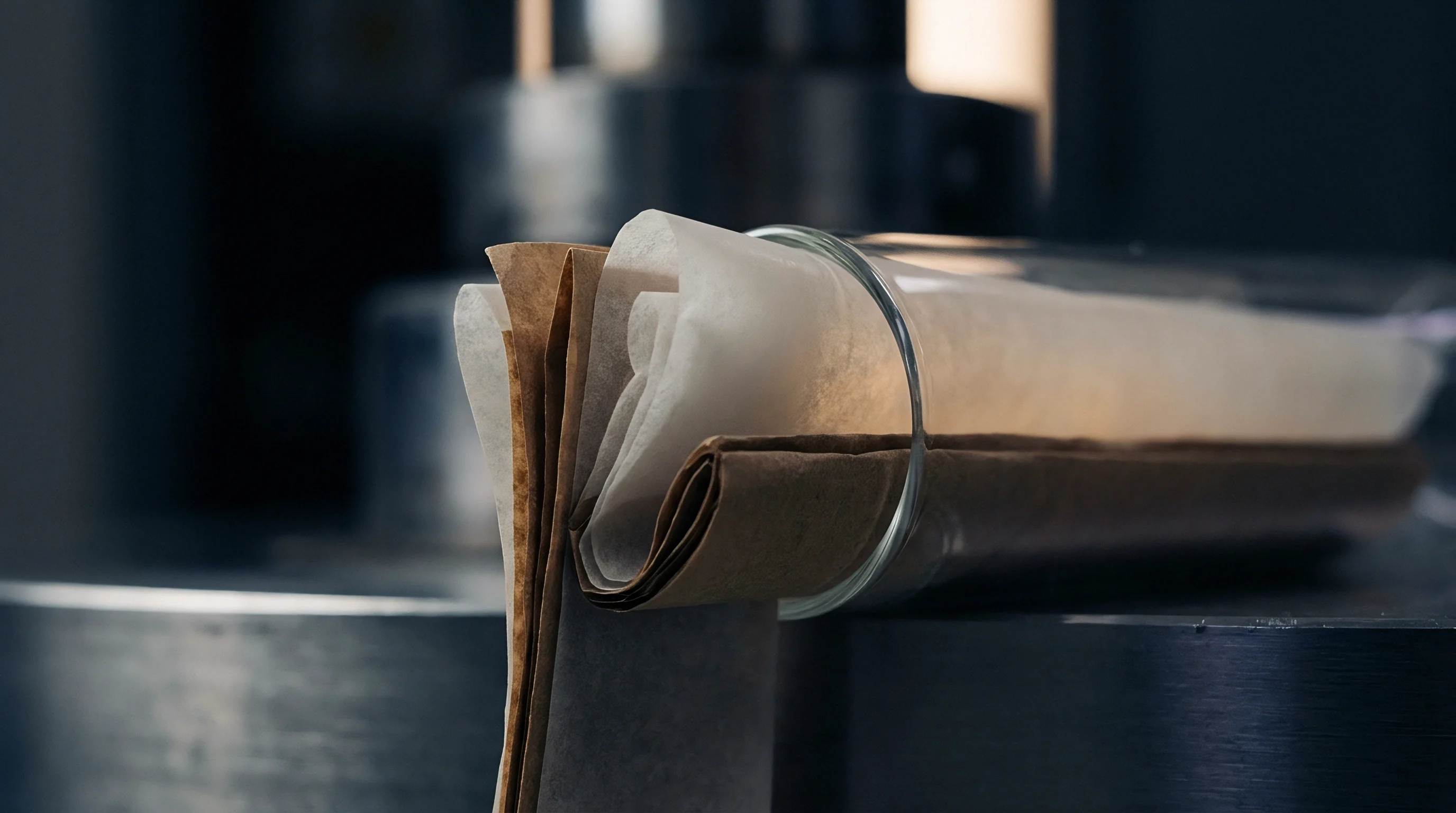
Isolating migrants from recycled boxboard requires selective solvent extraction and hyphenated chromatography to separate target compounds from native paper lipids and wood resin acids. Preparation begins by extracting the exposed simulant or contact face. For Tenax, washing with diethyl ether, ethanol, or n-hexane desorbs the trapped organics, after which the solution is concentrated gently under a nitrogen stream to protect temperature-sensitive photoinitiators from degrading.

Separation and Quantification of Hydrocarbon Fractions
Mineral oil saturated hydrocarbons and aromatic hydrocarbons require separate chromatographic processing because of their structural complexity. Standard gas chromatography produces an unresolved complex hump containing thousands of co-eluting isomers. Coupling high-performance liquid chromatography online to gas chromatography with flame ionization detection allows clean separation of the two fractions.
In this configuration, a silica column fractionates saturated from aromatic species using an n-hexane and dichloromethane gradient. Forward flushing carries the saturated hydrocarbons directly into the transfer line of the gas chromatograph, while backflushing elutes the aromatic fraction so heavier ring systems do not carry over into later injections. Because flame ionization detectors generate an equimolar response per carbon atom, total hump areas can be integrated directly without individual calibration standards for each isomer.
| Chemical Compound | Analytical Method | Detection Limit | Quantification Limit | Migration Cap |
|---|---|---|---|---|
| MOSH C10 to C16 | Online HPLC-GC-FID | 0.10 mg/kg food | 0.50 mg/kg food | 2.00 mg/kg food |
| MOSH C16 to C35 | Online HPLC-GC-FID | 0.20 mg/kg food | 0.50 mg/kg food | 9.00 mg/kg food |
| MOAH C16 to C35 | Online HPLC-GC-FID | 0.05 mg/kg food | 0.15 mg/kg food | 0.50 mg/kg food |
| Benzophenone | GC-MS or LC-MS/MS | 0.01 mg/kg food | 0.05 mg/kg food | 0.60 mg/kg food |
| Dibutyl Phthalate | GC-MS selective ion | 0.02 mg/kg food | 0.05 mg/kg food | 0.30 mg/kg food |
| Primary Aromatic Amines | LC-MS/MS | 0.002 mg/kg food | 0.005 mg/kg food | 0.01 mg/kg food |

Interference Suppression and Surrogate Spiking
Biogenic compounds in recycled pulp ~ such as terpenes, abietic acid derivatives, plant wax n-alkanes, and squalene ~ co-elute across the saturated hydrocarbon window. Clean-up through aluminum oxide columns or epoxidation removes these interferences. In epoxidation, olefinic bonds on natural squalene and sterols convert to polar epoxides, shifting their retention times well away from the synthetic hydrocarbon humps.
Internal surrogates must be spiked directly into the matrix prior to solvent extraction. Standard cocktails generally rely on bicyclohexyl, cholestane, pentylbenzene, and 1-methylnaphthalene. Acceptable recovery ranges run from eighty to one hundred twenty percent; volatile losses during nitrogen blow-down require immediate recalculation of final sample volumes.
Maintaining reproducible surrogate recoveries requires tight control over rapid solvent evaporation, which can skew quantitative yields if left unchecked. Routine instrument recalibration and disciplined glassware cleaning prevent detector drift and trace contamination from compromising batch integrity.
Producing stable chromatographic baselines ultimately depends on utilizing analytical-grade solvents alongside systematically baked extraction glassware.

Exposure
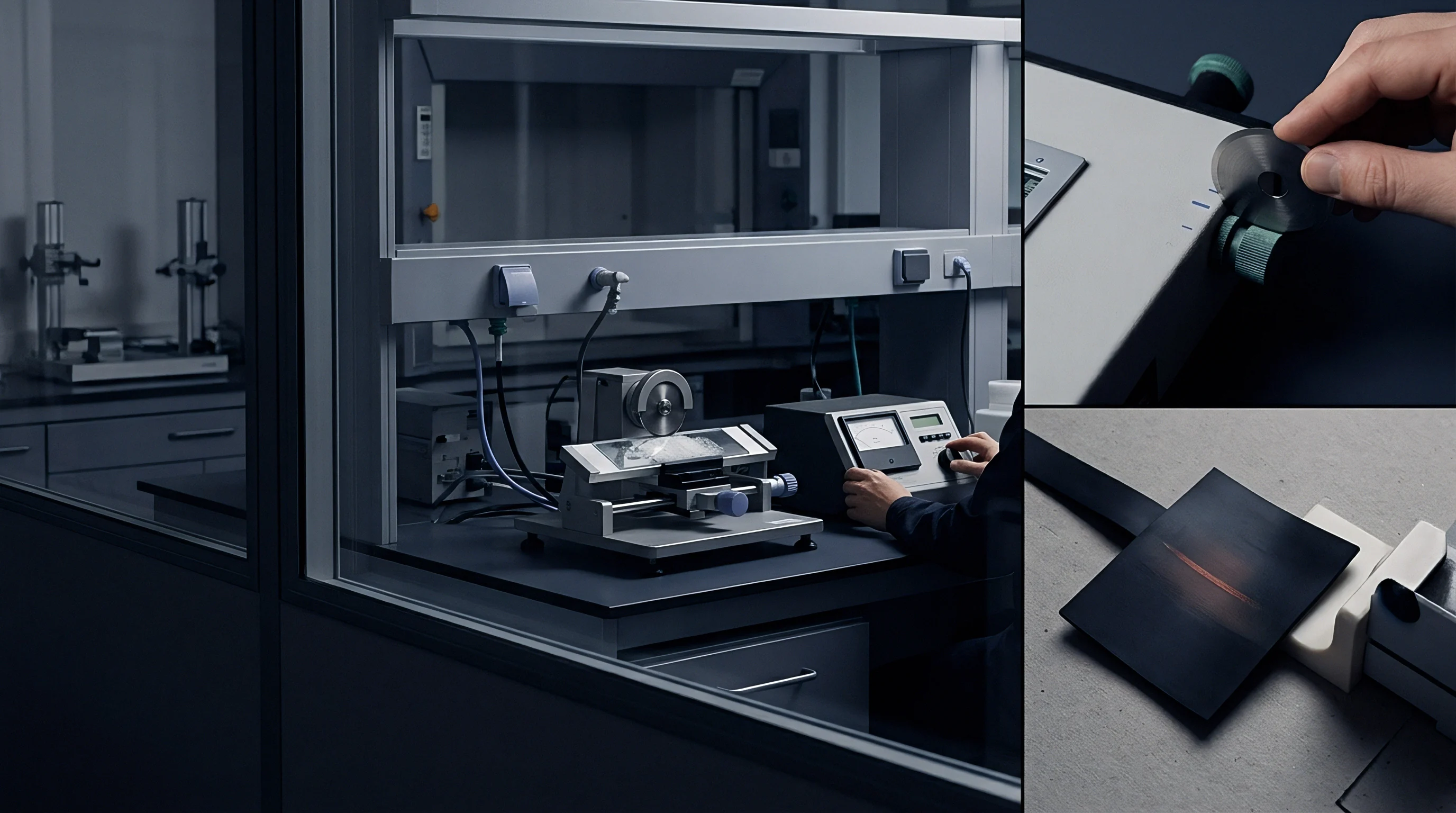
Converters, brand owners, and importers take on direct liability when marketed packaging breaches migration standards. Under Article 3 of Framework Regulation 1935/2004, food contact materials cannot transfer constituents in quantities that endanger human health, alter food composition unacceptably, or spoil taste and odor. Without harmonized European Union rules specific to recycled paper and board, regulatory enforcement relies on national legislation and horizontal safety clauses.

Jurisdictional Variations and Regulatory Enforcement
Surveillance programs vary widely across member states. In Germany, the Druckfarbenverordnung regulates printing inks and functional barrier efficacy on paper substrates, capping aromatic mineral oil migration into food at 0.01 milligrams per kilogram. In parallel, the German Draft Mineral Oil Ordinance requires barriers to keep saturated hydrocarbon migration below 9.0 milligrams per kilogram while ruling out detectable aromatic hydrocarbons down to a limit of 0.50 milligrams per kilogram in the paper itself.
State inspectors routinely pull samples at central warehouses and border inspection posts. Quantifiable aromatic mineral oils prompt immediate filings on the Rapid Alert System for Food and Feed, followed by product seizures, retail recalls, and disposal orders for affected batches. While the brand owner on the package absorbs immediate public scrutiny, financial recourse works its way straight back to the converter and board mill.
A certificate of compliance lacking batch-specific barrier test reports fails to indemnify an importer against customs border detention costs.

Commercial Allocation of Barrier Liability
Carton buyers need procurement agreements and declarations of compliance that allocate technical liability without ambiguity. Vague statements referencing Article 3 of Regulation 1935/2004 without supporting analytical data fail basic food-contact audits. A defensible declaration identifies the specific barrier chemistry, the simulants used, the incubation time and temperature, and the recovery rates achieved for target compounds.
Buyers also need to confirm whether compliance testing ran on flat laboratory drawdowns or on converted cartons passed through commercial creasing tooling. Scoring damage remains the primary reason laboratory results fail to translate to store shelves. Comprehensive specifications should demand Kit test grease resistance under TAPPI T 559, Cobb sizing values, and empirical mineral oil breakthrough curves before clearing a board grade for commercial converting.
Relying on a boilerplate warranty that packaging conforms to applicable food laws leaves carton buyers fully exposed to inventory disposal costs when a barrier fails under real distribution conditions.