Evaluating Gas Phase Mineral Oil Hydrocarbon Migration Limits in Recycled Paperboard Packaging
Gas phase mineral oil migration from recycled paperboard into dry food requires functional polymer barriers or sorbents to pass regulatory safety thresholds.


Volatiles
Mineral oil hydrocarbons originate primarily from offset printing inks, newsprint recovery streams, and processing lubricants retained in paper pulp. During the recycling of recovered paperboard, these compounds survive standard pulping and cleaning operations due to their hydrophobic nature and boiling point profiles. The volatile constituents migrate into dry food products through vapor phase transport across the ambient air gap inside packaging boxes.
Mineral oil saturated hydrocarbons (MOSH) consist of straight, branched, and ring-formed alkanes, while mineral oil aromatic hydrocarbons (MOAH) comprise alkylated mono- and polycyclic aromatic rings. Toxicological evaluation focuses heavily on MOAH fractions with three to seven aromatic rings due to their potential mutagenic and carcinogenic properties. MOSH fractions accumulate in human tissues, particularly in the liver, spleen, and lymph nodes, driving regulatory pressure to restrict total migration.
Vapor pressure drives the process. Low molecular weight hydrocarbons spanning carbon numbers C10 through C24 exert sufficient vapor pressure at room temperature to evaporate from paperboard fibers into the internal headspace of secondary and primary packaging. Temperature accelerates vapor transfer.
Once present in the gas phase, these molecules adsorb onto dry food matrices rich in fats, starch, or high surface area particles such as flour, cereal, and powdered infant formula. The migration rate increases when ambient storage temperatures rise from 20°C to 40°C, accelerating diffusion rates through internal paper layers.
| Fraction Category | Carbon Number Range | Toxicological Endpoints | Draft Migration Limit (mg/kg food) | Analytical Detection Ceiling |
|---|---|---|---|---|
| MOSH Light Volatiles | C10 to C16 | Rapid organ accumulation, tissue irritation | 2.0 | 0.5 mg/kg |
| MOSH Heavy Fractions | C17 to C35 | Microgranuloma formation in liver and lymph nodes | 9.0 | 1.0 mg/kg |
| MOAH Alkylated Mono-aromatics | C10 to C24 | Potential endocrine disruption, systemic toxicity | 0.5 | 0.1 mg/kg |
| MOAH Polycyclic Aromatics | C16 to C35 | Genotoxic carcinogenicity, DNA adduct formation | Detection limit (0.15 max) | 0.05 mg/kg |
| Values reflect European Food Safety Authority evaluation guidelines and German Federal Ministry of Food and Agriculture draft ordinance recommendations for food contact materials. | ||||
Analytical quantification splits hydrocarbons into distinct volatility windows to isolate high-risk migrants. Gas phase migration concentrates heavily within the C12 to C20 range, where vapor pressure remains elevated enough to achieve equilibrium saturation within standard product shelf lives. Fibers release light fractions quickly.
Heavier fractions above C25 exhibit negligible vapor pressure at 20°C and migrate predominantly through direct surface contact rather than gas phase transport.
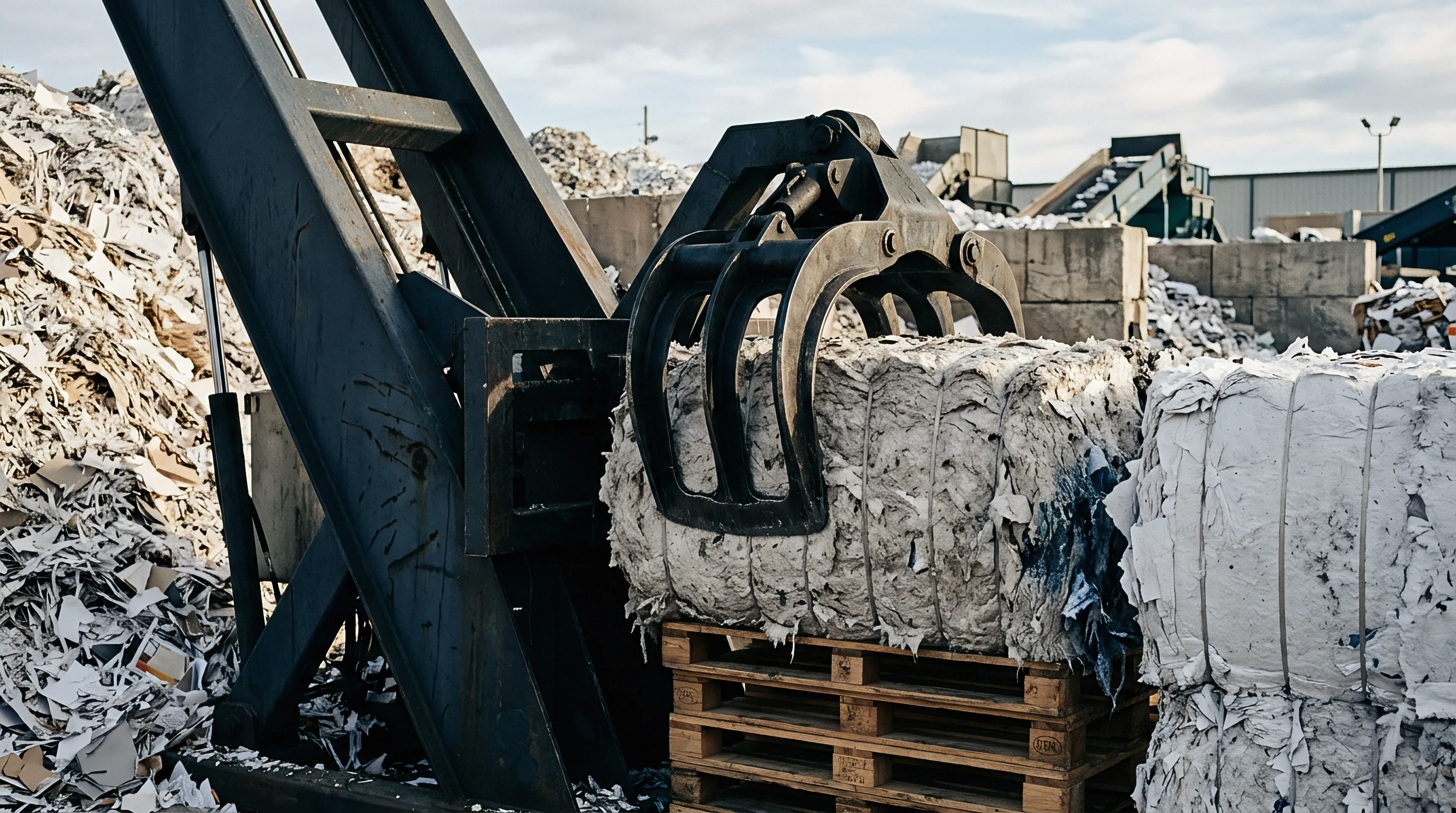
Hydrocarbon Fractionation and Vapor Phase Partitioning
Saturated and aromatic hydrocarbon rings behave differently when trapped inside recycled paper structures. Partition coefficients between paperboard fibers, air, and food simulants dictate the total equilibrium concentration reached inside a sealed package. High surface area dry foods act as effective sinks, continuously drawing gas-phase hydrocarbons out of the internal air space and maintaining a steep concentration gradient across the board thickness.
Migration testing into modified poly(2,6-diphenyl-p-phenylene oxide) at 60°C for ten days models long-term storage of dry food at room temperature for two years.
The absence of a direct physical contact layer fails to prevent contaminant accumulation in dry goods. Ambient room air inside folding cartons saturates with volatile hydrocarbons within hours of sealing. Analytical consensus remains absent regarding whether MOAH toxicity thresholds apply equally to single-ring alkylated benzenes and multi-ring aromatic structures present in recovered packaging streams.


Chromatography
Separation of saturated and aromatic hydrocarbon fractions from paperboard extracts relies on online coupled liquid-gas analytical systems. Pre-separation via liquid chromatography isolates the saturated fraction from the aromatic fraction on a silica gel column before transfer to parallel gas chromatography columns fitted with flame ionization detectors. This liquid chromatography interface prevents cross-contamination between aliphatic rings and alkylated aromatics, ensuring accurate integration of complex hydrocarbon humps.

Gas Phase Extraction Protocols and Solid Phase Adsorbents
Solid adsorbents simulate dry food matrices during accelerated migration testing inside laboratory ovens. Modified poly(2,6-diphenyl-p-phenylene oxide), known commercially as Tenax, serves as the standard solid food simulant under European standard EN 14338 for paperboard packaging evaluation. Placing Tenax in contact with or suspended above board swatches at elevated temperatures captures vaporizing compounds over defined exposure intervals.
Solvent extraction of the exposed adsorbent with hexane or dichloromethane yields liquid extracts suitable for instrumental quantification.
Temperature selection during adsorption testing alters the relative distribution of migrated compounds. Testing at 60°C for 10 days simulates ambient shelf life extending up to two years, but excessive thermal exposure can generate artificial degradation products from natural wood components. High thermal stress desorbs heavy hydrocarbon fractions that remain trapped inside paper fibers under real ambient supply chain conditions.
Quantification Challenges in Mixed Matrix Extracts
Naturally occurring plant waxes and synthetic oligomers produce interfering peaks on flame ionization detectors. Polyolefin oligomeric saturated hydrocarbons (POSH) originating from hot-melt adhesives and plastic coatings elute in the same chromatographic window as MOSH fractions. Similarly, synthetic adhesive components such as rosin esters and alkylated diphenylmethanes overlap with MOAH humps, causing false-positive regulatory exceedances.
Standardized purification workflows incorporate epoxidation steps using meta-chloroperbenzoic acid to eliminate olefinic interferences from plant extracts. Treating extracts with activated silica gel removes polar natural compounds while retaining non-polar mineral oil hydrocarbons.
- Endogenous terpenoids derived from softwood resin acids create unresolved baseline humps that overlap with C15 to C20 saturated fractions.
- Polyolefin oligomers migrating from polyethylene laminates co-elute with mineral oil saturated hydrocarbons, requiring structural verification by mass spectrometry.
- Plasticizer additives including diisopropylnaphthalenes desorb from recycled paperboard, demanding targeted retention time windows for separation.
- Synthetic adhesive components present in recovered packaging seams elute across aromatic hydrocarbon retention windows, inflating measured contaminant levels.
Mass spectrometry detection paired with flame ionization quantification clarifies ambiguous peaks. Ion trap or time-of-flight mass spectrometers identify specific markers such as alkylated naphthalenes or phenanthrenes, confirming whether elevated aromatic signals represent genuine petroleum contamination. Clean baseline separation between saturated hydrocarbons and native plant waxes requires offline silica gel purification prior to flame ionization detection.


Barrier
Functional coatings and internal liners impede gas phase migration by lengthening the diffusion path of volatile hydrocarbons. Evaluating barrier efficiency demands calculating the lag time during which zero migrant penetrates the barrier, followed by determining the steady-state permeation rate once breakthrough occurs. Non-polar polymers such as polyethylene and polypropylene exhibit high permeability to hydrocarbon vapors, offering negligible protection against gas-phase MOSH and MOAH migration over extended storage periods.
Polar polymers and dense inorganic structures generate effective physical obstacles that extend lag times beyond product shelf life.

Mathematical Modeling of Hydrocarbon Diffusion through Polymer Coatings
Fickian diffusion equations define the time required for mineral oil molecules to permeate a protective layer. The lag time equation connects film thickness and diffusion coefficient through a direct quadratic relationship:
t_lag = d^2 / (6 D)
In this equation, t_lag represents the breakthrough time in seconds, d specifies the barrier layer thickness in meters, and D designates the temperature-dependent diffusion coefficient of the target hydrocarbon migrant measured in square meters per second. Diffusion coefficients increase exponentially with ambient storage temperature following Arrhenius kinetics:
D = D_0 exp(-E_a / (R T))
Here D_0 represents the pre-exponential frequency factor, E_a states the activation energy of diffusion in Joules per mole, R defines the universal gas constant (8.314 J/mol K), and T measures absolute temperature in Kelvin.
Consider a folding boxboard application using a 350 g/m² recycled board substrate containing an initial volatile MOSH concentration (C10 to C24 range) of 150 mg/kg board. The total package mass consists of a carton holding 500 grams of dry cereal with a total internal surface area of 0.05 square meters. Diffusion coefficients govern time delay.
Thickness increases lag time quadraticly.
Evaluating an unlined low-density polyethylene (LDPE) inner pouch of 80 micrometers thickness provides a clear baseline. The diffusion coefficient for C14 hydrocarbons through LDPE at 20°C (293.15 K) equals 4.5 x 10^-13 m²/s. Calculating the theoretical lag time yields:
t_lag = (80 x 10^-6 m)^2 / (6 4.5 x 10^-13 m²/s) = 6.4 x 10^-9 m² / 2.7 x 10^-12 m²/s = 2,370 seconds = 39.5 minutes
The LDPE liner permits hydrocarbon breakthrough within forty minutes of packaging, reaching equilibrium saturation inside the food product long before distribution to retail shelves. Pinholes destroy coating performance.
Substituting an ethylene vinyl alcohol (EVOH) functional barrier layer with an 84 mole percent ethylene content at a thickness of 15 micrometers alters the diffusion mechanics. The diffusion coefficient for C14 hydrocarbons through EVOH at 20°C drops to 1.2 x 10^-17 m²/s due to the dense hydrogen-bonded polymer matrix. Calculating the EVOH lag time produces:
t_lag = (15 x 10^-6 m)^2 / (6 1.2 x 10^-17 m²/s) = 2.25 x 10^-10 m² / 7.2 x 10^-17 m²/s = 3,125,000 seconds = 36.1 days
Increasing the EVOH barrier thickness to 30 micrometers expands the lag time according to the quadratic relationship:
t_lag = (30 x 10^-6 m)^2 / (6 1.2 x 10^-17 m²/s) = 9.0 x 10^-10 m² / 7.2 x 10^-17 m²/s = 12,500,000 seconds = 144.6 days
| Barrier Material Structure | Layer Thickness (µm) | Diffusion Coeff D (m²/s) | Calculated Lag Time (Days) | MOSH C10-C24 Transfer (365 Days) |
|---|---|---|---|---|
| Uncoated Monolayer PE Film | 80 | 4.5 x 10^-13 | 0.027 | 142 mg/kg food |
| Co-extruded PE / EVOH / PE | 15 (EVOH layer) | 1.2 x 10^-17 | 36.1 | 1.8 mg/kg food |
| High-Density PE with Acrylate Coating | 50 | 8.0 x 10^-15 | 0.60 | 28 mg/kg food |
| Polyethylene Terephthalate Film | 12 | 3.0 x 10^-18 | 92.5 | 0.4 mg/kg food |
| Aluminum Foil Laminate | 6 | Zero (Pin-hole dependent) | Infinite (Defect free) | < 0.1 mg/kg food |
| Water-based Acrylic Dispersion Coating | 8 (Dry coat weight) | 5.5 x 10^-16 | 0.23 | 54 mg/kg food |
When storage temperatures rise to 40°C during transport, diffusion coefficients accelerate. Assuming an activation energy E_a of 85 kJ/mol for hydrocarbon permeation through EVOH, the diffusion coefficient at 40°C (313.15 K) recalculates as:
D(40°C) = D(20°C) exp
D(40°C) = 1.2 x 10^-17 exp
D(40°C) = 1.2 x 10^-17 exp = 1.2 x 10^-17 exp = 1.11 x 10^-16 m²/s
Recalculating the lag time for the 30 micrometer EVOH layer at 40°C demonstrates rapid degradation of barrier protection:
t_lag(40°C) = (30 x 10^-6 m)^2 / (6 1.11 x 10^-16 m²/s) = 9.0 x 10^-10 / 6.66 x 10^-16 = 1,351,351 seconds = 15.6 days
Clause 4.2 of EN 14338 specifies that gas phase transfer rates measured below 20°C underestimate shelf-life migration for products distributed in ambient supply chains.
Elevated distribution temperatures compress safety margins, collapsing a five-month room-temperature lag time into little more than two weeks of thermal exposure. Selecting an inadequate inner liner forces complete product recalls and commercial delisting when migrant levels exceed national health advisory ceilings.

Stock
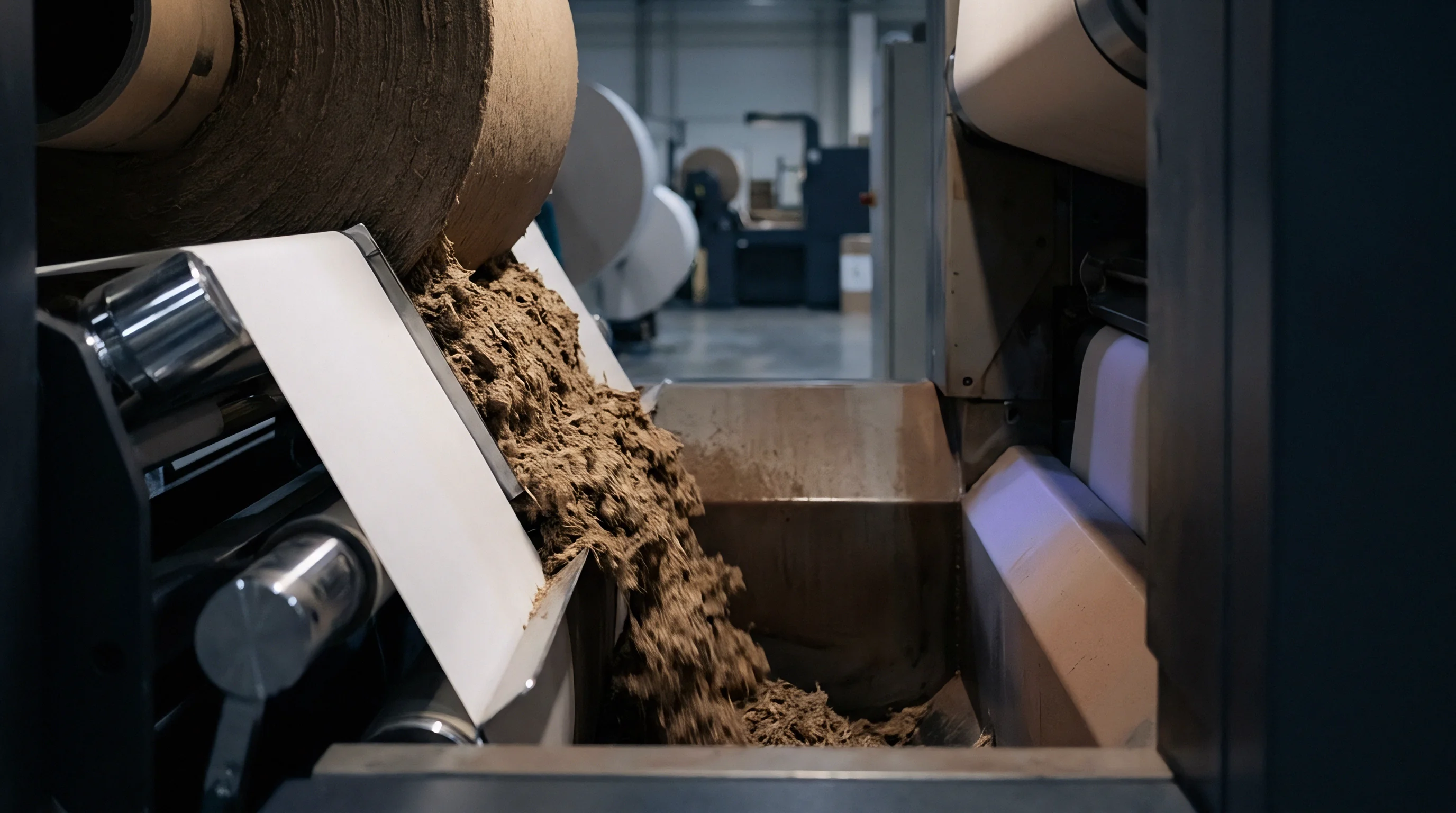
Recycled board grades carry wide variations in residual hydrocarbon concentrations depending on raw material sourcing and de-inking intensity. White lined chipboard (GD2 and GD3 grades) manufactured from mixed recovered paper streams shows volatile MOSH levels ranging from 100 to 400 mg/kg board. Folding boxboard (GC1 and GC2 grades) constructed with mechanical virgin pulp centers exhibits lower baseline contamination, yet remains susceptible to cross-contamination during storage when stacked adjacent to recycled reels.
De-inking removes heavy fractions. Grey centerboard retains oils.

De-Inking Efficiency and Residual Contaminant Profiles
Mechanical pulping of recovered newspapers leaves higher residual mineral oils than chemical de-inking of white office waste. Modern de-inking plants utilize flotation cells with surfactant chemistry to strip hydrophobic offset inks from cellulose fibers. Conventional flotation de-inking targets particulate ink pigments but fails to extract low molecular weight mineral oils absorbed deep into the cell wall matrix.
Steam stripping and vacuum thermal desorption during pulp drying reduce volatile hydrocarbon loadings by 30 to 50 percent, leaving substantial residual concentrations in the finished sheet.
Layer count delays transfer. Incorporating specialized sorbent additives directly into the wet end of the paper machine captures residual hydrocarbons within the fiber network. Activated carbon particles blended into middle plies bind non-polar volatile molecules, reducing gas-phase partial pressure without altering surface printing characteristics.

Is Virgin Fiber Top Liner Sufficient to Stop Gas Phase Diffusion?
Multi-ply cartonboards frequently incorporate a bleached virgin pulp top layer over a recycled grey center. Bleached chemical pulp offers smooth print surfaces and high brightness but presents an porous cellulose structure to volatile hydrocarbons. Non-polar gaseous compounds pass through virgin cellulose plies via inter-fiber pores, rendering a plain virgin top liner ineffective as a gas phase barrier over multi-week storage periods.
Thick virgin fiber layers slow hydrocarbon gas diffusion but fail to prevent equilibrium saturation over multi-month storage periods.
Preventing migration through virgin fiber structures requires applying continuous polymer coatings or internal functional liners. The plain virgin pulp layer serves solely as a aesthetic printing substrate rather than a chemical migration barrier.
- Extract representative 100 cm² circular swatches from five randomly selected rolls per mill production batch using an automated punch.
- Place test swatches into sealed glass headspace vials immediately after sampling to prevent loss of volatile C10 to C14 fractions.
- Spike internal standards including bicyclohexyl and cholestane into the extraction solvent prior to room temperature ultrasonic extraction for 60 minutes.
- Inject extracts directly into coupled LC-GC-FID systems to quantify MOSH and MOAH concentrations across defined carbon fraction windows.
- Reject entire batch lots whenever total MOAH content in the C10 to C24 volatility window exceeds 0.5 mg/kg board.
Mill declarations stating raw material composition provide insufficient legal defense without batch-specific migration test reports attached. Paper mills often argue that compliance rests entirely with packaging converters who choose the inner pouch material.


Liability
Regulatory exposure at international borders rests on the legal entity listed as importer of record on customs entries. Under European Union Regulation 1935/2004 Article 3, packaging materials must not transfer constituents to food in quantities that endanger human health or bring about an unacceptable change in food composition. National enforcement agencies in Germany, France, and Switzerland apply strict target thresholds to mineral oil components desorbing from recycled packaging, seizing non-compliant merchandise at port entry facilities.
Customs inspectors stop pallets. Uncertified imports face destruction.

Packaging Regulations and Food Contact Declarations
Declarations of compliance under Regulation 1935/2004 state the specific food categories and contact conditions cleared by test data. A vague compliance statement asserting general safety fails legal scrutiny during market surveillance audits. Declarations must identify whether the paperboard relies on a functional barrier to maintain compliance, specifying the exact barrier specifications required during converting operations.
Testing costs protect shipments. European member states enforce environmental claim directives that penalize deceptive packaging markings. Labeling a carton as fully recyclable while relying on non-recyclable multi-layer plastic laminates to control mineral oil migration triggers regulatory fines under unfair trade practice laws.

Recyclability Mandates Vs Chemical Purity Requirements
European directives forcing higher recycled content levels create operational tension with non-intentional substance limits in food packaging. The Packaging and Packaging Waste Regulation mandates minimum recycled content ratios while simultaneously demanding reduction of hazardous chemical substances in final packs. Converters face competing technical obligations: increasing recovered fiber usage elevates background mineral oil loads, forcing increased reliance on functional barriers that can impair standard paper repulping processes under EN 13430 standard test conditions.
| Jurisdiction | Governing Instrument | MOAH Limit in Food | MOSH Target Value | Mandatory Proof Instrument |
|---|---|---|---|---|
| Germany | Draft Mineral Oil Ordinance | 0.5 mg/kg (C10-C30) | 2.0 mg/kg (C10-C30) | Tenax migration test report (EN 14338) |
| France | AGEC Law (Decree 2020-1725) | Prohibited in printing inks | Restricted in paper inks | Ink formulation analysis and GC-MS spectrum |
| Switzerland | Swiss Ordinance SR 817.023.21 | 0.5 mg/kg (C10-C30) | Evaluated per toxicological risk | Annex 10 compliant substance declaration |
| European Union | Regulation 1935/2004 Art. 3 | Undetectable (Genotoxic) | Non-injurious threshold | Declaration of Compliance with migration data |
Defending against compliance enforcement actions requires maintaining an updated technical file containing raw material tracing documents, accredited migration test reports, and conversion process qualifications.
- Substrate composition statements declaring exact fiber ratios, de-inking processes, and wet-end additive formulations supplied directly by the paper mill.
- Analytical migration evidence incorporating Tenax gas-phase extraction reports generated under accredited EN ISO/IEC 17025 laboratory testing scope.
- Functional barrier validation demonstrating mathematically or experimentally that inner pouches or coatings maintain migration below regulatory ceilings across stated shelf life.
- Batch traceability records connecting finished carton conversion lots back to specific paperboard reel numbers and printing ink batch codes.
Packaging converters remain primary targets for regulatory enforcement when non-compliant recycled board enters food supply chains without functional barriers.
Legal liability clauses in supply contracts settle who pays when border authorities reject a shipment due to hydrocarbon migration. Incorporating a standard packaging warranty clause assigning regulatory compliance responsibility to the board converter shifts financial exposure for non-compliant migration back up the manufacturing chain.