Recycled Source
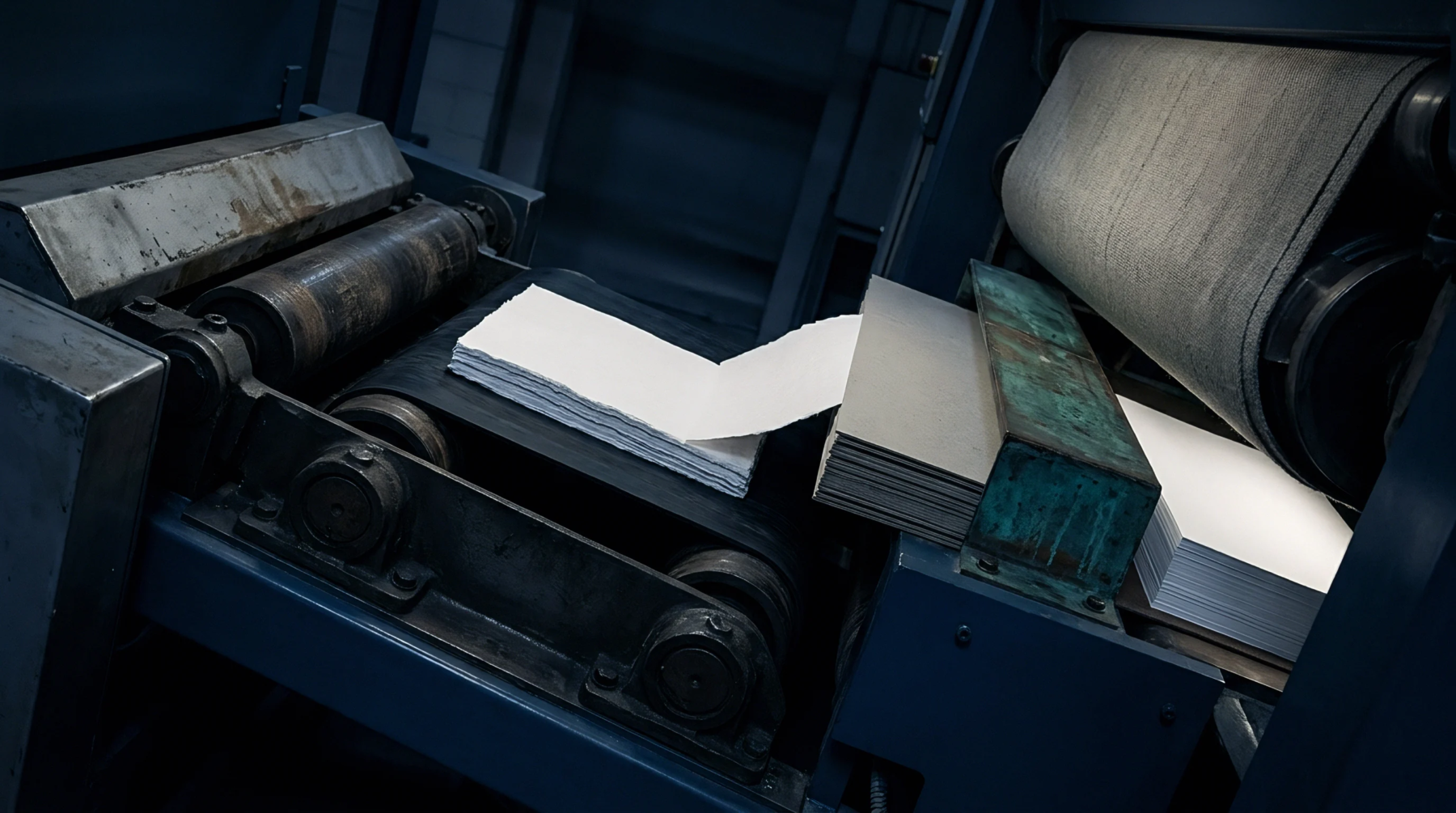
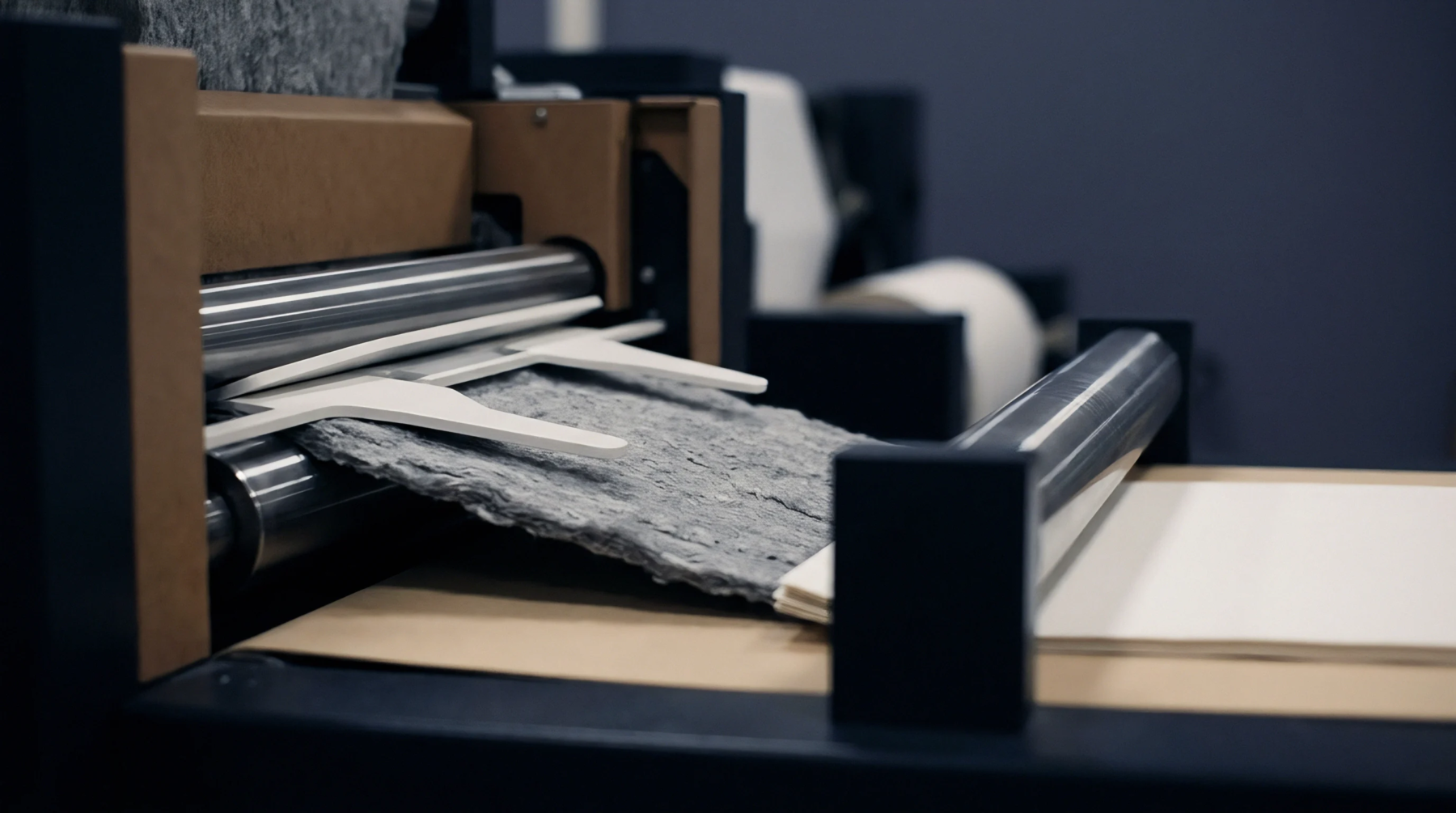
Paperboard manufacture uses a range of raw materials, dividing the supply between virgin wood pulp and fibers recovered from pre-consumer or post-consumer paper products. These recycled materials, called secondary fibers, must be cleaned, screened, and refined to make them suitable for new papermaking runs. Their use decreases the demand on fresh timber and reduces the landfill waste generated by discarded packaging.
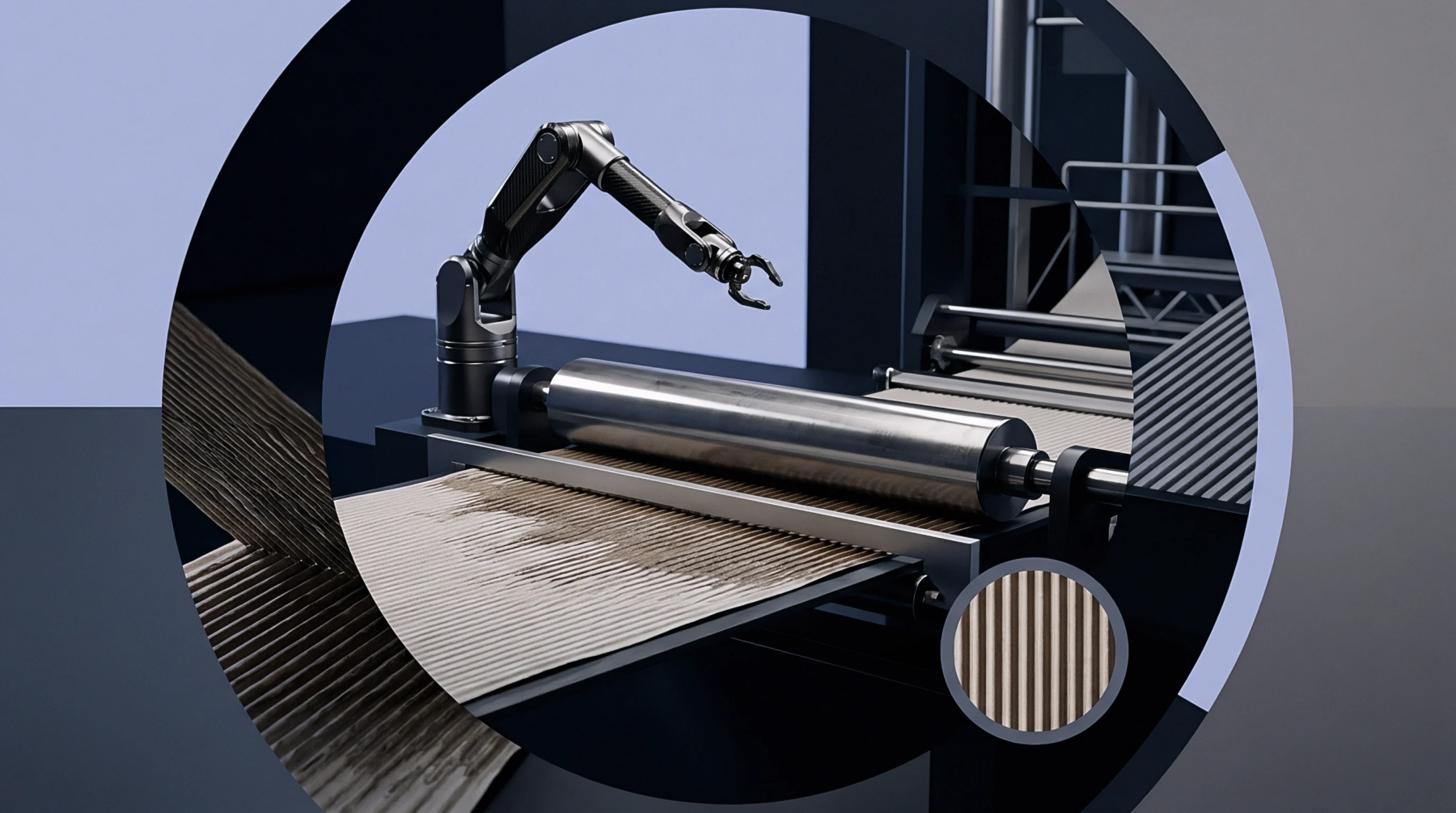
In many packaging grades, such as folding boxboard, these fibers make up the bulky center layer, which provides stiffness at a lower cost than virgin pulp.
Processing Method
Recovered paper must undergo extensive processing to remove inks, glues, and non-fibrous materials before use. During pulping, the secondary fibers are dispersed in water to create a slurry. Screens and centrifugal cleaners remove larger contaminants like plastics and staples.
Advanced washing removes the microscopic stickies that can cause web breaks on high-speed paper machines.
Material Limits
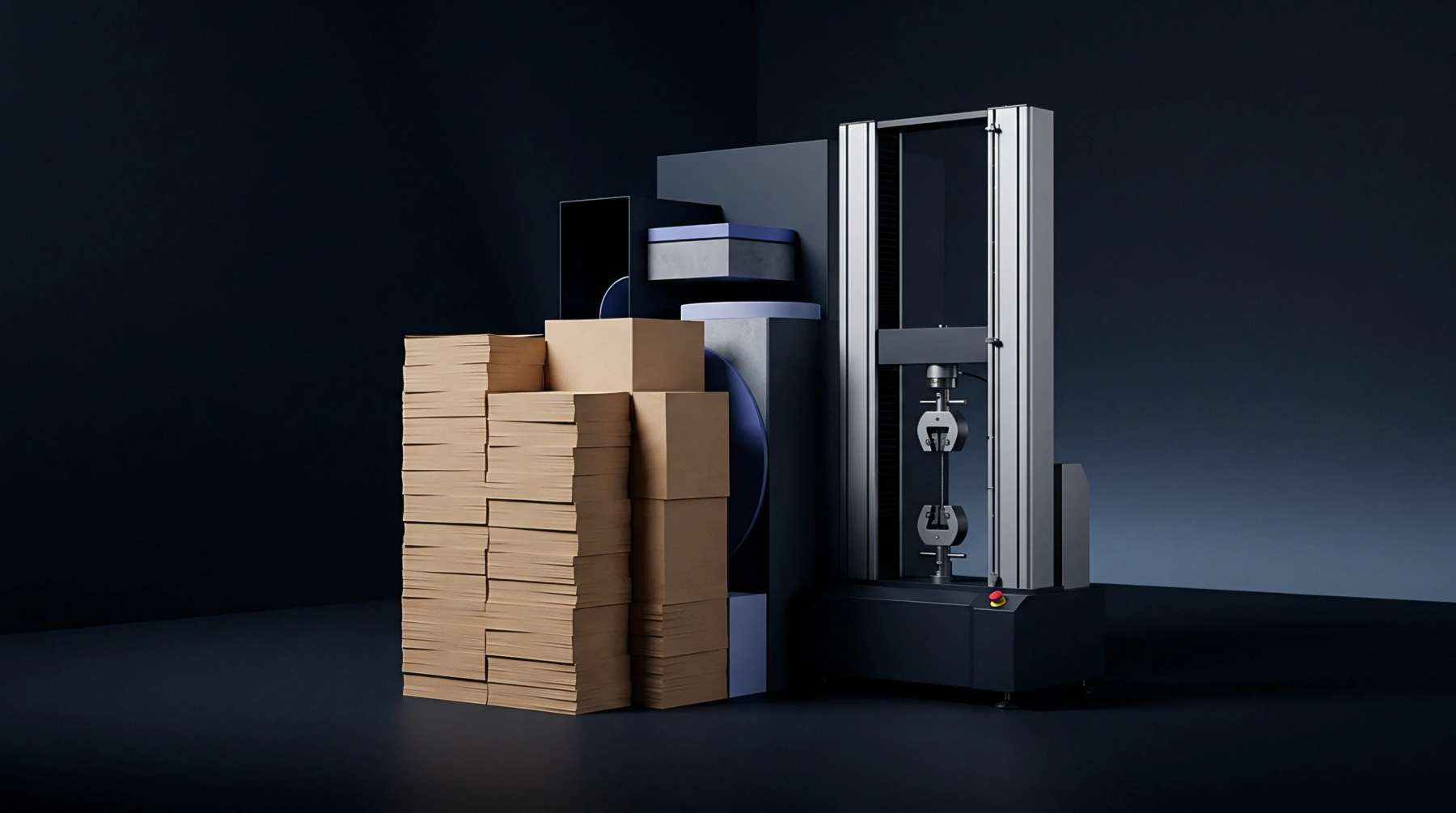
Each time the fibers are recycled, they become shorter and weaker because of the mechanical stresses of the process. Consequently, secondary fibers must be mixed with virgin pulp to maintain the tensile strength needed for printing and converting. This blend ensures the final board can survive the stresses of the packaging line.