
Pulp Kappa Calculation and Effective Alkali Consumption Balance in Digesters
Digester Kappa target compliance depends on balancing effective alkali consumption to prevent lignin reprecipitation while preserving structural cellulose strength.
Digester Kappa target compliance depends on balancing effective alkali consumption to prevent lignin reprecipitation while preserving structural cellulose strength.

Barrier paperboard compliance requires isolating coatings from cut-edge wicking, quantifying NIAS and fluorochemicals, and validating folded seams.

Dynamic microclimates accelerate viscoelastic interfacial fatigue in bio-dispersion coatings, requiring multiscale modeling and verified certificate scope limits to prevent barrier decay and ensure PPWR compliance.

Calculating microfibril sorption isotherms using GAB parameters determines monolayer moisture limits and predicts packaging barrier failure under tropical humidity.

Finite element models of mechano-sorptive creep predict corrugated container collapse in chilled transit by coupling transient moisture diffusion to orthotropic stiffness decay.

Microfibrillated cellulose barrier integrity relies on controlling moisture-induced plasticization through chemical crosslinking to pass EN 13430 recyclability audits.
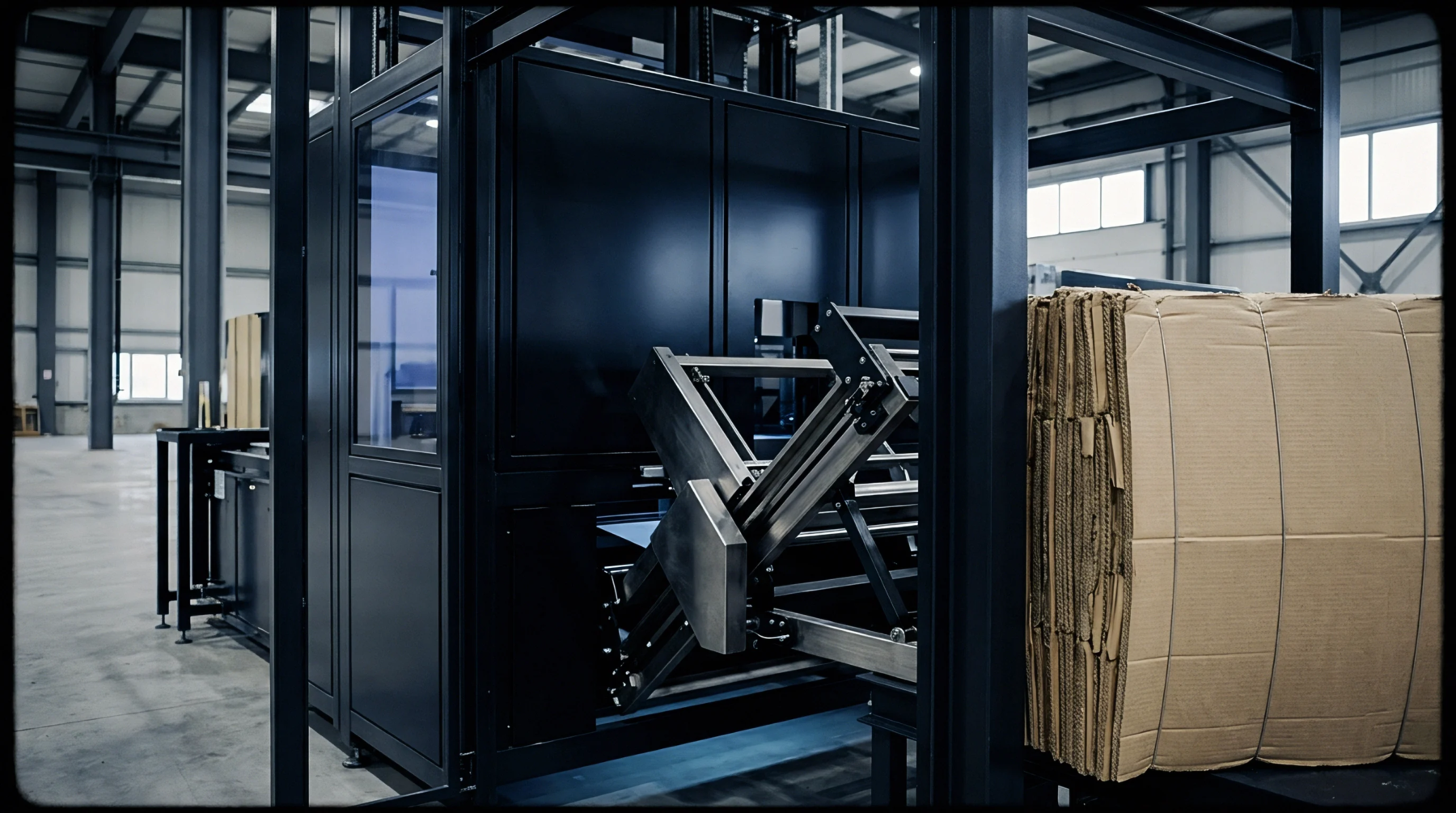
Primary creep kinetics in corrugated board accelerate exponentially above 75 percent relative humidity, requiring strict load safety factors under cyclic moisture.

Polycyclic aromatic hydrocarbon breakthrough across bio-based packaging barriers depends on polymer free volume, crystal structure, and temperature-driven Fickian transport kinetics.

Commercial contract baseline tolerances for hydrapulper residues settle price adjustments by comparing oven-dried sample masses against grade allowances.

Cross-border market pulp invoice adjustments require ISO 801 core sampling, bone-dry moisture testing, and contractually binding air-dry mass recalibration.

Integrating EUDR traceability into multi-site packaging ledgers requires linking physical paperboard reel batches to EU Traces geolocation references.

Nonlinear shell formulations integrating hygro-expansion and mechano-sorptive creep predict humidity-driven flute buckling to prevent packaging transit collapse.

Dynamic relative humidity profiles degrade paperboard box compression strength via mechano-sorptive creep, requiring cyclic chamber testing for specification safety.

GAB isotherm parameters determine microfibril moisture sorption capacity and establish precise water activity thresholds for barrier packaging compliance.

Mechano-sorptive creep rapidly weakens recycled packaging in fluctuating humidity, requiring explicit derating factors in compression design calculations.

Recycled containerboard loses up to 45% compression strength under constant 85% RH; specify ISO 2233 derated SCT metrics to prevent static stack collapse.

Statistical lot verification protects packaging buyers by tying standardized sample testing directly to batch acceptance quality limits and contract settlement terms.

Coupling non-linear moisture diffusivity with GAB sorption models provides accurate microfibril barrier shelf-life qualification under humid transport conditions.
EUDR geolocation mandates require plot-level spatial coordinates for virgin fiber while exempting recycled inputs, demanding mass-balance segregation at the vat.

Auditing food contact board certificates requires verifying laboratory test simulants, thermal parameters, and surface ratios against real package converting limits.
Dynamic relative humidity cycling drives exponential creep decay in corrugated board through mechano-sorptive bond cleavage, requiring dynamic safety factors.

Softwood kraft yield optimization relies on balanced alkali profile splits that prevent carbohydrate peeling while sustaining delignification.

Substrate selection fixes structural caliper, web trim yield, repulpability, and EPR eco-modulation fee tiers, governing net landed carton costs.
Expertise is a utility, not a secret. sentiention™ publishes its working knowledge as open reference: intelligence layer covering the materials it sources, the markets it enters, and the reference that serves both.