
Non-Fickian Moisture Transport Mechanics and Isosteric Heat Shifts in Recycled Cellulose Fibres
Hornification in recycled cellulose drives non-Fickian moisture diffusion and reduces binding enthalpy, lowering box compression under cyclic humidity.
Hornification in recycled cellulose drives non-Fickian moisture diffusion and reduces binding enthalpy, lowering box compression under cyclic humidity.
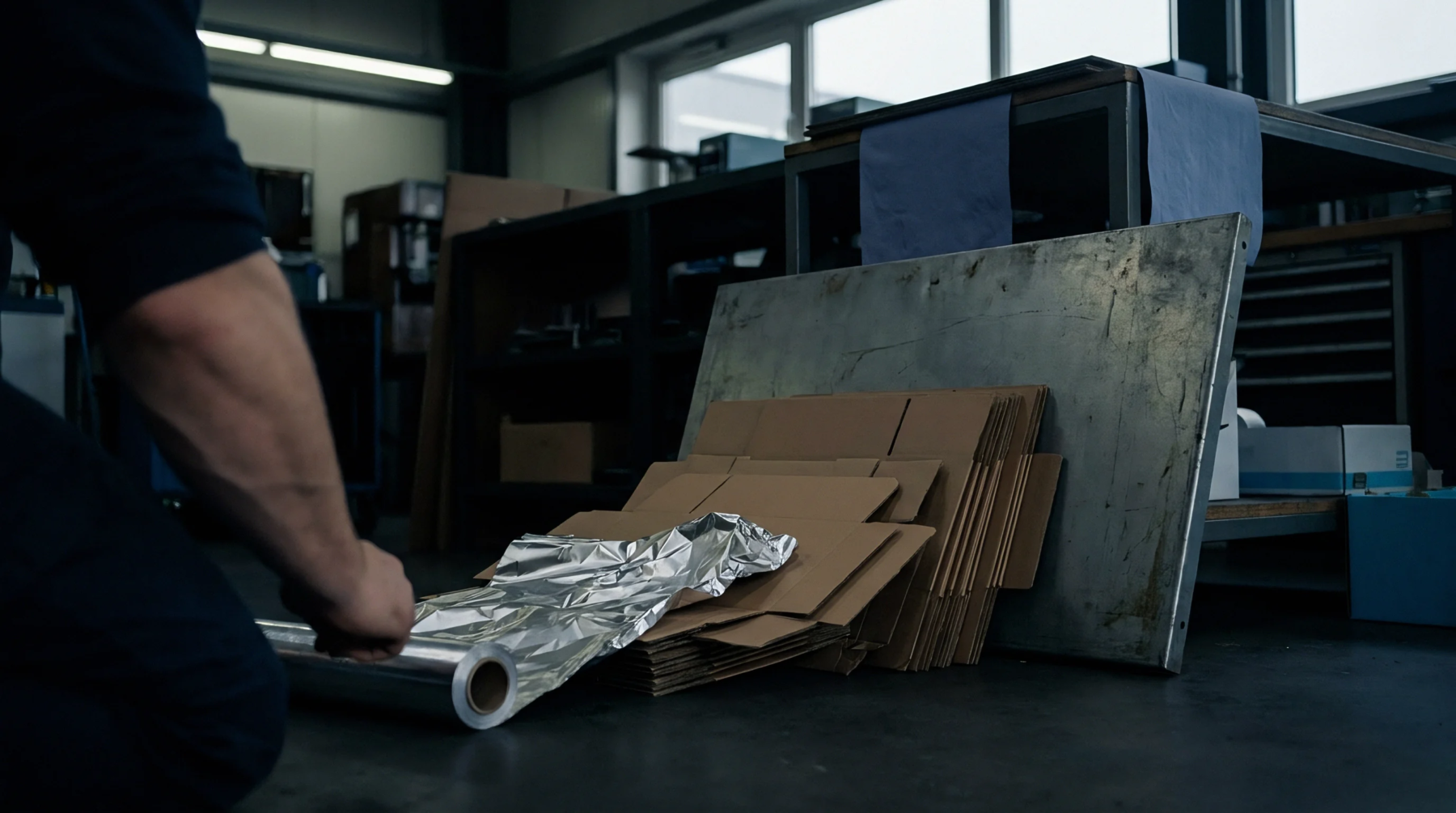
Dynamic vapor sorption kinetic modeling quantifies moisture diffusion rates and hysteresis in recycled testliner to prevent transit creep collapse.

Dynamic vapor sorption hysteresis modeling predicts real-world moisture barrier loss in microfibrillated cellulose under fluctuating humidity conditions.

Non-linear GAB parameter fitting determines bio-based fiber barrier moisture transport thresholds to prevent barrier collapse under high water activity conditions.

Calculating microfibril sorption isotherms using GAB parameters determines monolayer moisture limits and predicts packaging barrier failure under tropical humidity.
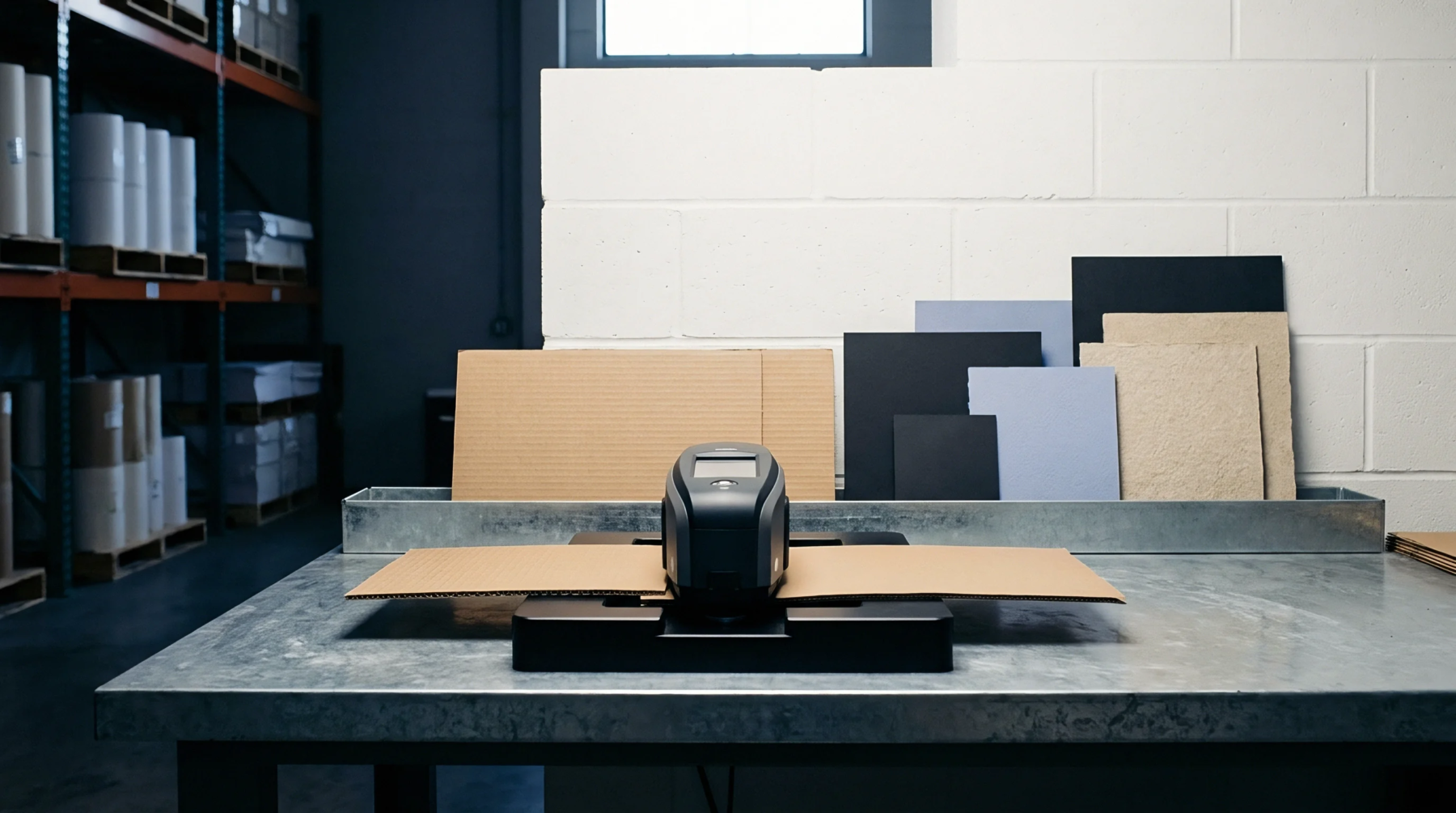
Dynamic moisture sorption across multi-wall plies causes rapid mechano-sorptive collapse that static lab tests fail to predict during humid freight transit.

Recycled corrugated mediums lose compressive strength rapidly under humid transit due to fiber hornification and capillary vapor sorption; standard Cobb tests fail to predict vapor creep.

Multiaxial creep models predict recycled containerboard collapse by integrating orthotropic mechano-sorptive strain under dynamic supply chain humidity dynamics.
The GAB model predicts moisture uptake and barrier failure in microfibrillated cellulose coatings, preventing gas ingress and customs rejection under humid transit.
Subzero equilibrium in recycled containerboard takes up to 35 days at -18C, shifting equilibrium moisture by 2.4% higher than virgin kraft grades.

Coupled moisture regain and stress relaxation in recycled containerboard cause rapid emboss relief loss and warp, requiring heated tooling and strict humidity bounds.

Calibrate inter-deck lamp irradiance to dynamic cross-direction desiccation curves, preventing register wander across recycled plies without slowing web speed.
Irreversible microfibril swelling under cyclic humidity generates microvoids, permanently multiplying barrier permeability and invalidating static test claims.

Dynamic vapor sorption parameterization identifies the water activity threshold where microfibril coatings swell, plasticize, and forfeit barrier performance.
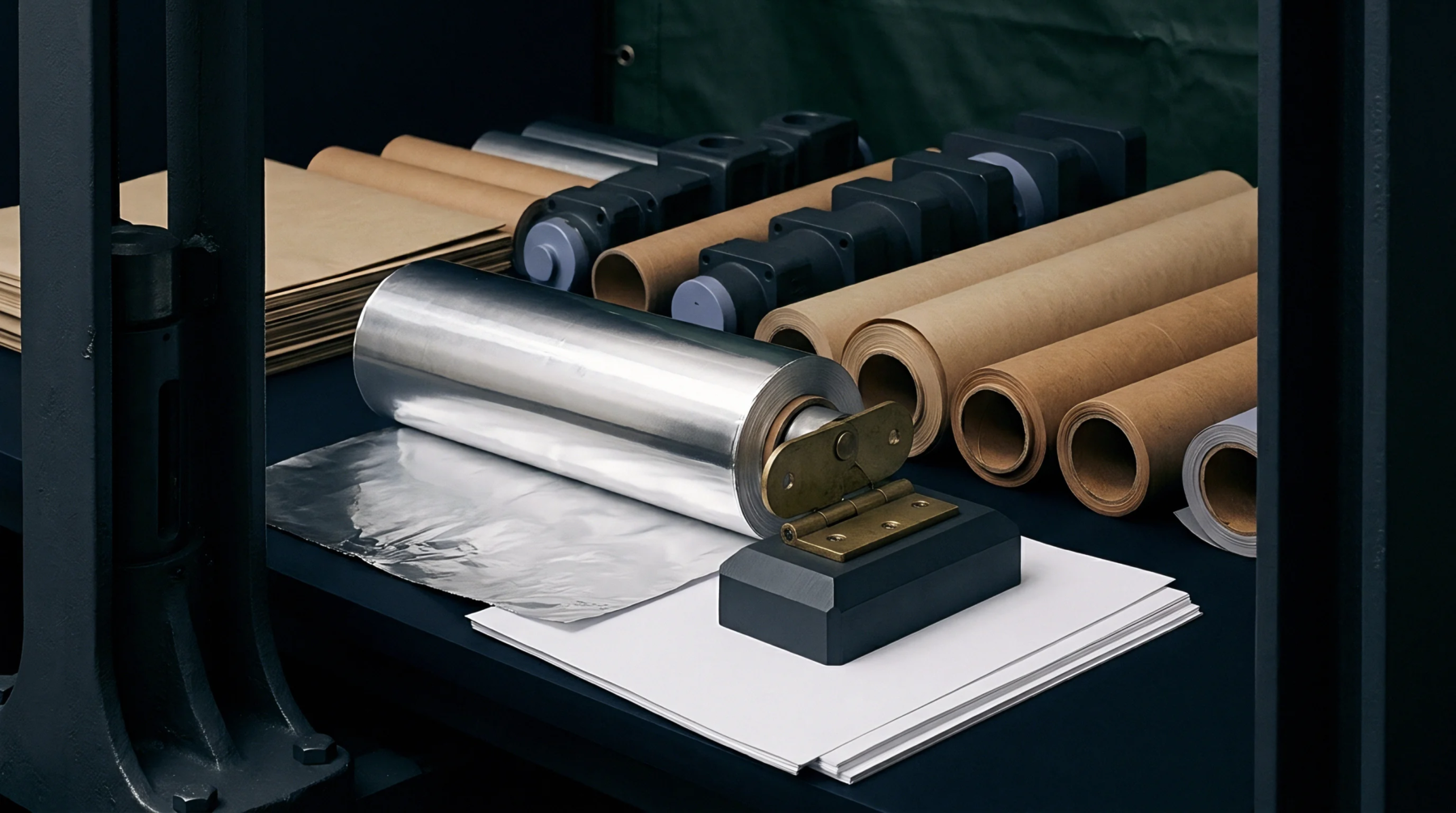
Dynamic vapor sorption isotherm fitting verifies microfibrillated cellulose barrier performance by quantifying moisture-induced plasticization limits.
Recycled containerboard exhibits accelerated transient moisture diffusion and mechano-sorptive creep, causing rapid box collapse under cyclic humidity.
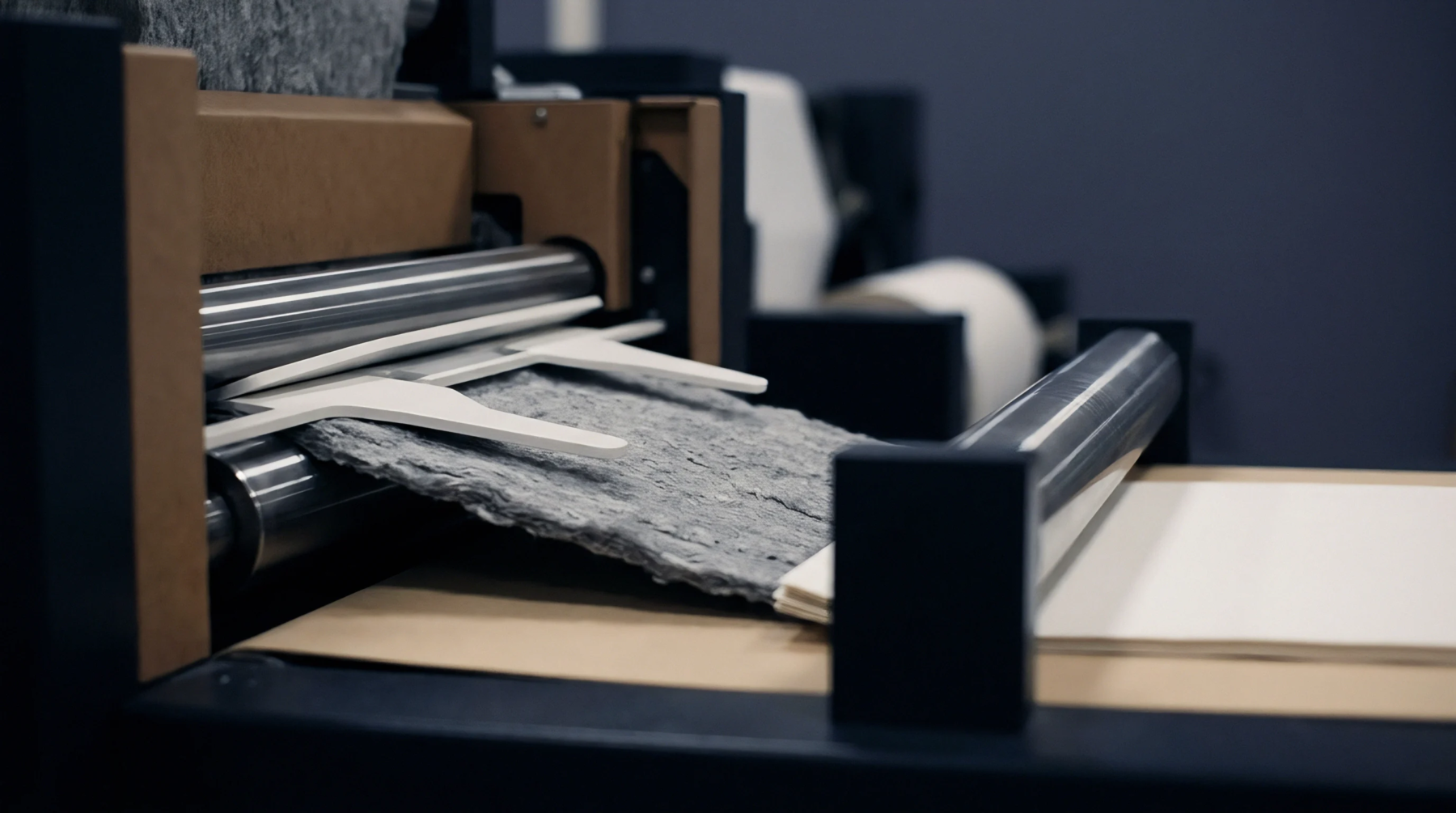
Dynamic moisture sorption in recycled containerboard accelerates mechanosorptive creep, requiring higher safety factors than virgin stock under cyclic relative humidity.
Controlling moisture sorption and anisotropic hygroexpansion requires tight warehouse humidity regulation to prevent converting misregistration and warp defect losses.
Dynamic humidity cycling lowers bio-barrier interfacial shear energy, triggering delamination, barrier failure, and costly non-compliance at customs borders.
Recycled packaging substrates exhibit non-Fickian moisture uptake and severe hysteresis, reducing compressive strength by over 20 percent under cyclic humidity.

GAB isotherm parameters determine microfibril moisture sorption capacity and establish precise water activity thresholds for barrier packaging compliance.

High moisture multi-pass converting requires sizing CD modulus retention above 45 percent at 12 percent web moisture to prevent strain-induced register loss.
Coupling non-linear moisture diffusivity with GAB sorption models provides accurate microfibril barrier shelf-life qualification under humid transport conditions.
Crosslinked microfibril barrier qualification requires dynamic vapor sorption fitting to prove moisture resistance and verify regulatory compliance.
Dynamic vapor sorption in recycled barrier substrates triggers localized interfibrillar swelling stresses that disrupt coating integrity under humidity transients.

GAB isotherm modeling parameterizes microfibril monolayer saturation, identifying plasticization thresholds to qualify moisture barrier paperboard under PPWR and food contact rules.

Microfibril moisture binding follows GAB sorption kinetics where mesopore condensation above M0 plasticizes fiber networks, requiring crosslinking to preserve barriers.
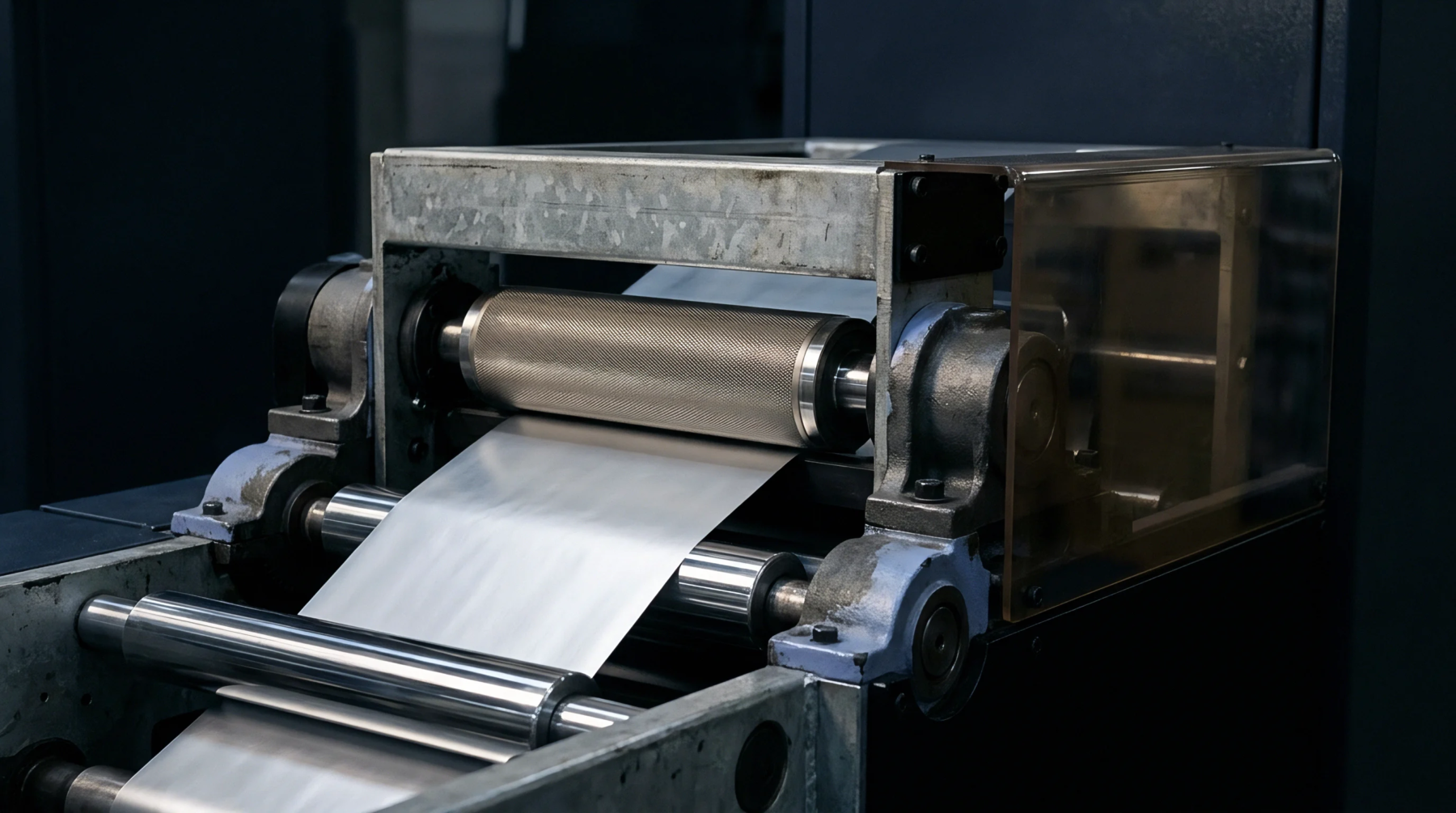
Dynamic moisture sorption degrades cellulosic packaging strength through mechano-sorptive creep, requiring GAB equilibrium mapping and transit humidity verification.

Dynamic moisture sorption hysteresis accelerates mechano-sorptive creep failure in corrugated boxes during transit under cyclic relative humidity conditions.
Expertise is a utility, not a secret. sentiention™ publishes its working knowledge as open reference: intelligence layer covering the materials it sources, the markets it enters, and the reference that serves both.