Quantifying Dynamic Bending Moments and Vacuum Permeance Limits across Recycled Board Feeder Operations
Dynamic bending moments and vacuum permeance limits dictate feeder acceleration bounds and suction flow rates on recycled cartonboard conversion lines.

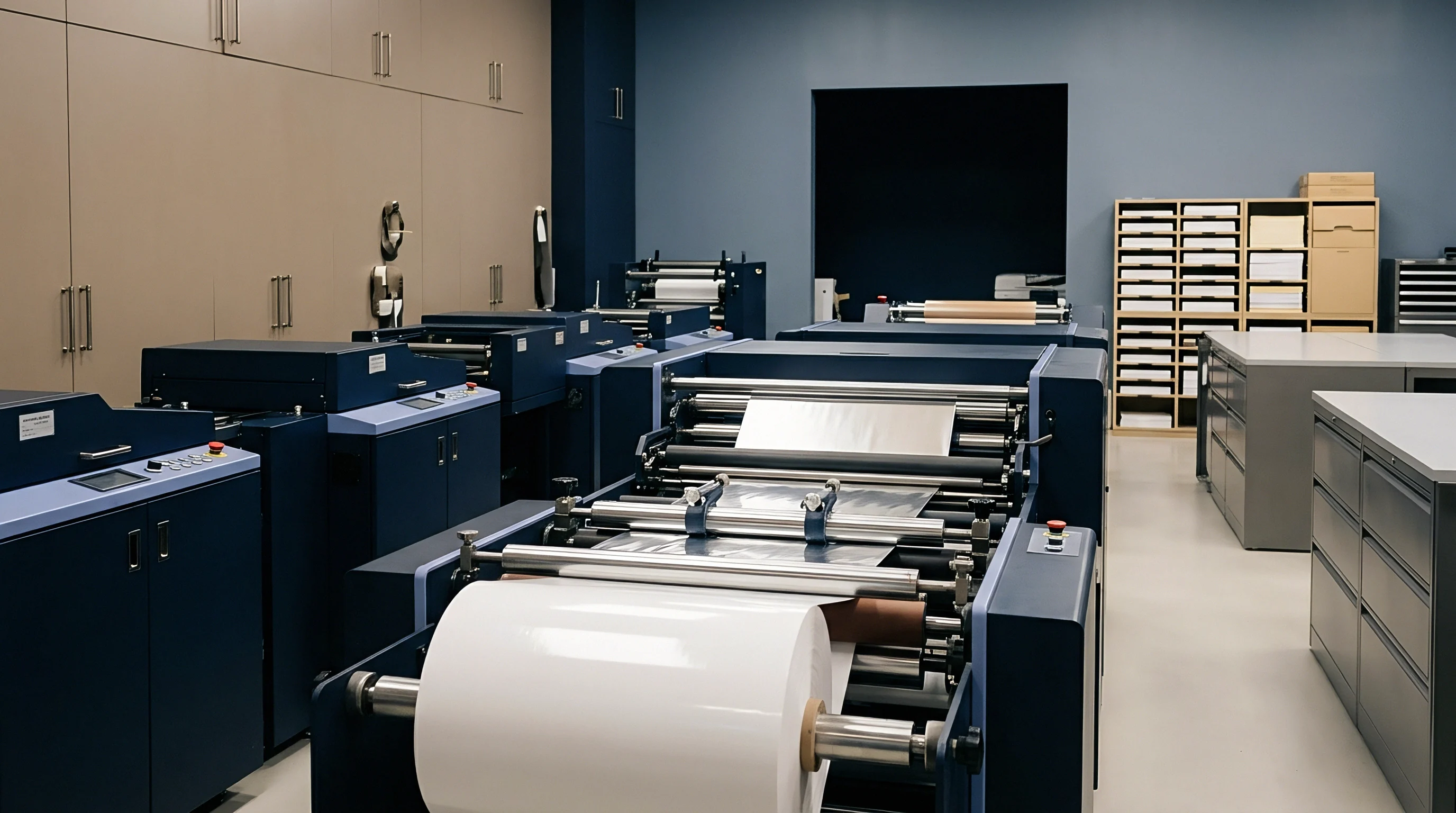
Draft
Atmospheric air differential across a suction cup creates the holding force required to elevate folded boxboard from a feeder stack. High-speed folding carton converting machinery relies on vacuum pickup heads that pull sheets off the pile at speeds up to 18,000 sheets per hour. On recycled substrates, including Grey Chipboard (GD2), Folding Boxboard with recycled back (GT2), and Uncoated Recycled Board (URB), air permeance across the sheet z-direction interferes with vacuum retention.
Cellulose fibers undergo mechanical breakdown and length reduction during successive recycling cycles. Shortened fibers form a dense yet highly porous porous matrix with high void fraction distributions. When a vacuum suction bar engages the top sheet, atmospheric pressure drives air through the porous backing liner.
This air bypass causes localized pressure drops within the vacuum manifold, reducing net suction lift force.
Recycled paperboard contains shortened cellulose strands and variable ash filler fractions that alter void fraction distributions within the internal sheet structure. Air permeance, measured as Gurley resistance (ISO 5636-5) or Bendtsen porosity (ISO 5636-3), quantifies the volumetric flow rate of air passing through a given substrate area under standard pressure differentials. Uncoated recycled liners exhibit Gurley resistance values as low as 6 to 12 seconds per 100 millilitres.
Virgin solid bleached sulphate board routinely exceeds 45 seconds per 100 millilitres. Air slips past micro-grooves. High permeance allows vacuum pump airflow capacity to bleed directly through the board caliper during the initial contact dwell time, which typically spans 15 to 35 milliseconds.
If air filtration through the sheet z-direction exceeds the volumetric displacement capacity of the vacuum blower, negative pressure collapses from a target operating level of minus 70 kilopascals to less than minus 35 kilopascals.
Gurley air resistance values below 12 seconds per 100 millilitres under ISO 5636-5 testing cause rapid vacuum decay at suction pressures exceeding minus 60 kilopascals.
Suction heads operating on porous un-coated backing liners pull substantial atmospheric volumes directly through the z-direction caliper of the board. The volumetric loss rate scales directly with surface area, applied differential pressure, and substrate air permeance according to Darcy’s law for flow through porous media. Un-calendered backing liners aggravate flow losses through surface asperities.
Topography variations create micro-channels between the elastomeric vacuum cup seal and the sheet surface. This dual leakage mode, consisting of z-direction permeance through the fiber mat combined with transverse boundary leakage across the contact surface, drains system vacuum capacity.
Feeder pick failures manifest as misfeeds, double-sheet feeding, or delayed registration along the feed table. The operational impacts of air permeance and structural variations appear in specific machine performance modes during high-speed production runs.
- Volumetric Vacuum Decay Rapid airflow through porous backing liners lowers manifold vacuum, causing partial sheet pickup or drop-off during vertical elevation.
- Boundary Air Leakage Coarse surface profiles on un-milled recycled backings prevent elastomeric suction cups from forming complete peripheral seals, accelerating negative pressure collapse.
- Double Sheet Entrapment High vacuum air volume pulled through porous top board layers creates suction forces on underlying sheets within the stack, pulling secondary blanks into the feeder nip.
- Transverse Sheet Slip Insufficient net holding force during initial horizontal acceleration causes the board blank to lag behind feeder timing belts, leading to front-mark register errors.
Mill technical support representatives frequently attribute feeder vacuum collapse to ambient factory humidity swings rather than baseline porosity fluctuations across recycled fibre batches.

Flexure
Rapid vertical acceleration of a vacuum suction bar generates inertial downward forces along the overhang margins of a cartonboard blank. Recycled board grades display lower Taber bending stiffness (ISO 2493) per unit basis weight compared to virgin fiber substrates. Fiber shortening and degraded inter-fiber bonding lower elastic modulus values in both machine direction and cross direction.
When the feeder suction bar lifts a 500-micrometre GD2 sheet at accelerations exceeding 45 metres per second squared, the unsupported sheet overhangs deform downward under gravitational mass and acceleration inertia. This deformation induces dynamic bending moments along the axis of the vacuum cups.
Sheet deflection during high-speed feeder lift induces internal transverse loads between the multiply layers of recycled boxboard. Dynamic bending moments concentrate stress along the boundary where suction cup edges clamp the board surface. The bending moment scales with sheet overhang length squared and peak vertical acceleration.
Stiff boards resist flexure, maintaining a flat horizontal profile that moves cleanly over stack air knives. Floppy, low-stiffness recycled board bends downward, forming a concave profile. Board caliper defines stiffness.
Flexure changes the angle of contact at the vacuum cup lip, introducing peel stresses along the elastomeric seal line. Deflection breaks edge seals.
Higher recycled fibre content lowers internal ply bond strength while increasing sheet surface roughness across un-calendered backing liners.
Secondary fibre furnishes exhibit reduced z-directional tensile strength when compared to virgin bleached softwood pulp substrates. Recycled board multiply structures, produced on multi-former paper machines, feature distinct top liner, under liner, filler plies, and back liner layers. The internal bond strength, evaluated via Scott Bond testing (TAPPI T 569), drops in recycled filler plies containing high concentrations of mixed waste paper and mechanical pulp fines.
Severe dynamic flexure during feeder pickup generates transverse shear stresses across internal ply interfaces. Inter-ply shear causes separation. When dynamic shear stresses exceed the Scott Bond strength of the recycled core plies, internal delamination occurs.
Delaminated sheets lose structural integrity before entering the crease and die-cutting stations.
| Board Grade | Caliper (µm) | Grammage (g/m²) | Taber Bending Stiffness 15° MD (mN·m) | Taber Bending Stiffness 15° CD (mN·m) | Max Permissible Acceleration (m/s²) |
|---|---|---|---|---|---|
| GD2 Coated Recycled | 350 | 280 | 11.5 | 5.2 | 58.0 |
| GD2 Coated Recycled | 450 | 350 | 22.0 | 9.8 | 44.0 |
| GT2 White Lined Chip | 500 | 390 | 31.0 | 13.5 | 38.0 |
| CRB Uncoated Back | 600 | 440 | 46.0 | 20.1 | 32.0 |
| URB Uncoated Recycled | 700 | 520 | 68.0 | 29.5 | 25.0 |
Substrate selection and machine calibration demand systematic verification to avoid mechanical failure during feeder operation. The decision steps below define parameters for running high-porosity, low-stiffness recycled cartonboard.
- Stiffness Ratio Verification Measure cross-direction Taber stiffness to ensure the board maintains structural support across maximum feeder cup spans.
- Scott Bond Evaluation Require minimum internal bond strength values of 120 Joules per square metre on recycled furnishes to prevent dynamic ply separation during lift acceleration.
- Suction Bar Span Calibration Adjust cup lateral positions to shorten unsupported sheet overhang lengths, keeping maximum bending moments below the material yield limit.
- Air Knife Pressure Alignment Balance side and rear separation blowers to float the top sheet without inducing flutter or bowing prior to cup engagement.
Excessive dynamic flexure during suction pickup causes edge collision, sheet jam sequences, and catastrophic conversion line downtime that inflates waste scrap costs across multi-thousand unit press runs.
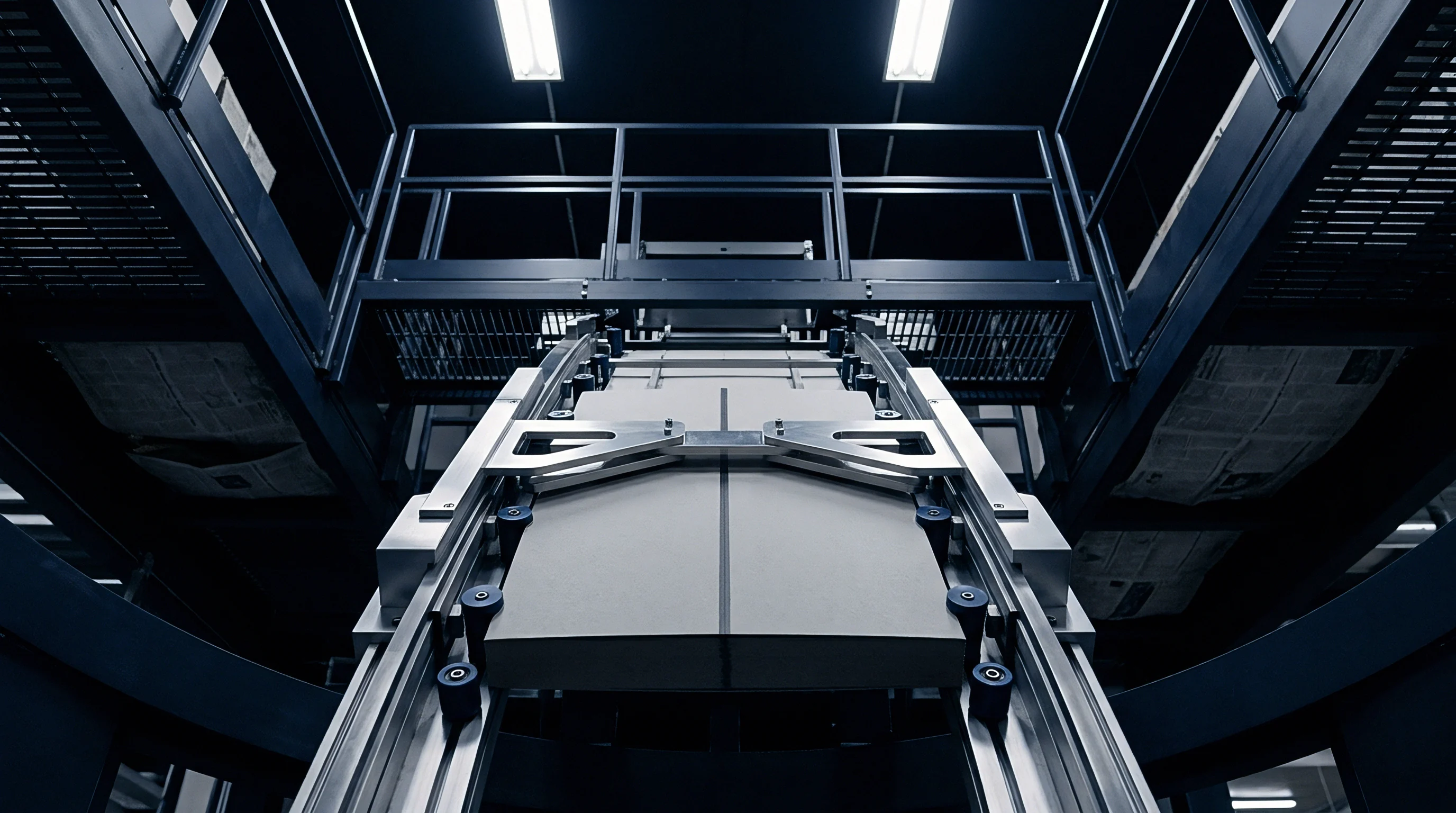

Grip
Vacuum cup elastomeric lips create an airtight seal against uneven substrate profiles to maintain hold during lateral transport. The physical interaction between the vacuum cup lip material and the recycled board backing liner governs mechanical holding capacity. Standard industrial vacuum cups feature nitrile rubber or polyurethane formulations with durometers ranging from 40 to 60 Shore A. Harder elastomers resist mechanical wear but fail to conform to surface topography variations on coarse, un-milled recycled backings.
Soft elastomers conform readily to surface roughness, but deform under high vacuum pressures, collapsing the internal vacuum cavity volume. Suction cups pull top sheets.
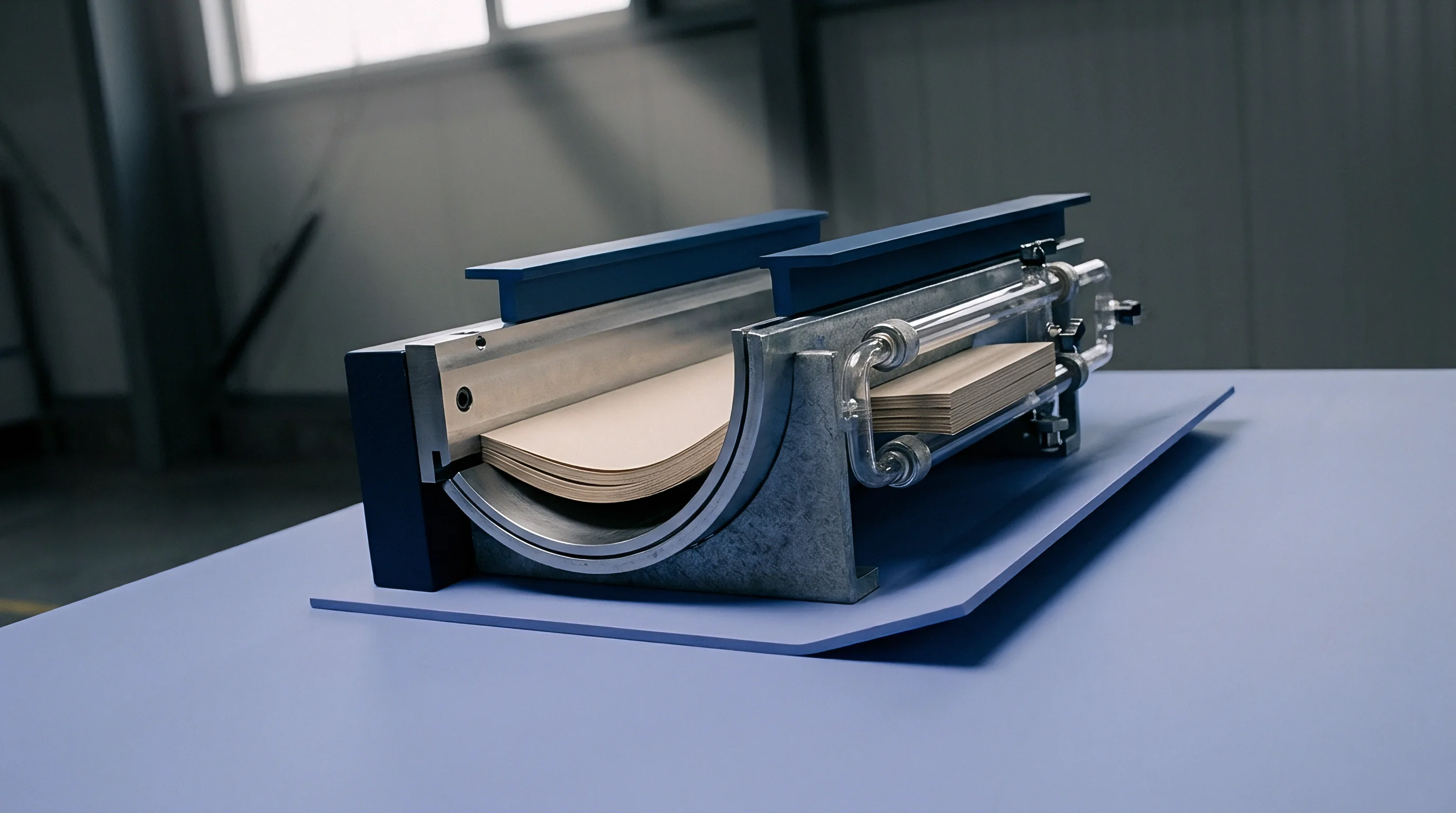
How Does Boundary Leakage Restrict Sucking Capacity?
Topography irregularities on un-calendered recycled liners prevent complete elastomeric conformity beneath the suction cup sealing edge. Sheffield or Bendtsen roughness testing reveals surface height variations up to 15 micrometres on recycled backing liners, compared to less than 2.5 micrometres on calendered clay-coated top surfaces. Surface roughness bleeds vacuum.
As atmospheric air slips through microscopic voids under the cup lip, total flow demands rise rapidly. Vacuum pump capacity must compensate for both boundary leakage across the seal ring and z-direction air filtration through the sheet matrix.
ISO 187 testing specifications mandate substrate conditioning at 23 degrees Celsius and 50 percent relative humidity prior to dynamic bending resistance measurement.
Flexible silicone and polyurethane suction fittings adapt to surface roughness variations while resisting structural collapse under high negative pressure differentials. Multi-bellows cup designs accommodate sheet height variations and angular deflection resulting from dynamic bending moments. Bellows compression provides an initial mechanical damping effect during vertical pickup acceleration.
Correct setup requires precise alignment of suction bar height, bellows compression distance, and blow-off timing.
Calibrating feeder suction bars for recycled board operations follows a structured sequential approach on the converting floor.
- Inspect suction cup lip surfaces for mechanical wear, localized tearing, or paper dust accumulation that compromises sealing integrity.
- Adjust suction head vertical height until cup lips achieve 2.5 millimetres of axial bellows compression against the top sheet of the stack.
- Set primary vacuum manifold pressure to minus 65 kilopascals with feeder suction blowers running at nominal operating speed.
- Align side air knife blowers to introduce a uniform air cushion beneath the top three sheets, verifying sheet separation without web flutter.
- Regulate rear stack separator vacuum cups to lift the trailing edge 5 millimetres above the pile, preventing physical contact with underlying blanks.
- Run a ten-sheet slow-speed test pass to verify that suction vacuum gauges remain stable during vertical pickup and transfer strokes.
Commercial supply agreements incorporating ISO 187 conditioning compliance clauses protect buyers by establishing actionable rejection thresholds when substrate porosity variation causes suction cup seal failure on press feeders.

Matrix
Operational boundaries for sheet feeding rely on balancing vacuum volumetric displacement against substrate bending resistance. To demonstrate this dynamic balance, consider a worked engineering construction. Assume a feeder handling a 450-micrometre GD2 coated recycled board sheet measuring 700 by 1000 millimetres with a basis weight of 350 grams per square metre.
The feeder operates at 12,000 sheets per hour, corresponding to a cycle time of 300 milliseconds per sheet. The vertical lift phase takes place within 25 milliseconds over a vertical stroke distance of 20 millimetres under constant acceleration.
Dynamic lift force scales non-linearly with feed mechanism velocity during the initial vertical separation stroke. The mass of a single sheet equals 0.245 kilograms. Acceleration during the lift phase reaches 64 metres per second squared, calculated from the kinematic motion equation for constant acceleration over the specified distance and time frame.
Inertial lift force equals sheet mass multiplied by the sum of gravitational acceleration and vertical feeder acceleration. This yields a dynamic vertical inertial force of 18.18 Newtons across the total sheet area. Inertial loads multiply fast.
The unsupported overhang extends 250 millimetres beyond the outermost suction cup line. The resulting dynamic bending moment along the cup axis equals 2.27 Newton-metres per metre of sheet width.
Board thickness variations between 300 and 800 micrometres alter air filtration rates across the vacuum pickup manifold. The board exhibits a Gurley air resistance of 14 seconds per 100 millilitres. Under a vacuum pressure of minus 60 kilopascals, z-direction air permeance produces a volumetric flow loss of 0.42 litres per second per cup contact area.
With six suction cups active on the pickup bar, total matrix air filtration reaches 2.52 litres per second. Boundary leakage across the rough recycled backing liner adds an estimated 0.18 litres per second per cup, bringing total vacuum air displacement to 3.60 litres per second (216 litres per minute). Vacuum pump volume limits dictate whether system suction drops below operational thresholds.
If the vacuum pump capacity falls below 300 litres per minute at minus 60 kilopascals, negative manifold pressure collapses, causing sheet drop-off.
| Gurley Air Resistance (s/100 mL) | Bendtsen Porosity (mL/min) | Top/Back Liner Permeance Ratio | Cup Boundary Air Leakage (L/min) | Min Vacuum Pressure (-kPa) | Max Feeder Velocity (sheets/hr) |
|---|---|---|---|---|---|
| Low Porosity (> 40s) | 120 | 1.2 | 2.1 | -72 | 16,500 |
| Standard GD2 (20-40s) | 280 | 2.4 | 4.5 | -65 | 14,000 |
| High Porosity URB (10-20s) | 650 | 4.8 | 8.2 | -52 | 11,000 |
| Extreme Porosity (< 10s) | 1400 | 9.6 | 14.8 | -38 | 7,500 |
| Test conditioning conducted per ISO 187 (23°C, 50% Relative Humidity). Permeance values measured according to ISO 5636-5 and ISO 5636-3. Values reflect un-milled recycled backing liners. | |||||
Precise material specifications protect converting plant efficiency. Technical documentation accompanying board deliveries must confirm physical parameters affecting feeder performance.
- Air Resistance Certificates Documented Gurley values (ISO 5636-5) across mill reels ensuring air permeance remains within negotiated machine thresholds.
- Bending Stiffness Reports Taber 15-degree longitudinal and transverse stiffness figures (ISO 2493) confirming structural resistance to dynamic flexure.
- Caliper Uniformity Data Cross-web caliper profiles demonstrating thickness variations under plus or minus 3 percent of nominal target gauge.
- Surface Roughness Metrics Bendtsen or Parker Print Surf roughness values for back liners establishing vacuum cup sealing parameters.
Unresolved operational questions remain regarding whether real-time optical displacement sensors can dynamically adjust suction pressure fast enough to compensate for board caliper drift across high-speed feeder runs.
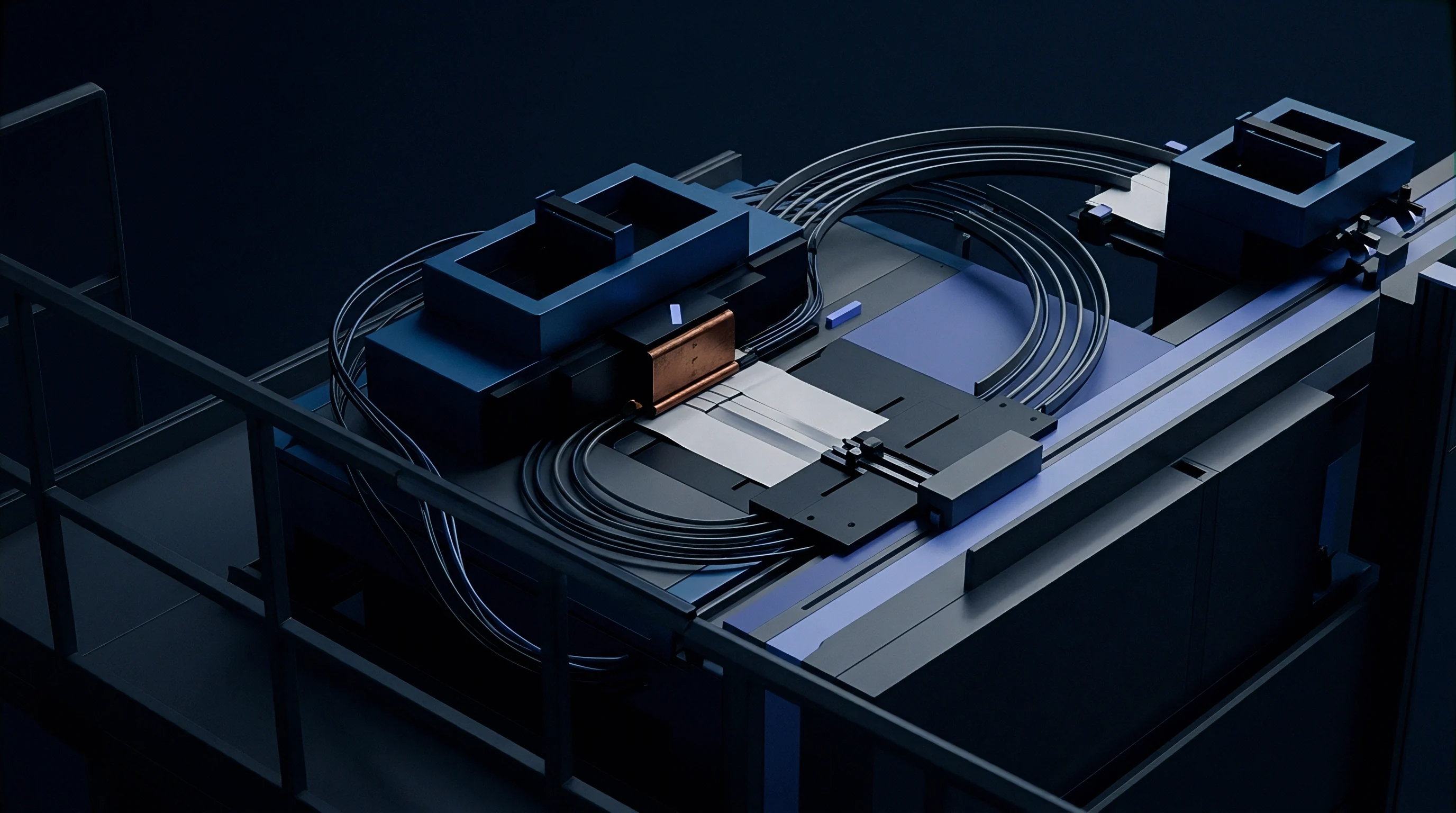
Pallet
Inbound goods inspection verifies that delivered sheet lots maintain technical stiffness and porosity limits required for high-speed folding carton conversion. Stock variation between mill shipments represents a primary cause of unexpected press downtime. A recycled board lot that meets grammage targets may fail on feeder lines if pulp refining variations lower sheet stiffness or increase air permeability.
A sheet of paperboard delivered to the converting floor carries physical properties established during wet-end furnish blending and pressing. Mill certification sheets report average figures, but feeder pickup heads experience local minimums across individual reams.
Laboratory reports accompanying board shipments report Taber stiffness values and Bendtsen roughness measurements under standardized testing conditions. Receiving inspections require taking ream samples across top, middle, and bottom pallet positions. Testing air permeance and board caliper on goods-in samples identifies porous batches before stock reaches the press feeder.
Porous liners bleed volumetric flow. When testing reveals Gurley porosity dropping below 12 seconds per 100 millilitres on GD2 grades, press operators adjust feeder suction timing and lower machine acceleration before launching high-speed runs.
Rapid pickup bar acceleration pulls recycled cartonboard sheets into concave transverse deflection before complete rear air knife separation occurs.
Lower grammage recycled grades yield more box blanks per metric tonne while increasing sensitivity to feeder misfeeds and sheet deformation. Sourcing decisions balance unit sheet cost against press operational window width. Purchasing a 380-micrometre board instead of a 450-micrometre sheet reduces raw material tonnage expense by 15 percent per unit area.
However, the thinner substrate lowers Taber stiffness by approximately 40 percent. The resulting dynamic flexure forces press operators to reduce feeder line speeds from 14,000 to 10,000 sheets per hour to prevent sheet jam sequences. The net loss in converting throughput often exceeds the upfront raw material cost saving.
Selecting a heavier board caliper with higher stiffness provides reliable running margin on feeder pick mechanisms when converting heavily recycled grades with porous back liners.