
Laboratory Testing Protocols for Recycled Paperboard Chemical Compliance
Recycled paperboard chemical compliance demands specific migration testing via Tenax and LC-GC-FID to quantify MOSH MOAH transfer before signing declarations.
Recycled paperboard chemical compliance demands specific migration testing via Tenax and LC-GC-FID to quantify MOSH MOAH transfer before signing declarations.
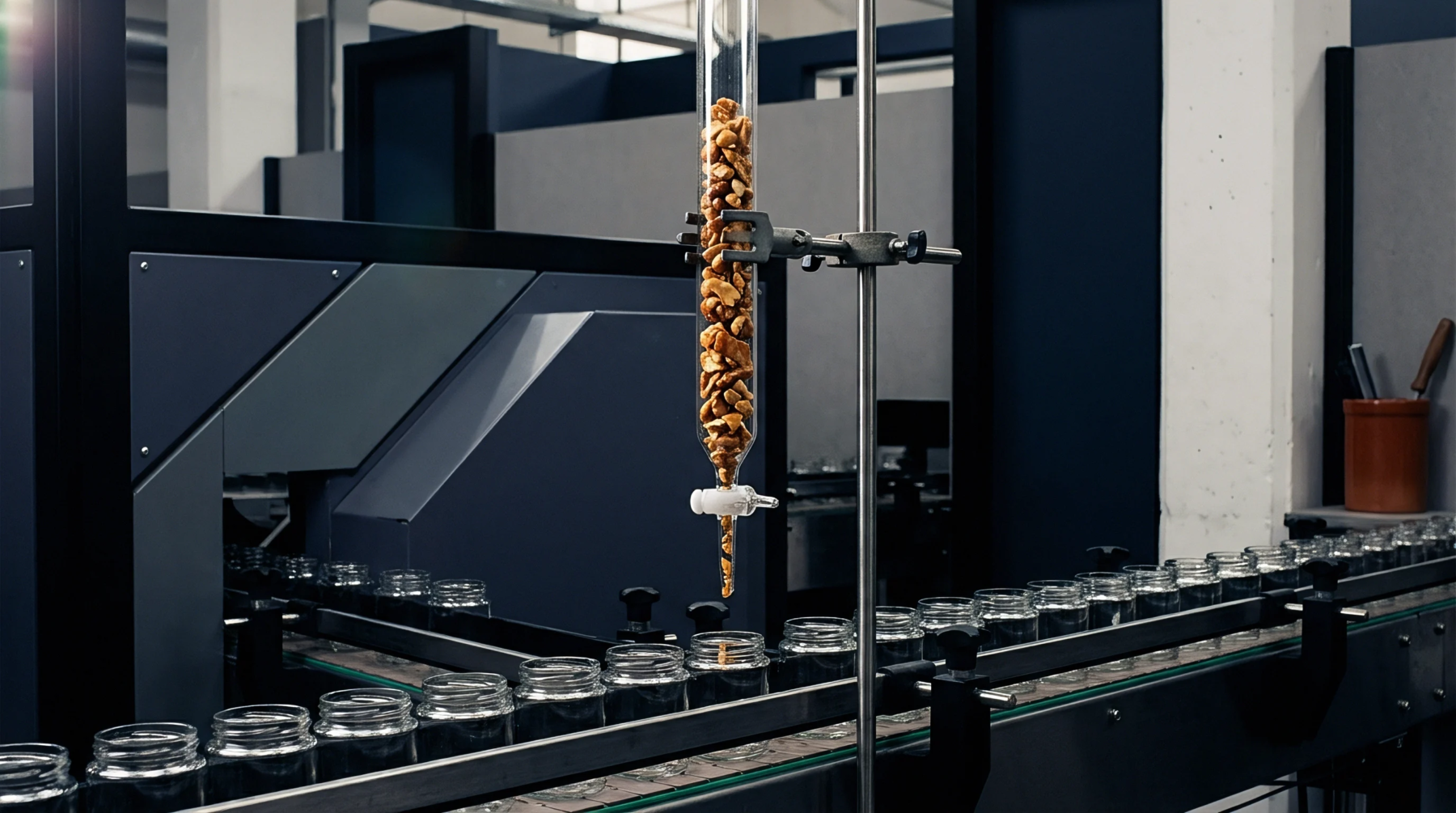
Accelerated static laboratory migration data underestimates dynamic food contact mass transfer on high-speed filling lines unless corrected for strain cracking and fluid shear.

Line temperature spikes and fluid shear accelerate migrant transfer beyond static test limits, requiring exact profile validation in compliance files.
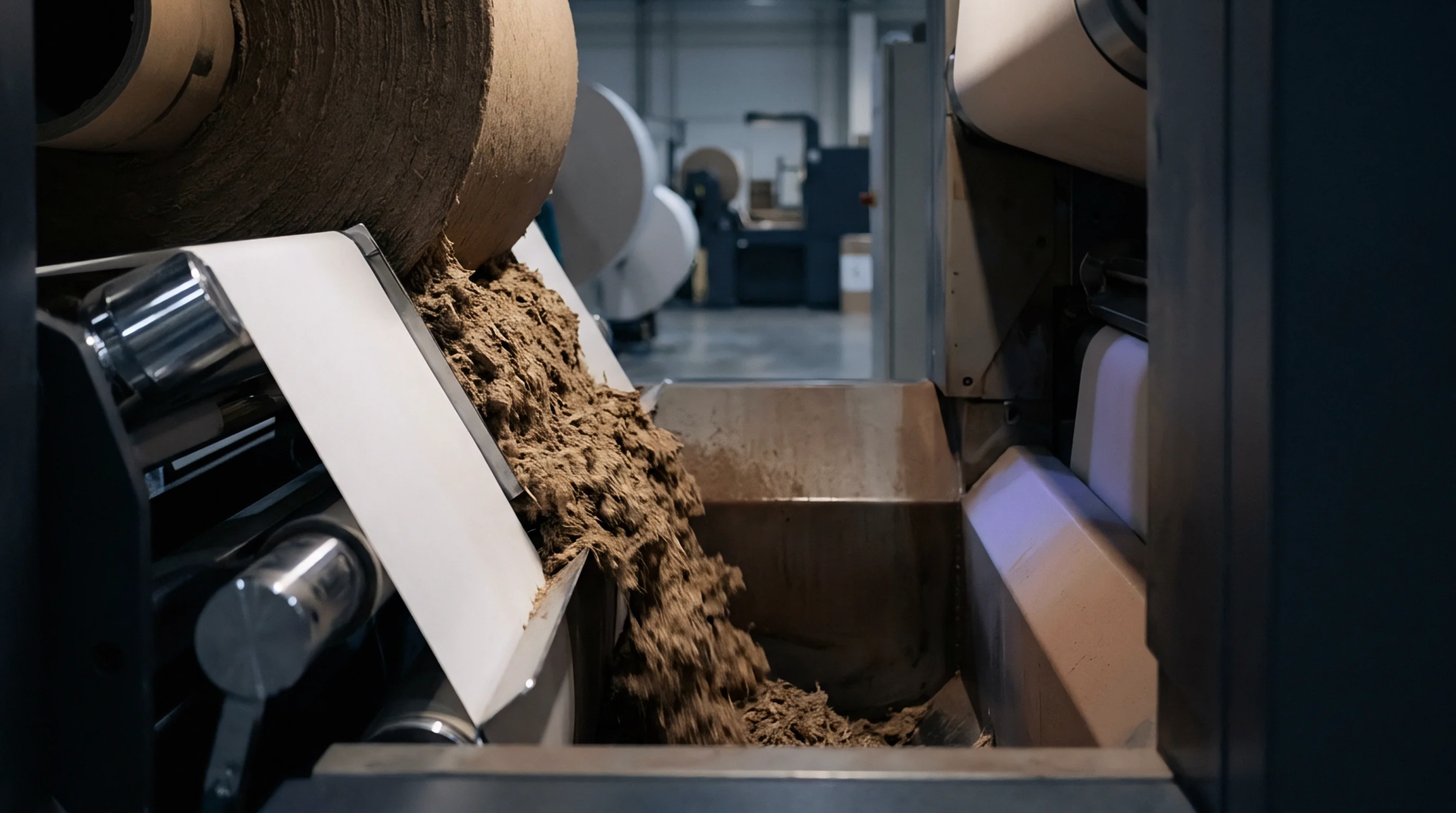
Recycled packaging substrates exhibit non-Fickian moisture uptake and severe hysteresis, reducing compressive strength by over 20 percent under cyclic humidity.
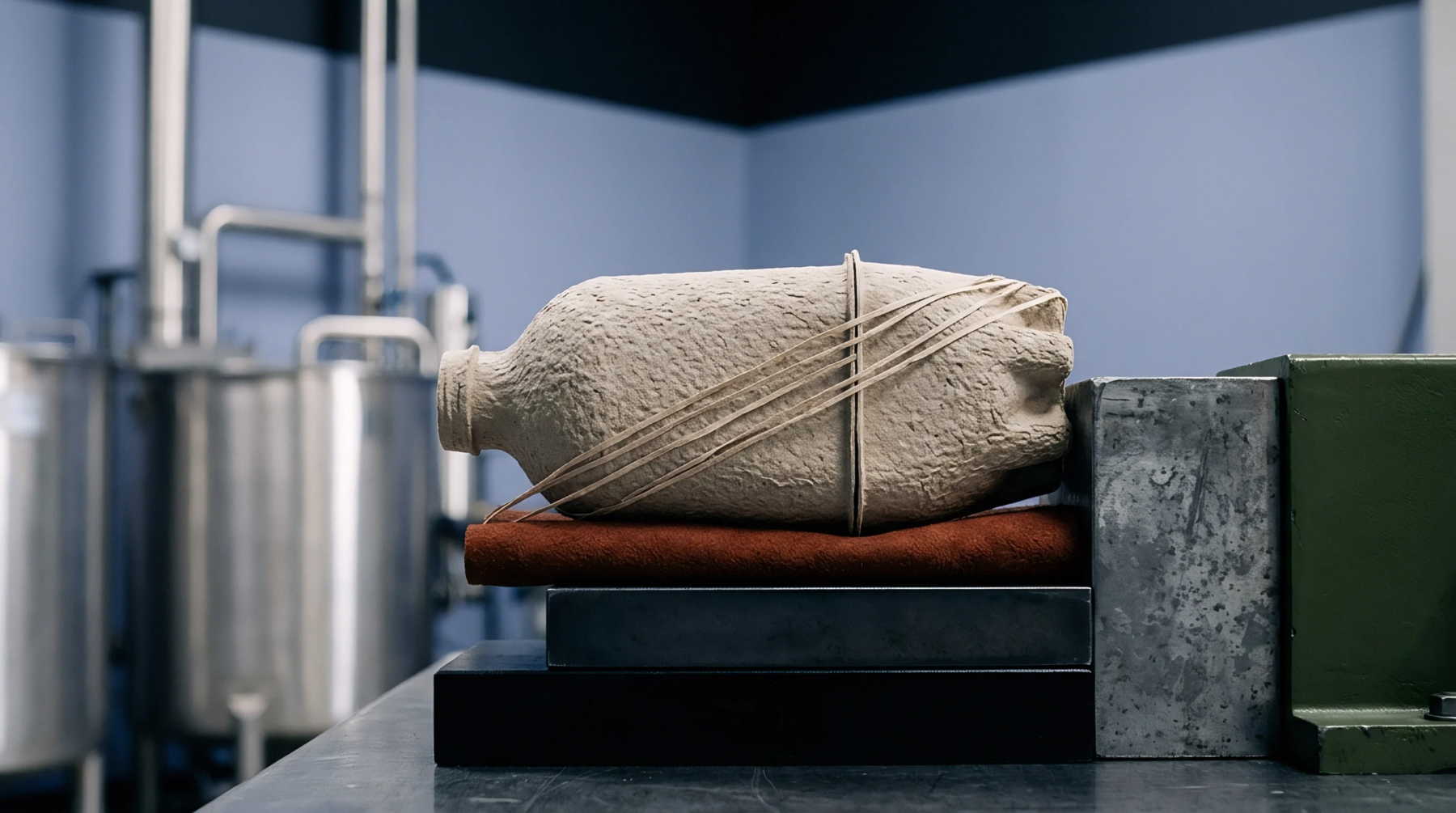
Mass balance ledgers allocate administrative fiber credits across mill networks, but laboratory microscopy governs physical batch compliance at customs borders.

Verifying imported packaging compliance requires auditing chemical migration reports, chain-of-custody scopes, and declarations of conformity before customs clearance.

The domestic importer of record bears strict legal liability for printed packaging claims and absorbs all customs fines when declarations lack supporting technical files.

Paperboard credit systems balance financial ledgers rather than physical fibers, requiring buyers to separate administrative certificates from batch fiber testing.

Paperboard chemical retention and migration compliance requires verifying wet-end additive fixation, simulant extractions, and mass transfer kinetic barriers.

FSC and PEFC prove auditable timber origin and mass-balance fiber accounting; they do not prove food safety, chemical purity, repulpability, or EUDR compliance.

Moving certificate risk onto suppliers requires contract clauses that link claim validity to invoice codes, batch migration reports, and full indemnity for border holds.

A converter's chain of custody certificate cannot retroactively grant certified status to packaging made from uncertified paper mill substrate.
Expertise is a utility, not a secret. sentiention™ publishes its working knowledge as open reference: intelligence layer covering the materials it sources, the markets it enters, and the reference that serves both.