Starch Affinity
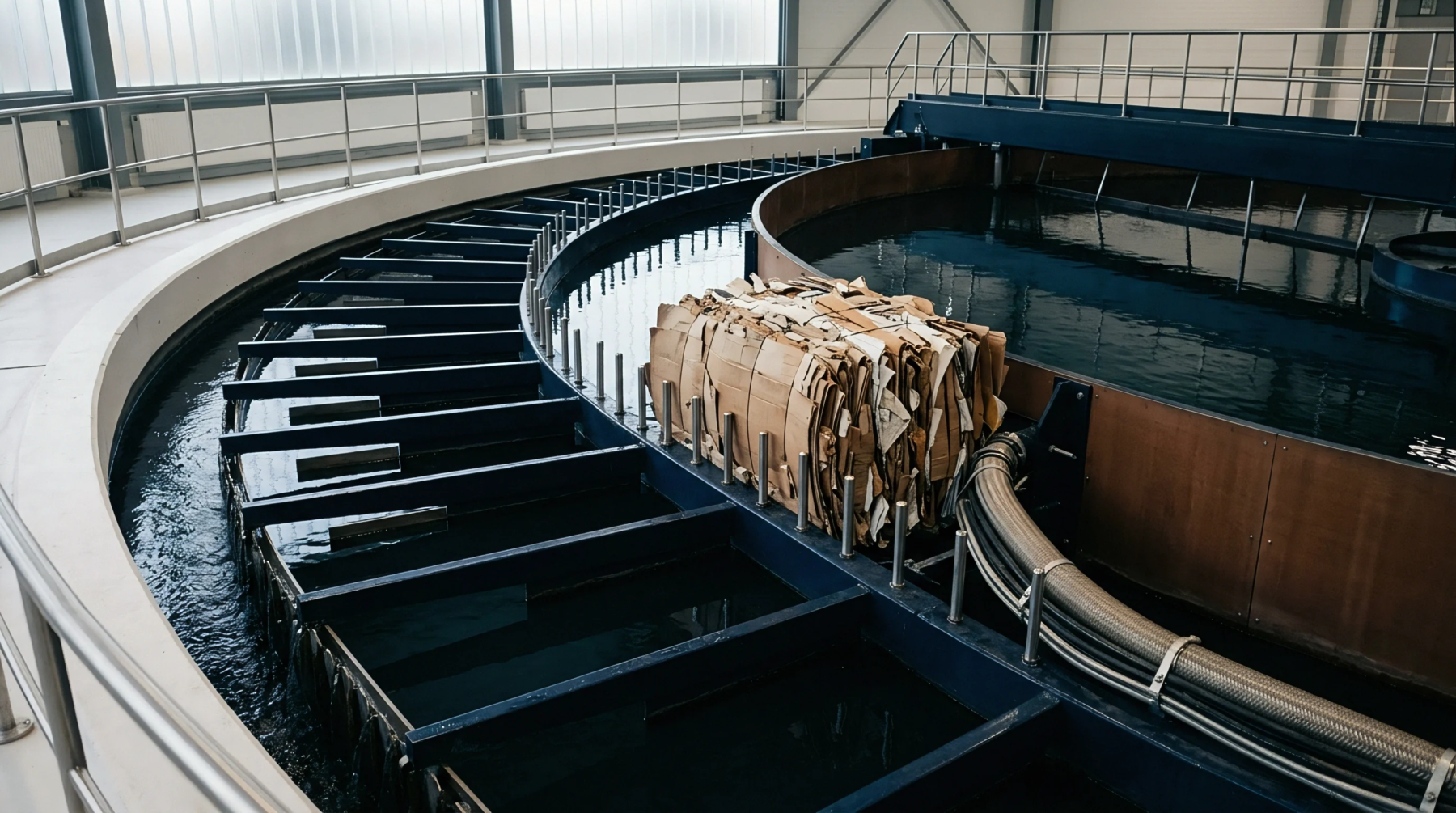
Modified carbohydrate derivative introduces quaternary ammonium groups directly into polysaccharide chains to establish permanent positive charges. Cationic starch binds efficiently to negatively charged cellulose fibres during the wet end stage of paper manufacture. Electrostatic attraction anchors the additive firmly to the pulp suspension before the sheet reaches the forming wire.
Excess dosage fouls wet pressing felts and disrupts the retention balance of secondary chemical additions. Production engineers adjust addition rates to match the zeta potential of the furnish.
Tensile Retention
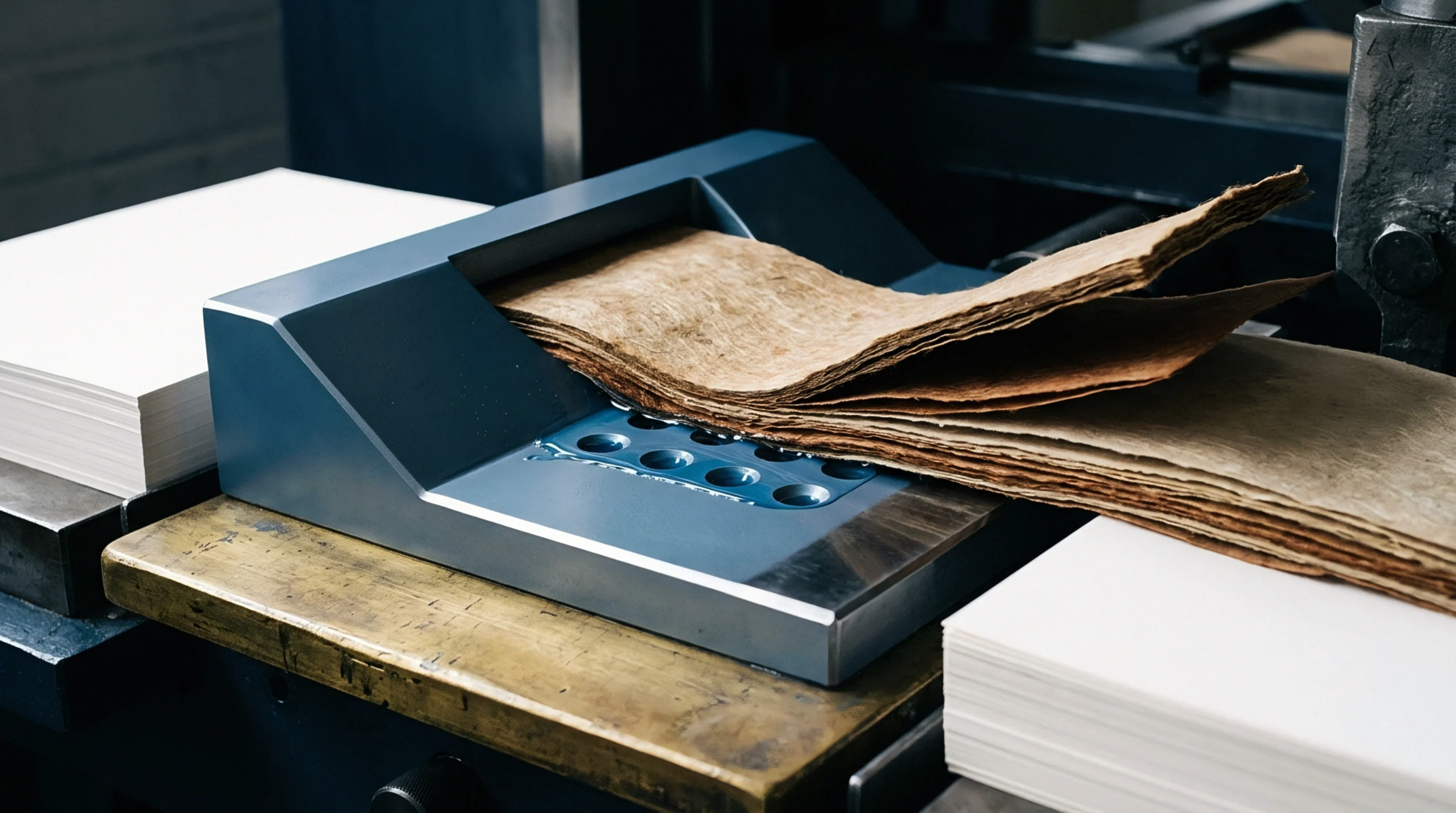
Permanent charge density drives significant dry strength improvements by increasing inter fibre bonding points across the dried sheet matrix. Tensile strength and internal bond metrics rise measurably without requiring heavier grammage targets. Fine paper makers rely on this mechanism to maintain stiffness when increasing the proportion of recycled secondary fibre in the furnish.
Higher filler loading becomes achievable because the additive secures mineral particles within the fibrous web during drainage. Drainage speed drops if the molecular substitution degree exceeds mill limits, which forces operators to slow machine speeds.
Surface Sizing
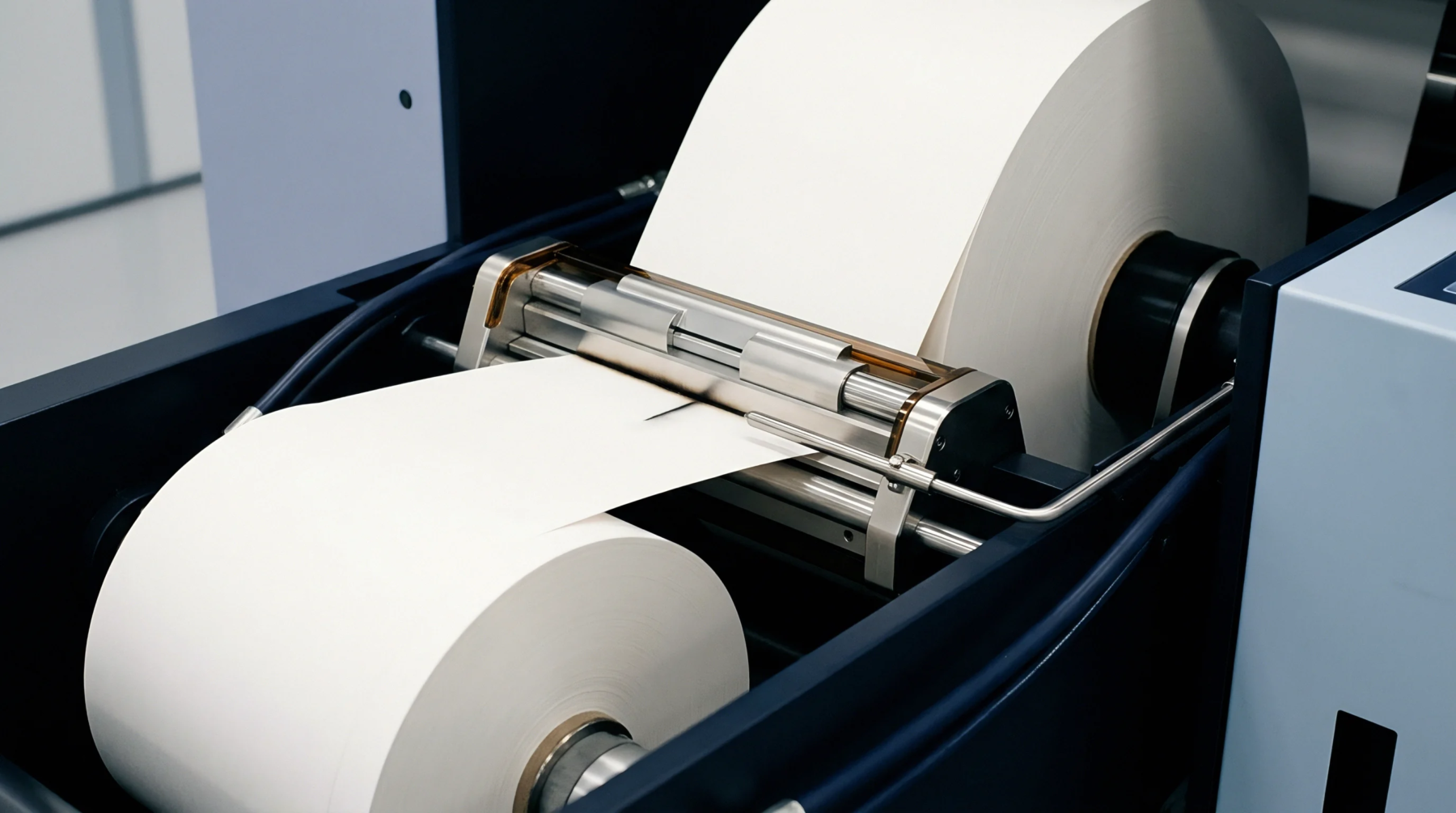
Film press application coats the dry sheet exterior to seal the porosity and prepare the substrate for subsequent offset printing or inkjet imaging. Viscosity stability during thermal drying prevents uneven pick resistance across the finished parent roll. Converted packaging grades achieve grease resistance and improved print definition through this specific surface treatment.
Precise pick-up levels control glue penetration during carton gluing operations on high speed packaging lines.