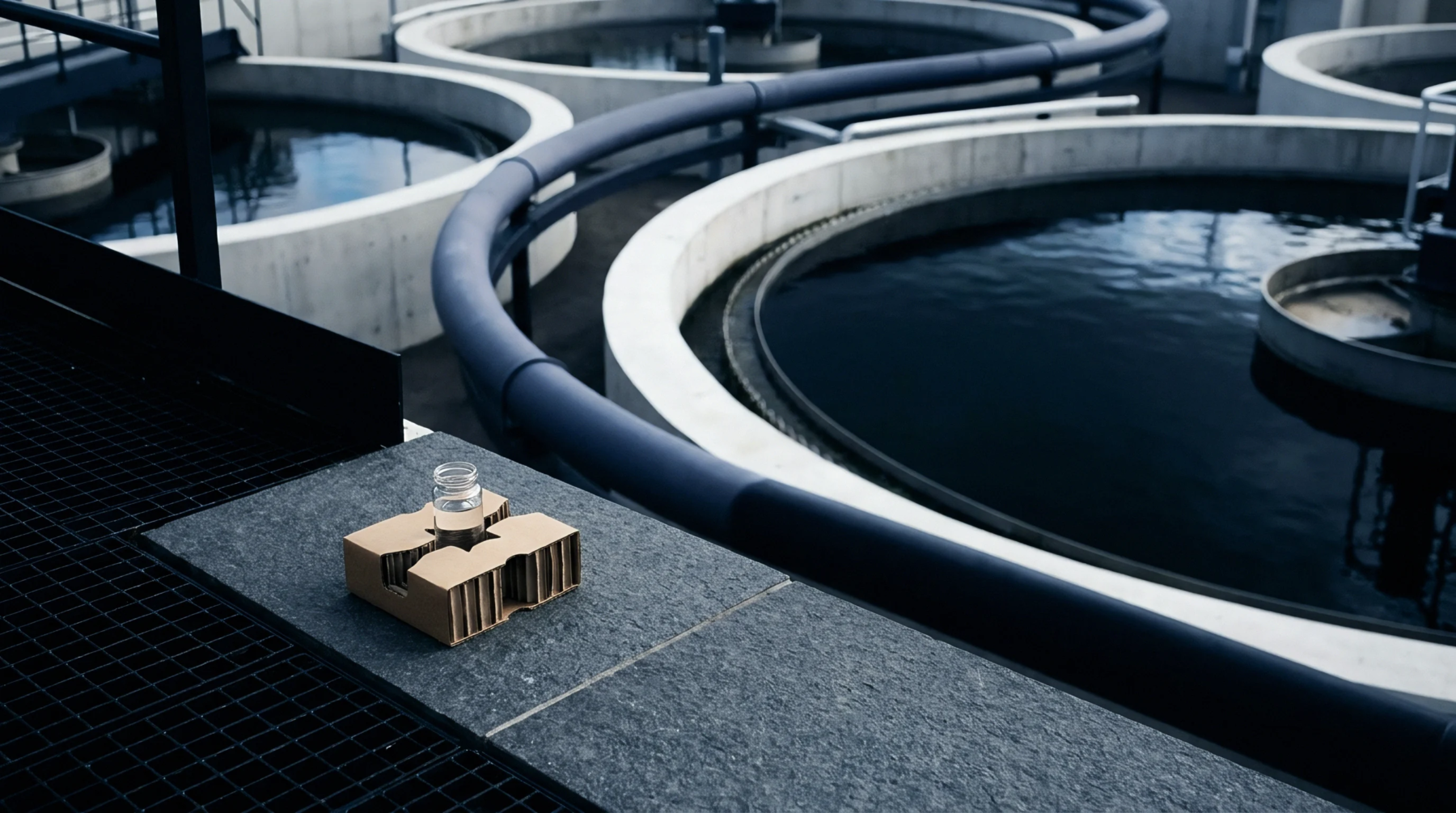
Closed Loop White Water Equilibrium Control and Synthetic Additive Accumulation Mechanics
Closing white water loops concentrates non-retained synthetic additives and chloropropanols, degrading board strength and threatening food contact compliance.
Closing white water loops concentrates non-retained synthetic additives and chloropropanols, degrading board strength and threatening food contact compliance.
Elevated humidity causes gas-phase moisture sorption that disrupts interfiber hydrogen bonds, reducing sheet elastic modulus and causing converting failure.

Dynamic creasing impact compresses internal pore air into transient pressure spikes, reducing effective shear strength and causing high-speed ply blowout.
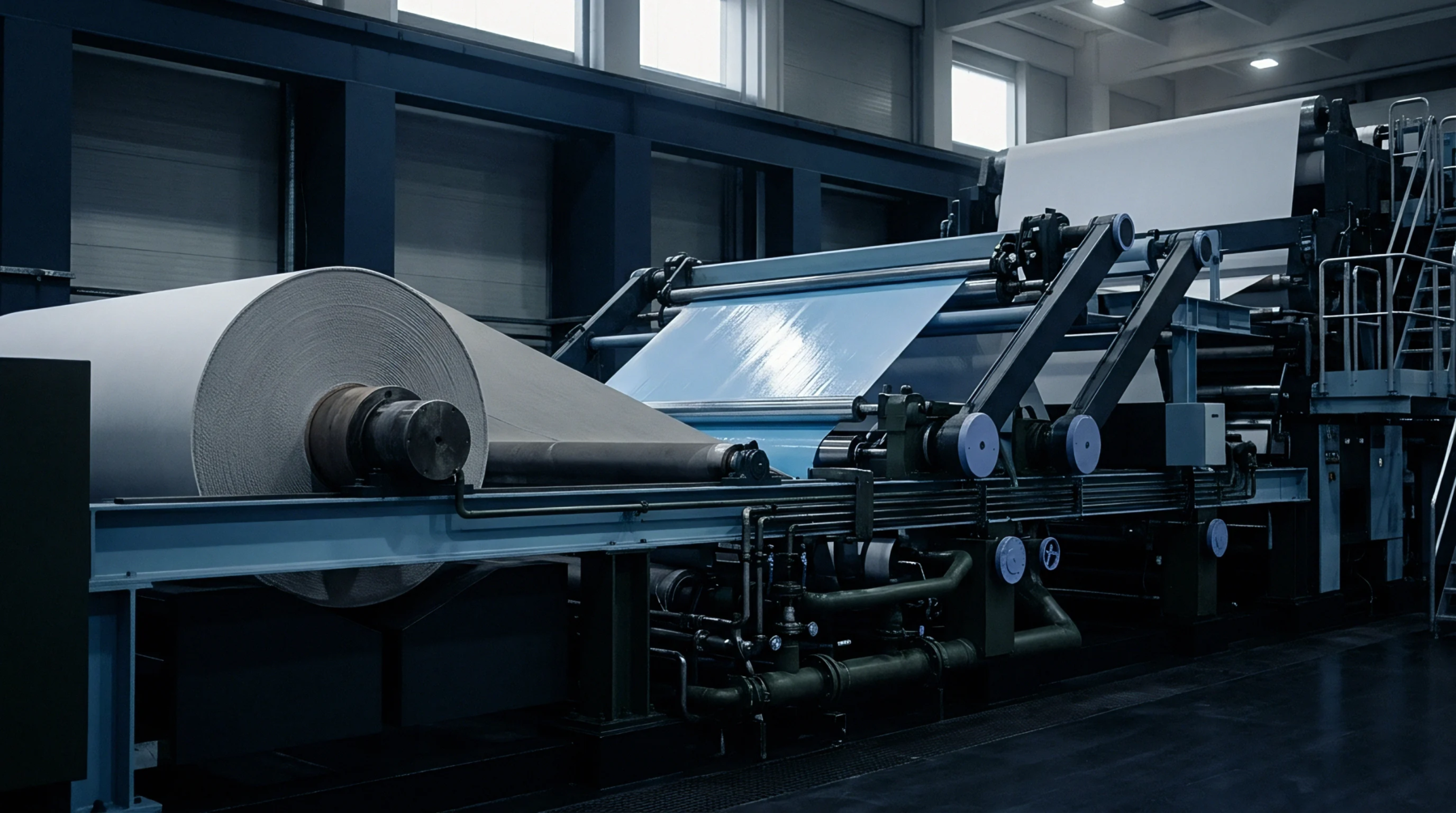
Dynamic moisture entry plasticizes paperboard core binders and depresses matrix glass transition, driving interlaminar delamination and pallet stack collapse.
Interfacial shear strain from thermal mismatch drives delamination; controlling cooling gradients and dyne levels prevents bond failure at crease lines.
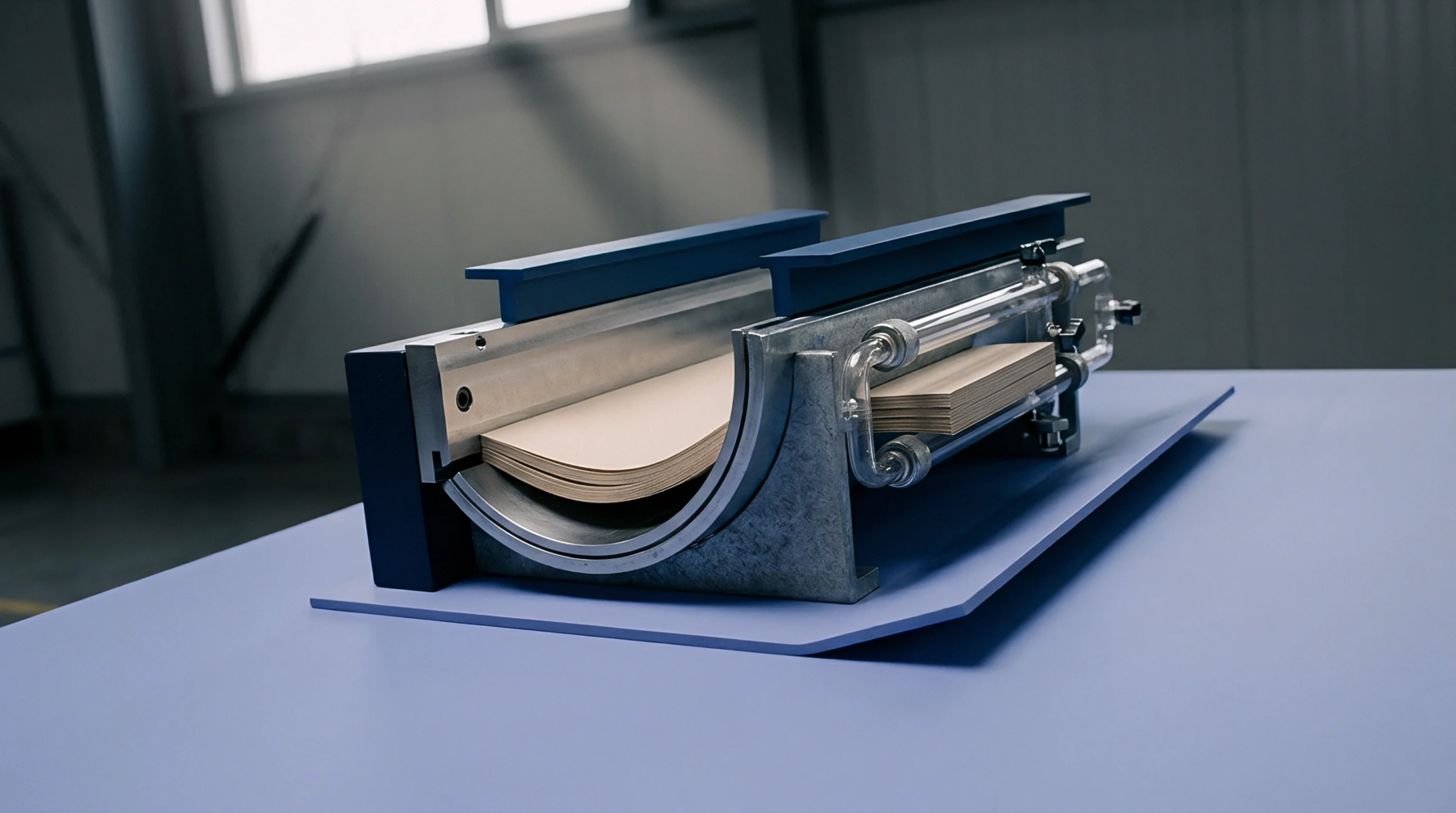
Low transverse shear modulus in foamed cores reduces effective bending stiffness and causes early compression collapse on short spans.

Dynamic temperature and moisture transfer algorithms coupled with inline pyrometry eliminate optical sensor drift on high-speed recycled board lines.
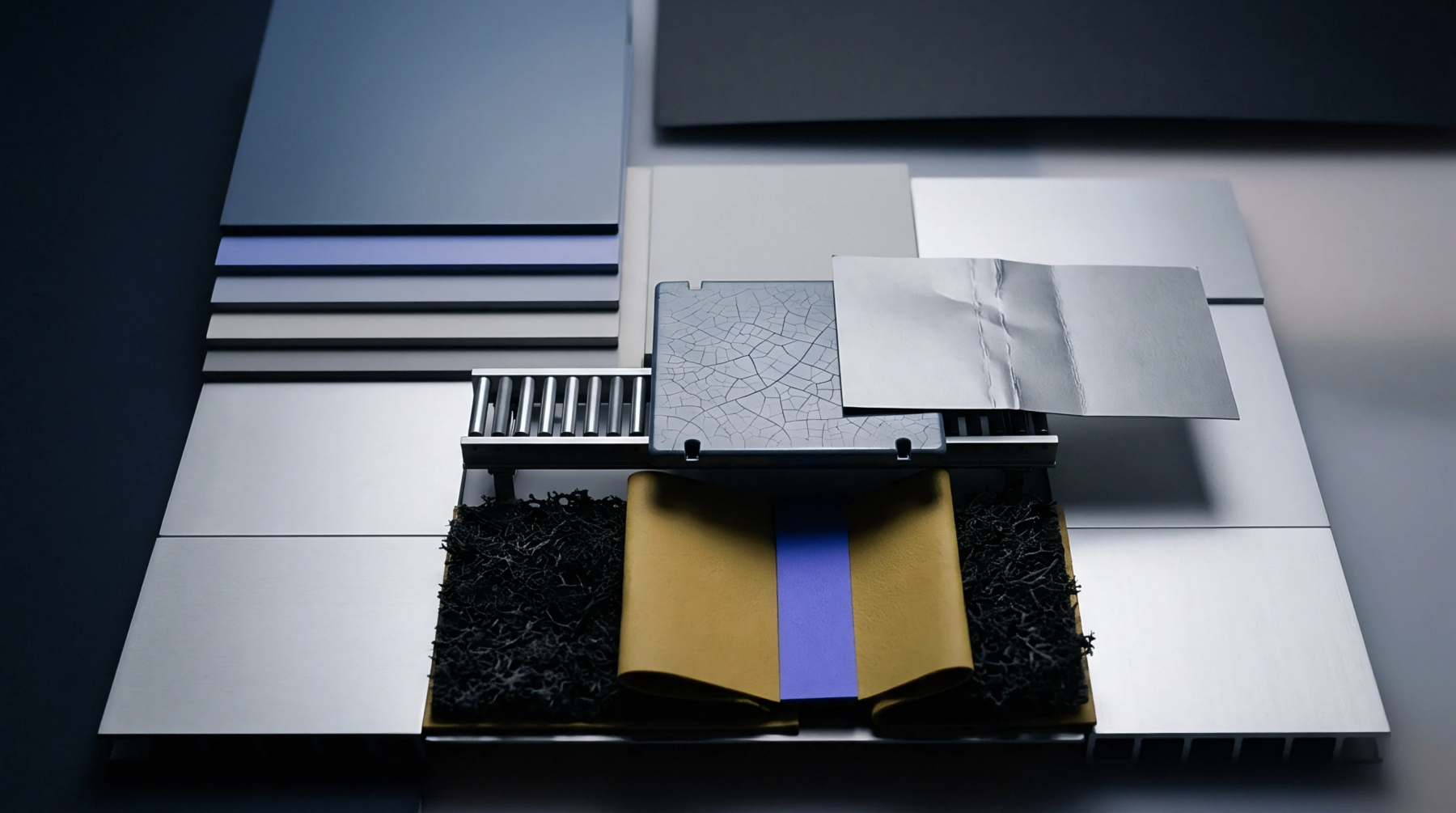
Controlled low energy refining of middle ply mechanical pulp yields superior Z direction tensile development without caliper loss in multi ply boxboard.

Piezoelectric sensor frequency response calibration prevents amplitude distortion during high speed creasing by matching amplifier cutoff to rule strike transients.
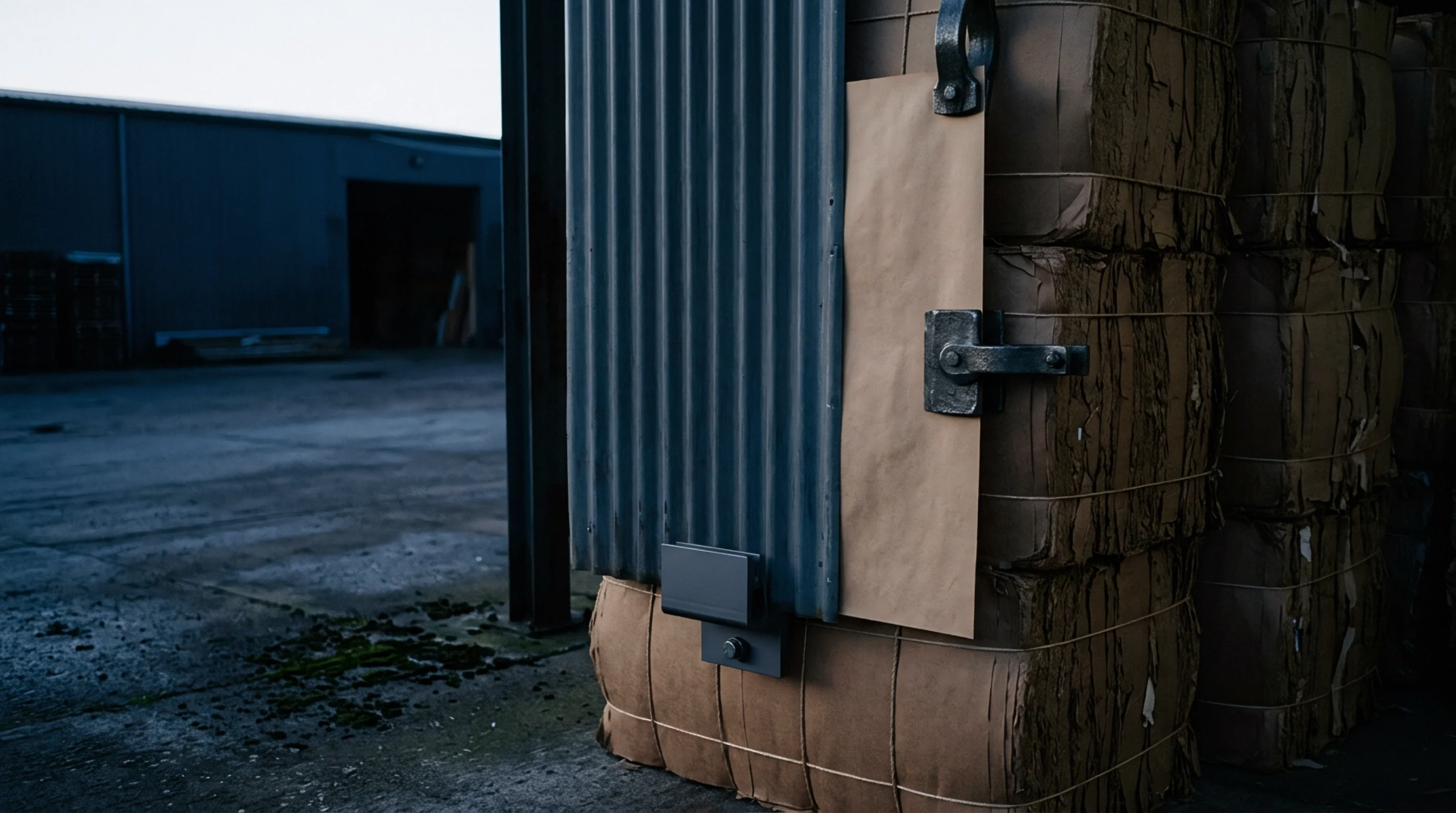
Splitting recycled furnish into long and short fractions before refining concentrates mechanical energy on long kraft fibres, cutting power use while boosting compression.
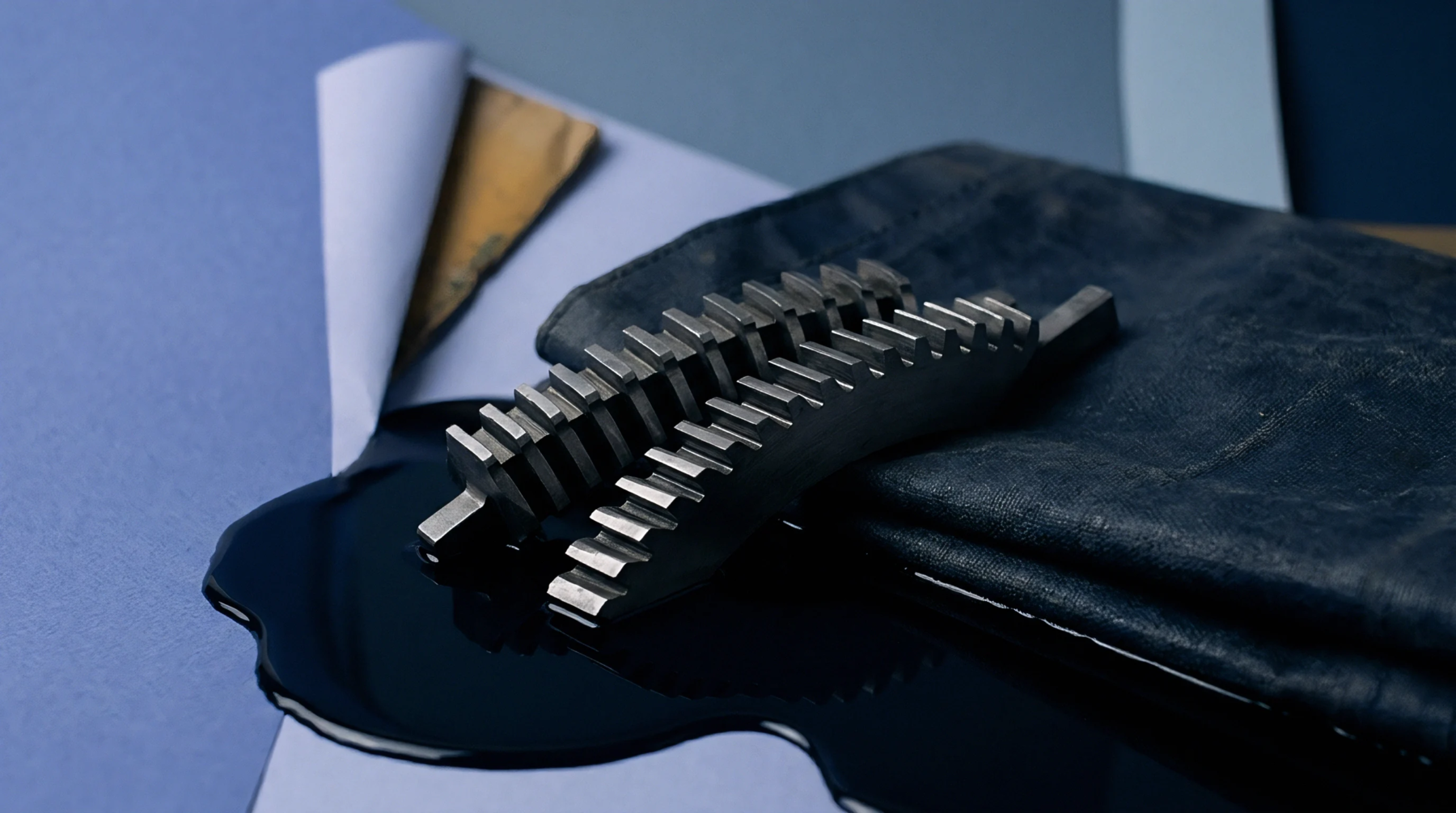
Balancing dynamic surface tension sub-10ms wetting with high extensional viscosity prevents droplet rebound and glue stringing on creased paperboard.
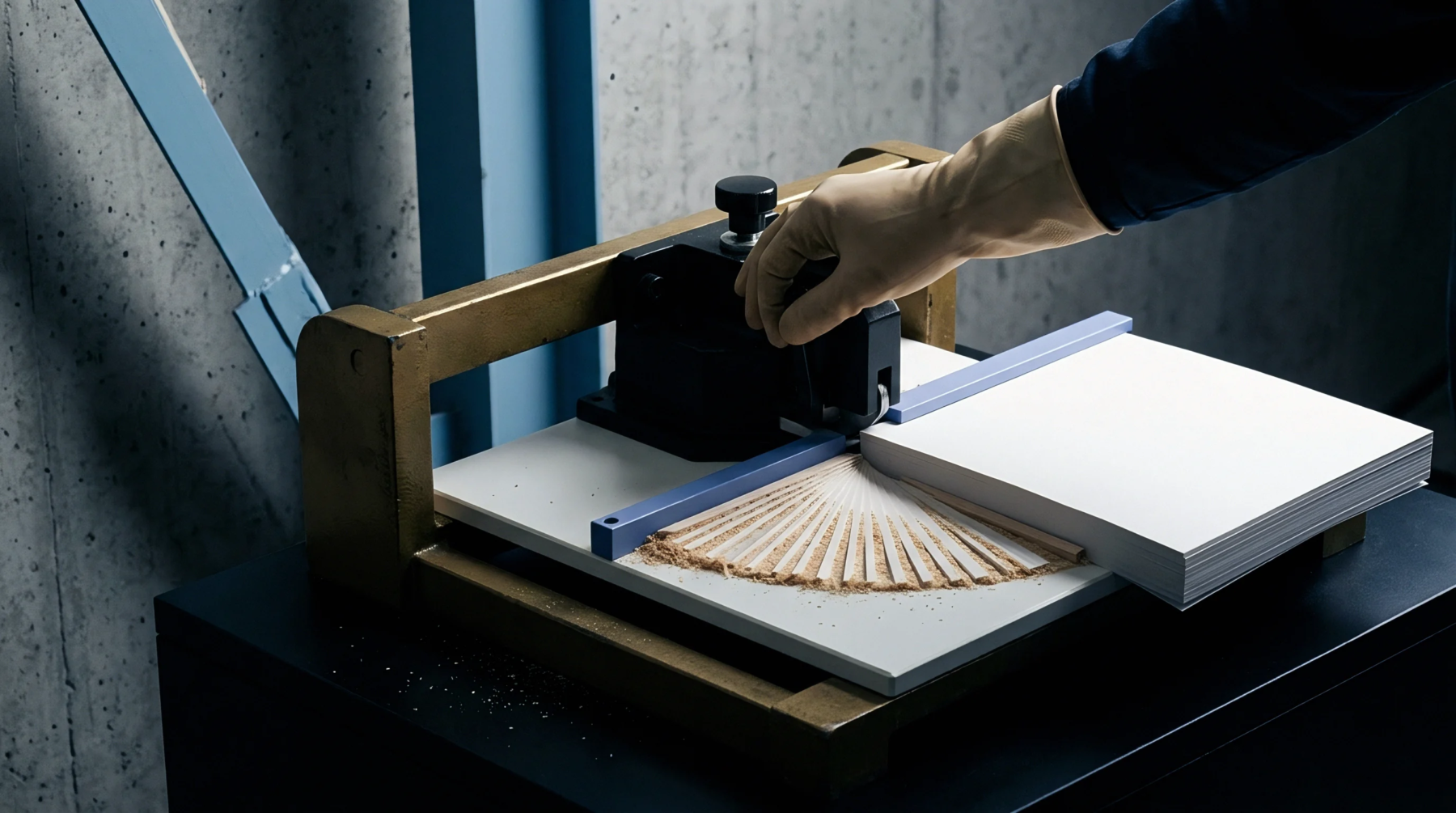
Optimizing rule depth and matrix channel width induces internal ply delamination, preventing top liner crack failures during high-speed carton folding.

Converting scrappage from single sided lamination negates small material savings once EU EPR tariffs penalize film coated board above five percent weight.
Crosslinked polyurethane soft touch films crack under cyclic humidity when interfacial shear stress exceeds film yield strength at elevated substrate moisture content.

Inter-ply bond standards mandate TAPPI T 541 or ISO 16260 testing under strict ISO 187 conditioning to prevent converting delamination on recycled paperboard.
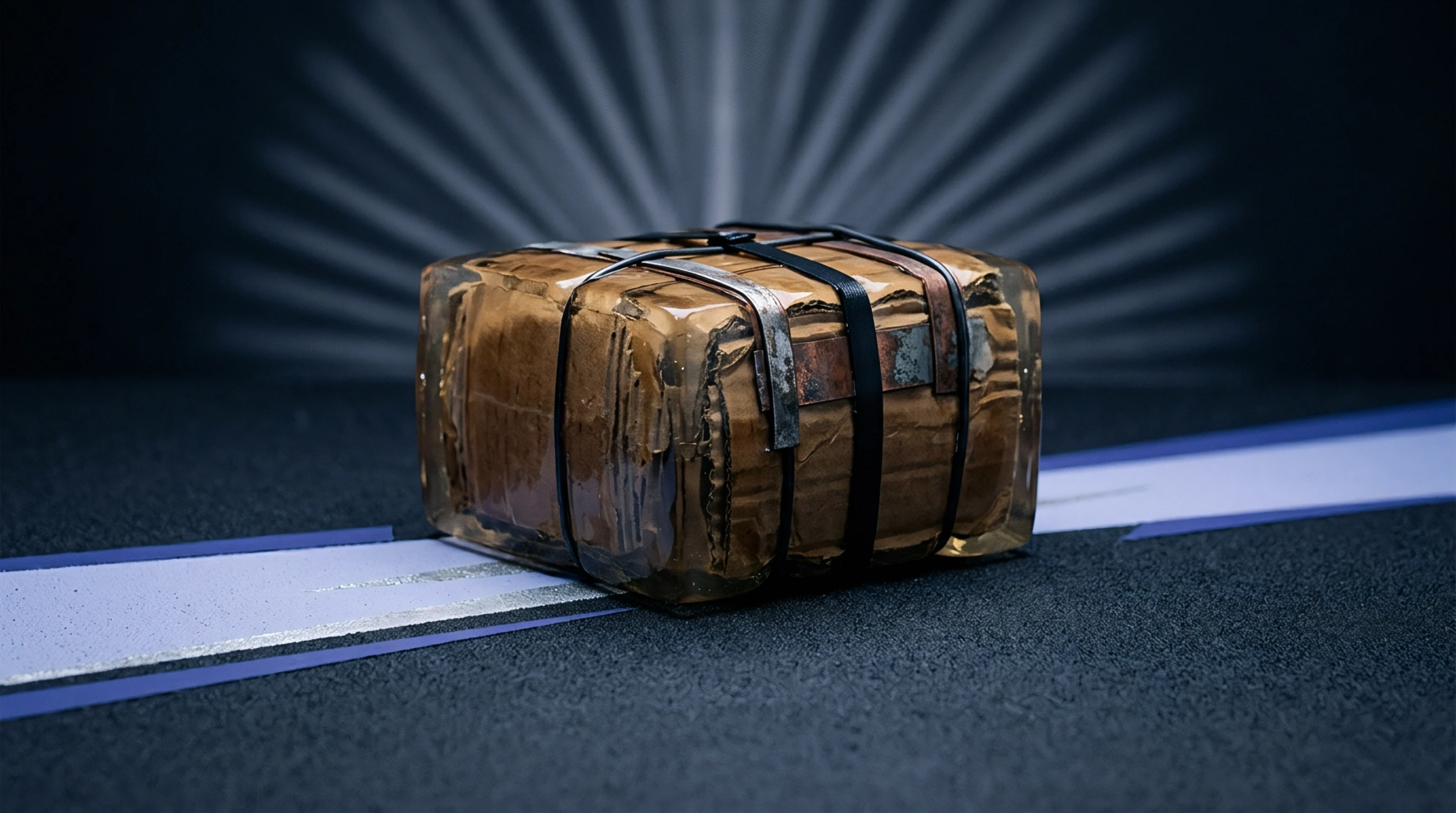
Dynamic delamination thresholds in recycled calipers dictate converted score integrity, requiring minimum inter-ply shear energy dissipation under high strain rates.
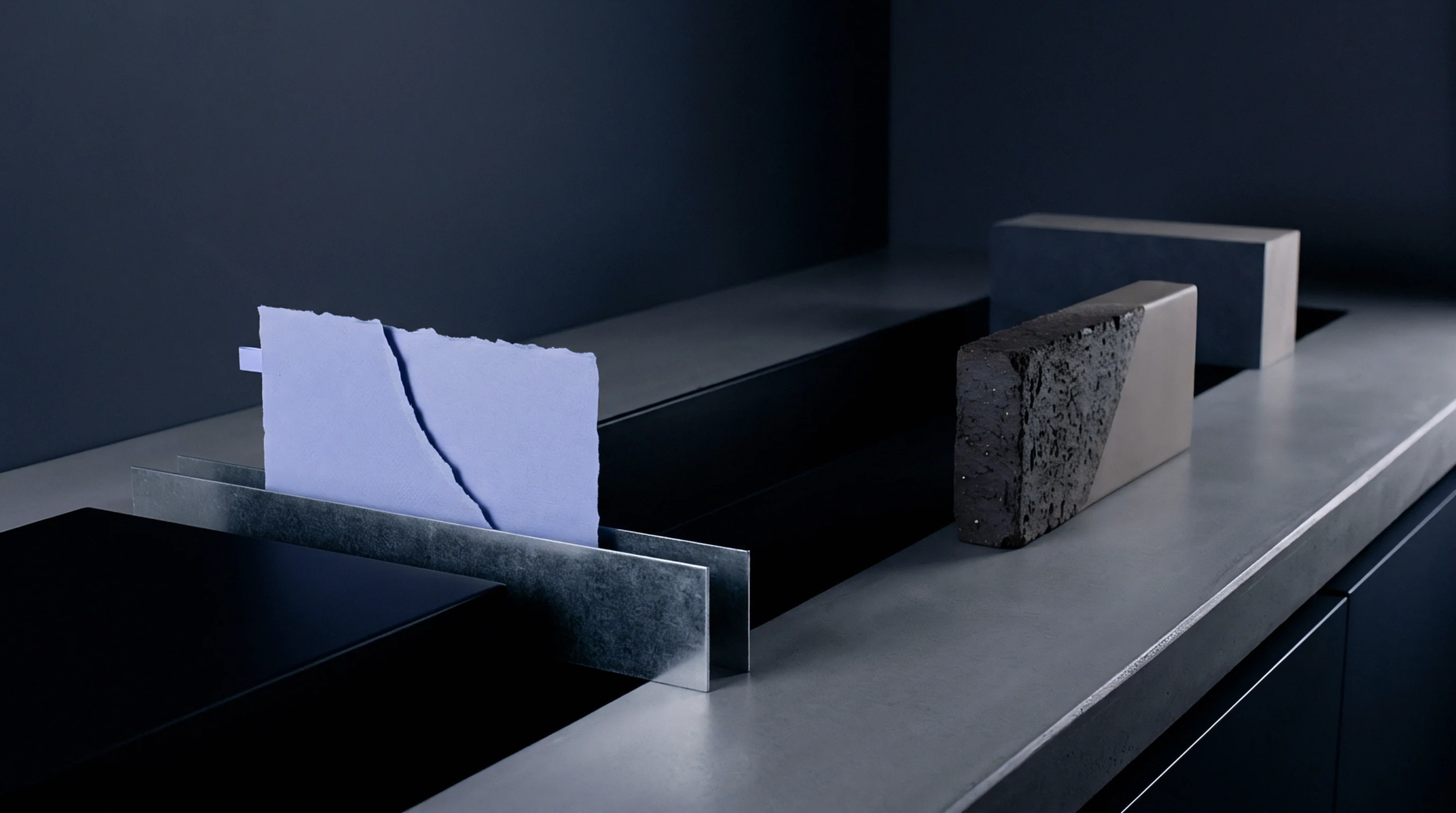
Optimizing shoe press peak pressure and wet-end couch solids maximizes inter-ply bond strength in multi-ply recycled fiber formations.
Matte laminated boxboard demands channel width expansion of twelve to eighteen percent over raw stock formulas to absorb film strain and prevent score rupture.
Optimize mechanical greaseproof paper selection by specifying 80-88 SR refining and 15000+ s Gurley porosity to secure non-PFAS grease resistance.
High speed thermal lamination induces transient Z-axis thermal and moisture gradients that interact with substrate fiber anisotropy, creating post-pass curl and delamination requiring active pre-heating and chill roll management.
Counter matrix channel width equals creasing rule thickness plus 1.5 to 1.7 times board caliper under ISO 534 conditioning to optimize delamination.
Controlled inter-ply shear delamination inside the middle layers under rule stroke impact converts rigid board into thin lamina, eliminating score cracking.

Soft touch lamination scuffing stems from micro-layer shear deforming under friction, resolved by specifying nano-composite film chemistry and strict gloss drift limits.
Expertise is a utility, not a secret. sentiention™ publishes its working knowledge as open reference: intelligence layer covering the materials it sources, the markets it enters, and the reference that serves both.