Abrasion Resistance
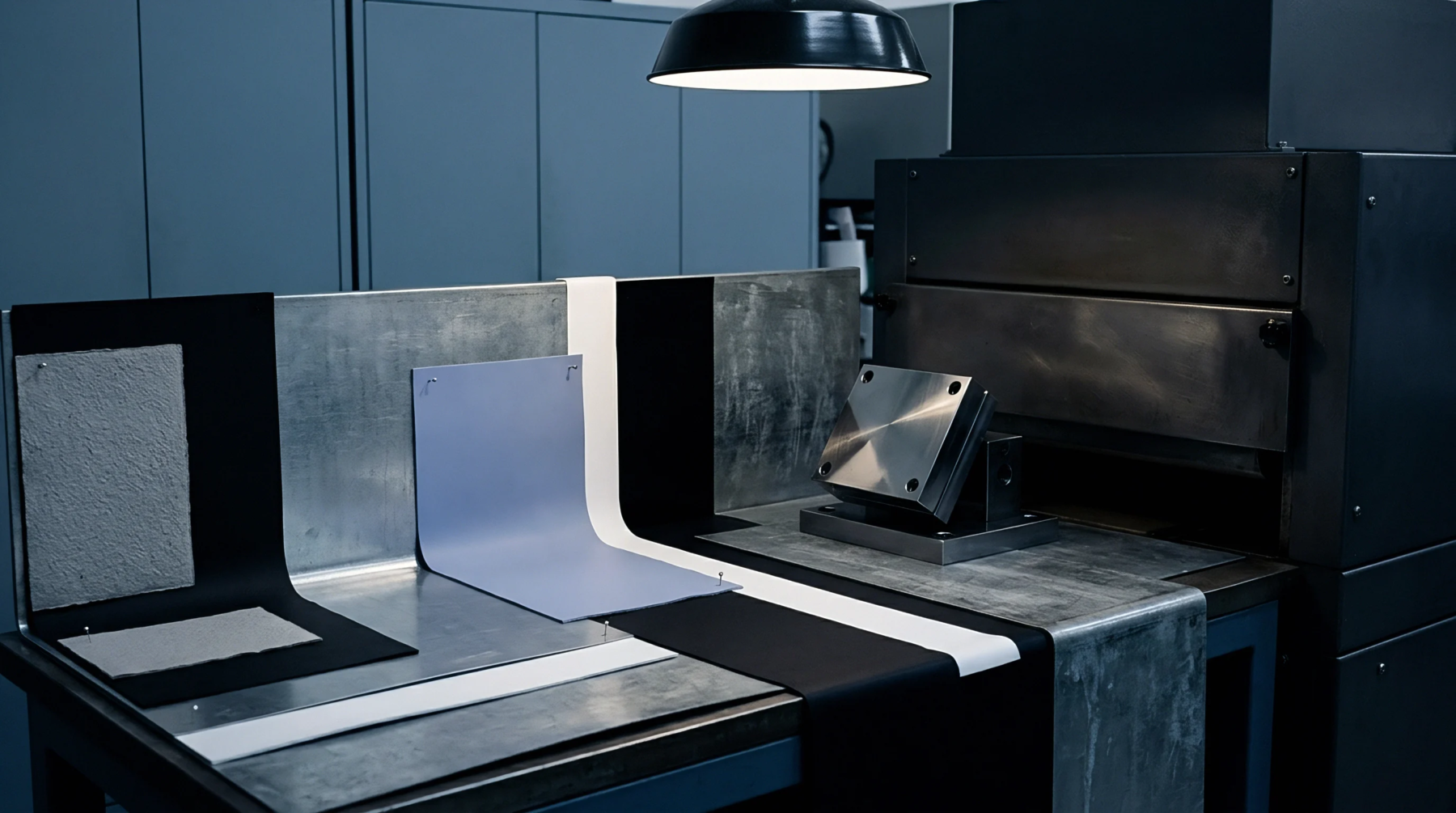
This test protocol establishes a standardized method for evaluating the wear characteristics of printed or coated surfaces subjected to repetitive rubbing or friction. The astm d5264 procedure utilizes a Sutherland type rub tester to quantify the integrity of inks, varnishes, and substrates under controlled pressure and stroke conditions. Laboratories apply this measurement to determine how well a graphic layer resists degradation when stacked or handled in industrial environments.
Results derive from comparing the sample appearance against a reference standard or measuring the mass loss of the coating after a specific number of cycles. Manufacturers rely upon this data to calibrate printing processes and select suitable protective overcoats for high-traffic packaging items.
Test Application
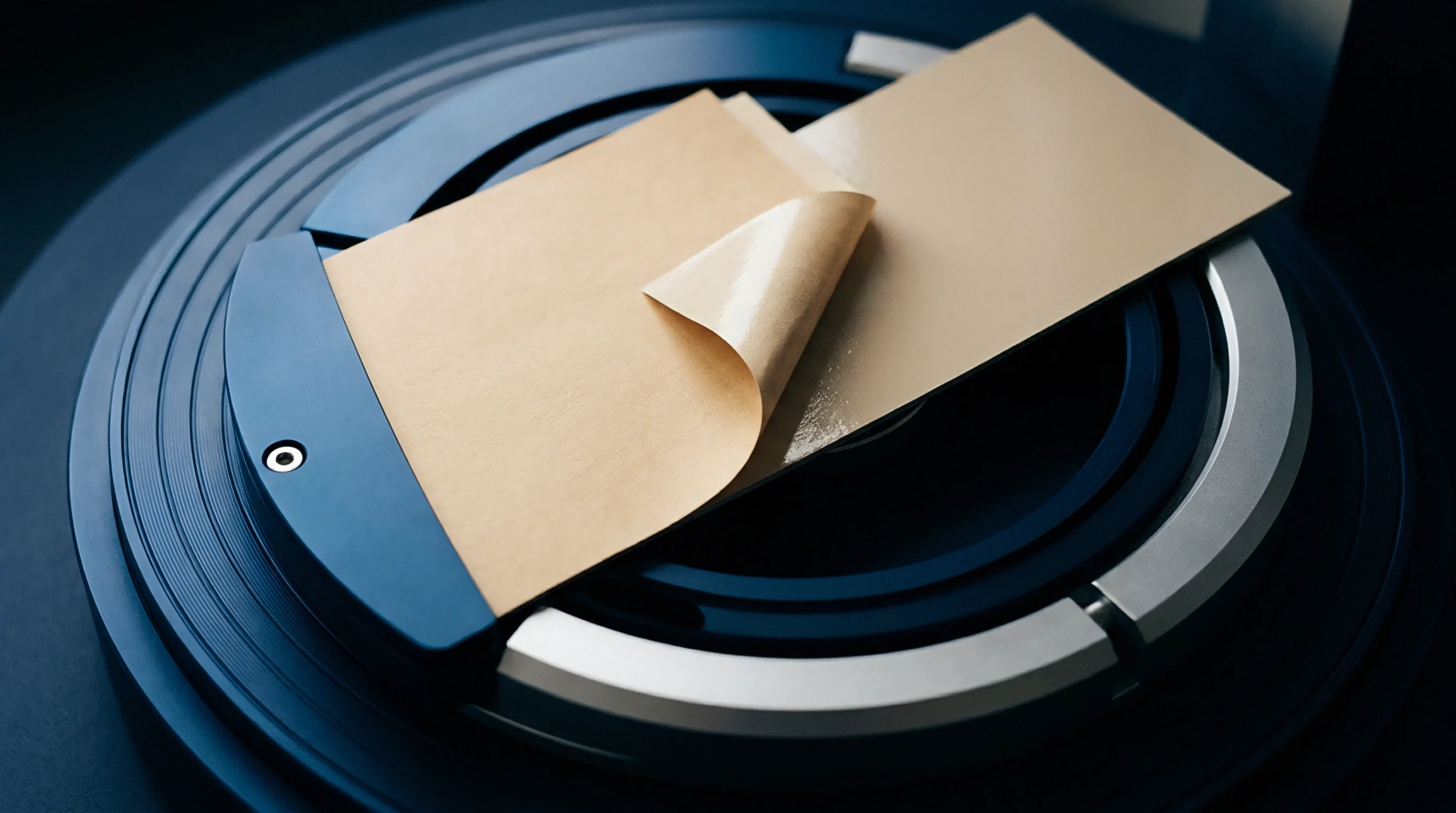
The procedure specifies the alignment of the sample on a rigid base and the application of a weighted receptor block covered in a standardized material. Operators execute reciprocating motion through the equipment mechanism to produce consistent friction across the specimen surface. A technician observes the accumulation of transferred material on the receptor to determine the endurance limit of the evaluated coating.
Variables such as the weight applied to the block and the texture of the receptor paper define the severity of the load. Changes in ink chemistry or substrate porosity dictate the frequency of failures during these evaluations. Consistent force application across multiple cycles allows for the detection of early delamination points that might otherwise go unnoticed during visual inspections.
Adjusting the cycle count provides insight into how various materials perform under differing shelf life or transport stresses.
Performance Boundaries
Limitations within the standard restrict its use to specific configurations of linear motion and vertical pressure. The protocol ignores the effects of chemical exposure or environmental temperature shifts that frequently interact with mechanical wear in real world conditions. Variability often arises from the orientation of the paper grain or the specific viscosity of the applied ink layer.
Successful implementation requires careful control of the rubber pad hardness and the alignment of the rubbing arm. This measurement defines the functional durability of a surface finish.