Surface Hardness
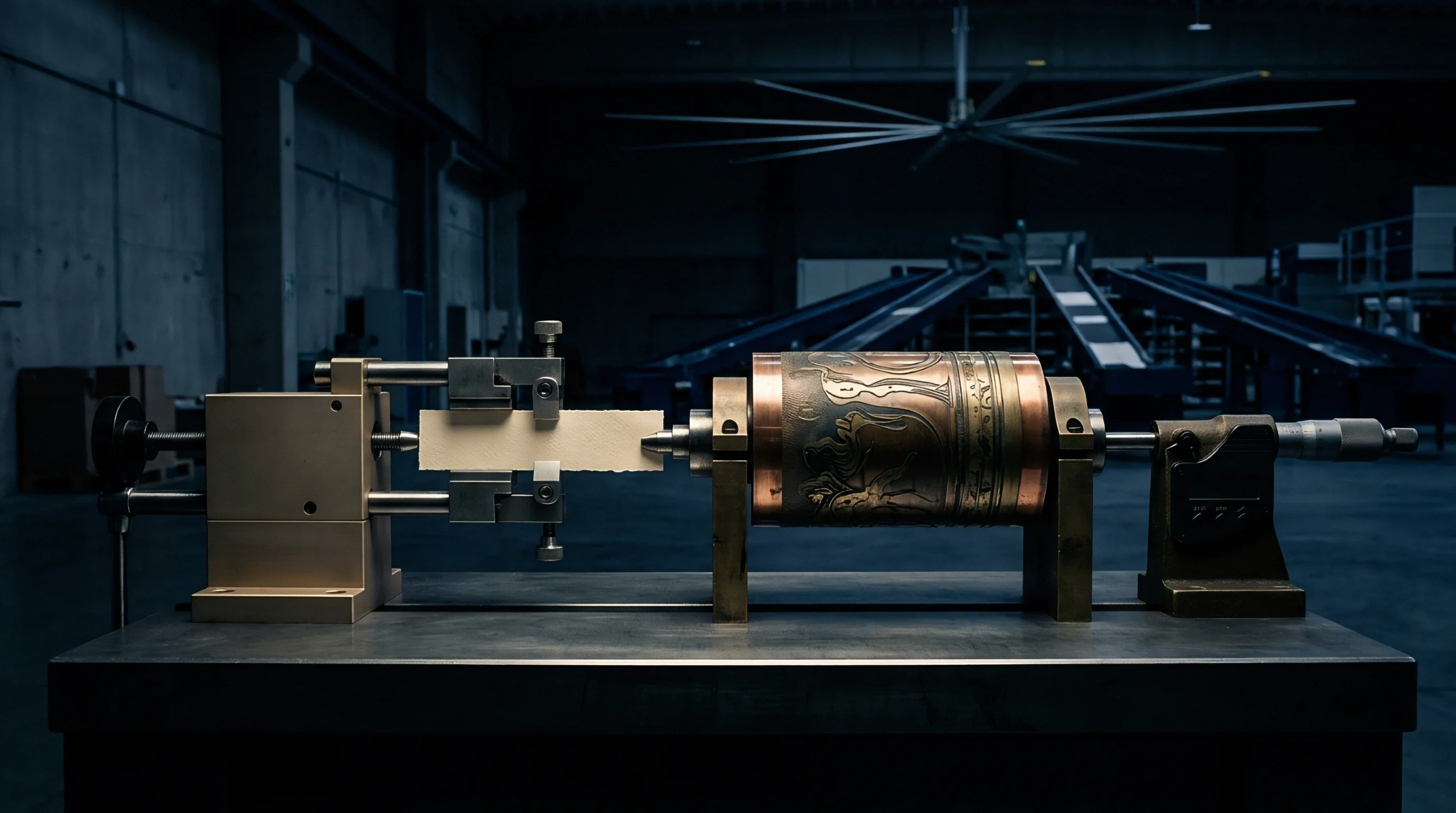
Acrylic polymers dispersed in water form a continuous film that dries through evaporation to create matte overprint varnish on printed paper substrates. Aqueous dispersion determines the baseline viscosity applied during the final station of a printing press. Ultraviolet curing variations utilize photoinitiators alongside acrylate oligomers to crosslink instantly under high intensity lamps.
Coated folding cartons rely on this protective layer to prevent scuffing during high speed automated packaging lines. Rub resistance standards measure the friction threshold before ink smudges or transfers to adjacent surfaces.
Sheen Reduction
Microscopic matting agents scatter incoming light rays across the dried coating layer to eliminate glossy reflections entirely. Silica particles embedded within the liquid resin protrude slightly through the upper boundary of the film as water evaporates. Particle distribution density governs the exact gloss angle measured at sixty degrees under standard laboratory lights.
Excessive quantities of matting solids reduce internal cohesion and lower the burst strength of underlying paperboard fibers. High filler loading requires careful viscosity adjustment on the coater to prevent orange peel texture anomalies.
Adhesion Interference
Low surface energy parameters inhibit adequate wetting when subsequent gluing or foil stamping processes occur on top of the dried coating. Aqueous formulations must exclude excessive wax additives if secondary packaging operations demand reliable cold seal adhesive bonds. Corona discharge treatment on converting lines modifies the outer molecular structure to improve ink and glue anchorage over varnished areas.
Folding endurance tests verify whether the brittle varnish layer cracks along creasing channels during box erection stages.