Surface Degradation
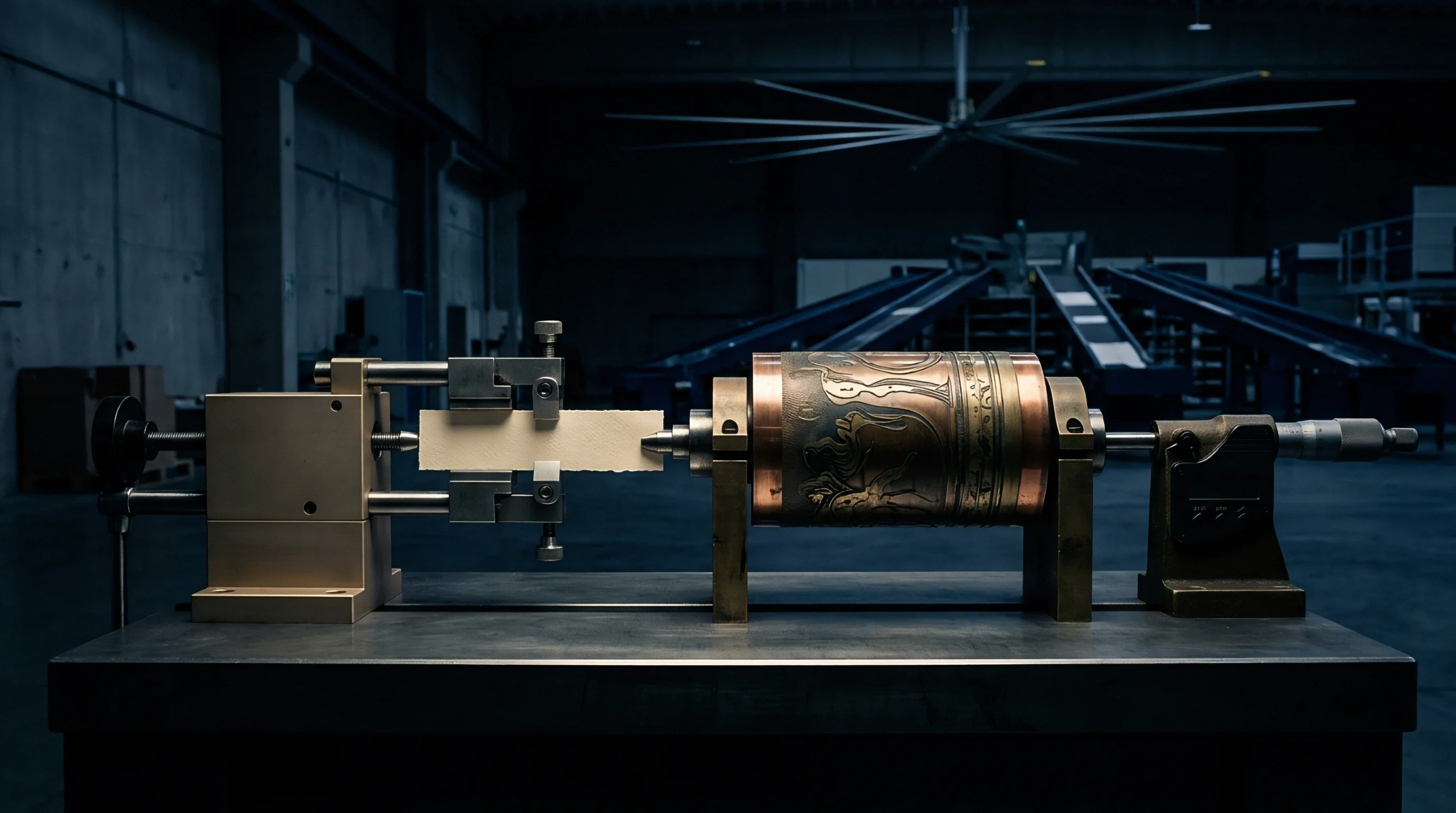
Physical erosion of a substrate or coating occurs through the repetitive mechanical action of a contact surface against another material. This abrasion wear describes the progressive loss of matter from the top layer of a printed or unprinted surface during handling and transport. High friction levels between cartonboard sheets in a stack or during conveyor movement accelerate the removal of ink and protective varnishes.
Resistance Mechanism
Cohesive strength within the coating layer determines how well a material withstands localized shearing forces. Because abrasion wear depends on the hardness of the pigments and the binding capacity of the resin, formulations for high traffic packaging often include slip agents to reduce the coefficient of friction. Lower friction allows surfaces to slide freely instead of biting.
The presence of abrasive particles such as dust or poorly dispersed fillers significantly increases the rate of mass loss by creating microscopic gouges. Adding high molecular weight additives can bridge the gaps between pigment particles to create a smoother and more resilient topcoat.
Performance Boundary
Testing stops when the structural integrity of the base fibre becomes visible through the coating. While abrasion wear is often measured by weight loss or changes in light reflection, the point of functional failure is reached when the legibility of printed information is compromised. Protective laminates provide a physical barrier that shifts the wear point from the ink to a sacrificial plastic layer.