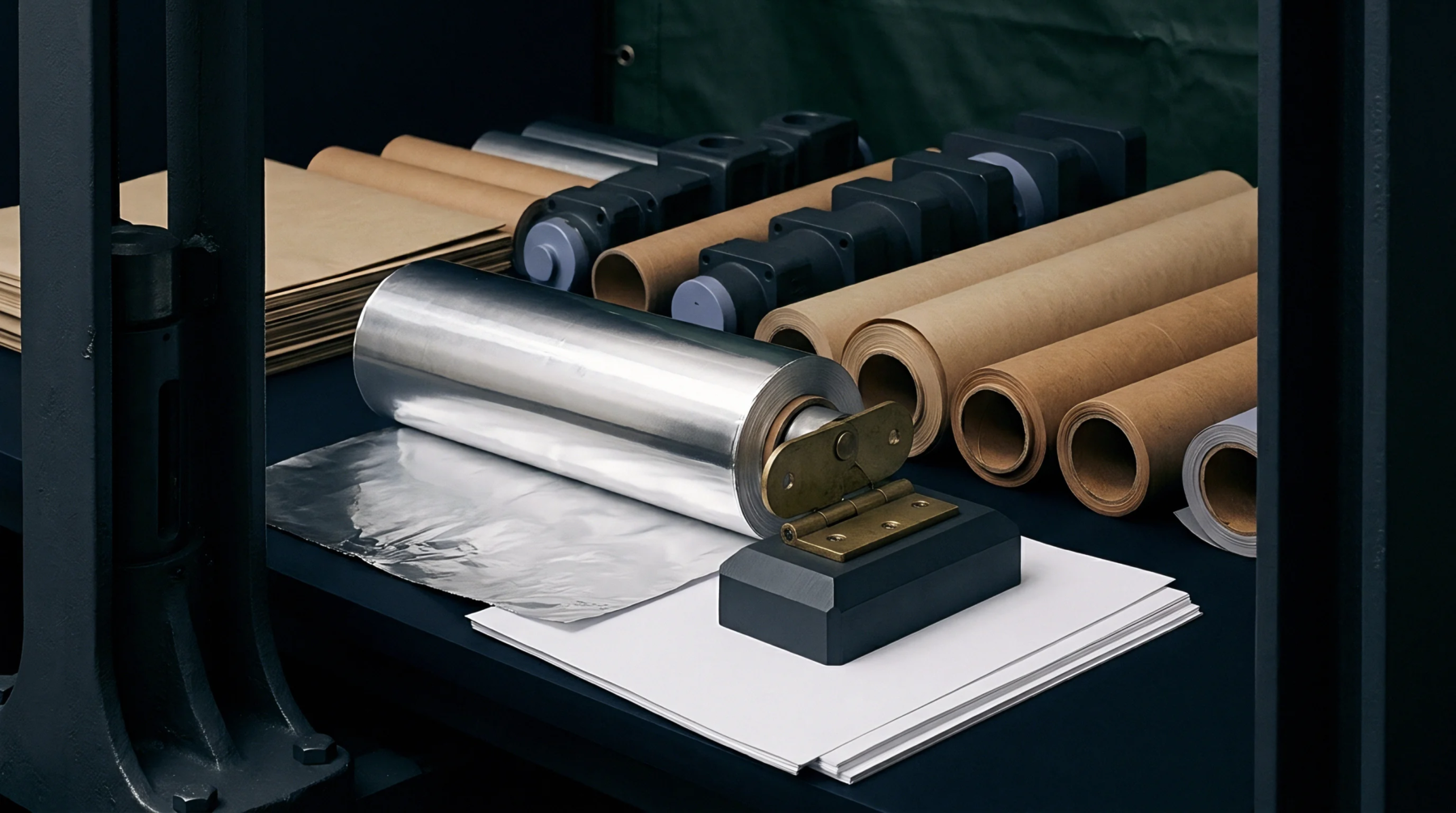
Laboratory Evaluation Procedures for Matte Overprint Varnish Abrasion Performance
Matte varnish abrasion performance depends on balancing silica matting particle protrusion against wax slip migration verified through calibrated rub cycles.
Matte varnish abrasion performance depends on balancing silica matting particle protrusion against wax slip migration verified through calibrated rub cycles.

Twenty-degree gloss drops three times faster than seventy-five-degree gloss under Sutherland rub cycles because micro-scratches scatter narrow specular beams.
Abrasion sheen loss in coated cartonboard is quantified by measuring sixty-degree delta gloss after standardized contact-rub cycles under ASTM D5264.

Quantifying specular gloss drift in silica finishes requires 85-degree grazing geometry to detect micro-roughness variations before binder leveling elevates sheen.
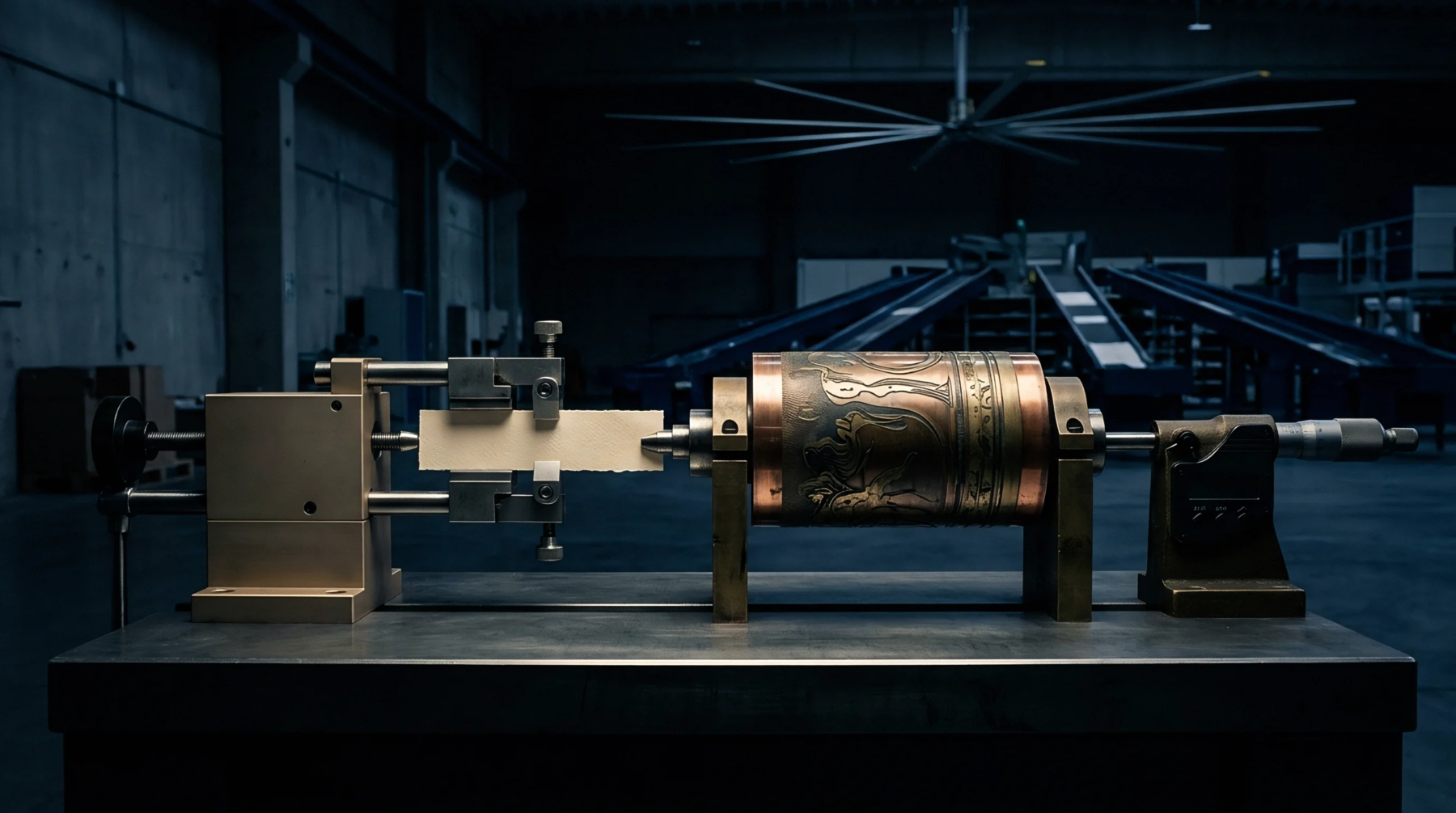
Laboratory rub testing evaluates matte overprint varnish durability by measuring specular gloss shifts and receptor color transfer under standardized shear loads.
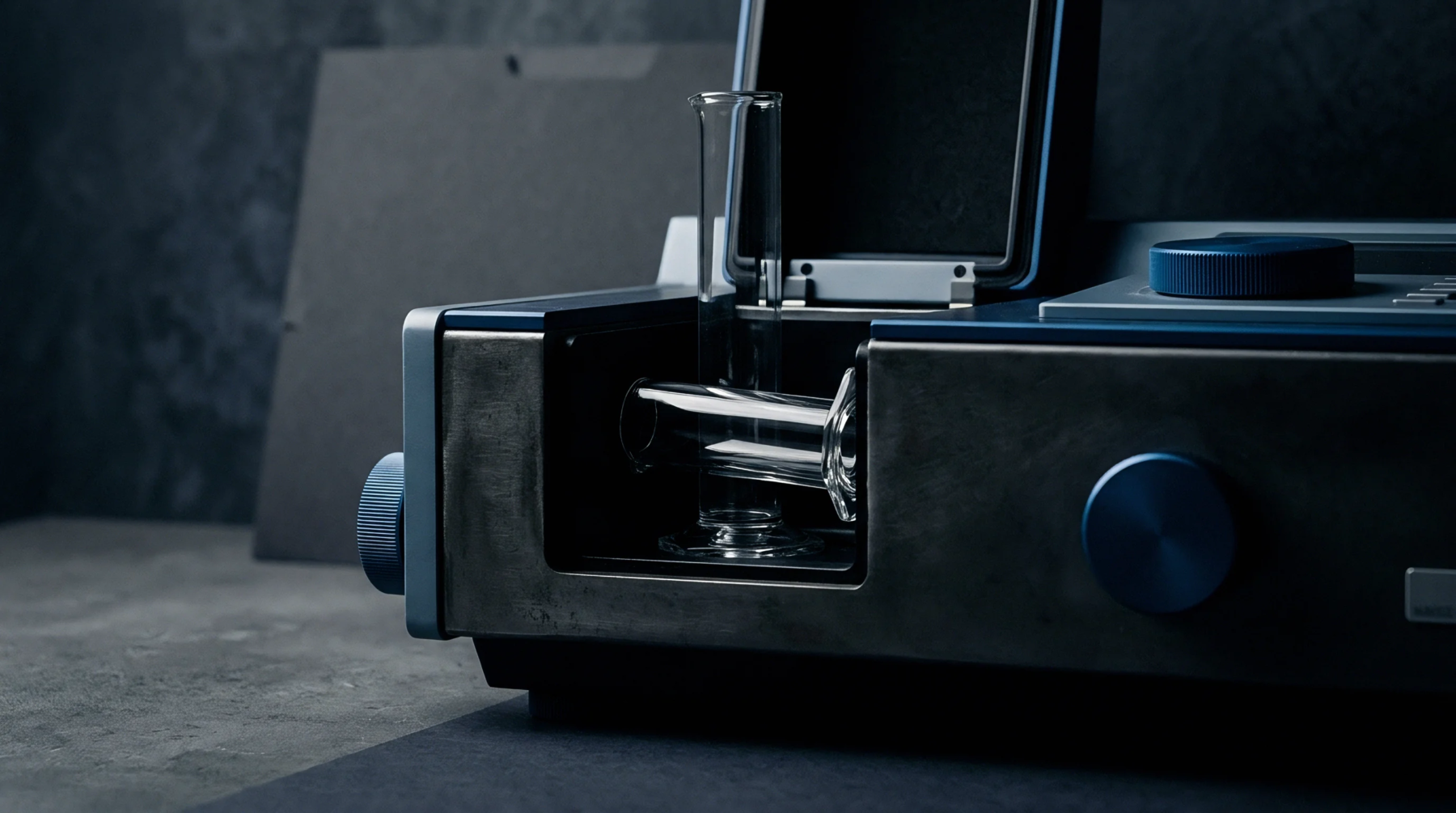
Sutherland rub sled pressure elevates specular gloss by shearing coating asperities into smooth optical planes, requiring hard crosslinked resins to limit delta gloss spikes.
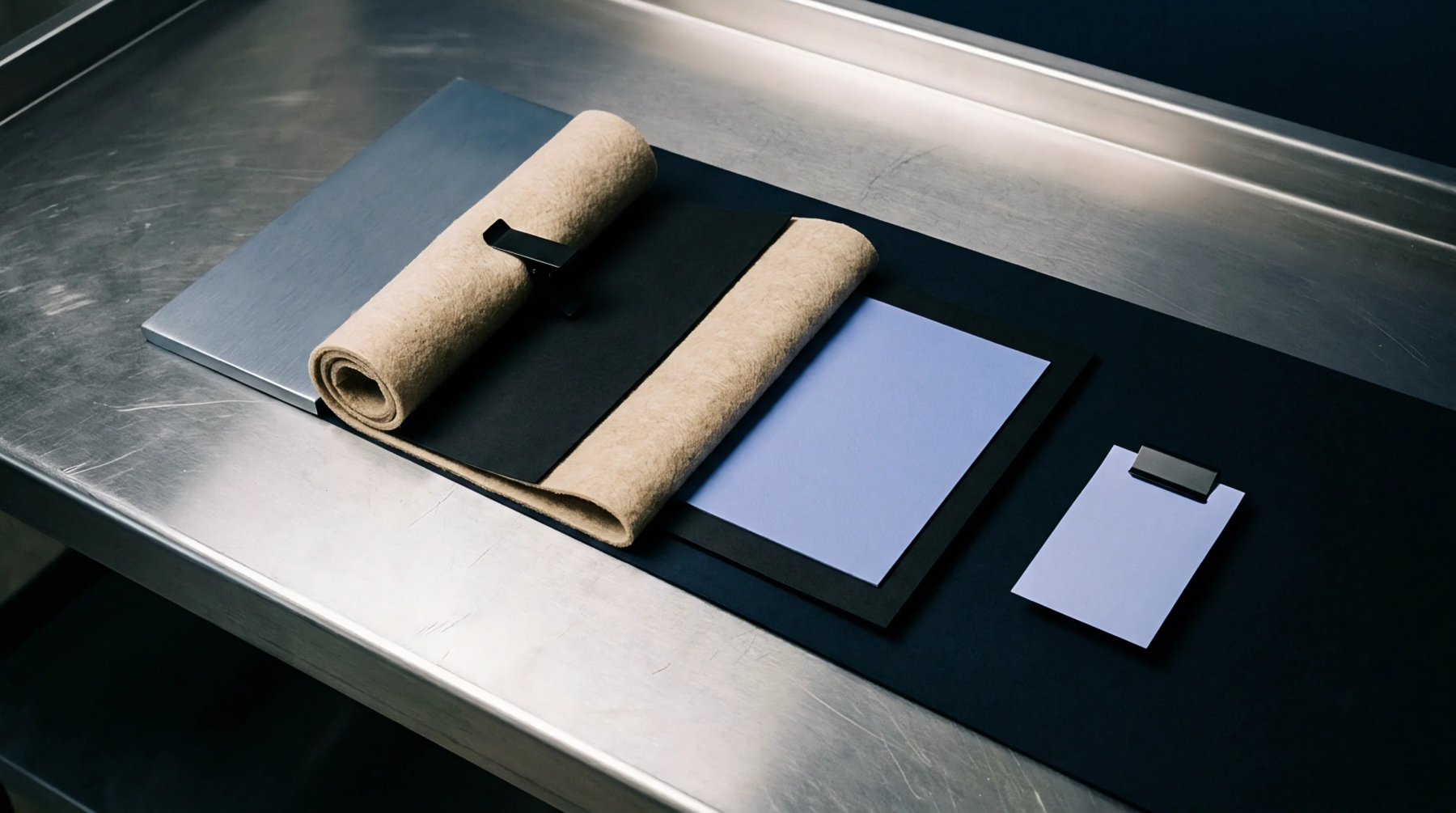
Standard laboratory burnish evaluation uses controlled sled friction and 60-degree delta gloss measurements to quantify matte coating asperity degradation.
Expertise is a utility, not a secret. sentiention™ publishes its working knowledge as open reference: intelligence layer covering the materials it sources, the markets it enters, and the reference that serves both.