Surface Sealant
Liquid resin applied over dried ink provides a protective barrier against abrasion and moisture in high speed converting lines. Printers utilize overprint varnish to modify the aesthetic finish or utility of a packaging substrate. The compound acts as a physical shield for the underlying graphics, preventing smearing or marking during the stacking and shipping phases.
Mechanical drying systems including ultraviolet light or heat tunnels initiate the polymerization of these formulations. This chemical transformation locks the film onto the paper fibers, establishing a wear resistant layer that maintains structural integrity.
Application Dynamics
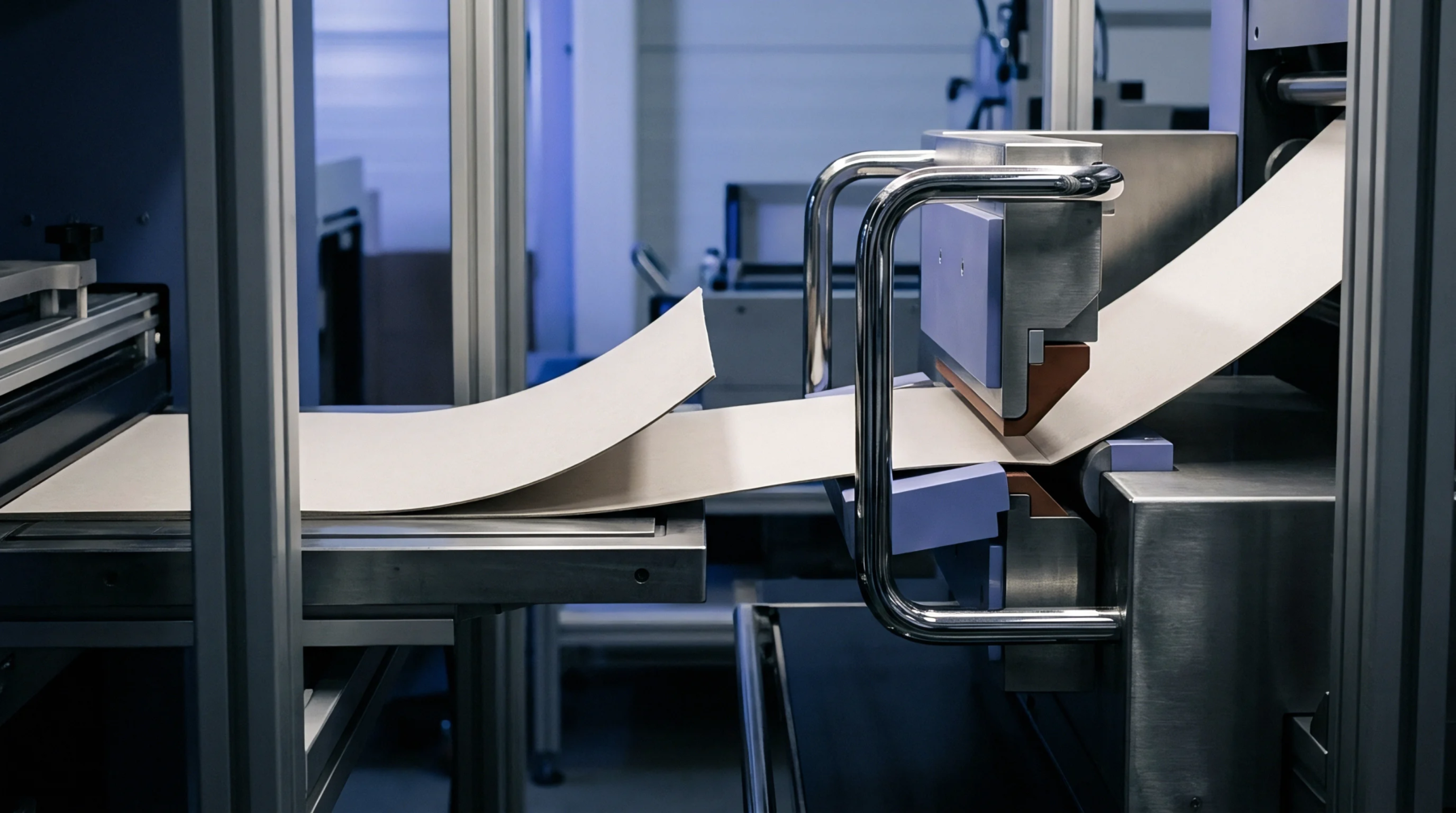
Precise metering occurs within the coating unit of a printing press through anilox rolls or rubber blankets that ensure even distribution. Operators adjust viscosity to match the porosity of the board and the speed of the transport belt. A thin layer prevents yellowing over white ink areas while maintaining sufficient slip for automated filling machinery.
Excess coating causes blocking or adhesion between stacked sheets, while insufficient coverage fails to protect against friction during transport.
Performance Boundaries
Chemical resistance and gloss level remain the primary metrics for judging quality in a production environment. Ultraviolet cured systems offer immediate hardening, while aqueous variants require prolonged heat exposure to drive off solvent carriers. These coatings alter the surface energy of a package, dictating the feasibility of secondary processes such as foil stamping or gluing.
Specialized additives reduce glare or increase tactile friction depending on the intended shelf appearance. Compatibility between the substrate and the coating remains the final determinant of product durability.