Standard Laboratory Rub Testing for Matte Overprint Varnishes
Laboratory rub testing evaluates matte overprint varnish durability by measuring specular gloss shifts and receptor color transfer under standardized shear loads.
Friction
Matte overprint varnishes achieve their non-reflective finish through controlled surface micro-roughness. Formulations distribute matting agents ~ primarily micronized synthetic silica particles or polymeric beads ~ throughout a liquid resin matrix. As the coating dries or radiation-cures, these solid particles protrude slightly above the polymer film, scattering incident light across multiple angles rather than reflecting it specularly.
This surface structure leaves the film mechanically vulnerable when coated sheets slide against one another under load during converting, packaging, and transit.
Laboratory rub testing evaluates two distinct breakdown modes on matte surfaces: burnishing and abrasion. Burnishing occurs when low to moderate sliding forces press protruding silica particles down into the underlying resin matrix without removing material from the substrate. This flattening transforms microscopic light-scattering peaks into polished plateaus, causing a localized rise in 60-degree and 85-degree gloss readings.
The result is shiny streaks or dark, polished patches across an otherwise uniform matte field, marring brand presentation long before the ink film beneath suffers physical damage.
Abrasive wear represents a severe mechanical breakdown where sliding contact shearing forces exceed the cohesive strength of the varnish film or its adhesive bond to the wet ink layer below. Shear forces dislodge matting silica particles from the crosslinked polymer web, turning free silica granules into aggressive abrasive media between the rubbing faces. As fiber rise accelerates this wear, continued movement gouges microscopic channels through the remaining clear varnish, exposing the printed ink layer to direct physical transfer onto adjacent packaging panels or shipping carton interiors.
Cohesive failure within matte overprint varnishes occurs when shear stress exceeds the internal strength of the polymer matrix containing high concentrations of embedded silica particles.
Dry sliding contact generates localized frictional heat along microscopic contact points, softening thermoplastic resin binders. In water-based acrylic matte systems, local temperatures at sliding micro-asperities easily surpass the glass transition temperature of the uncrosslinked resin polymer. Under load, softened binder smudges and drags displaced silica particles into compacted clusters, forming visible grey drag marks across dense black or dark print panels.
UV-curable matte coatings have higher glass transition thresholds, but severe frictional heat combined with heavy normal forces can still trigger micro-cracking along particle interfaces and destabilize the coating system.
Substrate flexibility amplifies mechanical stress on matte overprint coatings. As coated paperboard flexes in transit, compressive stress on the inner face and tensile stress on the outer face combine with surface-to-surface rubbing motion. Flexible folding boxboards with low internal bond strength deform under contact pressure, forcing the rigid matte layer to fracture cleanly along silica stress concentrations.
These micro-fractures reduce resistance to subsequent abrasive motion, causing rapid film delamination and dust generation in automated filling equipment.


Bench
Standardized mechanical rub testing requires strict physical control over normal load, stroke velocity, stroke length, and contact surface geometry. Laboratory instruments simulate field abrasion through mechanical motion, but differing instrument mechanics impart distinct stress profiles to the matte overprint varnish. Selecting an inappropriate testing apparatus or using uncalibrated contact pressure yields misleading durability data, either masking field vulnerabilities or driving unnecessary formulation over-engineering.

Instrument Mechanics and Contact Stress Configuration
The Sutherland Rub Tester uses an arc-dependent sliding motion to drag a weighted receptor block across a stationary sample sheet. Standardized test blocks supply contact pressures of 2 psi using a 908 gram weight, or 4 psi using a 1816 gram weight. This arc-like sweep causes non-uniform acceleration at stroke endpoints, subjecting edge boundaries to momentary pressure spikes that accelerate surface burnishing.
Taber Abraser instruments apply rotary shearing friction through two counter-rotating abrasive wheels, generating multi-directional surface forces far harsher than typical carton-to-carton sliding.
| Instrument Type | Motion Profile | Standard Normal Load | Primary Failure Mode Measured | Typical Test Speed |
|---|---|---|---|---|
| Sutherland Rub Tester | Reciprocating Arc | 908 g (2 psi) / 1816 g (4 psi) | Surface burnishing and ink transfer | 42 or 85 cycles per minute |
| Taber Abraser | Rotational Dual Wheel | 250 g / 500 g / 1000 g per arm | Severe abrasive film wear-through | 60 or 72 revolutions per minute |
| Crockmeter | Linear Reciprocating | 900 g total load | Color transfer and smudging | 60 strokes per minute |
| Danney Rub Tester | Linear Horizontal | Variable calibrated deadweights | Frictional burnishing resistance | 30 to 60 cycles per minute |
Linear reciprocating testers maintain uniform velocity across the central section of the test stroke, minimizing endpoint artifact errors. The Crockmeter utilizes a circular acrylic or rubber finger moving in a straight line, placing high localized stress on narrow test paths. While effective at detecting immediate surface smudging, the setup fails to simulate broad-area carton rub during ocean container transit.
Test operations mandate consistent room conditioning at 23 degrees Celsius and 50 percent relative humidity under ISO 187 parameters, since moisture content alters both paperboard stiffness and water-based varnish toughness.
Receptor Material Selection and Failure Mechanics
The surface properties of the receptor material attached to the weight strongly dictate test severity. Uncoated receptor papers act as harsh abrasives due to exposed cellulose fibers, whereas smooth coated receptor sheets better simulate carton-on-carton contact, with total stroke count defining the failure boundary.
- Uncoated Kraft Receptor exposed raw wood fibers pull silica particles rapidly from the matte varnish matrix, leading to premature abrasive coating failure.
- Coated White Receptor matches commercial carton surfaces, revealing subtle ink transfer and light burnishing marks without tearing the coating surface prematurely.
- Sandpaper Receptors generate immediate destructive wear, useful solely for determining absolute dry-film resin toughness under extreme grinding force.
- Saturated Felt Receptors hold test liquids uniformly against the sample to evaluate wet rub resistance and water-based varnish re-solubilization thresholds.
A matte overprint varnish can appear to pass five hundred cycles on a Sutherland tester without damage if tested with a smooth gloss receptor under a half-pound weight load. Standard commercial contracts therefore require full transparency regarding receptor stock weight, surface roughness, and exact block mass applied during verification.

Formulation
Formulating a matte overprint varnish requires balancing optical gloss reduction against mechanical film resistance. Adding matting agents disrupts the continuous crosslinked polymer film, creating points of structural weakness. Formulators alter particle size distribution, incorporate wax additives, and adjust resin chemistry to minimize burnishing without sacrificing low-gloss visual targets.
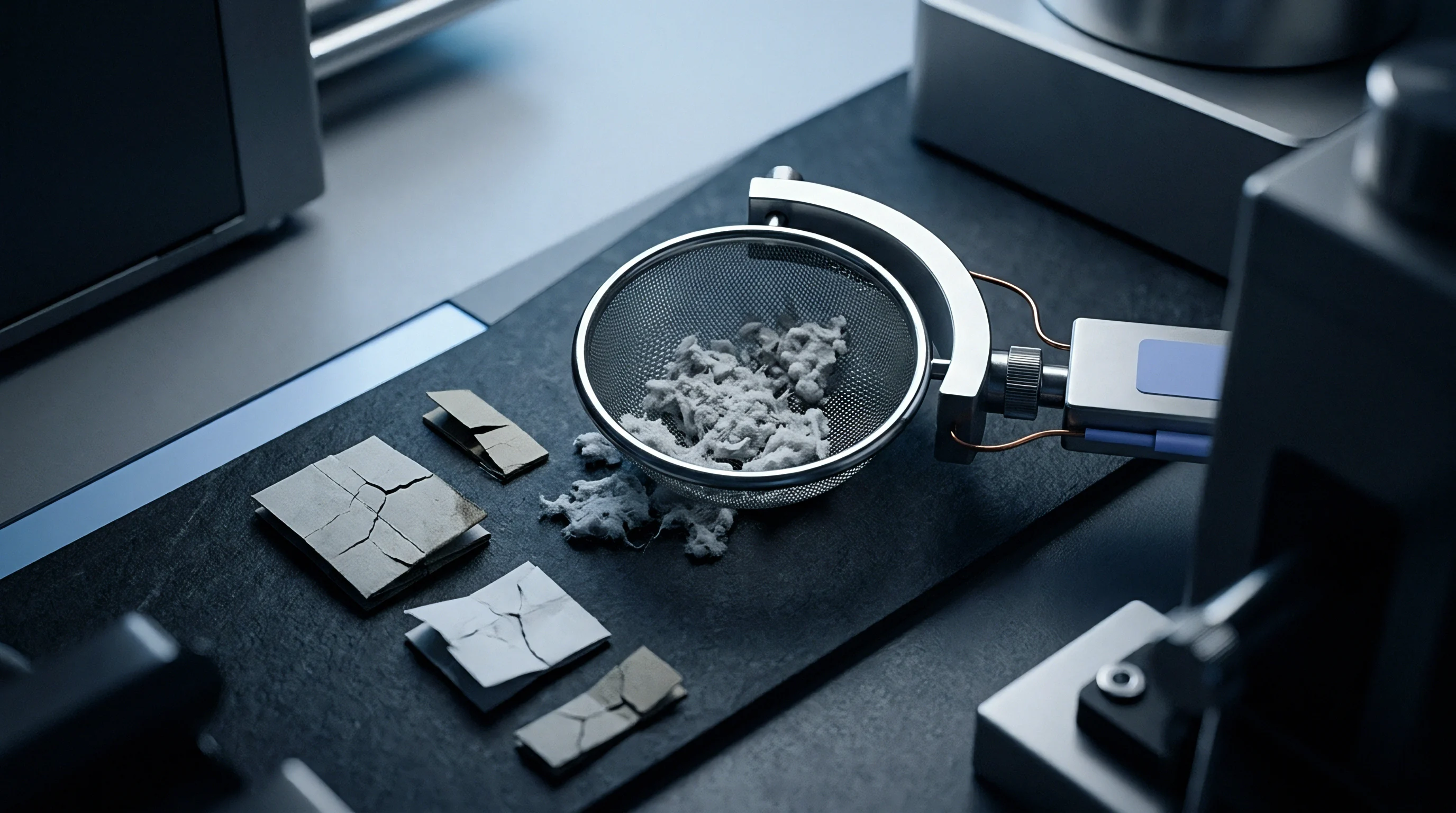
Why Do Low Wax Formulations Burnish Faster under Load?
Polyethylene and polytetrafluoroethylene wax particles migrate to the upper boundary of the varnish layer during flash-off and drying, establishing a low-friction surface barrier. This micron-thin slip layer reduces the coefficient of friction, allowing rubbing objects to slide over the surface rather than gripping and shearing the matte silica peaks. Formulations lacking adequate wax additives exhibit higher coefficients of static and kinetic friction, causing contact loads to transfer directly into the silica-laden polymer matrix as destructive shear forces.
Micro-wax additives lower the kinetic coefficient of friction below 0.22, preventing sliding contact loads from shearing matting silica particles out of the cured binder matrix.
The ratio of synthetic silica particle diameter to total dry film thickness governs varnish durability. When average silica particle size exceeds dry film thickness by more than thirty percent, protruding particles experience high leverage forces under sliding contact, causing premature dislodgement. Particles smaller than dry film thickness remain buried inside the resin coat, contributing zero matting performance while reducing cohesive resin strength.
Optimal formulations utilize tightly classified silica grades where median particle size equals approximately eighty percent of total dry film thickness, secured by polyolefin wax blends that buffer impact loads.
Dry film thickness directly dictates physical wear life, though thicker applications demand longer drying times. A thin layer of 1.0 gram per square meter lacks sufficient resin binder volume to anchor large matting silica grains, leading to rapid particle shedding under standard twenty-stroke laboratory rub tests. Increasing coat weight to 2.2 grams per square meter encapsulates matting particles securely while providing a sacrificial resin layer that absorbs sliding wear before exposing underlying inks.
Incorrect cure levels in energy-curable matte varnishes fundamentally alter rub test outcomes. Under-cured UV matte coatings retain unreacted photoinitiators and monomeric fractions, leaving a soft film that smudges instantly under low contact loads. Excessive free-radical polymerization yields an ultra-hard, brittle matrix incapable of absorbing impact shear, resulting in micro-chipping along silica interfaces when subjected to mechanical vibration.
High resin crosslinking density protects matte surfaces, provided the cured film retains enough micro-elasticity to absorb shear loads.

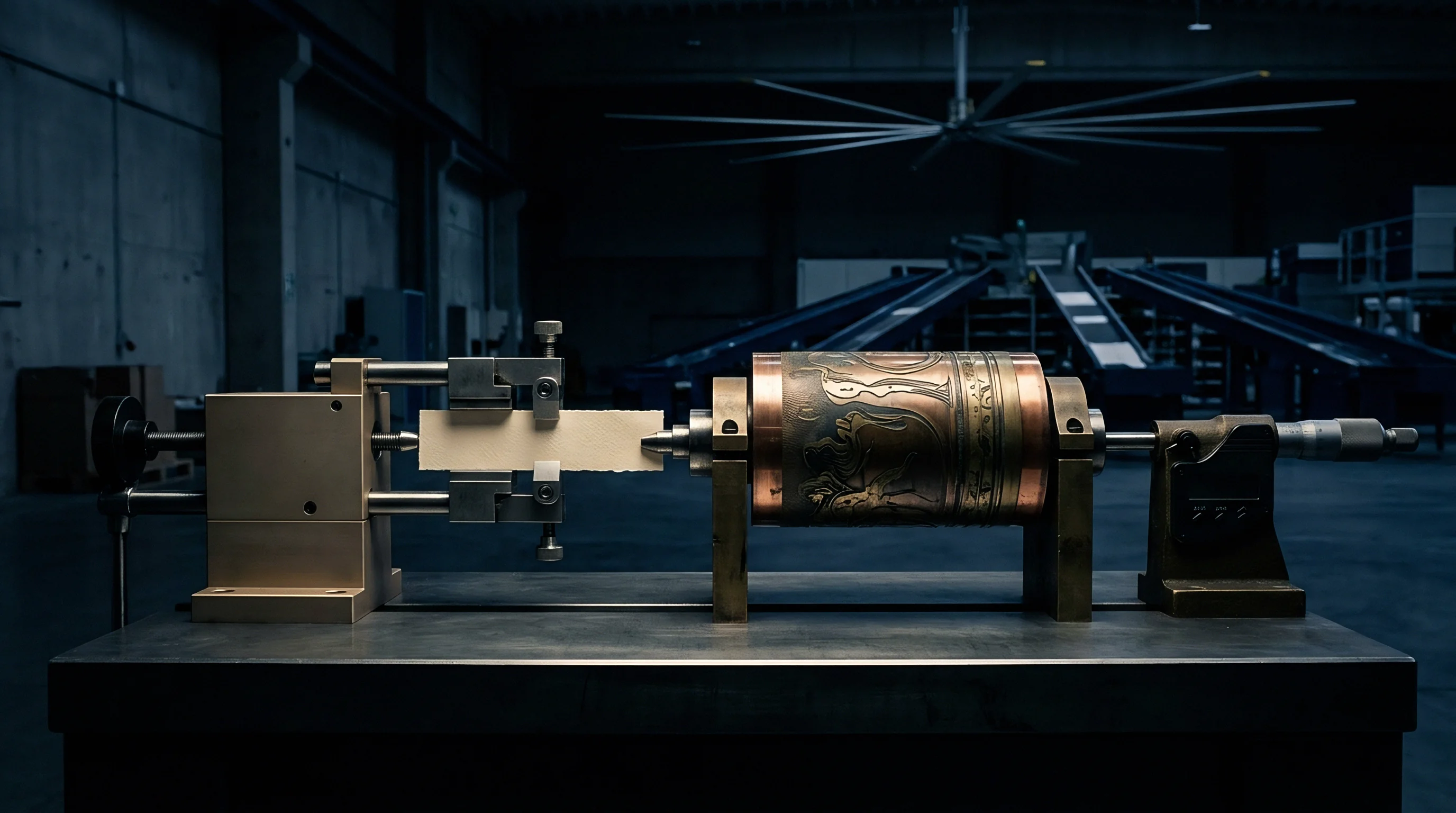
Standards
Standardized testing methods establish clear laboratory procedures for executing rub tests and quantifying surface degradation. Relying on visual inspection introduces operator bias, as individual operators evaluate burnishing and ink transfer differently under varying lighting conditions. Quantitative evaluation combines optical gloss meters, spectrodensitometers, and digital image analysis to establish repeatable quality thresholds.
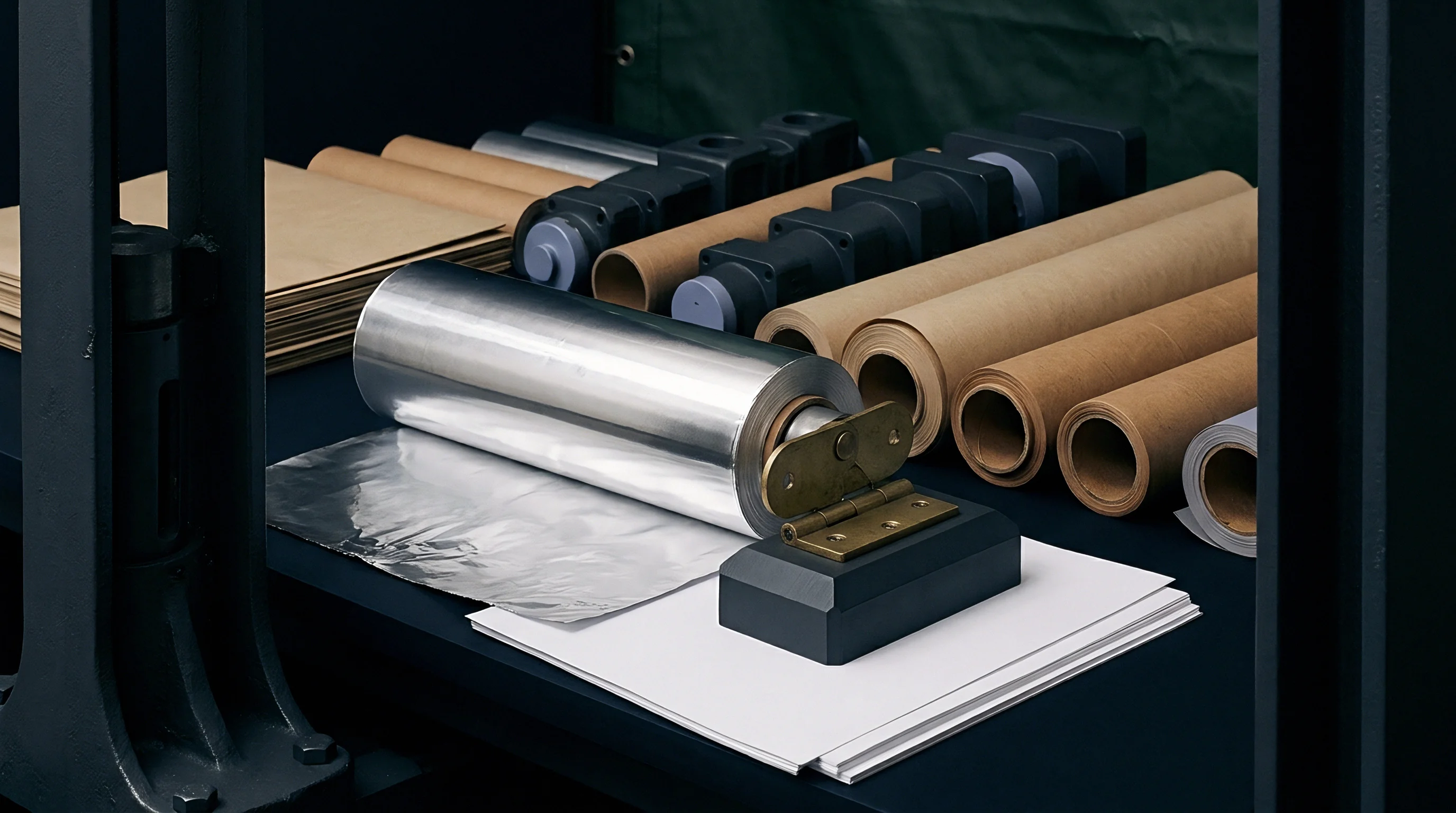
Standard Test Protocols and Execution Parameters
TAPPI T 830 and ASTM D5264 serve as benchmark standards for evaluating rub resistance of printed packaging materials using reciprocating tester configurations. BS 3110 specifies alternative British standard procedures for assessing print durability under dry, wet, and oil contact environments, where density losses mark complete varnish breakthrough. Standard test execution demands precise adherence to sample conditioning, stroke counts, and weight configurations.
| Standard Code | Governing Body | Primary Test Scope | Standard Test Load | Specified Receptor Type |
|---|---|---|---|---|
| TAPPI T 830 | TAPPI | Containerboard print abrasion testing | 1.8 kg (4 lb) or 0.9 kg (2 lb) | Unprinted board or matching stock |
| ASTM D5264 | ASTM International | Printed material rub resistance | 0.9 kg (2 lb) and 1.8 kg (4 lb) | Standardized white receptor paper |
| BS 3110 | BSI Group | Print rub and scuff resistance | Variable calibrated block loads | Specified unprinted paper stock |
| ISO 105-X12 | ISO | Color fastness to rubbing | 9 N (approximately 0.92 kg) | Standardized white cotton cloth |
Standardized test routines isolate functional varnish failure from minor visual smoothing through sequential quantification steps, relying on spectrodensitometers and spectrophotometers to measure ink transfer accurately.
- Cut test specimens to precise machine dimensions, taking care to eliminate boundary burrs that elevate local rub pressure.
- Condition all cut specimens at 23 degrees Celsius and 50 percent relative humidity for a minimum of twenty-four hours inside an environmental chamber.
- Measure baseline specular gloss on the un-rubbed matte varnish surface using an 85-degree geometry gloss meter across five distinct sample locations.
- Mount the test specimen firmly onto the instrument bed, ensuring zero planar bowing or air entrapment beneath the sheet.
- Attach the specified receptor stock cleanly to the weight block, securing side clamps without wrinkling the receptor surface.
- Run the testing machine for the contracted cycle count, standardizing on fifty cycles for dry rub and twenty cycles for wet or solvent rub tests.
- Remove the receptor stock and calculate the Delta E color change on the receptor face relative to an unexposed white control sheet using a 45/0 spectrodensitometer.
- Remeasure 85-degree specular gloss across the rubbed path, recording gloss variance as a percentage increase over baseline values.
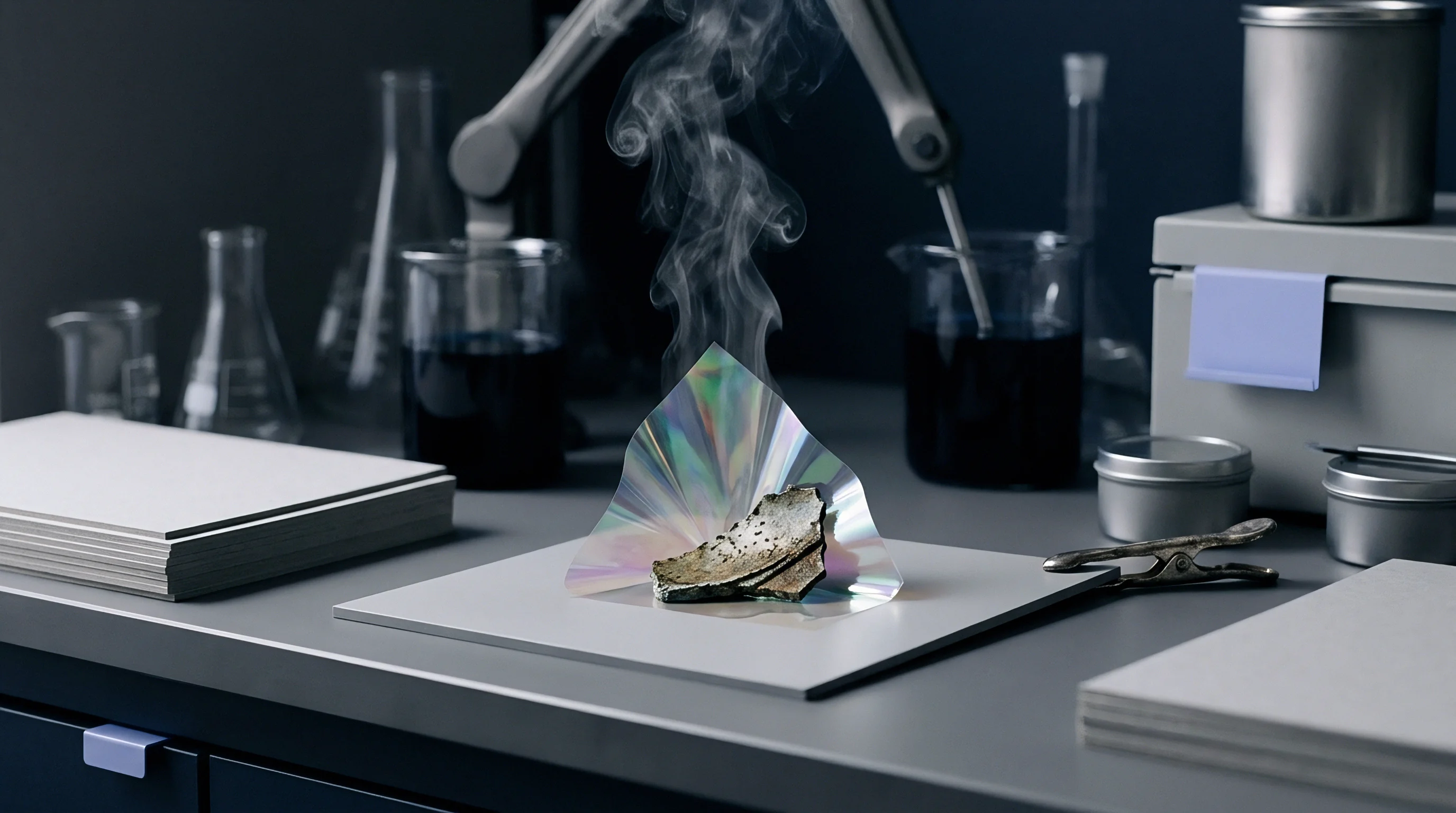
Quantitative Failure Criteria and Thresholds
Establishing concrete failure metrics prevents commercial disputes between converting plants and consumer product goods buyers over issues like carton jams on packaging lines. Burnishing failure occurs when 85-degree gloss values along the rubbed track increase by more than twelve gloss units over baseline measurements. A gloss delta exceeding this threshold indicates substantial micro-roughness smoothing, creating visible aesthetic defects on retail shelves.
Abrasion wear failure occurs when the spectrodensitometer registers a color shift Delta E greater than 1.5 on the clean white receptor sheet. Color transfer above this level confirms that the matte overprint varnish layer suffered complete mechanical breakdown, allowing raw ink pigments to migrate off the paperboard surface. Quality assurance specifications in commercial print procurement contracts mandate that matte overprint varnish lots maintain Delta E values below 1.0 after fifty strokes under a four-pound load.
A purchase order contract clause reading “Matte overprint varnish failure occurs if 85-degree gloss shifts by more than eight units or receptor color transfer exceeds Delta E 1.2 under ASTM D5264 conditions” establishes an enforceable quality threshold that overrides subjective operator visual opinions.

Ledger
Formulating, applying, and verifying matte overprint varnishes involves direct trade-offs between raw material costs, press make-ready waste, coater efficiency, and downstream logistics liability. Selecting an excessively durable matte varnish chemistry increases fluid costs per square meter, while under-specifying coat weight exposes entire production lots to transit abrasion rejections.
Cost Mechanics of Matte Varnish Systems
Matte overprint varnishes carry premium pricing relative to standard gloss overprint formulations due to expensive matting silicas, micronized synthetic waxes, and specialized dispersant additives. High matting agent loads increase liquid coating viscosity, demanding dedicated chambered doctor blade systems or specialized roller coaters to maintain uniform transfer. Coat weight selection directly controls production economics and physical rub performance.
| Varnish Formulation Class | Applied Dry Film Weight | Dry Rub Resistance (Cycles to Failure) | Relative Varnish Material Cost | Recyclability Impact (PTS Method) |
|---|---|---|---|---|
| Standard Water-Based Matte | 1.2 to 1.5 g/m² | 25 to 35 cycles | Baseline (1.0x) | Fully recyclable, high yield |
| High-Rub Water-Based Matte | 2.0 to 2.5 g/m² | 75 to 100+ cycles | 1.35x baseline cost | Fully recyclable, standard yield |
| Standard UV-Curable Matte | 1.8 to 2.2 g/m² | 50 to 70 cycles | 1.80x baseline cost | Passes with deinking penalty |
| High-Rub Polymeric Bead UV Matte | 2.5 to 3.0 g/m² | 150+ cycles | 2.40x baseline cost | Requires specialized deinking pass |
Press waste during bring-up represents a substantial financial factor. Adjusting matte varnish coat weight and drying energy on an inline flexo or tower coater consumes sheet inventory rapidly. Insufficient drying energy leaves sticky varnish surfaces that block in the delivery pile, while excessive hot-air drying shrinks the paperboard, causing register drift on subsequent converting passes.
Increasing matte varnish wet coat weight from 1.5 to 2.5 grams per square meter raises raw material expenditure by 40 percent while reducing transit-related carton scrap by over 90 percent.

Commercial Procurement Decision Criteria
Navigating the balance between finish aesthetics, mechanical durability, and run economics requires clear technical validation prior to committing print production volume. Decision parameters evaluate the full lifespan of the package.
- Transit Stress Profiling maps shipping route vibrations against laboratory stroke counts, preventing under-specification for long-haul intermodal freight distribution.
- Recyclability Grading Assessment evaluates whether high wax or specialized crosslinked polymer additions hinder paperboard repulpability under European packaging waste regulations.
- Food Contact Regulatory Compliance confirms that matting agents and migration-prone slip additives comply with EU Regulation 1935/2004 and FDA direct food exposure rules.
- Press Make-Ready Allowance calculates initial setup scrap volume required to stabilize coater blade pressure, pump circulation rates, and drying temperature profiles.
A packaging engineer balancing unit costs against field failure liability must decide whether paying an extra three dollars per thousand printed sheets for high-rub micro-bead matte varnish offers true economic protection against a potential fifty-thousand-dollar retailer rejection for scuffed shelf packaging.