Testing Disintegration Kinetics of Polyhydroxyalkanoates in Ambient Garden Compost Piles
Polyhydroxyalkanoate ambient disintegration kinetics depend on monomer ratios, crystal density, and pile moisture, requiring certified gauge limits for compliance.

Polymer
Polyhydroxybutyrate homopolymers feature high glass transition temperatures and structural crystallinity that restrict enzymatic access to ester linkages. Bacteria such as Cupriavidus necator synthesize these aliphatic polyesters as internal energy reserves. The chemical architecture of the biopolymer dictates both its mechanical behavior and its susceptibility to biological degradation in unheated soil.
When built strictly from 3-hydroxybutyrate units, the homopolymer forms rigid, highly crystalline domains after thermal processing. Crystallinity levels frequently exceed sixty percent in neat resin formulations. These dense crystalline matrices block extracellular enzymes from penetrating the core, confining hydrolysis primarily to amorphous surface regions.
Consequently, neat homopolymers degrade slowly at ambient temperatures, taking extended periods to achieve measurable mass loss without added heat.
Copolymerization alters the physical structure by introducing side-chain heterogeneity into the polymer backbone. Synthesizing poly(3-hydroxybutyrate-co-3-hydroxyvalerate) through the addition of propionic acid or valeric acid precursors during fermentation reduces polymer chain packing efficiency. The inclusion of 3-hydroxyvalerate monomer units depresses both the melting point and the glass transition temperature.
Lowering overall matrix crystallinity exposes a larger fraction of ester bonds to microbial attack. Advanced bacterial fermentation techniques also allow the synthesis of poly(3-hydroxybutyrate-co-4-hydroxybutyrate) and medium-chain-length variants. Incorporating 4-hydroxybutyrate units introduces structural flexibility that significantly lowers crystal density.
Amorphous polymer regions undergo rapid abiotic water absorption, which swells the matrix and facilitates depolymerase diffusion.
Degree of crystallinity ultimately dictates how deeply microbes and their enzymes can penetrate the material.

Monomer Ratio and Crystallinity Controls
Incorporating hydroxyvalerate units into the polyhydroxybutyrate backbone lowers both the melting point and crystal density. Pure homopolymers containing zero percent valerate display melting temperatures near one hundred and eighty degrees Celsius, forming spherulitic structures that resist biological cleavage. Increasing valerate content to twelve molar percent lowers the melting temperature to approximately one hundred and fifty degrees Celsius while pulling overall matrix crystallinity below forty-five percent.
Laboratory evaluation of polyhydroxyalkanoate film samples shows a forty percent reduction in degradation velocity when crystal density exceeds sixty percent. Higher valerate fractions yield flexible materials with accelerated degradation rates under ambient conditions. Molecular weight further modulates this kinetic response: high molecular weight polymers exceeding five hundred thousand Daltons require initial non-enzymatic thermal hydrolysis or chain scission before microbial esterases can process terminal monomer units effectively.
Processing conditions during film extrusion or injection molding set the final morphological state of the packaging material. Rapid cooling of extruded film stock quenches the amorphous phase, temporarily suppressing crystal growth. Secondary crystallization occurs over weeks of storage at ambient room temperature, progressively hardening the matrix and altering baseline surface accessibility.
Extrusion additives, such as nucleating agents or plasticizers, alter these kinetics further. Inorganic nucleating agents like boron nitride or talc produce smaller, more numerous spherulites. Small spherulites increase inter-spherulitic amorphous boundaries where microbial enzymes initiate cleavage.
Synthetic organic plasticizers may leach out into soil matrices, creating micro-voids that accelerate water absorption while altering local microbial populations.
| Resin Grade | Valerate Content (mol %) | Crystallinity (%) | Glass Transition Temperature (°C) | Disintegration Half-Life at 20°C (Days) |
|---|---|---|---|---|
| PHB Homopolymer | 0.0 | 68.5 | 4.2 | 145 |
| PHBV Copolymer 5% | 5.2 | 54.1 | 1.8 | 98 |
| PHBV Copolymer 12% | 12.4 | 41.0 | -2.5 | 62 |
| P3HB4HB Copolymer 10% | 0.0 (10% 4HB) | 36.8 | -7.1 | 44 |
| mcl-PHA Blend | Alkylate side-chains | 22.4 | -28.0 | 28 |
Surface Area Mechanics and Caliper Thresholds
Extruded film thickness governs the surface area exposed to extracellular microbial esterases during degradation. Because microbial enzymes cannot diffuse deep into solid hydrophobic polymers, their action remains restricted to the solid-liquid interface. The degradation rate of a solid polyhydroxyalkanoate article scales directly with total exposed surface area rather than specimen volume.
Thin blown films of twenty-five micron caliper offer high surface-to-mass ratios, accelerating mass loss rates per gram of material. Heavy rigid sheets measuring five hundred microns present low surface-to-mass ratios, resulting in prolonged structural persistence despite identical chemical monomer ratios. Linear surface erosion rates ~ measured in micrometers of surface depth removed per day ~ remain constant for a given polymer formulation under fixed microbial activity levels, typically ranging from 0.5 to 2.5 micrometers per day in temperate soil environments.
Enzymatic breakdown occurs almost entirely at exposed surface interfaces.
Structural orientation introduced during biaxial film stretching aligns polymer chains tightly along processing axes. Strain-induced crystallization increases directional density and restricts enzyme attachment pathways. Unoriented cast films undergo faster enzymatic degradation than biaxially oriented films of identical chemical composition.
Surface roughness also dictates initial colonization kinetics. Smooth polished packaging surfaces delay fungal hyphae anchoring and bacterial biofilm formation. Corona treatment or surface embossing creates micro-topographies that increase effective contact area, lowering the lag phase before active mass loss begins.
Polyhydroxybutyrate co-valerate with an eight percent valerate fraction achieves ninety percent mass loss within twenty-four weeks in soil maintained at twenty-two degrees Celsius.
Formulation strategies blending polyhydroxyalkanoates with starches, thermoplastic starch, or polylactic acid introduce complex multi-phase degradation kinetics. Soluble starch components dissolve or degrade rapidly upon exposure to soil moisture. Starch removal creates porous sponge structures inside the bioplastic matrix.
These internal pores dramatically increase the effective surface area available for enzymatic colonization. Polycaprolactone or polybutylene adipate terephthalate additions alter phase morphology depending on domain compatibility and processing shear. Compatibilizers introduced to stabilize these immiscible polymer blends alter water absorption velocities and modify microbial access to ester bonds across internal phase interfaces.
Thicker film gauges demand longer incubation windows regardless of chemical modification.

Soil
Backyard compost piles experience seasonal temperature swings that frequently drop below mesophilic bacterial activity thresholds during winter months. Unmanaged home compost environments differ structurally from municipal industrial composting facilities. Industrial windrows maintain sustained thermophilic conditions between fifty-five and sixty-five degrees Celsius driven by high metabolic heat retention.
These thermophilic temperatures exceed the glass transition temperature of many bioplastics, softening amorphous regions and accelerating non-enzymatic chemical ester hydrolysis. Ambient garden piles depend entirely on seasonal weather trends, solar radiation, and local atmospheric moisture levels. Operating temperatures in home heaps frequently remain within a mesophilic band of ten to thirty degrees Celsius, occasionally dropping to ambient sub-zero temperatures during winter periods.
Under ambient mesophilic conditions, abiotic hydrolysis proceeds slowly, shifting the primary degradation mechanism almost entirely to direct microbial enzymatic cleavage.
Microbial community composition in garden soil fluctuates based on available carbon sources, nitrogen levels, and aeration frequency. Extracellular polyhydroxyalkanoate depolymerase enzymes are secreted by specific bacterial and fungal species. Gram-positive bacteria such as Streptomyces, Bacillus, and Rhodococcus, alongside Gram-negative genera like Pseudomonas, secrete extracellular enzymes capable of hydrolyzing insoluble polymers into soluble hydroxyalkanoate oligomers and monomers.
Fungal populations, including Aspergillus, Penicillium, and Trichoderma species, penetrate solid substrate surfaces using hyphal structures. Fungal hyphae exert physical mechanical pressure while secreting localized esterases. Soil environments lacking adequate microbial species diversity exhibit prolonged lag phases before significant polymer mass loss occurs.
Sufficient moisture is essential to sustain enzymatic cleavage kinetics.

Thermal Profiles and Seasonal Fluctuations
Ambient heaps remain bound to regional temperature fluctuations, rarely exceeding thirty-five degrees Celsius in temperate climate zones. Soil thermal dynamics follow diurnal and seasonal air temperature cycles, creating fluctuating kinetic rates for enzymatic cleavage. Enzyme catalytic activity increases with temperature according to the Arrhenius equation up to an optimum thermal threshold, typically between thirty and thirty-eight degrees Celsius for mesophilic enzymes.
Operating below fifteen degrees Celsius reduces enzyme turnover numbers significantly, causing mass loss to stall. Thermal stagnation during cold weather halts biological breakdown, extending total material persistence across multiple seasons. Small garden heaps under zero point five cubic meters volume lose thermal energy rapidly to the surrounding environment, preventing heat accumulation even during active microbial respiration phases.
Cold snaps effectively stall hydrolysis until temperatures recover.
Soil moisture content governs enzyme diffusion rates and microbial metabolic vitality across the compost bed. Polymer cleavage requires free liquid water to facilitate extracellular enzyme transport from microbial cells to the hydrophobic substrate surface. Water molecules participate directly in abiotic chemical cleavage of ester bonds along the polymer backbone.
Ideal soil moisture levels range between forty and sixty percent of maximum water holding capacity. Desiccation drops soil moisture below twenty percent, halting microbial respiration and drying out extracellular biofilms. Hydrophobic bioplastic surfaces repel aqueous soil solutions initially, creating localized moisture barriers.
Sustained hydration swells amorphous polymer domains, enabling enzymes to penetrate internal pore networks.
Microbial Depolymerase Density and Moisture Limits
Extracellular enzymes secreted by Streptomyces and Pseudomonas strains cleave ester bonds along polyhydroxyalkanoate chains when free water fills pore spaces. Nitrogen availability in the surrounding compost matrix balances the carbon-to-nitrogen ratio needed for robust microbial biomass synthesis. High carbon inputs from cellulosic garden waste or unblended bioplastics deplete available soil nitrogen reserves, creating nutrient limitations that constrain microbial growth.
Supplementing compost beds with organic nitrogen sources accelerates depolymerase production rates, shortening the degradation lag phase. Soil pH shifts also influence enzymatic cleavage efficiency. Depolymerase enzymes secreted by soil microorganisms exhibit narrow optimal pH ranges, typically between six point5 and eight point zero.
Organic acid accumulation in un-aerated anaerobic compost zones lowers local pH, inhibiting enzymatic activity and preserving bioplastic structures.
Fungal hyphae physically penetrate matrix pores to reach buried polymer surfaces.
Biological activity requires aerobic conditions to sustain rapid oxidative metabolism of intermediate cleavage products. Inadequate pile turning leads to localized oxygen depletion and anaerobic compaction. Anaerobic digestion of polyhydroxyalkanoates proceeds via alternative microbial pathways, yielding methane and volatile fatty acids alongside carbon dioxide.
Anaerobic cleavage velocities remain substantially lower than aerobic depolymerization rates in ambient soil matrices. Oxygen diffusion rates through dense soil pores regulate microbial respiration density adjacent to polymer surfaces.
- Inadequate Water Retention matrix moisture levels dropping below twenty percent restrict extracellular depolymerase movement and halt microbial ester cleavage.
- Thermal Stagnation ambient temperatures remaining under fifteen degrees Celsius depress enzyme turnover kinetics, extending material persistence across seasonal cycles.
- Nitrogen Starvation elevated carbon-to-nitrogen ratios in garden waste limit microbial biomass proliferation and reduce total secreted depolymerase volume.
- Anaerobic Compaction localized oxygen exhaustion shifts microbial pathways toward low-efficiency fermentation, slowing film disintegration rates.
Depolymerase activity slows when moisture drops below field capacity, extending fragmentation timelines regardless of chemical modification.
Soil mineral chemistry and organic matter content alter biofilm formation efficiency on polymer surfaces. Humic substances adsorb onto bioplastic films, creating conditioning layers that influence subsequent bacterial and fungal attachment. Clay-rich soils retain moisture effectively but may restrict oxygen diffusion, whereas sandy soils provide high aeration at the expense of moisture retention.
The interaction between soil texture, organic carbon content, and microbial population density creates high variability in ambient field degradation rates across geographical locations.
Whether localized fungal populations can sustain depolymerase secretion across multi-year freezing cycles without losing enzymatic efficiency remains unquantified across northern garden environments.

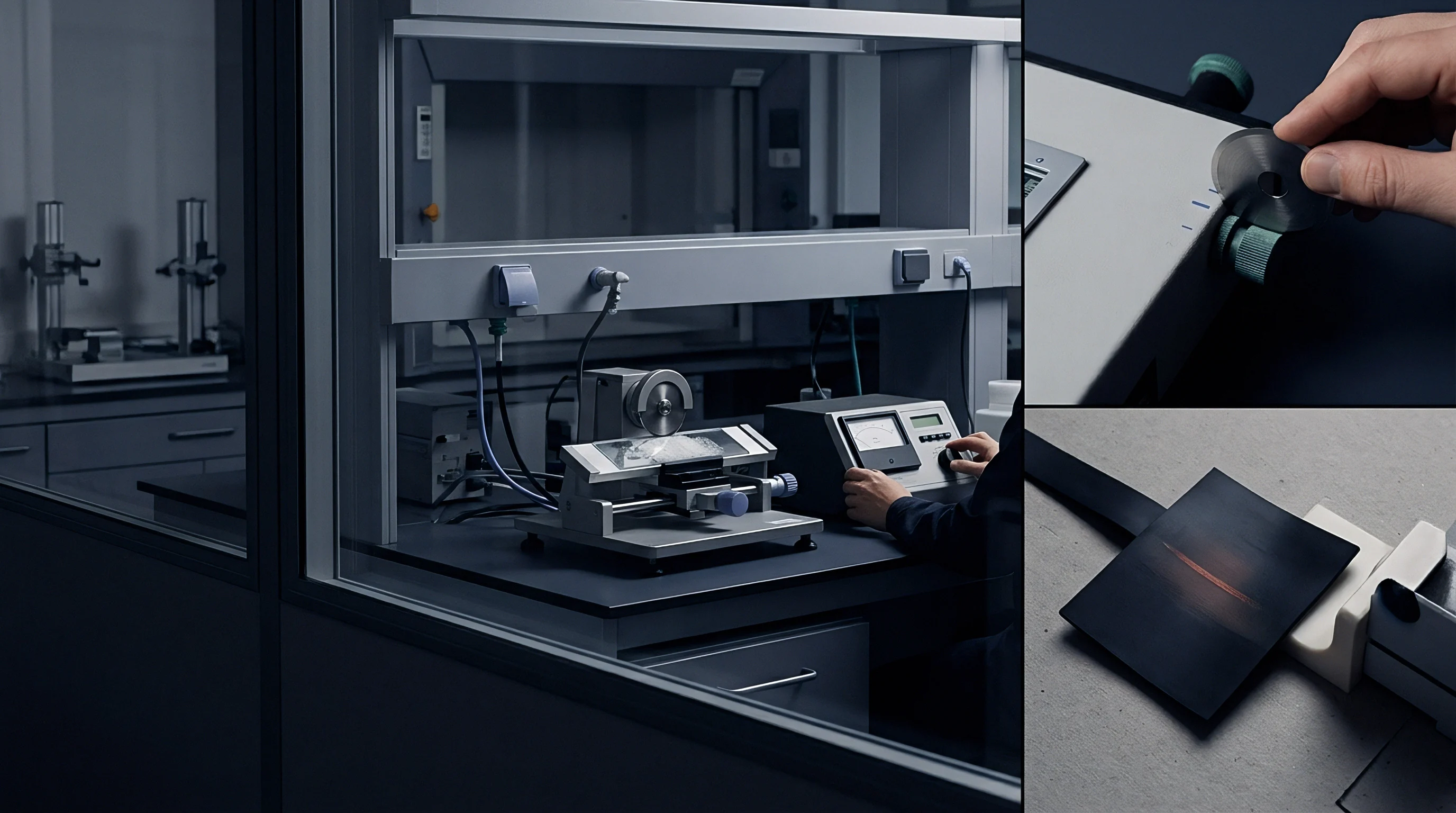
Exposure
Specimens placed in mesh retrieval containers experience localized moisture retention distinct from the surrounding uncontained matrix mass. Standardized field exposure protocols utilize retrieval bags fabricated from chemically inert synthetic mesh to evaluate material disintegration under ambient soil conditions. Mesh aperture size determines soil contact dynamics and microbial ingress while containing physical packaging fragments for gravimetric analysis.
Apertures measuring one millimeter permit free movement of soil microfauna, fungal hyphae, and bacterial suspensions while preventing the loss of degraded polymer fragments. Retrieval bags are buried at controlled depths within garden compost piles, typically between fifteen and thirty centimeters beneath the surface layer. Periodic retrieval of replicate bags enables time-series tracking of physical breakdown and molecular weight reduction kinetics.
Gravimetric mass loss measurements isolate physical macro-disintegration from full biological mineralization. Retrieved samples undergo careful washing with purified water to remove adhering soil particles and microbial biomass without leaching water-soluble degradation intermediates. Samples dry to constant weight under controlled relative humidity and temperature conditions before mass determination.
Gel permeation chromatography tracks changes in polymer molecular weight distribution during ambient exposure. Enzymatic cleavage decreases average molecular weight, broadening polydispersity indices prior to visible physical fragmentation. Respirometric assays measure carbon dioxide evolution to confirm that mass loss results from microbial respiration rather than physical dispersion or abiotic leaching.

Why Do Laboratory Standard Protocols Deviate from Backyard Realities?
Standardized testing environments enforce constant temperature, controlled moisture, and continuous microbial inoculum replenishment that open-air heaps cannot maintain. Laboratory test standards such as ISO 20200 and ASTM D6400 mandate controlled incubation temperatures of fifty-eight degrees Celsius to simulate municipal industrial composting. Test methodologies designed for ambient home composting, including NF T51-800, AS 5810, and ISO 14855, lower incubation temperatures to twenty-five degrees Celsius.
Standardized home compost assays maintain steady moisture levels at fifty-five percent of water holding capacity with defined air flow rates. Real backyard compost piles experience wetting and drying cycles, uneven aeration, and seasonal temperature swings that stall biological decay pathways. Reviewing test certificates submitted by resin converters requires examining the precise ambient conditioning parameters applied during respirometric measurement.
Physical mass loss invariably precedes complete biological mineralization.
Disintegration pass criteria under home compostability standards demand physical breakdown into small fragments within specified time limits. Standards require at least ninety percent of the original polymer mass to pass through a two-millimeter sieve after twenty-six weeks of incubation at ambient temperatures between twenty and thirty degrees Celsius. Sieve residue analysis quantifies residual structural fragments remaining in the matrix.
Material failing to clear the two-millimeter sieve boundary within the twenty-six week window fails home compostability qualification regardless of chemical biodegradability metrics. Extended incubation periods up to fifty-two weeks are occasionally applied in regional standards to evaluate recalcitrant bioplastic structures under low-temperature conditions.
| Standard Designation | Test Temperature (°C) | Maximum Duration (Weeks) | Disintegration Pass Limit (% Mass < 2mm) | Mineralization Pass Limit (% CO2 Conversion) |
|---|---|---|---|---|
| NF T51-800 | 25 ± 2 | 26 (Disintegration) / 52 (Mineralization) | ≥ 90% | ≥ 90% relative to reference |
| AS 5810 | 20 to 30 | 26 (Disintegration) / 52 (Mineralization) | ≥ 90% | ≥ 90% relative to reference |
| DIN CERTCO Home | 20 to 30 | 26 (Disintegration) / 52 (Mineralization) | ≥ 90% | ≥ 90% relative to reference |
| ISO 20200 (Modified) | 25 ± 2 | 26 (Disintegration) | ≥ 90% | N/A (Gravimetric only) |
| ASTM D6400 (Industrial) | 58 ± 2 | 12 (Disintegration) / 26 (Mineralization) | ≥ 90% | ≥ 90% absolute or relative |
| Method Note: Mineralization values reflect percentage relative to a suitable reference substrate such as microcrystalline cellulose under identical incubation parameters. | ||||
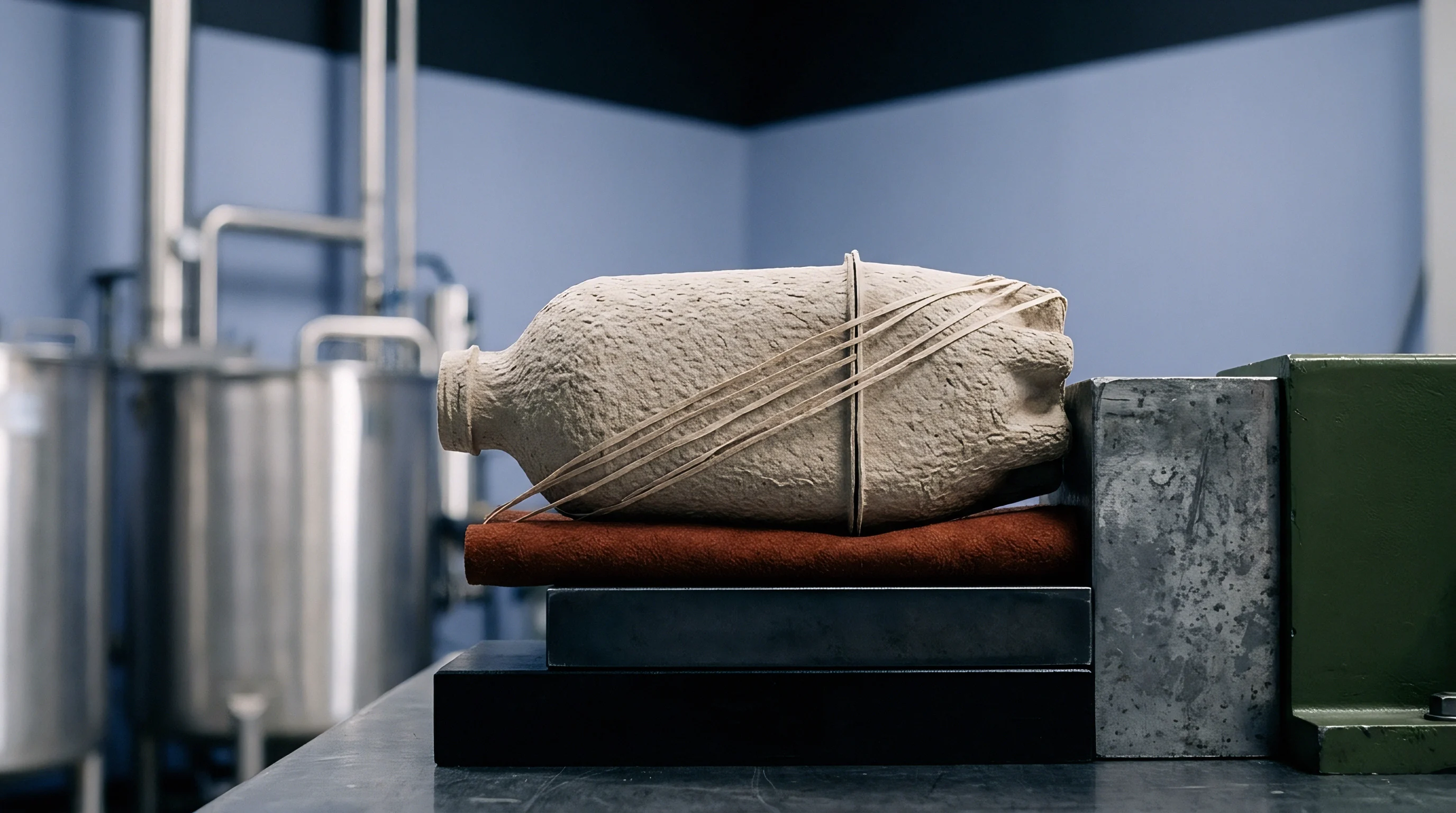
Respirometric Mass Balance and Disintegration Sieving
Gravimetric measurements of residual fragments passing through a two-millimeter mesh isolate physical breakdown from ultimate mineral carbon conversion. Respirometry systems trap evolved carbon dioxide gas using alkali absorption solutions or non-dispersive infrared sensors. Continuous carbon dioxide measurement establishes the ultimate conversion efficiency of organic carbon into inorganic end products.
Mineralization criteria demand ninety percent conversion of theoretical organic carbon to carbon dioxide relative to a cellulose reference material. Respirometric tracking differentiates between structural polymer breakdown caused by physical erosion and true metabolic conversion by soil microorganisms.
The proportion of sieve residue dictates whether a sample passes qualification.
Standardized soil matrices specified in exposure protocols balance sand, clay, and organic compost constituents to minimize test variability. Soil preparation involves sieving natural garden soils through two-millimeter screens to remove coarse stones and plant debris before adjusting moisture content. Inoculum preparation standardizes microbial starter populations to ensure test reproducibility across independent laboratories.
Deviations in soil source, pH, microflora diversity, or baseline nitrogen content shift measured degradation kinetics, creating challenges for cross-laboratory protocol comparisons.
- Sample swatches are cut to standard dimensions of twenty-five millimeters square and dried to constant weight at forty degrees Celsius prior to initial mass recording.
- Stainless steel mesh enclosures with one-millimeter apertures receive the weighed samples alongside standardized compost matrix with a moisture content adjusted to fifty-five percent.
- Incubation chambers maintain a constant ambient temperature of twenty-five degrees Celsius under continuous aeration for twenty-six consecutive weeks.
- Mesh containers are extracted at bi-weekly intervals to quantify gravimetric mass loss and measure average molecular weight changes via gel permeation chromatography.
- Final contents are washed through a two-millimeter sieve, dried at forty degrees Celsius, and weighed to calculate percentage disintegration compliance.
Testing under NF T51-800 mandates that structural film fragments passing a two-millimeter sieve comprise less than ten percent of original dry mass after twenty-six weeks.
Evaluating film breakdown under real-world field conditions requires accounting for soil fauna interactions. Earthworms, springtails, and mites ingest fragmented bioplastics during feeding activities. Microfauna gut environments harbor specialized bacteria that initiate internal enzymatic digestion.
Fragmented particles excreted by soil fauna exhibit reduced particle sizes and increased micro-porosity, accelerating subsequent microbial esterase attack across surrounding soil layers.
Failing to account for ambient temperature drops extends field disintegration beyond legal compliance windows, forcing pack redesigns and triggering inventory disposal liabilities.
Compliance
Documentary audit trails require verified scope certificates matching the exact gauge of extruded flexible film. Third-party certification bodies grant home compostability marks based on compliance with standards such as NF T51-800, AS 5810, or the TÜV OK Compost HOME scheme. Certification processes demand comprehensive laboratory test reports covering material characterization, disintegration performance, ultimate biodegradation, and heavy metal concentrations.
Certificates issued to resin producers cover specific base polymer formulations up to maximum accredited calipers. Packaging converters transforming certified resins into finished packaging pouches cannot claim automated compliance coverage if conversion processes alter material thickness, introduce uncertified inks, or apply multi-layer laminations.
Compliance audits verify that certified maximum thickness parameters match delivered conversion specifications. Certification scopes explicitly define upper thickness limits for tested materials. A polyhydroxyalkanoate film certified for home compostability at a maximum caliper of fifty microns carries no compliance validity when converted into a one hundred micron structural packaging bag.
Thicker material sections reduce specific surface area, extending disintegration timelines beyond mandatory standard limits. Converters must re-certify finished articles whenever wall thickness exceeds accredited certificate parameters. Verification registers maintained by certification organizations allow buyers to validate certificate registration numbers, accredited calipers, and holder entity names prior to placing commercial orders.
Certificates remain valid only up to specific tested material gauges.
Certificate Scope Validation and Maximum Thickness Thresholds
Certification bodies specify maximum wall thickness on test certificates because degradation kinetics scale non-linearly with increased gauge. Converting certified polyhydroxyalkanoate resins into functional packaging requires validating every component added during production. Printing inks, masterbatch colorants, barrier coatings, and adhesive layers modify the chemical composition of the final packaging structure.
Certification rules limit total organic additives to less than one weight percent of the complete packaging assembly unless additives undergo independent biodegradation and ecotoxicity testing. Inorganic fillers like calcium carbonate must conform to strict heavy metal concentration thresholds defined in standard specifications.
Rigorous audit trails protect importers and converters from unexpected compliance liabilities.
Chemical safety requirements under EN 13432 Annex A and NF T51-800 establish maximum concentration limits for hazardous elements in home compostable packaging substrates. Laboratory testing utilizes inductively coupled plasma optical emission spectrometry to quantify heavy metal concentrations in dry polymer samples. Fluorine limits are strictly enforced to restrict the inclusion of per- and polyfluoroalkyl substances used as processing aids.
Substrates exceeding statutory elemental thresholds fail compostability qualification due to downstream soil contamination risks during compost application.
| Element | NF T51-800 Limit (mg/kg dry matter) | EN 13432 Annex A Limit (mg/kg dry matter) | AS 5810 Limit (mg/kg dry matter) | Analytical Test Standard |
|---|---|---|---|---|
| Heavy Metals (Fluorine) | 100 | 100 | 100 | EN 14582 |
| Zinc (Zn) | 150 | 150 | 150 | EN 13657 / EN ISO 17294-2 |
| Copper (Cu) | 50 | 50 | 50 | EN 13657 / EN ISO 17294-2 |
| Lead (Pb) | 50 | 50 | 50 | EN 13657 / EN ISO 17294-2 |
| Arsenic (As) | 5 | 5 | 5 | EN 13657 / EN ISO 17294-2 |
| Cadmium (Cd) | 0.5 | 0.5 | 0.5 | EN 13657 / EN ISO 17294-2 |
| Mercury (Hg) | 0.5 | 0.5 | 0.5 | EN 13657 / EN ISO 17294-2 |

Chemical Composition and Ecotoxicity Qualification
Substrate formulations containing functional additives or colorants undergo heavy metal analysis verifying concentrations fall below statutory thresholds. Ecotoxicity testing validates that degraded packaging residues leave no toxic chemical residues in finished compost matrices. Standards mandate plant growth response assays using standardized plant species such as Summer Barley and Garden Cress.
Plant germination rates and biomass yield measured in soil amended with degraded packaging fragments must reach at least ninety percent of control soil values. Earthworm acute toxicity tests are occasionally integrated to verify microfaunal safety in terrestrial ecosystems.
The European Packaging and Packaging Waste Regulation sets updated compliance requirements for compostable packaging formats. Specific packaging applications, including tea bags, coffee pods, and light carrier bags, face mandatory home or industrial compostability requirements in target European markets. Green claims directives penalize unsubstantiated bio-based or compostability statements printed on commercial packaging.
Claims alleging home compostability demand accessible audit dossiers containing test reports matching shipped product specifications.
- Certificate Scope Matching verification that certificate registration codes, holder identity, and material designations correspond to delivered batch paperwork.
- Ecotoxicity Test Verification validation of plant germination and microfauna survival test results using degraded sample residues.
- Thickness Limit Verification measurement of maximum converted packaging wall thickness against accredited certificate caliper boundaries.
- Respirometric Data Check review of raw laboratory test data confirming carbon conversion rates exceed ninety percent under ambient conditions.
A home compostability mark granted for a fifty-micron film fails to protect an uncertified hundred-micron pouch at regulatory inspection.
Customs authorities and environmental protection agencies enforce strict claim verification at national borders. Importing packaging materials labelled as home compostable without valid certificates matching delivered stock results in customs detentions, forced relabeling, or mandatory inventory re-exportation. Importers carry full legal liability for supporting compliance declarations presented to regulatory enforcement officials.
Clause 4.3 of NF T51-800 restricts structural claim transfers when resin additives alter the baseline degradation rate by more than five percent.


Valuation
Procurement agreements without batch disintegration guarantees leave brand owners exposed to shelf delisting fines. Incorporating specialty polyhydroxyalkanoate resins into commercial packaging lines increases raw substrate costs significantly compared to conventional fossil-derived polymers. Virgin polyhydroxyalkanoate resins trade within price corridors between five and eight US dollars per kilogram, whereas conventional polyethylene resin prices hover near one dollar and fifty cents per kilogram.
Achieving home compostability compliance requires justifying resin price premiums through verified end-of-life performance and regulatory risk reduction. Procurement strategies evaluate raw material costs alongside potential regulatory non-compliance penalties, carbon offset values, and extended producer responsibility fee structures.
Incorporating strict indemnification schedules into packaging procurement agreements protects against non-disintegration penalties. Financial exposure arises when converted packaging fails market surveillance audits or consumer home composting trials. Procurement contracts assign compliance risk through detailed quality assurance provisions.
Material supply contracts define precise resin chemical specifications, valerate monomer percentages, maximum film gauges, and mandatory certificate validation steps. Failure of delivered batches to meet accredited disintegration kinetics triggers contractually mandated resin replacement, converted inventory scrap compensation, and reimbursement for associated regulatory fines.
Bio-based resin prices remain significantly higher than traditional options.
Supply Chain Liability and Warranties
Purchase contracts allocating environmental compliance risks specify financial indemnification when delivered rolls fail independent lab verification. Converting efficiency impacts the net landed cost of bio-based flexible packaging. Polyhydroxyalkanoates exhibit narrow thermal processing windows, lower melt strength, and sensitivity to thermal degradation during extrusion.
Processing polyhydroxyalkanoate resins requires precise temperature profile management along extruder barrels to prevent thermal depolymerization. Excessive heat during film blowing reduces polymer molecular weight, deteriorating mechanical tear strength while accelerating unpredictable disintegration behavior. Scrap rates on converting lines running bioplastics frequently exceed baseline levels established for conventional polyolefins, increasing total production costs.
Unsubstantiated marketing claims risk substantial regulatory fines.
Customs holds can rapidly disrupt supply chains and delay shipments.
Extended producer responsibility fee modulation frameworks increasingly penalize non-recyclable flexible packaging while offering fee reductions for certified home compostable substrates in target jurisdictions. Modulated fees alter total cost of ownership calculations for consumer packaging formats. Packaging formats achieving valid home compostability verification avoid high producer fees levied on non-recyclable multi-layer fossil plastic laminates.
Financial savings realized through producer fee reductions partially offset initial polyhydroxyalkanoate resin purchasing premiums over multi-year commercial supply agreements.
Landed Cost Metrics and Border Detention Protection
Customs authorities in jurisdictions enforcing mandatory packaging claims demand accredited laboratory evidence before clearing imported bio-based films. Risk mitigation strategies require establishing batch-level traceability files linking raw resin synthesis lots to converted packaging shipments. Quality control protocols collect retain samples from each production run for gravimetric mass loss verification.
Maintaining accredited technical dossiers reduces border detention risks, ensuring continuous product flow across international supply chains.
Commercial contracts define clear criteria for lot acceptance based on chemical and physical testing parameters. Monomer ratio validation via nuclear magnetic resonance spectroscopy verifies valerate content consistency across incoming resin lots. Differential scanning calorimetry measures melt temperature and enthalpy of fusion, confirming that resin crystallization behavior matches certified reference samples.
Incorporating rigorous incoming material qualification protocols prevents non-conforming polymer lots from entering packaging converting operations.
Incomplete degradation in backyard trials may reflect improper heap maintenance as much as polymer crystallization kinetics.