Biological Response
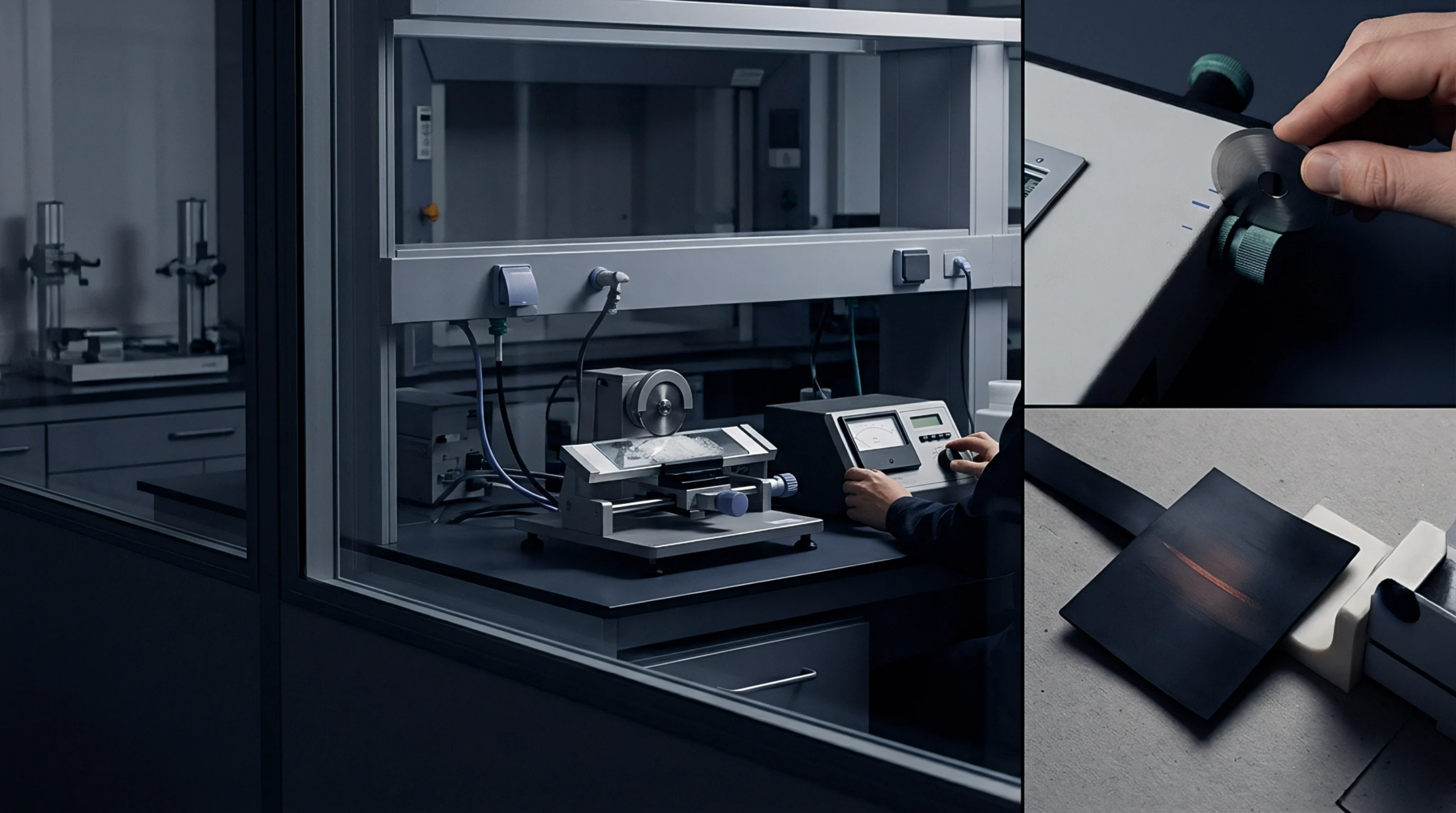
Aquatic bioassays measure the mortality and reproductive impairment of standard crustacean and algal species exposed to aqueous mill effluents during paper and board manufacturing. Effluent streams from mechanical pulping and chlorine dioxide bleaching lines carry resin acids and chlorinated phenolics that disrupt cellular membranes in Daphnia magna and Pseudokirchneriella subcapitata. Standardized toxicity protocols mandate five-day algal growth inhibition trials alongside forty-eight-hour daphnia immobilization tests to quantify median effect concentrations under controlled laboratory conditions.
Aqueous dilutions are prepared across a geometric concentration series to establish inhibitory thresholds without interference from suspended solids or fluctuating pH levels. Regulatory permits enforce strict dilution ratios before process water enters receiving aquatic ecosystems to protect local biodiversity from toxic chemical loading.
Effluent Compliance
Discharge oversight links chemical oxygen demand limits directly to biological toxicity endpoints enforced by environmental protection agencies. Water treatment plants at integrated paper mills neutralize acidic filtrates and precipitate heavy metals before biological aerated filters degrade soluble organic compounds. Effluent testing protocols track biochemical oxygen demand reductions against corresponding survival rates in standardized aquatic organisms to verify treatment efficacy.
Regulatory bodies penalize facilities exceeding acute toxicity thresholds regardless of whether chemical parameter concentrations remain within nominal permit limits. Continuous composite samplers collect proportional wastewater volumes over twenty-four-hour production cycles to capture operational variability across different paper grades and chemical additives.
Mill Mitigations
Advanced oxidation processes and membrane bioreactors eliminate endocrine disruptors and persistent resin acids prior to final discharge from the converting facility. Activated carbon filtration removes residual surfactants and optical brightening agents that bypass standard secondary biological treatment trains in recycled paper mills. Process engineers optimize chemical retention aids in the wet end to minimize additive losses to white water systems and reduce overall effluent toxicity loads.
Closed-loop water circuits concentrate dissolved solids, requiring specialized stripping columns to remove volatile organic compounds before biological polishing stages handle the remaining liquid stream.