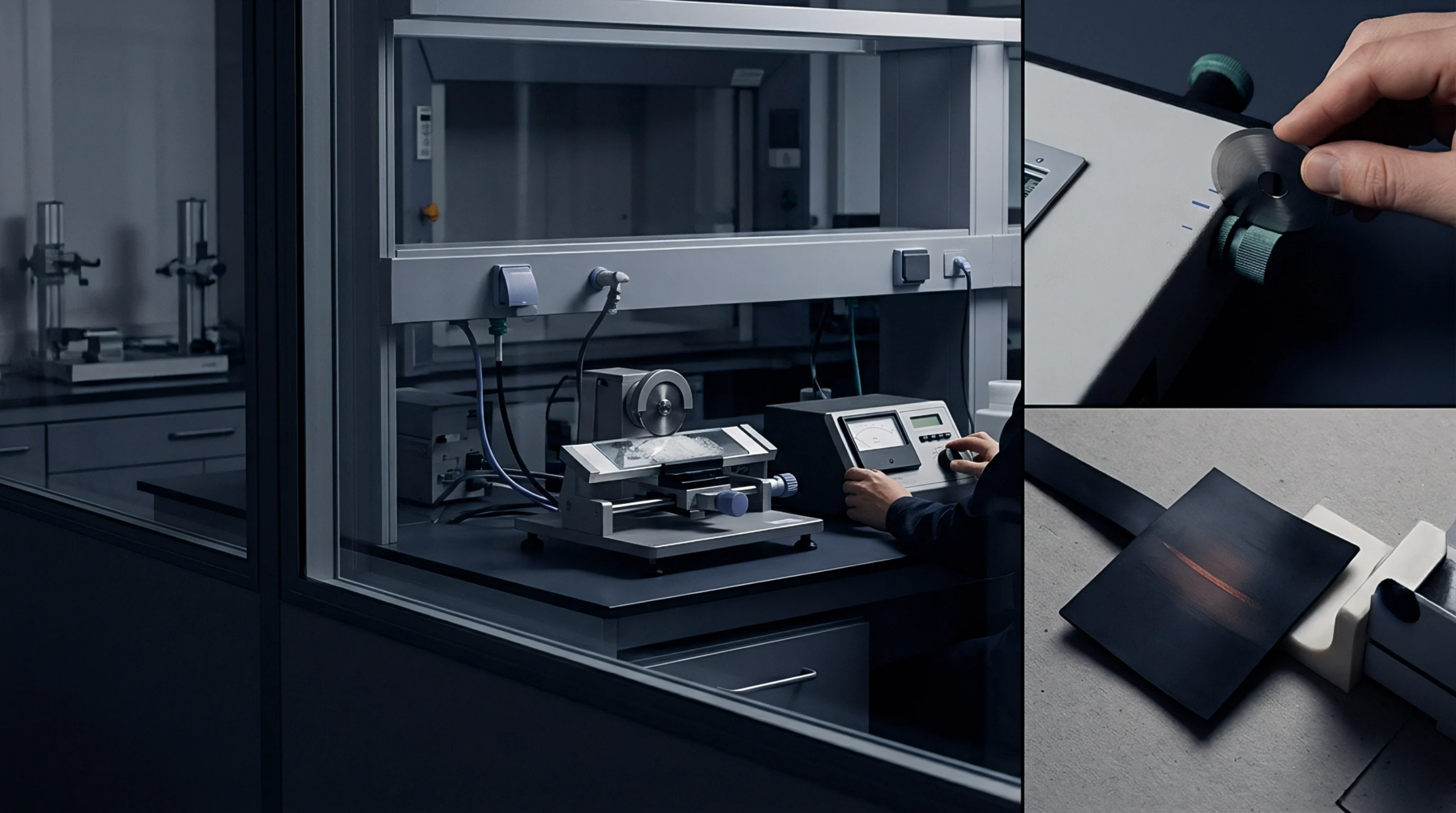
Validation Process
Comprehensive technical evaluation protocols determine the structural, chemical and optical suitability of a specific paperboard grade for automated converting and printing processes. Before a new mill board grade enters commercial production, substrate qualification establishes baseline parameters for ink absorption, surface smoothness, internal bond strength and creasing performance. Laboratory technicians subject sample rolls to standardized physical testing regimes, followed by trial runs on high-speed printing presses and folder-gluers.
Formal qualification prevents costly production downtime and commercial printing defects by verifying material performance prior to full-scale ordering.
Testing Sequence
Technical teams measure surface energy, cobb moisture absorption, smoothness and ply bond adhesion values across multiple sample lots. Trial converting runs monitor press runnability, ink drying times, varnish adhesion and score line cracking under simulated production conditions. Data collection protocols compare trial outcomes against established quality control limits, identifying potential defects like surface picking, dusting or board delamination.
Approved substrate qualification parameters form the technical baseline for future commercial raw material supply agreements.
Acceptance Boundary
Quality thresholds define the minimum physical and operational requirements necessary for substrate approval. Materials that fail key performance indicators like minimum bending stiffness or surface cleanliness undergo rejection or require mill process adjustments. Qualification approvals apply exclusively to specific paper machines, raw material formulations and thickness ranges evaluated during trial sequences.
Re-qualification becomes mandatory whenever paper mills modify raw material pulp ratios, chemical additions or paper machine operating parameters.