Analytical Dockside Laboratory Verification Protocols for Paper Substrate Modifications
Dockside testing screens moisture, barrier integrity, and mechanical strength to verify paper substrate modifications before cargo clears port custody.


Wharf
Container seals break under quayside floodlights while ambient fog carries ocean salinity across raw containerboard reels. Verification at maritime discharge points happens under tight time pressure. Demurrage clocks run while shipping lines assess container detention tariffs, forcing technical inspections into short dockside holding windows.
Once modified paper substrates arrive at port terminals, standard mill quality certificates lose evidential value. Ocean transit introduces thermal cycling, container condensation, and mechanical shifting capable of degrading barrier coatings, cross-directional tensile strength, and sizing efficacy. Mobile testing laboratories deployed inside shipping containers or dockside inspection bays provide the first defensive screen before cargo clears customs and enters terrestrial transport networks.
Immediate physical assessment begins with reel geometry, core integrity, and vapor barrier envelope condition. Mechanical handling at discharge berths exposes reels to clamp-truck overpressurization. Clamp deformation flattens paperboard cores from their circular nominal diameter of 76.2 millimeters or 152.4 millimeters into oval profiles, creating eccentric unwinding behavior on high-speed slitter-rewinders and corrugators.
Mobile technicians deploy digital callipers across three axes on both ends of each reel, establishing core ovality percentages prior to offloading from port storage staging areas. A core ovality exceeding 2.5 percent causes web-break frequencies on high-speed corrugator splicers operating above 350 meters per minute, turning intact substrate into processing waste.
Dockside environmental logging demands immediate extraction before container de-stuffing. Calibrated relative humidity and temperature loggers placed within container fluting and under pallet stretch wraps reveal dew-point cross-over occurrences during oceanic passage. Temperature differentials between cargo origins in equatorial zones and destination ports in temperate zones generate condensation patterns known as container rain.
Water droplets falling from corrugated container roofs compromise external kraft wraps, penetrating protective poly-coated packaging and initiating local fiber swelling. Technicians measure substrate surface temperature with infrared pyrometers alongside sling psychrometer ambient humidity measurements to confirm the cargo sits above ambient dew points before outer packaging removal.
Relative humidity differentials across ocean containers alter paper moisture gradients before unwrapping takes place at dockside terminals.
Moisture meters using high-frequency dielectric stray-field sensors measure core-to-surface moisture profiles through outer protective wraps without destructive core coring. Technicians record dielectric measurements across the reel face at 100-millimeter intervals, generating cross-deckle moisture maps. Baseline moisture profiles should remain within a narrow band of 6.5 percent to 8.5 percent moisture content for solid bleached sulfate board, or 7.0 percent to 9.5 percent for unbleached kraftliner under ISO 287 oven-drying reference conditioning.
Deviations exceeding 1.5 percentage points across a single reel indicate moisture migration caused by defective ocean wrapper seals.
Sampling protocols for maritime paper shipments strictly follow ISO 186 and TAPPI T 400 selection rules while accommodating the geometric constraints of tightly packed marine containers. Random pallet selection relies on square-root lot sampling plans where the number of sampled reels equals the square root of total shipment reels rounded up to the nearest integer. Technicians strip away the outer three to five protective wraps of each sampled reel to eliminate handling damage and moisture-equilibrated outer layers before extracting test specimens.
Cross-web tear strips spanning the entire deckle width are cut using hook-blade safety knives, labeled with machine direction arrows, and sealed immediately inside heavy-gauge aluminum barrier pouches to halt dockside moisture exchange.

Dockside Rapid Intake Screening Sequence
Screening workflows deployed in quayside inspection bays isolate critical physical deviations within forty-five minutes of container destuffing. Technicians implement this sequential verification pass to catch handling failures before clearing freight forwarder releases.
- Container Atmosphere Evaluation precedes cargo destuffing through calibrated data logger extraction, dew-point calculation, and visual checks for ceiling condensation drips.
- External Envelope Inspection identifies forklift puncture marks, ocean wrapper scuffs, burst strapping bands, and water staining under long-wave ultraviolet light.
- Core Concentricity Measurement records three-point diameter variance across reel ends using internal vernier gauges to flag mechanical clamp crushing.
- Non-Destructive Dielectric Profiling logs surface and subsurface moisture percentages along the full reel face at regular hundred-millimeter intervals.
Standard packaging contracts specify immediate notification parameters for moisture-damaged paper stock. When dockside screening reveals severe transit wetting, maritime insurers dispatch marine surveyors to conduct silver nitrate chemical droplet tests. Silver nitrate solutions at 0.1 Normal concentration applied to torn paper edges react with maritime sodium chloride, forming insoluble white silver chloride precipitates under ultraviolet light exposure.
This microchemical test cleanly separates ocean water ingress from fresh water rain damage sustained during container loading operations at the point of origin.
Mobile laboratory enclosures operating on quayside terminals utilize dedicated climate-control units capable of maintaining ISO 187 conditioning parameters of 23.0 degrees Celsius and 50.0 percent relative humidity inside sample preparation chambers. Rapid equilibrium setups employ high-volume recirculating air chambers that achieve moisture equilibrium on single-sheet specimens within twenty minutes, bypassing the standard twenty-four-hour conditioning delays typical of stationary mill laboratories. Accelerated conditioning allows technicians to generate valid tensile, Cobb, and surface energy numbers before container demurrage free-time expires.
Reel outer layers often exhibit localized physical stretching caused by shifting against container wall dunnage during rough sea states. Inter-modal transit loads impart cyclical shock loads exceeding 2.0 g in vertical and lateral axes. These forces cause internal paper web slippage, known as telescoping or dish defects.
Reels exhibiting axial displacement greater than 5.0 millimeters across the core face suffer high web tension oscillation upon converting unwind stands. Dockside technicians measure reel end flatness with precision straightedges and digital depth micrometers, recording maximum step heights between adjacent paper wraps to ensure converting stability.
Dockside outer-wrap edge scuffs are frequently treated as cosmetic container abrasion that disappears once parent reel headers are stripped away.

Moisture
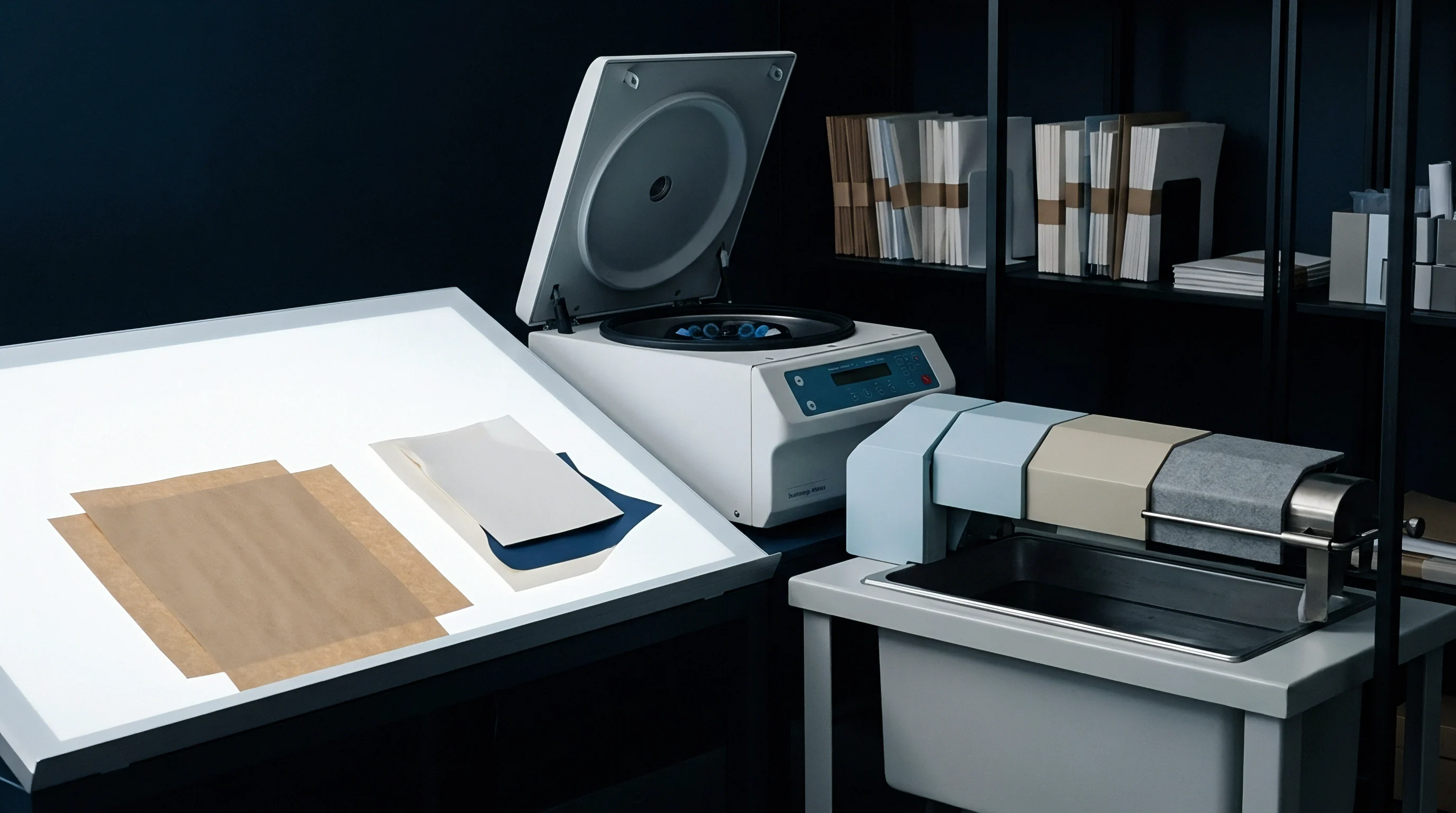
Moisture content governs every mechanical and surface interaction in cellulose matrices. Water molecules act as plasticizers within the amorphous regions of cellulose, hemicellulose, and lignin, breaking intermolecular hydrogen bonds between adjacent fibers and lowering overall sheet stiffness. Dockside laboratory operations prioritize precision moisture analytics because commercial paper substrates are bought by mass and converted by area.
Ambient humidity fluctuations during ocean transit alter physical dimensions, tensile stiffness, internal bond strength, and barrier coating adhesion. Verifying moisture equilibrium under ISO 287 or TAPPI T 410 constitutes the foundational step for all subsequent analytical testing.
Standard gravimetric oven-drying methods provide the ultimate legal benchmark for moisture disputes. Mobile dockside testing setups utilize ventilated drying ovens operating at 105 degrees Celsius plus or minus 2 degrees Celsius, equipped with analytical balances reading to 0.0001 grams. Precision moisture tins with ground-glass stoppers prevent atmospheric water absorption during sample transport from the reel to the balance pan.
Specimens weighing approximately 50 grams undergo drying until consecutive weighings spaced one hour apart show mass changes below 0.1 percent of the initial specimen mass. This process establishes absolute moisture content on an as-received basis.
Halogen moisture analyzers augment gravimetric ovens by delivering rapid, thermogravimetric dry-down curves within six to eight minutes. These benchtop units heat miniature 5-gram circular specimens using targeted infrared radiation while continuous digital balances record mass loss. Operating algorithms determine moisture end-points when mass loss drops below 1 milligram over a 60-second observation window.
Temperature profiles require calibration per substrate grade: unbleached kraft substrates tolerate 115 degrees Celsius dry-down protocols, whereas barrier-coated boards containing synthetic latexes or wax emulsions degrade above 95 degrees Celsius, releasing volatile organic compounds that artificially inflate apparent moisture readings.
| Measurement Technique | Standard Reference | Test Duration | Sample Size | Measurement Accuracy |
|---|---|---|---|---|
| Gravimetric Oven Drying | ISO 287 / TAPPI T 410 | 180 to 240 minutes | 50.0 grams | ± 0.10% moisture |
| Halogen Thermogravimetry | Internal Protocol | 6 to 10 minutes | 5.0 grams | ± 0.15% moisture |
| Near-Infrared Reflectance | TAPPI T 556 | 5 seconds | Continuous non-destructive | ± 0.25% moisture |
| Dielectric Radio-Frequency | Commercial Sensor | Instantaneous | Sub-surface penetration | ± 0.40% moisture |
Near-infrared spectroscopy offers rapid, non-destructive moisture measurement inside mobile dockside laboratories. Calibrated near-infrared spectrometers measure diffuse reflectance at specific absorption bands for water, predominantly at 1450 nanometers and 1940 nanometers, corresponding to O-H bond stretching and bending vibrations. Calibrations account for base fiber furnish differences, refining degrees, and inorganic filler loadings like calcium carbonate and kaolin clay.
Calcium carbonate exhibits low near-infrared interference, whereas high-yield mechanical pulps containing unbleached lignin require distinct multi-variate calibration models to avoid baseline signal distortion.
Sorption hysteresis introduces analytical complexity when assessing dockside paper samples. Paper substrates reaching an identical equilibrium relative humidity via desorption retain higher moisture percentages than substrates reaching that state via adsorption. A bleached kraft board conditioned to 50 percent relative humidity via moisture loss can hold 7.8 percent moisture, whereas the same board dried down and re-humidified to 50 percent relative humidity holds only 6.9 percent moisture.
This 0.9 percent hysteresis spread shifts hygro-expansion metrics, bending resistance, and bursting strength, requiring technicians to document sample thermal history before verifying compliance with target purchase specifications.
Hygro-expansivity measurements predict dimensional stability during multi-color offset lithography and high-speed flexographic converting. Fiber network expansion occurs primarily in the cross machine direction because individual cellulose fibers expand five to eight times more in diameter than in length upon water absorption. Technicians measure dimensional change using digital optical comparators after exposing conditioned strips to relative humidity steps from 33 percent to 85 percent inside benchtop environmental micro-chambers.
Cross-direction dimensional expansion exceeding 0.25 percent across this humidity swing causes misregistration on multi-pass printing presses and creates severe fluting in laminated corrugated structures.
Single-sheet moisture equilibrium inside high-velocity conditioning chambers reaches target stability within twenty minutes at standard temperature.
Water absorptiveness testing under ISO 535 Cobb protocols quantifies substrate surface sizing and liquid barrier integrity. The standard Cobb60 test measures the mass of liquid water absorbed by a 100-square-centimeter paperboard surface over a 60-second contact period, followed by standardized blotting with a 10-kilogram metal roller. Unmodified fluting or testliner displays Cobb60 values between 120 and 200 grams per square meter.
Heavily sized or barrier-modified substrates target Cobb values below 25 grams per square meter. Extended Cobb tests spanning 300 seconds or 1800 seconds reveal pinhole defects, surface micro-cracks, and internal sizing decay that standard 60-second tests fail to register.
Contact angle goniometry evaluates instantaneous wetting dynamics and surface energetic profiles. Mobile laboratories utilize automated goniometers that deposit 2.0-microliter droplets of deionized water and diiodomethane onto substrate surfaces via motorized microsyringes. High-speed digital cameras capture droplet profile transitions at millisecond intervals.
Initial contact angles exceeding 100 degrees indicate hydrophobic surface modification, but the rate of contact angle decrease over a 60-second span provides critical insight into surfactant migration or coating voids. Rapid droplet absorption within five seconds indicates localized surface size breakdown, compromising print sharpness and causing ink feathering during subsequent water-based flexographic converting.
Moisture variations alter internal fiber bond networks, shifting mechanical burst and tear values away from original mill certification targets.
Barrier
Modified paper substrates designed for functional barrier packaging incorporate thin polymer dispersions, biopolymer coatings, or vacuum-metallized layers to resist water, oil, grease, oxygen, and water vapor transmission. Dockside verification must confirm that these microscopic functional layers survived marine handling without delamination, micro-fracturing, or chemical degradation. Traditional fluorochemical treatments face intense regulatory scrutiny worldwide, driving the adoption of aqueous polymer dispersions based on acrylics, styrene-butadiene copolymers, polyhydroxyalkanoates, and modified polylactic acid chemistries.
Analytical testing protocols isolate barrier modifications from base cellulosic structures to quantify barrier performance accurately.
Water vapor transmission rate testing forms the cornerstone of moisture-barrier qualification. Mobile dockside testing utilizes rapid modulated infrared sensors and electrolytic detection systems under ISO 15106-2 and ASTM F1249. Substrate test specimens separate a dry nitrogen carrier chamber from an environmental chamber maintained at tropical conditions of 38.0 degrees Celsius and 90.0 percent relative humidity.
Water molecules permeating through the coated paperboard are swept by nitrogen gas into an infrared detector, which measures light absorption at 1950 nanometers. Highly effective dispersion coatings deliver water vapor transmission rates below 5.0 grams per square meter per day, whereas defective or micro-cracked layers exceed 50.0 grams per square meter per day.
| Barrier Property | Standard Protocol | Test Conditioning | Acceptable Performance Band | Critical Failure Mode |
|---|---|---|---|---|
| Water Vapor Transmission | ISO 15106-2 / ASTM F1249 | 38°C, 90% RH | < 5.0 g/(m²·day) | Coating micro-cracks, pinholes |
| Oxygen Transmission Rate | ISO 15105-2 / ASTM D3985 | 23°C, 50% RH | < 10.0 cm³/(m²·day·bar) | Pinhole channeling, base porosity |
| Oil and Grease Resistance | TAPPI T 559 (Kit Test) | 23°C, 50% RH | Kit Value > 9 | Surfactant blooming, uneven laydown |
| Heptane Vapor Transmission | Internal Rapid Cup | 23°C, 50% RH | < 2.0 g/(m²·day) | Chemical dissolution of polymer |
Oxygen transmission rate measurements verify gas barrier efficiency on substrates intended for perishable food and oxygen-sensitive industrial packaging. Modern coulometric sensors operating under ASTM D3985 and ISO 15105-2 utilize pure oxygen on the coating face and a carrier mixture of nitrogen and hydrogen on the reverse face. Oxygen molecules traversing the sheet enter a catalytic coulometric sensor where each oxygen molecule generates four electrons, producing a measurable electric current directly proportional to the transmission rate.
Functional biopolymer and polyvinyl alcohol coatings should maintain oxygen transmission rates below 10.0 cubic centimeters per square meter per day under 23 degrees Celsius and 50 percent relative humidity conditions.
Oil and grease resistance testing relies on both surface chemical surface tension challenges and long-term penetration dynamics. The standard TAPPI T 559 Kit Test applies twelve numbered test solutions containing varying ratios of castor oil, toluene, and n-heptane to substrate surfaces. Droplets remain on the coating for 15 seconds before removal with clean absorbent tissue.
The highest numbered solution that fails to wet or darken the underlying paperboard defines the Kit Rating. While the Kit Test delivers rapid results within minutes, it measures surface energy rather than physical barrier continuity. Dockside protocols supplement Kit Tests with ASTM F119 long-term grease migration testing, exposing substrate samples to oleic acid or palm oil at 60 degrees Celsius under a 50-gram dead-weight load for twenty-four hours.
Coating laydown uniformity below five grams per square meter risks continuous pinhole networks across rough unbleached kraft liners.
Surface pinhole detection utilizes optical and chemical staining methods to identify micro-voids in aqueous dispersion coatings. Technicians apply a solution of 0.5 percent methylene blue or amido black dye in ethanol to the coated surface. Low surface tension carriers draw the dye into microscopic pores, penetrating through to the underlying cellulose furnish within 30 seconds.
Reverse-side inspection under digital magnification reveals localized dye spots corresponding to pinholes. A pinhole density exceeding five distinct penetration spots per 100 square centimeters indicates poor coating rheology, incomplete film consolidation, or excessive base paper roughness that will compromise moisture and grease containment.
Mechanical creasing severely tests barrier continuity along folding carton scorelines. Uncreased substrate sheets may show flawless barrier metrics, but shear stress along male-female creasing dies fractures brittle polymer coatings. Mobile laboratories utilize automated laboratory creasing rules calibrated under ISO 2493-1 to apply standardized 180-degree reverse folds.
Technicians evaluate cracked crease lines under stereo microscopes and re-test for Cobb water absorption and turpentine penetration across the creased axis. Dispersion formulations lacking sufficient elongation at break delaminate at fold vertices, causing barrier loss at carton corners.
Total fluorine analysis confirms the presence or absence of per- and polyfluoroalkyl substances (PFAS) in grease-resistant papers. Regulatory compliance across major global markets prohibits intentional PFAS additions. Combustion ion chromatography according to DIN EN 14582 provides definitive total organic fluorine measurements, but requires sophisticated benchtop equipment.
Mobile dockside testing employs rapid combustion micro-coulometry or high-resolution surface energy wetting profiles with selective solvent pairs to flag suspected fluorinated substrates. Samples registering total fluorine concentrations above 50 parts per million are placed on regulatory holds for comprehensive laboratory verification.
The durability of biopolymer barrier layers subjected to cyclic ocean humidity shifts without losing tensile cohesion across converting dies remains an open engineering question.


Rupture
Mechanical strength parameters determine whether a paper substrate will run cleanly through corrugators, printing presses, and case erectors without tearing or jamming. When modified paper grades undergo chemical treatments or barrier coatings, base furnish fibers can suffer embrittlement, hydrogen bond disruption, or mechanical shear damage during coating application. Dockside testing isolates base furnish mechanical performance from coating mass contributions.
Testing protocols must separate machine direction properties from cross machine direction properties to evaluate fiber orientation ratios and network fracture mechanics.
Short-span compression testing under ISO 9895 and TAPPI T 826 provides the primary predictor of corrugated container top-to-bottom compression strength. Unlike traditional ring crush tests, which suffer from specimen buckling artifacts, short-span compression clamps a precision 15.0-millimeter-wide paperboard strip between two pneumatically loaded jaws spaced exactly 0.70 millimeters apart. The jaws compress the sheet at a constant rate of 3.0 millimeters per minute until fiber buckling and matrix crushing occur.
Unbleached virgin kraftliner exhibits cross-direction short-span compression values between 3.0 and 4.2 kilonewtons per meter for 175 gram per square meter boards, whereas recycled fluting grades typically achieve 2.0 to 2.8 kilonewtons per meter.
Tensile and elongation properties measured under ISO 1924-2 or ISO 1924-3 define the web running stability of reels under dynamic unwind tension. Universal tensile testing machines inside mobile laboratories clamp 15.0-millimeter paper strips at a 100-millimeter gauge length, pulling specimens at a constant elongation rate of 20 millimeters per minute. Digital load cells record tensile strength at break, stretch percentage at rupture, and tensile energy absorption in Joules per square meter.
A low cross-direction stretch value below 1.5 percent indicates fiber embrittlement, predisposing webs to edge tears and catastrophic breaks on high-speed rewinding equipment.
Mechanical Strength Verification Sequence
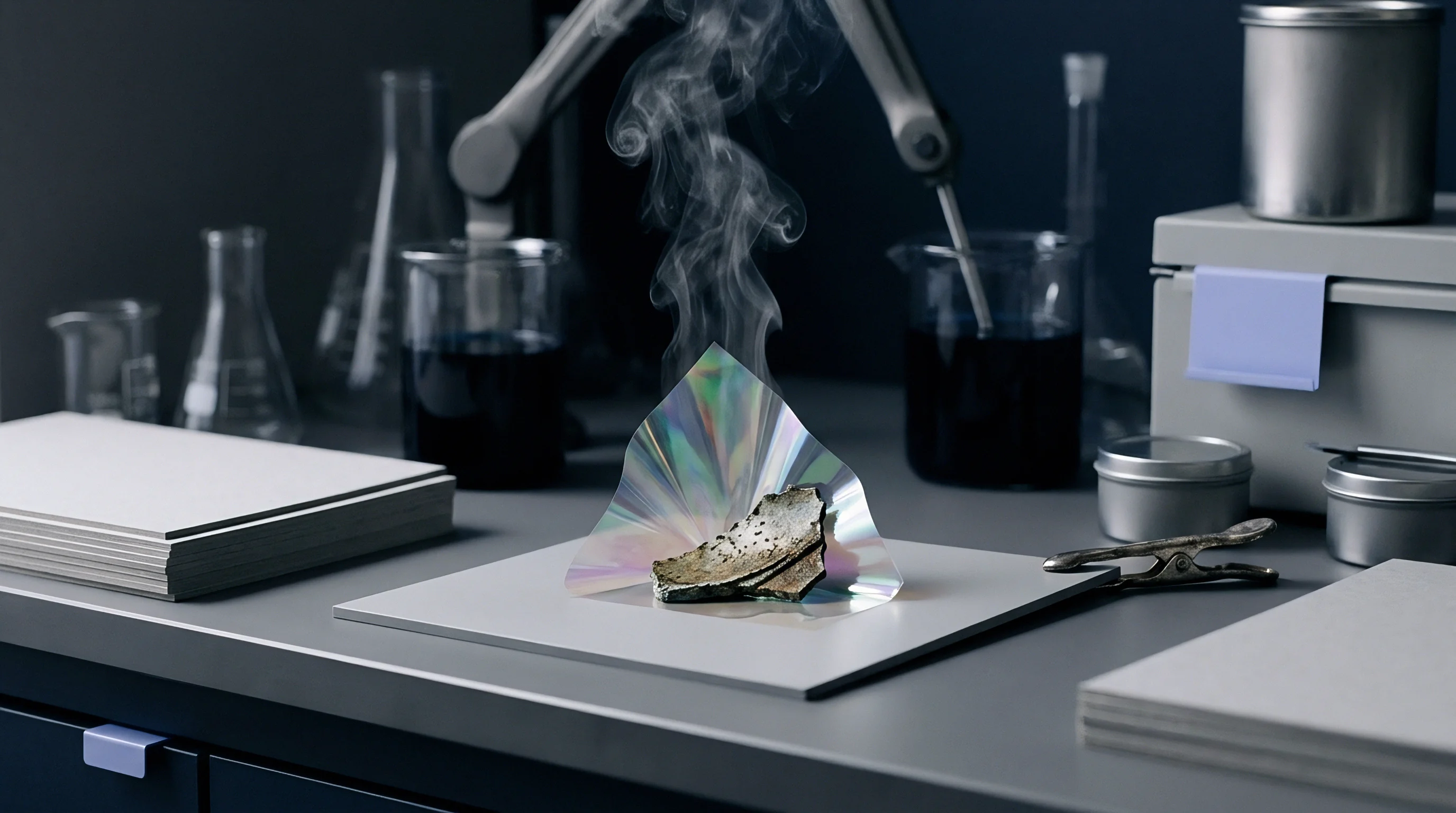
Verifying structural strength parameters involves sequential destructive physical testing on conditioned cross-deckle test strips extracted from sampled reels.
- Short Span Compression Clamping aligns precision pneumatic jaws across cross-direction fibers to isolate compressive wall resistance without specimen buckling artifacts.
- Tensile Energy Absorption Loading applies constant strain elongation rates to measure dynamic fracture toughness and total energy absorption capacity before failure.
- Internal Bond Delamination Impact measures the dynamic energy required to split paperboard plies using a falling pendulum hammer under TAPPI T 569.
- Tear Propagation Resistance Profiling tracks Elmendorf tear force requirements across machine and cross directions according to ISO 1974.
Internal bond strength, or Scott Plybond testing under TAPPI T 569, evaluates inter-ply cohesion in multi-ply paperboard structures. Multi-ply folding boxboards and solid bleached boards apply synthetic functional coatings that can induce surface plucking if internal z-directional strength is inadequate. Double-sided adhesive tape laminates a 25.4-millimeter square paperboard specimen between an aluminum angle bracket and an anvil base.
A calibrated pendulum hammer strikes the angle bracket, measuring the dynamic impact energy in Joules per square meter required to delaminate the paperboard internal structure. Values falling below 130 Joules per square meter indicate weak fiber consolidation, leading to blister formation during heated drying tunnels and carton delamination during high-speed scoring.
| Substrate Classification | Nominal Grammage (ISO 536) | SCT CD Strength (ISO 9895) | Tensile Energy CD (ISO 1924-2) | Scott Bond (TAPPI T 569) |
|---|---|---|---|---|
| Virgin Kraftliner | 175 g/m² | 3.60 kN/m | 95 J/m² | 210 J/m² |
| Recycled Testliner 2 | 175 g/m² | 2.45 kN/m | 62 J/m² | 145 J/m² |
| Solid Bleached Sulfate | 250 g/m² | 4.10 kN/m | 110 J/m² | 185 J/m² |
| Folding Boxboard (GC2) | 250 g/m² | 3.20 kN/m | 78 J/m² | 135 J/m² |
| Semi-Chemical Fluting | 127 g/m² | 2.85 kN/m | 55 J/m² | 160 J/m² |
Bursting strength testing under ISO 2758 for paper and ISO 2759 for paperboard (Mullen burst) measures hydraulic pressure resistance against an expanding rubber diaphragm. A circular clamping ring grips the specimen with sufficient clamping force to prevent perimeter slippage while hydraulic fluid pumps at a rate of 95 milliliters per minute for paper or 170 milliliters per minute for board until the specimen ruptures. The resulting burst index, calculated in kilopascals square meters per gram, serves as a primary metric for transit packaging integrity.
Burst index reductions exceeding 15 percent relative to mill certificates indicate mechanical fiber degradation or severe moisture-induced plasticization during sea transit.
Tear propagation resistance measured by the Elmendorf tear tester under ISO 1974 evaluates the force required to continue an initial precision slit in a stack of paper specimens. A heavy swinging pendulum cuts through the clamped paper stack, recording potential energy loss on a calibrated digital encoder. Machine direction tearing strength runs significantly lower than cross direction tearing strength because fibers align preferentially in the machine direction during paper web formation on the wire.
If machine direction tear strength drops below critical runnability thresholds, small edge nicks caused by container transit will propagate into full web breaks across web-fed offset or gravure printing presses.
Internal ply bond strength below 130 Joules per square meter results in carton delamination along high-speed folding rails.
Folding endurance testing under ISO 5626 (Schopper or MIT tester) applies continuous double-fold cycles under specified spring tensions until the specimen fractures at the fold line. This mechanical test evaluates fiber flexibility and surface sizing brittleness. Substrates modified with heavy mineral pigment coatings or synthetic cross-linking wet-strength resins frequently exhibit sharp drops in folding endurance.
Virgin bleached kraft sheets should withstand more than 500 double folds under a 1.0-kilogram tension load, whereas over-refined or heavily loaded recycled sheets fail below 50 double folds, leading to cracked hinges on packaging flaps.
Unidentified fiber degradation at the dockside stage allows sub-specification substrate to enter high-speed converting lines, generating thousands of cracked folding cartons and immediate line stoppages across automated packing operations.

Spectrometry
Chemical verification protocols deployed at dockside mobile laboratories confirm the molecular composition of surface treatments, sizing agents, functional polymers, and base fiber furnishes. When substrates claim bio-based modifications, plastic-free certifications, or specific recycled furnish ratios, visual and mechanical checks cannot detect chemical substitution. Portable analytical spectrometers yield rapid chemical fingerprints directly from paper surfaces, establishing baseline material compliance within minutes of sample extraction.
Attenuated total reflectance Fourier-transform infrared spectroscopy serves as the primary analytical tool for organic coating identification. Mobile laboratories utilize benchtop Fourier-transform infrared spectrometers fitted with single-reflection diamond crystals. Technicians clamp raw paperboard surfaces directly against the diamond prism without destructive sample preparation.
Infrared radiation penetrates two to three micrometers into the substrate surface before reflecting back to the interferometer detector. Characteristic absorption bands between 4000 and 400 inverse centimeters reveal synthetic polymers: ester carbonyl peaks at 1730 inverse centimeters identify acrylic dispersions; styrene aromatic ring vibrations at 700 and 760 inverse centimeters identify styrene-butadiene latexes; and broad amide peaks at 1650 inverse centimeters identify synthetic polyamide wet-strength resins.
Energy-dispersive X-ray fluorescence spectrometry enables rapid non-destructive elemental analysis of inorganic coatings, mineral fillers, and surface barrier additives. Portable handheld and benchtop X-ray fluorescence analyzers emit focused X-ray beams, ionizing inner-shell electrons from atoms on the paper surface. As outer-shell electrons drop to fill core vacancies, they emit secondary fluorescent X-rays with energies unique to each element.
Technicians detect and quantify calcium from precipitated or ground calcium carbonate fillers, silicon from silicone release coatings, titanium from titanium dioxide opacifying pigments, aluminum from kaolin clay, and sulfur from residual papermaking sulfates. Calibration curves translate elemental counts into percentage coating weights with detection limits down to 10 parts per million for heavy elements.
Fiber furnish identification combines chemical micro-staining with polarized light optical microscopy under ISO 9184-1 and ISO 9184-4. Technicians tease apart a small 0.5-gram substrate sample into individual fibers inside hot deionized water using high-shear blenders. Dispersed fibers transferred to microscope slides receive drops of Graff C-stain or Herzberg stain solutions containing zinc chloro-iodide complexes.
Chemical reactions stain different fiber morphologies: unbleached softwood kraft fibers stain dark yellow-brown due to residual lignin; bleached hardwood kraft fibers stain blue-violet from accessible crystalline cellulose; and mechanical groundwood pulps stain intense bright yellow. Microscopic fiber counts across multiple graticule fields determine virgin-to-recycled furnish ratios and verify softwood-to-hardwood blending compliance against mill specifications.
Pyrolysis gas chromatography-mass spectrometry provides advanced dockside molecular deconvolution for complex multi-component barrier coatings. A micro-furnace pyrolyzer heats a 100-microgram substrate sample to 600 degrees Celsius in an inert helium atmosphere within milliseconds. The rapid thermal decomposition cleaves complex high-molecular-weight polymers into characteristic volatile fragments, which sweep directly into a gas chromatography capillary column for separation and quadrupole mass spectrometer identification.
Pyrolysis gas chromatography cleanly separates polyhydroxyalkanoates from polylactic acid biopolymers and identifies micro-crystalline synthetic wax additives down to 0.05 percent mass fractions in functional barrier papers.
Thermal analysis via differential scanning calorimetry and thermogravimetric analysis characterizes phase transitions, glass transition temperatures, and thermal degradation profiles of surface barrier modifications. Technicians seal 10-milligram specimens inside aluminum crucibles, heating them from minus 50 degrees Celsius to 300 degrees Celsius at 10 degrees Celsius per minute inside nitrogen-purged test cells. Glass transition steps between minus 10 degrees Celsius and plus 20 degrees Celsius confirm the flexibility of aqueous acrylic barrier coatings, whereas sharp melting endotherms at 130 degrees Celsius or 165 degrees Celsius identify polyethylene extrusion coatings or polylactic acid films.
Thermogravimetric mass loss curves between 200 degrees Celsius and 600 degrees Celsius cleanly separate organic cellulosic fiber fractions from synthetic polymers and inorganic mineral ash residues.
Spectroscopic methods operate alongside standardized laboratory data systems to build searchable chemical libraries of qualified substrates. Each verified batch generates an analytical fingerprint that logs against the supplier mill code and purchase contract number. Systematic spectral matching identifies subtle raw material shifts, unannounced chemical additive adjustments, or unauthorized furnish substitutions across successive maritime delivery cycles.
Rejection
Dockside laboratory findings culminate in commercial and legal decisions. When analytical testing proves that a delivered paper substrate deviates from technical specifications, formal rejection and quarantine procedures take effect. Clear contractual definitions governing sampling methods, analytical tolerances, referee testing mechanisms, and cost allocations determine whether a buyer successfully recovers costs or absorbs maritime transit losses.
Commercial paper purchasing agreements must translate laboratory variances into enforceable contractual remedies before cargo release signatures are executed.
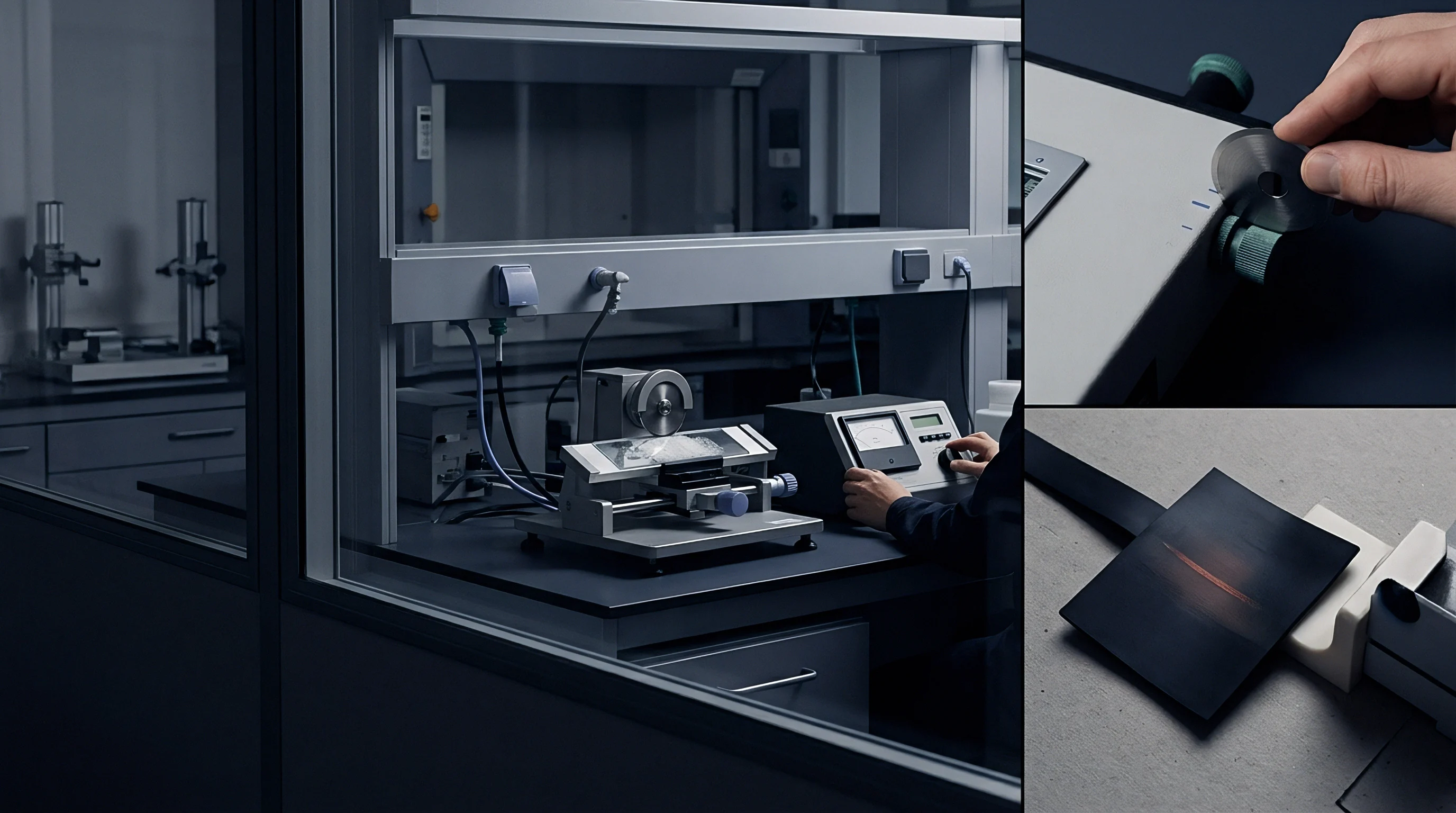
Formal rejection notices require comprehensive technical dossiers compiled directly from dockside testing logs. The documentation package includes ISO 186 sampling manifests, chain-of-custody tracking records, calibrated test instrument certificates, raw data sheets with environmental logs, and high-resolution photographic evidence of reel labels, core damage, and microchemical staining. The rejection notice cites specific violated contract parameters, quantifying the variance between measured values and agreed specification limits.
Buyers transmit this dossier to the supplier and freight forwarder within seventy-two hours of container destuffing to preserve marine insurance claims and halt automated letter-of-credit banking releases.
| Substrate Property | Standard Test Method | Commercial Specification Limit | Rejection Action Threshold | Contractual Remedy |
|---|---|---|---|---|
| Grammage (Basis Weight) | ISO 536 | Target ± 3.0% | Deviation > 5.0% | Price pro-rata debit or full lot rejection |
| Moisture Content | ISO 287 | 7.5% ± 1.0% | Moisture > 9.5% or < 5.5% | Lot quarantine, conditioning fee claim |
| Short Span Compression (CD) | ISO 9895 | Min 3.20 kN/m | Value < 2.85 kN/m | Full lot rejection, freight debit |
| Cobb60 Water Absorption | ISO 535 | Max 25.0 g/m² | Value > 35.0 g/m² | Coating defect rejection, supplier replacement |
| PFAS Total Fluorine | Combustion IC | < 50 ppm (non-detect) | Fluorine > 100 ppm | Mandatory regulatory return at seller expense |
Standard contractual terms governing cross-border paper tonnage specify clear tolerance bands and sliding-scale price deduction schedules for minor non-conformances. Grammage variations measured under ISO 536 between 3.0 percent and 5.0 percent trigger mandatory square-meter yield debits: the buyer pays strictly for the delivered surface area rather than the excess gross metric tonnage recorded on weighbridge certificates. Grammage shortfalls exceeding 5.0 percent or mechanical strength deficits exceeding 10.0 percent grant the buyer absolute rights of lot rejection.
Contract terms dictate that rejected tonnage remains at the supplier expense for storage, port demurrage, re-export customs duties, or certified local destruction.
Referee laboratory testing clauses prevent commercial deadlocks when mill testing certificates conflict directly with dockside verification reports. Contracts name two independent, ISO 17025 accredited paper testing institutes before order placement. When a dispute arises, sealed duplicate sample packages prepared during the initial dockside ISO 186 extraction travel to the designated referee institute under strict chain-of-custody protocols.
The referee laboratory test results serve as final and binding arbitrations on both parties. The losing party bears all testing expenses, courier charges, and associated port storage fees accumulated during the arbitration period.
Environmental and trade compliance rejections introduce regulatory liability. If dockside spectrometry identifies prohibited fluorochemical coatings or illegal timber furnish species violating international deforestation regulations, simple cargo rejection is insufficient. National customs authorities can seize the shipment, imposing fines and mandating secure incineration at the importer of record expense.
Robust purchasing contracts incorporate comprehensive indemnity clauses requiring suppliers to cover all administrative fines, testing fees, legal representation, and hazardous disposal costs arising from regulatory non-compliance.
Standard master purchase agreements define non-conforming substrate handling through specific clauses stating that any delivered reel failing primary mechanical or barrier specifications across more than two sample units per sampled container authorizes the buyer to reject the entire container lot without incurring detention fees, shifting all quayside warehousing costs and return shipping liabilities directly to the seller.