Polymerisation Kinetics
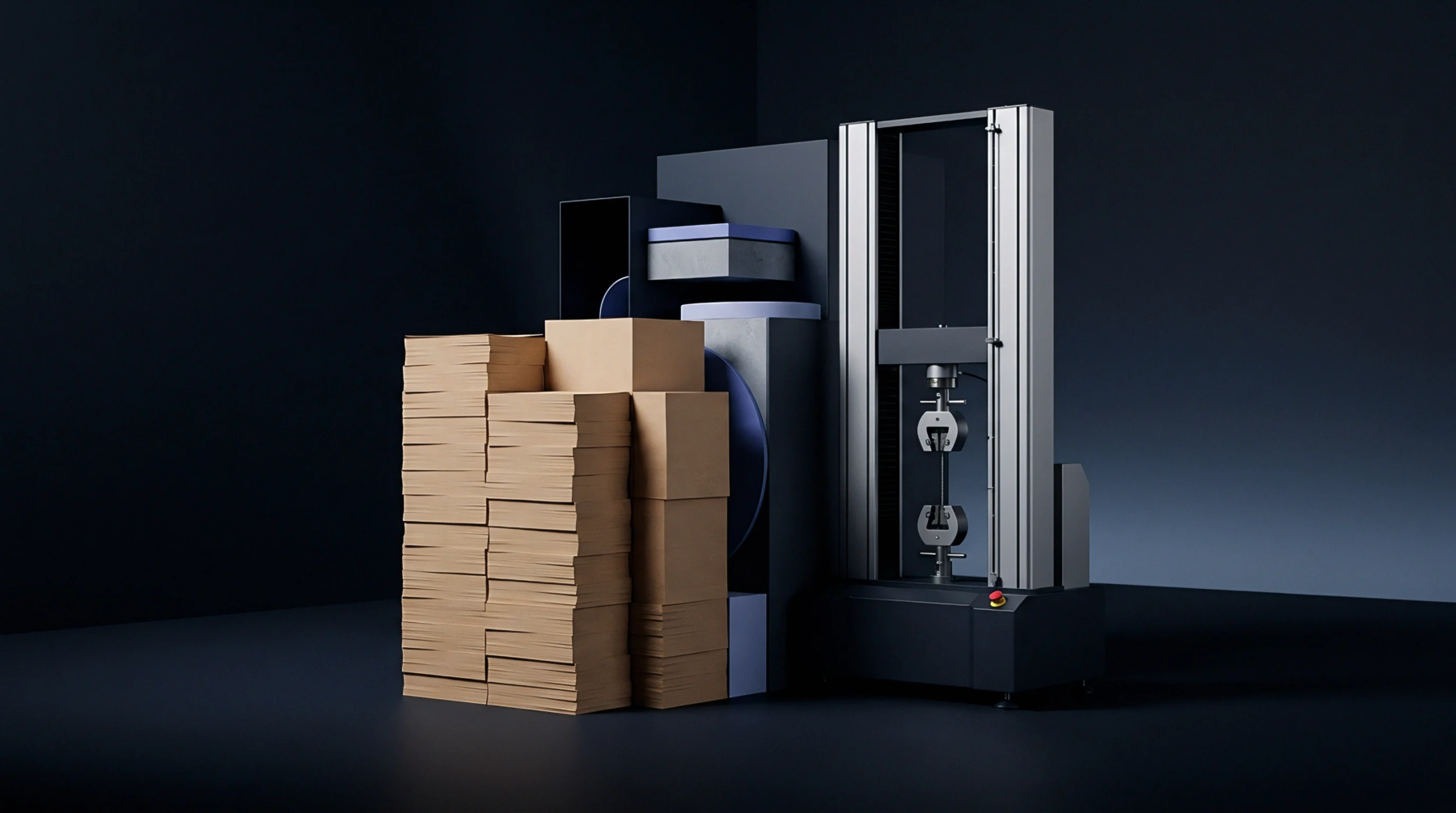
Biodegradable aliphatic polyester synthesized through bacterial fermentation offers rigid dispersion properties for sustainable board laminations. Polyhydroxyalkanoate functions as a barrier coating applied directly to heavy paper stocks during extrusion operations. Converting plants control melt temperature windows strictly to prevent thermal degradation before the compound contacts the fibre web.
Crystallinity rates dictate the moisture vapour transmission rate across pressed folding cartons. Higher crystalline fractions restrict water droplet migration but increase brittleness during crease wheel scoring. Extrusion line operators adjust chill roll temperatures constantly to manage crystal growth speeds inside the thin film layer.
Coated paperboards demand precise adhesion forces because natural polyesters resist bonding with untreated cellulose surfaces. Corona discharge units treat the paper substrate immediately prior to liquid dispersion application. Surface oxidation creates polar sites that anchor the biopolymer molecules securely onto the cellulose fibres.
Barrier integrity fails entirely if surface energy drops below set dyne levels during high speed runs. Commercial converting machinery operates at speeds dictated by the thermal setting threshold of the applied ester.
Conversion Tolerances
Flexible packaging lines process polyhydroxyalkanoate emulsions through gravure printing stations using modified solvent blends. Viscosity limits restrict fluid movement inside cylinder cells to prevent dot gain on absorbent kraft substrates. Drying tunnels evaporate carrier liquids using targeted infrared radiation rather than forced hot air currents.
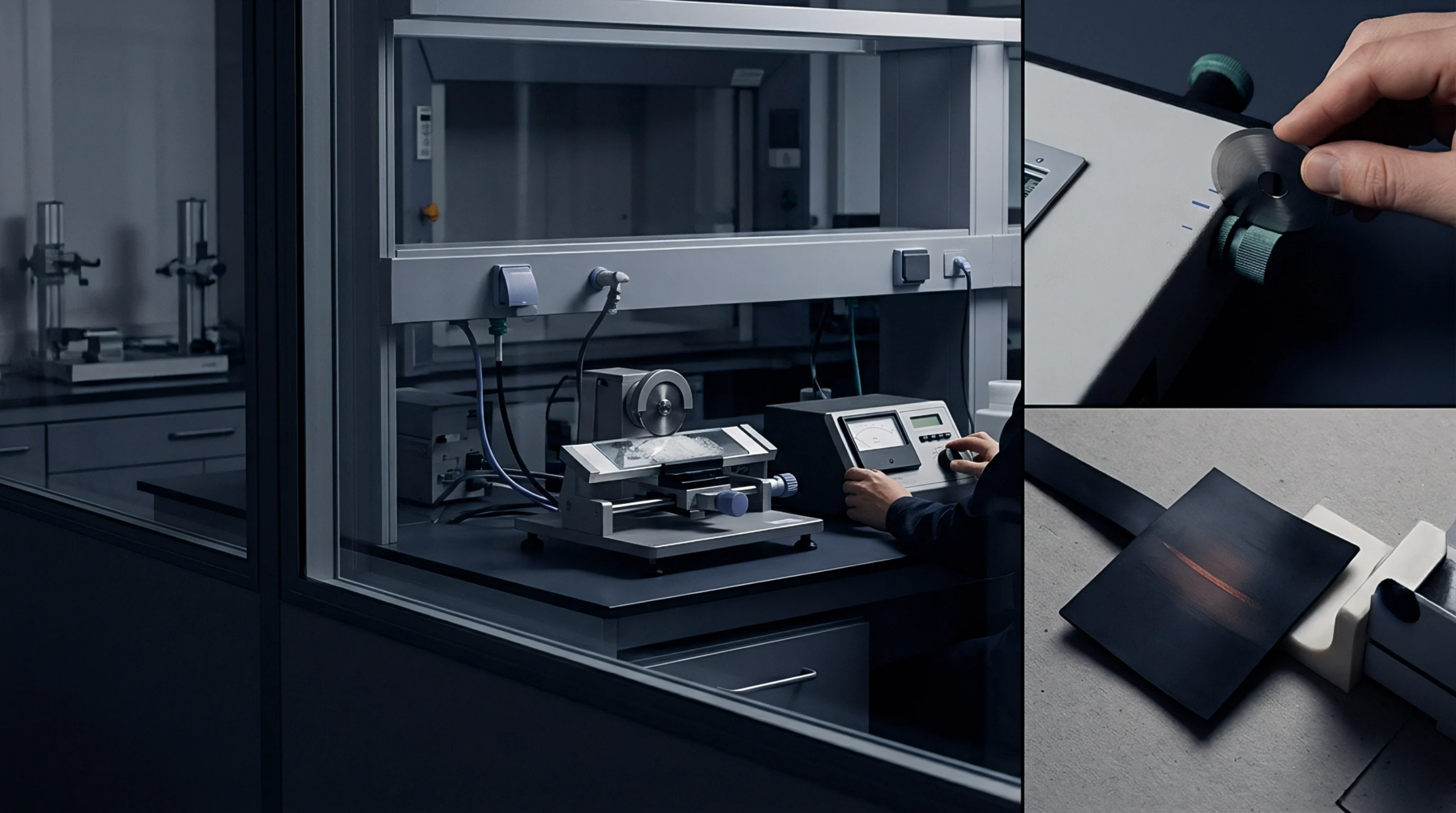
Excessive thermal exposure causes premature polymer crosslinking which ruins heat seal activation zones later in bag making machines. Die cutting units apply exact mechanical pressure to slice through laminated board without delaminating the biobased coating layer. Edge fraying occurs whenever shear blades lose sharpness during extended continuous production shifts.
Packaging engineers specify narrow thickness tolerances to maintain consistent seal integrity across automated vertical form fill equipment. Laminated structures require accurate moisture control in storage warehouses to prevent premature hydrolysis of ester linkages. Finished reels undergo tension monitoring to avoid stretching the delicate film surface beyond elastic recovery limits.
Endocrine Disruption
Commercial compostability standards govern polyhydroxyalkanoate films under industrial composting conditions involving controlled microbial activity. Soil burial tests measure complete mineralisation rates without leaving microplastic residues in agricultural compost heaps. Microorganisms secrete specific depolymerase enzymes that cleave ester bonds efficiently within standard thermal composting windows.
Industrial facilities verify disintegration completion through sieve analysis after defined retention periods expire. Landfill disposal halts degradation processes completely due to oxygen deprivation and insufficient microbial populations. Regulatory bodies demand strict heavy metal testing on base resins prior to food contact approval certifications.
End market applications require clear labelling differentiation to prevent contamination of conventional polyolefin recycling streams. Thermal processing generates minimal volatile organic compounds compared to traditional petroleum based barrier resins. Polymer chains degrade rapidly upon exposure to active marine environments under specific enzymatic triggers.
Material degradation kinetics depend directly on ambient temperature fluctuations and local microbial density profiles.