Defect Frequency
Microscopic discontinuities in barrier coatings and thin metallic foils jeopardize product shelf life in liquid and food packaging. In flexible packaging substrates, pinhole density measures the number of microscopic void defects per unit area of protective layer. Standard test protocols specify pinhole counts per square metre using light transmission or conductive liquid detection techniques.
Extrusion coating parameters and web tension control directly dictate the frequency of pinhole formation during converting.
Barrier Impairment
Barrier packaging relies on continuous, defect-free polymer or aluminum layers to block water vapor and oxygen transfer. An elevated pinhole density permits atmospheric oxygen and moisture to penetrate flexible pouches, causing food oxidation. When thin aluminum foils drop below six micrometres in thickness, mechanical pinholing increases exponentially during web handling.
Extrusion coated polyethylene films develop pinholes when micro-bubbles form in the molten polymer curtain during die extrusion. Dust contamination on paperboard base stock prevents complete polymer wetting, leaving exposed cellulose fibers that act as direct leakage channels. Pinhole defects compromise vacuum insulation panels and liquid carton barrier layers, leading to seal failure and product spoilage.
Detection Protocol
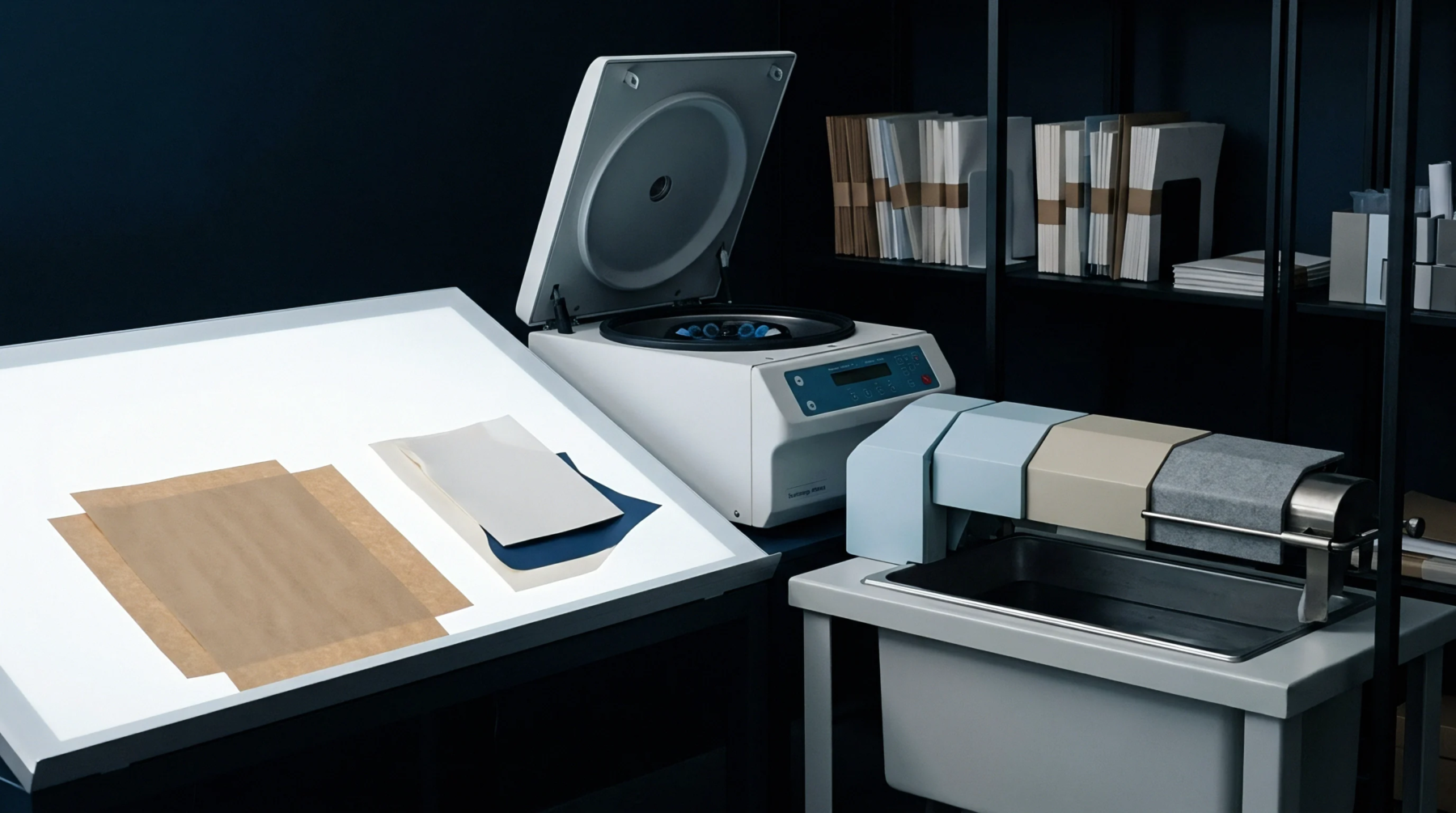
Light table scanning provides manual defect counting for opaque foil structures. Automated laser backlighting inspection systems scan fast-moving webs, flagging pinhole clusters before reel rewinding.